
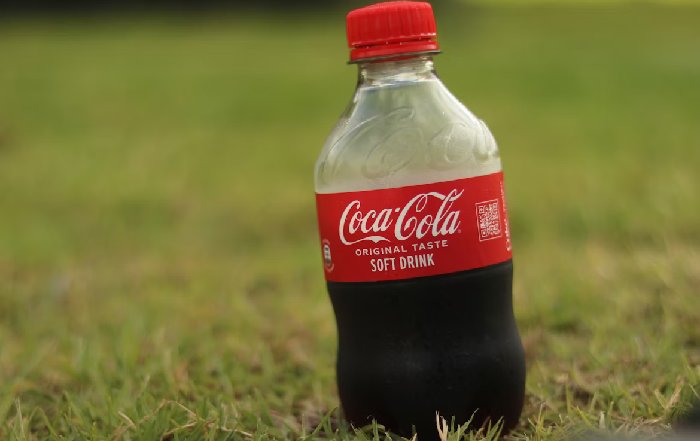
The Hidden Life of a Plastic Bottle
Introduction: A Familiar Object with an Unfamiliar Story
In 2026, the plastic bottle has become one of the most recognizable objects on the planet, yet its full story remains largely invisible to the people who use it every day. On supermarket shelves, in office fridges, in airport lounges and remote villages alike, the plastic bottle appears as a symbol of modern convenience and global connectivity. For the audience of YouSaveOurWorld.com, which is deeply engaged with themes of sustainable living, climate responsibility, and responsible business, understanding the hidden life of a plastic bottle is not just an academic exercise; it is a strategic lens through which to examine consumer behavior, corporate accountability, and the future of circular economies.
The journey of a single plastic bottle, from fossil fuel extraction to manufacturing, distribution, use, and eventual disposal or recycling, intersects with global supply chains, energy systems, environmental justice, and personal well-being. By tracing this journey in detail, it becomes possible to see how decisions made by individuals, companies, and policymakers can either perpetuate a linear, wasteful model or accelerate the transition to a more sustainable and regenerative system. Readers who already explore topics like sustainable living, plastic recycling, and sustainable business on YouSaveOurWorld.com will recognize that the plastic bottle is not merely an object; it is a case study in how modern economies either save or squander the world's finite resources.
From Fossil Fuel to Polymer: The Birth of a Bottle
The hidden life of a plastic bottle begins long before it takes shape on a factory line. Most single-use beverage bottles are made from polyethylene terephthalate, better known as PET, a polymer derived primarily from crude oil and natural gas. The upstream portion of this lifecycle starts with exploration and extraction by major energy companies such as ExxonMobil, Shell, and Saudi Aramco, which invest billions in locating, drilling, and processing fossil fuels that will be used not only for fuel but also as feedstock for the global plastics industry. The International Energy Agency provides detailed overviews of how petrochemicals have become the largest driver of global oil demand growth, underscoring how deeply intertwined plastics are with the fossil economy. Learn more about how petrochemicals shape global energy demand on the International Energy Agency website.
Once extracted, crude oil and natural gas liquids are transported to refineries and petrochemical plants, where they are cracked into basic building blocks such as ethylene and paraxylene. These intermediates are then processed into monomers and, through polymerization, transformed into PET resin pellets. Organizations such as PlasticsEurope and the American Chemistry Council publish technical and economic data on this process, revealing how capital-intensive and centralized these operations are, and how they are often located far from the communities that ultimately consume the bottled products. For a deeper understanding of these industrial processes and their environmental impacts, readers can explore resources from PlasticsEurope at plasticseurope.org.
At this early stage, the plastic bottle already carries a significant carbon and environmental footprint. The energy required for extraction, refining, and polymerization contributes to global greenhouse gas emissions and accelerates climate change, a topic examined in depth on the climate change pages of YouSaveOurWorld.com. Research from bodies such as the Intergovernmental Panel on Climate Change highlights how industrial systems, including petrochemical production, must decarbonize rapidly to meet the temperature goals of the Paris Agreement. The IPCC's reports, available at ipcc.ch, provide authoritative assessments of the climate implications of such industries.
Manufacturing and Design: Efficiency, Convenience, and Hidden Costs
After polymerization, PET resin pellets are shipped to bottle manufacturing facilities, where they are melted and injection-molded into preforms, then heated and blow-molded into the familiar bottle shapes seen on store shelves. This stage of the lifecycle illustrates how design and engineering decisions directly influence sustainability outcomes. Lightweighting, for instance, has enabled manufacturers to use less plastic per bottle, reducing material costs and transport emissions, while advances in industrial automation and precision molding have improved efficiency and quality.
However, these gains have often been overshadowed by the sheer scale of production. According to data from the United Nations Environment Programme, global plastic production has more than doubled since the turn of the century, with packaging and single-use items accounting for a significant share. UNEP's analyses, available at unep.org, show that efficiency improvements alone cannot offset the environmental impacts of ever-increasing volumes of disposable packaging. For readers interested in how design choices intersect with environmental impact, the design section of YouSaveOurWorld.com offers additional perspectives on responsible product development.
At the manufacturing stage, there is also an important conversation around the incorporation of recycled content. Many beverage companies have made public commitments to increase the percentage of recycled PET (rPET) in their bottles, responding to consumer demand and regulatory pressure. Standards and certifications from organizations such as UL and GreenBlue support the verification of recycled content claims, while initiatives like the Ellen MacArthur Foundation's New Plastics Economy provide frameworks for circular design. To understand how circular design principles can transform packaging systems, readers can explore the work of the Ellen MacArthur Foundation at ellenmacarthurfoundation.org.
Yet, despite these efforts, the global supply of high-quality rPET remains constrained, and contamination, collection inefficiencies, and economic volatility often limit the feasibility of closed-loop bottle-to-bottle recycling. This reality underlines the need for integrated solutions that span design, infrastructure, and policy, a theme that resonates strongly with the innovation and technology coverage on YouSaveOurWorld.com.
Global Distribution: A Bottle in the World Economy
Once manufactured and filled, plastic bottles are integrated into vast distribution networks that move beverages and other products across regions and continents. Global brands such as The Coca-Cola Company, PepsiCo, and Nestlé rely on complex logistics systems involving trucks, ships, and sometimes air freight, each leg adding to the embedded carbon footprint of the bottle and its contents. The role of packaging in global trade is documented by institutions like the World Trade Organization, which provides data on how fast-moving consumer goods flow through international markets. Readers can explore trade-related aspects of packaging at wto.org.
In emerging markets, the plastic bottle has played a critical role in expanding access to safe drinking water and packaged food, often serving as a substitute where public infrastructure has lagged. Organizations such as the World Health Organization have emphasized the importance of safe drinking water, while also acknowledging the environmental and health challenges posed by mismanaged plastic waste. The WHO's analyses of water quality and health outcomes can be found at who.int. This duality-where the same object can enable health benefits while contributing to environmental degradation-captures the central tension in the hidden life of a plastic bottle.
From a business perspective, the bottle is both a cost center and a brand touchpoint. Companies invest heavily in packaging design, labeling, and marketing, while also facing increasing scrutiny from regulators and civil society regarding waste, pollution, and climate impacts. The World Economic Forum has highlighted plastic pollution as a systemic risk, connecting environmental degradation to economic instability and social inequities. Business leaders can examine these insights at weforum.org, where plastic pollution is framed as a strategic issue requiring collaborative action across value chains. For readers of YouSaveOurWorld.com interested in how these dynamics shape corporate strategy, the business and economy sections provide further context.
The Moment of Use: Convenience, Culture, and Lifestyle
When a consumer purchases and uses a plastic bottle, the interaction often lasts only a few minutes, yet it is shaped by deeper lifestyle patterns, cultural norms, and marketing narratives. In many urban environments, bottled beverages are associated with on-the-go convenience, aspirational branding, and perceived quality or status. This is especially evident in the rapid growth of premium bottled water markets, where packaging design and brand storytelling are used to differentiate products that are, in many cases, chemically similar to tap water.
The psychology of convenience and habit formation plays a powerful role here. Behavioral research from institutions like Harvard T.H. Chan School of Public Health and Stanford University has shown how default options, social norms, and availability influence consumer choices, including the decision to purchase bottled beverages rather than refillable alternatives. Insights into behavior change and sustainable consumption can be explored through resources available at hsph.harvard.edu. For the YouSaveOurWorld.com audience, which often seeks to align lifestyle choices with environmental values, understanding these psychological dimensions is crucial in designing interventions that shift demand toward reusable and low-impact options.
At the same time, equity considerations must be acknowledged. In areas where municipal water is unsafe or unreliable, bottled water may be a necessary safeguard. In such contexts, the solution cannot simply be to discourage bottled water consumption, but rather to invest in public infrastructure, transparent governance, and community empowerment. Organizations such as UNICEF and WaterAid work at this intersection of water access, public health, and environmental stewardship, highlighting the need for integrated solutions. Learn more about global water and sanitation challenges at UNICEF's website, unicef.org.
After Use: Diverging Paths of a Discarded Bottle
The most critical chapter in the hidden life of a plastic bottle begins the moment it is discarded. From this point, its fate diverges into several possible pathways: formal recycling systems, informal recovery, landfill disposal, incineration, or leakage into the environment. Each path carries distinct implications for climate change, ecosystem health, and social equity, and each is influenced by local infrastructure, policy frameworks, and market conditions.
In regions with well-developed waste management systems, bottles placed in recycling bins may be collected, sorted at materials recovery facilities, cleaned, and processed into flakes or pellets that can be used to make new bottles, textiles, or other products. The U.S. Environmental Protection Agency and the European Environment Agency provide detailed data on recycling rates, contamination challenges, and policy interventions such as extended producer responsibility and deposit return schemes. Readers can explore such data at epa.gov and eea.europa.eu. For those seeking a more in-depth exploration of recycling processes and challenges, the plastic recycling and waste sections of YouSaveOurWorld.com offer additional analysis.
However, globally, only a fraction of plastic bottles follow this relatively positive trajectory. Many end up in landfills, where they may persist for centuries, slowly fragmenting into microplastics that can leach into soil and groundwater. Others are openly burned or incinerated, releasing toxic emissions and greenhouse gases, with disproportionate health impacts on low-income communities and waste workers. Studies compiled by the World Bank at worldbank.org show that waste mismanagement is particularly acute in rapidly urbanizing regions where infrastructure has not kept pace with consumption growth. These findings intersect closely with the global perspective of YouSaveOurWorld.com, which emphasizes the uneven distribution of environmental burdens and the need for inclusive solutions.
A significant share of bottles also escape formal waste systems altogether, entering rivers, oceans, and terrestrial ecosystems. Research coordinated by The Ocean Cleanup, Ocean Conservancy, and academic institutions such as University of Plymouth has documented how plastic bottles and their fragments accumulate in waterways, coastal zones, and even the deepest parts of the ocean. Learn more about marine plastic pollution and cleanup efforts at theoceancleanup.com. Once in the environment, bottles break down into smaller particles that can be ingested by wildlife, enter food chains, and ultimately affect human health.
Environmental and Health Impacts: Beyond Visible Litter
The visible image of a plastic bottle washed up on a beach is powerful, but it represents only a fraction of the broader environmental and health impacts associated with plastics. Microplastics and nanoplastics originating from bottles and other packaging have been detected in oceans, soils, the atmosphere, and even in human blood and organs. Research synthesized by the Food and Agriculture Organization and the World Health Organization has raised concerns about potential toxicological effects, endocrine disruption, and bioaccumulation, although many questions remain under active investigation. Readers interested in the intersection of environmental exposure and health can consult resources at fao.org and who.int.
From a climate perspective, the production, transport, and disposal of plastic bottles contribute to greenhouse gas emissions at every stage of their lifecycle. The Carbon Disclosure Project (CDP) and life cycle assessment studies from institutions such as ETH Zurich and MIT have quantified these impacts, demonstrating that upstream production and end-of-life management are particularly carbon-intensive. Learn more about corporate climate disclosure and plastics at cdp.net. These findings tie directly into the climate-focused content on YouSaveOurWorld.com, where environmental awareness is framed as a precondition for effective climate action.
There are also significant social and economic dimensions. Informal waste pickers, who play a crucial role in recovering recyclable materials in many low- and middle-income countries, often work in hazardous conditions with limited social protections. Organizations such as WIEGO (Women in Informal Employment: Globalizing and Organizing) and GAIA (Global Alliance for Incinerator Alternatives) have documented how inclusive recycling systems can improve livelihoods while reducing pollution. Their work, accessible through wiego.org and no-burn.org, underscores that the hidden life of a plastic bottle intersects with labor rights, gender equity, and community resilience, themes that resonate with the personal well-being focus of YouSaveOurWorld.com.
Innovation, Policy, and Corporate Responsibility: Changing the Script
Recognizing the scale and complexity of plastic bottle impacts, governments, businesses, and civil society organizations have begun to rewrite the story, shifting from a linear "take-make-dispose" model toward more circular and regenerative systems. Policy innovations such as the European Union's Single-Use Plastics Directive, national bans on certain packaging formats, and mandatory recycled content requirements are reshaping markets and forcing companies to reconsider their packaging strategies. Detailed information on European policy approaches can be found through the European Commission at ec.europa.eu.
On the global stage, negotiations for a legally binding UN plastics treaty, facilitated by the United Nations Environment Assembly, are underway, aiming to address plastic pollution across the full lifecycle. These negotiations, which can be followed at unep.org, represent a historic opportunity to align national policies, corporate practices, and financial flows with a shared vision for a less wasteful and more equitable plastics economy. For readers of YouSaveOurWorld.com, this is a key moment to connect education, advocacy, and business strategy.
Corporate responsibility has also evolved. Leading beverage and consumer goods companies are investing in refillable and reusable systems, digital deposit return schemes, and advanced recycling technologies. Alliances such as the Alliance to End Plastic Waste and initiatives like Loop, developed by TerraCycle, are experimenting with new business models that prioritize reuse over disposability. Learn more about reuse-focused innovation at TerraCycle's platform, terracycle.com. Yet, critics argue that voluntary initiatives are insufficient without binding regulations, transparent reporting, and independent verification, emphasizing the importance of robust governance and accountability.
Technological innovation is playing an increasingly important role. From chemical recycling methods that break polymers back down into monomers, to AI-enabled sorting systems that improve material recovery, to bio-based and biodegradable alternatives, research and development efforts are accelerating. Institutions such as Fraunhofer Institute, National Renewable Energy Laboratory, and leading universities are at the forefront of these advances. For those interested in how technology can enable more sustainable packaging systems, the technology and innovation sections of YouSaveOurWorld.com provide ongoing coverage of emerging solutions.
The Role of Individuals and Organizations: Making the Invisible Visible
While systemic change requires coordinated action from governments and corporations, individuals and organizations also have a meaningful role in reshaping the hidden life of a plastic bottle. For the community around YouSaveOurWorld.com, which is already engaged in sustainable living and sustainable business, this role involves both personal choices and professional influence.
On a personal level, actions such as carrying a reusable bottle, choosing products with minimal or refillable packaging, supporting local water infrastructure initiatives, and properly sorting recyclables can collectively reduce demand for single-use bottles and improve recovery rates. These behaviors, when shared within social networks and workplaces, help normalize low-waste lifestyles and increase overall environmental awareness. At the same time, informed citizens can engage with policymakers, participate in public consultations, and support organizations that advocate for stronger regulations and infrastructure investments.
Within businesses, leaders can integrate circular economy principles into product design, procurement, logistics, and marketing strategies. This may involve setting ambitious targets for waste reduction and recycled content, investing in refill and reuse pilots, collaborating with peers and suppliers to standardize packaging formats, and transparently reporting progress and challenges. Learn more about sustainable business practices through the dedicated resources on sustainable business at YouSaveOurWorld.com. By aligning corporate incentives with environmental and social outcomes, organizations can turn the plastic bottle from a symbol of waste into a lever for innovation and value creation.
Education and storytelling are also crucial. Platforms like YouSaveOurWorld.com play an important role in making complex supply chains and environmental impacts accessible to a wider audience, translating technical data into narratives that resonate with daily life and business decisions. By illuminating the hidden life of a plastic bottle, such platforms empower readers to see the connections between their choices, corporate behavior, and global environmental trends.
Conclusion: Reimagining the Future of a Ubiquitous Object
As of 2026, the plastic bottle stands at a crossroads. Its past and present tell a story of convenience, globalization, and unintended consequences, woven through energy systems, trade flows, and everyday habits. Yet its future is still being written. Through advances in design, technology, and policy, and through the collective actions of consumers, businesses, and governments, the lifecycle of this ubiquitous object can be transformed from a linear path of extraction and waste into a more circular and responsible journey.
For the audience of YouSaveOurWorld.com, the hidden life of a plastic bottle is more than a narrative about pollution; it is a lens on how societies value resources, design systems, and balance economic growth with planetary boundaries and human well-being. By engaging with topics across the site-from waste and economy to global trends and personal well-being-readers can deepen their understanding of how this single everyday object connects to the broader challenge of saving our world.
Ultimately, making the invisible visible is the first step toward meaningful change. When individuals and organizations recognize the full journey of a plastic bottle-the energy and resources invested, the communities affected, the ecosystems impacted-they are better equipped to demand and design alternatives that honor both human needs and planetary limits. In that recognition lies the opportunity not only to manage plastic more responsibly, but to reimagine the systems that produced it, and to move closer to the sustainable, equitable future that YouSaveOurWorld.com is dedicated to advancing.
