Climate Change and Food Systems in 2026: Risks, Transitions, and Opportunities
A New Climate Reality for Global Food
By 2026, climate change has moved decisively from a projected future threat to an operating condition that every serious food producer, retailer, policymaker, and investor must factor into daily decisions. The warming that scientists warned about for decades is now locked into the physical and economic fabric of the global food system, influencing yields, prices, trade flows, dietary patterns, and corporate strategy from California to Kenya, from Shanghai to Berlin. For the community that turns to YouSaveOurWorld.com for guidance on sustainable living, responsible business, and environmental awareness, food is no longer just a consumer choice; it has become one of the most visible arenas in which climate risk, innovation, and social responsibility collide.
Global temperature records over the past three years have confirmed the acceleration of warming and the rising frequency of extreme events. Assessments from the Intergovernmental Panel on Climate Change (IPCC) underscore that even at roughly 1.2-1.3°C of warming above pre-industrial levels, which is where the world stands in early 2026, climate impacts on food production, food security, and nutrition are already material and measurable. Those impacts are not distributed evenly: yields of major crops are under mounting pressure in large parts of Africa, South Asia, and Latin America, while climate volatility is disrupting production even in traditionally stable breadbaskets across North America and Europe. Readers can explore the broader scientific context at the IPCC official website.
For a platform like YouSaveOurWorld.com, which connects climate science with sustainable living, business strategy, and personal well-being, this evolving reality demands a deeper, more integrated view of food. Climate change is no longer a separate environmental issue that sits beside agriculture, trade, or health; it is a structural force that is redefining how food is grown, processed, financed, and consumed, and it is reshaping expectations of what responsible leadership in business and policy should look like.
Climate Stress on Agricultural Production
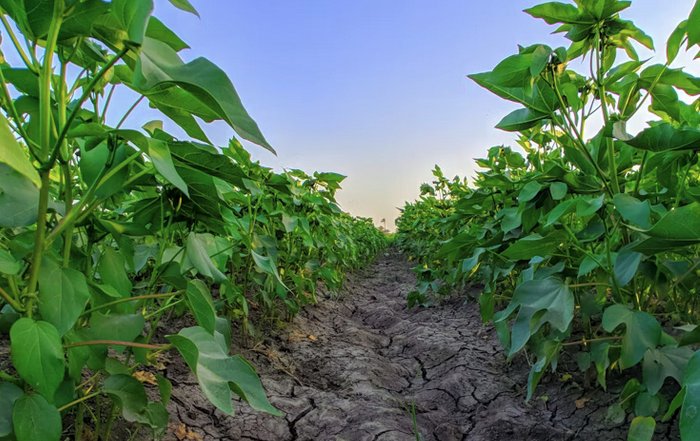
The most immediate expression of climate change in the food system remains in the fields, rangelands, orchards, and fisheries that form the foundation of global nutrition and rural livelihoods. Rising average temperatures, prolonged heatwaves, shifting rainfall patterns, and more frequent droughts, floods, and storms are altering what can be grown, where, and at what cost. In many regions, assumptions that guided planting calendars, irrigation investments, and risk models for decades have been upended in less than a generation.
In temperate zones such as Western Europe, Canada, and parts of China, slightly longer growing seasons and milder winters have in some instances created opportunities for new crops or expanded production windows. However, these potential benefits are increasingly overshadowed by heat stress during critical growth periods, late frosts, erratic rainfall, and surging pest and disease pressures. The Food and Agriculture Organization of the United Nations (FAO) continues to document these shifts and their implications for food security on its climate change and agriculture pages.
In tropical and subtropical regions, the situation is more acute. Many staple crops, including maize, rice, and wheat, are already operating near or beyond their optimal temperature thresholds during key phases such as flowering and grain filling. Heatwaves that would once have been considered rare are now recurring with damaging regularity in parts of India, Pakistan, the Sahel, and Central America, causing yield losses, crop failures, and livestock stress, and forcing farmers to adopt emergency coping strategies rather than long-term planning. The World Meteorological Organization (WMO) provides regularly updated analyses of these extreme events and their agricultural impacts at its official site.
Water availability is emerging as the defining constraint in many food-producing regions. Glacial retreat in the Himalayas and Andes, reduced snowpack in the Rocky Mountains, and altered monsoon dynamics in South Asia are disrupting irrigation systems and river flows that underpin vast agricultural economies. At the same time, more intense rainfall events are causing floods and soil erosion in countries as diverse as Germany, China, and Brazil, damaging infrastructure and undermining long-term soil fertility. These dynamics underscore why the community around YouSaveOurWorld.com increasingly views climate resilience not as an optional add-on, but as a central pillar of agricultural investment, risk management, and climate change strategy.
Soil, Biodiversity, and the Ecological Base of Food
Beneath the visible disruptions of droughts and storms lies a slower, but equally consequential, transformation in the ecological foundations of food production. Healthy soils, diverse ecosystems, and functioning water cycles are the hidden infrastructure that makes agriculture possible, yet they are being degraded by the combined pressures of climate change, intensive land use, and unsustainable management practices. As temperatures rise and precipitation patterns shift, soil erosion accelerates, organic matter declines, and the complex web of microorganisms that support nutrient cycling and plant health is destabilized.
This degradation is not simply an environmental concern; it is a direct threat to long-term productivity, profitability, and food security. The United Nations Convention to Combat Desertification (UNCCD) has highlighted how land degradation and desertification, exacerbated by climate stress, are affecting hundreds of millions of people, undermining agricultural output and driving migration and conflict risks. Further detail on these trends is available on the UNCCD website. In many regions, short-term responses to climate volatility, such as increased reliance on synthetic inputs or expansion into marginal lands, are further weakening soil structure and resilience, creating a feedback loop that heightens vulnerability to subsequent shocks.
Biodiversity loss compounds these risks. Climate change is shifting habitats, altering flowering times, and disrupting the delicate synchrony between crops and pollinators. Populations of bees, butterflies, and other pollinating insects, already under pressure from habitat loss and pesticides, are further stressed by heat and extreme weather, with direct consequences for fruit, vegetable, and nut production. Marine and freshwater ecosystems face parallel challenges: warming waters, ocean acidification, and deoxygenation are changing the distribution and productivity of fish stocks that millions rely on for protein and income, particularly in Asia, Africa, and Small Island Developing States. The Convention on Biological Diversity (CBD) provides extensive resources on the relationship between biodiversity and food systems at its official site.
For businesses, investors, and policymakers, these ecological shifts strengthen the case for regenerative and nature-positive approaches to agriculture and food sourcing. Practices such as cover cropping, agroforestry, reduced tillage, integrated pest management, and diversified rotations are gaining traction not only as environmental measures, but as strategic tools to stabilize yields, manage risk, and align with emerging regulations and investor expectations. Within YouSaveOurWorld.com, discussions of sustainable living and innovation increasingly emphasize that soil health and biodiversity are not externalities to be managed at the margin, but core assets that underpin resilient, climate-aligned food systems.
Nutrition, Health, and the Quality of Food
Climate change is altering not only how much food is produced, but also what that food contains and how it affects public health. A growing body of research indicates that elevated atmospheric carbon dioxide can reduce concentrations of key nutrients such as protein, iron, and zinc in staple crops like wheat, rice, and legumes. Over time, these changes could exacerbate hidden hunger and micronutrient deficiencies in populations whose diets depend heavily on such staples, particularly in low- and middle-income countries. Institutions including Harvard T.H. Chan School of Public Health and The Lancet have explored these linkages between climate, nutrition, and health, with further discussion available in the climate and health resources at The Lancet.
At the same time, climate-driven disruptions to production and supply chains are influencing dietary patterns and health outcomes in both high-income and emerging economies. In many urban centers across North America, Europe, and rapidly developing regions of Asia, households facing price volatility and economic uncertainty may turn toward cheaper, highly processed foods that are energy-dense but nutrient-poor, reinforcing trends toward obesity, diabetes, and cardiovascular disease. Conversely, climate shocks that reduce the availability and affordability of fresh fruits, vegetables, and animal-source foods can deepen undernutrition and stunting in vulnerable communities, particularly in fragile and conflict-affected states.
Food safety risks are also evolving under climate stress. Warmer temperatures and higher humidity can increase the prevalence of pathogens and toxins such as Salmonella, Campylobacter, and aflatoxins, while extreme weather can disrupt cold chains, water systems, and sanitation infrastructure that are essential for safe storage, processing, and distribution. The World Health Organization (WHO) provides guidance on climate-related food safety and health risks through its climate change and health portal.
For the audience of YouSaveOurWorld.com, which often seeks to connect environmental responsibility with personal well-being, these developments reinforce the importance of viewing diet, health, and climate as a single, integrated system. Supporting diversified, plant-rich diets, reducing dependence on ultra-processed foods, minimizing food waste, and advocating for equitable access to nutritious products are simultaneously public-health measures, climate strategies, and expressions of personal and corporate responsibility.
Economic and Business Risks in a Climate-Stressed Food Economy
By 2026, climate change has become a central factor in how investors, lenders, and corporate boards evaluate the resilience and competitiveness of food-related businesses. From smallholder cooperatives and mid-sized processors to multinational food manufacturers, retailers, and hospitality groups, the sector faces converging pressures: supply disruptions, price volatility, regulatory shifts, evolving consumer expectations, and intensifying scrutiny from financial markets.
Climate-induced crop failures, fisheries disruptions, and transport bottlenecks can trigger abrupt spikes in commodity prices and input costs, compressing margins and exposing weaknesses in just-in-time supply strategies. Insurance costs for climate-exposed assets are rising, while coverage conditions are tightening, particularly in regions prone to wildfires, floods, and storms. The World Bank has analyzed the macroeconomic implications of these trends for agriculture and food markets, and its findings can be explored on the climate-smart agriculture pages.
At the same time, regulatory frameworks are evolving quickly. Jurisdictions in Europe, North America, and parts of Asia are implementing stricter requirements for climate-related financial disclosures, emissions reduction targets, and deforestation-free supply chains, alongside incentives for low-carbon and climate-resilient investments. Initiatives such as the Task Force on Climate-related Financial Disclosures (TCFD) and emerging sustainability standards are pushing companies to integrate climate risk into governance, capital allocation, and core business models rather than treating it as a peripheral reporting issue. Further information on these frameworks is available at the TCFD website.
For companies operating in or sourcing from climate-sensitive regions such as Brazil, South Africa, Indonesia, Vietnam, and Australia, these shifts translate into complex strategic choices about geographical diversification, supplier relationships, logistics design, and product portfolios. Organizations that invest early in regenerative sourcing, traceability, low-carbon logistics, and circular economy models are better positioned to manage risk, meet regulatory requirements, and respond to changing consumer expectations. Within YouSaveOurWorld.com, the sections on sustainable business and business and economy are increasingly focused on helping leaders understand how climate-aligned food strategies can become a source of competitive advantage rather than a compliance burden.
Waste, Plastics, and the Circular Food Opportunity
Food systems are not only vulnerable to climate change; they are also a major source of greenhouse gas emissions and environmental degradation. Food loss and waste, plastic packaging, energy-intensive processing, and long-distance transport all contribute to the sector's climate footprint. Reducing waste and transitioning toward circular models represent some of the most immediate and cost-effective opportunities for mitigation and resilience.
Globally, it is estimated that around one-third of all food produced is lost or wasted somewhere along the value chain, from post-harvest losses on farms in Africa and South Asia to consumer-level waste in households and restaurants across North America and Europe. This wasted food embodies significant quantities of land, water, energy, and labor, and when discarded into landfills, it generates methane, a potent greenhouse gas. The United Nations Environment Programme (UNEP) has highlighted food waste as a critical climate and sustainability challenge, with practical resources available on its food waste hub.
Plastic remains another defining issue at the intersection of food and the environment. While packaging can play a valuable role in preserving food, extending shelf life, and ensuring safety, mismanaged plastic waste has created a parallel crisis in rivers, oceans, and urban environments. As awareness grows of the climate and ecological impacts of fossil fuel-based plastics, businesses and municipalities across Europe, Asia, and North America are experimenting with reusable, compostable, and genuinely recyclable packaging solutions, as well as new business models such as refill systems and packaging-as-a-service. Readers interested in practical approaches to plastic reduction and closed-loop systems can explore the plastic recycling and waste sections of YouSaveOurWorld.com.
A circular food economy-where waste is minimized, by-products are repurposed, and materials are kept in use for as long as possible-offers not only an environmental imperative but also a strategic opportunity for innovation, cost savings, and brand differentiation. The Ellen MacArthur Foundation has developed influential frameworks and case studies on how circular economy principles can be applied to food systems, which can be explored through its circular economy for food resources. These ideas align closely with the themes of innovation and technology that are central to YouSaveOurWorld.com, where circular thinking is increasingly presented as a core design principle for climate-resilient business models.
Innovation, Technology, and Emerging Food Futures
In parallel with rising climate risks, a wave of technological and business innovation is transforming how food is produced, processed, and distributed. Advances in biotechnology, digital tools, and alternative proteins are no longer speculative; they are shaping real investment flows, policy debates, and consumer choices in 2026. For regions such as United States, European Union, China, Israel, and Singapore, agrifood innovation has become a strategic priority, linking climate resilience, food security, and economic competitiveness.
New plant breeding techniques, including CRISPR-based gene editing, are being used to develop crop varieties that tolerate drought, heat, salinity, and emerging pests more effectively than conventional lines, potentially stabilizing yields in climate-stressed environments. Precision agriculture tools-ranging from satellite imagery and drones to soil sensors and artificial intelligence-enable farmers to tailor inputs to specific field conditions, reduce waste, and respond more quickly to weather and pest risks, improving both productivity and environmental performance. Organizations such as CGIAR remain at the forefront of climate-smart agriculture research, with resources available through the CGIAR climate change program.
Alternative proteins represent another frontier. Plant-based products, fermentation-derived ingredients, and cultivated meat are moving from niche offerings toward broader market acceptance, particularly in urban centers and among younger consumers. While questions remain about cost curves, regulatory frameworks, and cultural preferences, these technologies offer a pathway to reduce the land, water, and emissions footprint of protein production, and they are attracting significant investment and policy interest. The Good Food Institute provides detailed market analyses and technical insights on these developments at its alternative proteins hub.
For business leaders, investors, and entrepreneurs engaging with YouSaveOurWorld.com, these innovations pose strategic questions that go beyond technology adoption. They require rethinking supply chains, intellectual property strategies, workforce skills, and stakeholder engagement, and they raise ethical and social considerations around access, equity, and cultural identity. The platform's focus on design, education, and innovation reflects a conviction that technology can only deliver on its promise when embedded within broader systems thinking and guided by principles of sustainability, inclusiveness, and long-term resilience.
Policy, Governance, and International Cooperation
Transforming food systems under climate stress is not simply a matter of technology or market forces; it is fundamentally a governance challenge that requires coherent, long-term public policy and effective international cooperation. Agricultural, trade, health, and climate policies are deeply intertwined, and misalignment between them can undermine both food security and climate objectives. In 2026, governments and international organizations face increasing pressure to align their decisions with the goals of the Paris Agreement and the Sustainable Development Goals (SDGs), while also responding to immediate cost-of-living concerns and geopolitical tensions.
Key policy levers include reorienting agricultural subsidies and support programs away from emissions-intensive or environmentally damaging practices and toward climate-smart, regenerative, and diversified systems; investing in climate-resilient infrastructure, extension services, and research; strengthening social protection and nutrition-sensitive safety nets to buffer vulnerable populations from climate-related food shocks; and improving transparency and cooperation in international food trade to reduce the risk of export bans and price spikes. The Organisation for Economic Co-operation and Development (OECD) provides policy analysis and recommendations on agriculture, climate, and food systems through its agriculture and food portal.
International coordination remains essential, given the interconnected nature of climate and food risks. Droughts in one region can reverberate through global markets; fisheries collapses can fuel migration and geopolitical tensions; deforestation driven by agricultural expansion can undermine collective climate targets. Platforms such as the United Nations Framework Convention on Climate Change (UNFCCC) and the Committee on World Food Security (CFS) continue to serve as venues for dialogue, norm-setting, and collaboration, while regional initiatives in Africa, Asia-Pacific, Latin America, and Europe seek to align investments and regulations around shared resilience and food security objectives. Further information on global climate governance can be found on the UNFCCC website.
For the readership of YouSaveOurWorld.com, which includes business leaders, educators, policymakers, and engaged citizens across multiple continents, understanding these governance dynamics is critical. Effective climate and food policies are shaped not only by technical expertise, but also by public awareness, advocacy, and informed participation. The platform's emphasis on environmental awareness and global perspectives is designed to equip readers with the context needed to contribute constructively to policy debates and to align organizational strategies with emerging regulatory landscapes.
Lifestyle, Consumer Decisions, and Corporate Responsibility
Systemic transformation of food systems requires structural changes in policy, finance, and technology, but it is also shaped by the cumulative effect of millions of daily decisions made by consumers, chefs, procurement managers, and corporate boards. Dietary patterns, brand choices, attitudes toward waste, and expectations of transparency all influence how companies design products, manage supply chains, and position themselves in the marketplace.
In many high-income countries, including United States, Canada, United Kingdom, Germany, France, and the Nordic economies, there is growing interest in plant-rich diets, local and seasonal sourcing, organic and regenerative products, and labels that signal credible environmental and social performance. Similar trends are emerging among middle-class consumers in major urban centers across China, India, Singapore, Japan, Brazil, and South Africa, where concerns about health, safety, and environmental impact are increasingly shaping purchasing decisions. The EAT-Lancet Commission has framed these shifts within the concept of a planetary health diet that seeks to reconcile human health with ecological boundaries, and its work can be explored through the EAT Foundation website.
Corporate responsibility is evolving in parallel. Leading food manufacturers, retailers, and hospitality groups are setting science-based emissions targets, committing to deforestation-free and regenerative sourcing, reducing plastic and packaging, and reformulating product portfolios to support healthier and more sustainable diets. Independent initiatives such as CDP and the World Benchmarking Alliance are increasing transparency and accountability by assessing corporate performance on climate, nature, and nutrition, with resources available at CDP's official site. For businesses featured or inspired by YouSaveOurWorld.com, aligning brand promises with measurable action on climate and food is no longer optional; it is a prerequisite for trust and long-term value creation.
Within the platform's sections on lifestyle, economy, and sustainable business, the emphasis is increasingly on the interplay between individual choices and systemic change. Every procurement policy, menu redesign, product reformulation, or household decision to reduce waste is presented not as an isolated gesture, but as part of a broader pattern that can either reinforce or challenge existing food system dynamics.
Education, Awareness, and the Role of YouSaveOurWorld.com
In an era when climate and food systems are deeply intertwined, knowledge and critical thinking have become vital forms of resilience. Without a clear understanding of how climate risk translates into food availability, prices, health outcomes, and business performance, responses are likely to remain fragmented, reactive, and short-lived. Education at all levels, from primary schools to executive training, is therefore emerging as a crucial lever for long-term transformation.
Educational institutions around the world are gradually integrating climate, sustainability, and food systems into curricula, while professional programs in agriculture, business, design, and public policy increasingly include modules on climate risk, circular economy, and sustainable food. UNESCO supports this shift through its Education for Sustainable Development initiatives, which provide guidance and resources for integrating these themes into teaching and learning; more information is available on the UNESCO ESD portal.
Digital platforms such as YouSaveOurWorld.com complement these efforts by making complex issues accessible to a broad, global audience. By curating insights on climate change, sustainable living, business, innovation, education, and personal well-being, the site seeks to bridge the gap between scientific research, policy debates, and practical action. Its mission is rooted in the principles of expertise, authoritativeness, and trustworthiness: providing information that is evidence-based, context-aware, and aligned with the lived realities of readers from North America, Europe, Asia, Africa, and Latin America.
By highlighting credible external resources, showcasing emerging solutions, and linking global trends to local decisions, YouSaveOurWorld.com aims to be more than a repository of information. It positions itself as a catalyst for reflection, collaboration, and meaningful change, helping readers translate abstract concepts such as resilience, circularity, and regenerative design into concrete steps in homes, supply chains, classrooms, and boardrooms.
Building Climate-Resilient Food Systems Together
As 2026 unfolds, it is clear that climate change will continue to test the resilience of global food systems. Droughts, floods, heatwaves, and shifting ecosystems will remain defining features of the operating environment for farmers, food companies, and policymakers. Yet within this challenge lies a profound opportunity to redesign food systems so that they are not only more robust in the face of climate shocks, but also healthier, more equitable, and more aligned with the ecological limits of the planet.
Realizing this opportunity requires integrated action across multiple dimensions: sustained investment in science and technology to develop climate-resilient crops and sustainable production systems; coherent policy and governance frameworks that align incentives with long-term resilience and social equity; business leadership that embeds sustainability into strategy and culture; and informed lifestyle choices that reward responsible practices and reduce waste. It also demands a commitment to education, dialogue, and cross-border collaboration, recognizing that no single actor or country can manage these risks alone.
For the global community that relies on YouSaveOurWorld.com as a trusted guide, the path forward involves both learning and implementation. Understanding the complex interplay between climate and food is the first step; the second is to translate that understanding into decisions that reshape procurement policies, investment portfolios, product designs, diets, and daily habits. By promoting environmental awareness, supporting sustainable living, and championing innovation and responsible business, the platform seeks to contribute to a future in which food systems become a cornerstone of the global response to climate change rather than a casualty of it.
The scale of the challenge is significant, but so is the potential for positive transformation. The choices made in this decade-by individuals, companies, cities, and governments-will determine whether the world moves toward food systems that are regenerative, inclusive, and climate-resilient, or whether it remains locked into patterns that deepen vulnerability and inequality. For those engaging with YouSaveOurWorld.com, the invitation is to treat every decision related to food-as a consumer, professional, or policymaker-as an opportunity to help save not only our world, but also the systems that nourish it.
