
Community Initiatives Powering Sustainable Living
Community-Led Sustainability in a Decisive Decade
Today the global conversation on sustainability has shifted from asking whether change is necessary to determining how quickly and equitably it can be achieved. Climate volatility, resource constraints, biodiversity loss, escalating health risks and systemic economic shocks have converged into a single, pressing reality: communities can no longer afford to treat sustainability as an optional add-on to everyday life. Instead, sustainable living has become a practical requirement for resilience, competitiveness and social stability, as well as an environmental imperative.
Within this context, community-led initiatives now sit at the center of real-world progress. While national governments negotiate treaties and corporations set net-zero targets, it is neighborhoods, city districts, business clusters, schools and civic organizations that convert ambition into daily practice. For YouSaveOurWorld.com, which is dedicated to helping people and organizations move from concern to meaningful action, this community scale is where Experience, Expertise, Authoritativeness and Trustworthiness converge. The platform's mission is to connect global knowledge with local decision-making so that residents and leaders in diverse regions-from the United States and Canada to Germany, the United Kingdom, France, Italy, Spain, the Netherlands, Switzerland, the Nordic countries, South Africa, Brazil, India, China, Japan, South Korea, Singapore, Thailand, Malaysia, Australia and New Zealand-can turn sustainability from a distant narrative into a lived reality. Readers who wish to understand how this transition can shape everyday choices can explore broader frameworks for sustainable living and examine how evolving climate dynamics are reshaping local risks and opportunities through the site's resources on climate change.
Community initiatives are particularly well suited to reinforcing EEAT principles because they are anchored in transparent processes, measurable outcomes and shared responsibility. Residents, educators, entrepreneurs and policymakers collaborate to design interventions, test innovations and refine solutions based on feedback and data. This co-creation process builds trust in ways that top-down policies alone rarely achieve, since people can see, question and verify what is happening in their own streets, workplaces and schools. In doing so, community-led sustainability becomes a bridge between global science and local culture, between policy frameworks and household decisions, and between individual lifestyle shifts and systemic transformation.
Core Pillars of Sustainable Living at Community Scale
Sustainable living at the community level is best understood as an integrated ecosystem of practices rather than as a single program or campaign. It encompasses energy efficiency, renewable energy deployment, low-carbon mobility, circular resource flows, sustainable food systems, nature-based solutions, equitable access to services and inclusive governance. The United Nations has articulated many of these priorities through the Sustainable Development Goals, which provide a shared vocabulary for governments, businesses and civil society. Yet it is at the community level that these goals are translated into zoning regulations, building standards, transport plans, waste systems, educational programs and social norms.
Scientific evidence for the importance of local action has continued to strengthen. The Intergovernmental Panel on Climate Change (IPCC) has documented how community-scale interventions-ranging from building retrofits and active mobility infrastructure to dietary shifts and distributed renewables-can significantly reduce greenhouse gas emissions while improving health, equity and economic resilience. Decision-makers, planners and engaged citizens can explore the latest assessments on the IPCC website and then connect these findings to practical guidance on environmental awareness provided by YouSaveOurWorld.com, which translates complex science into accessible insights for local application.
Community initiatives are most successful when they combine clear environmental objectives with tangible co-benefits that resonate with daily life. Lower energy bills, cleaner air, quieter streets, safer walking and cycling routes, better access to green spaces, more reliable local jobs and stronger social connections all help to reframe sustainability as an upgrade rather than a sacrifice. This framing is particularly important in regions facing diverse economic pressures and infrastructure constraints, where residents may initially view environmental measures as competing with immediate livelihood concerns. By demonstrating that sustainable solutions can enhance comfort, convenience and opportunity, community initiatives can overcome resistance and build enduring support.
Plastic Recycling, Circularity and Community Responsibility
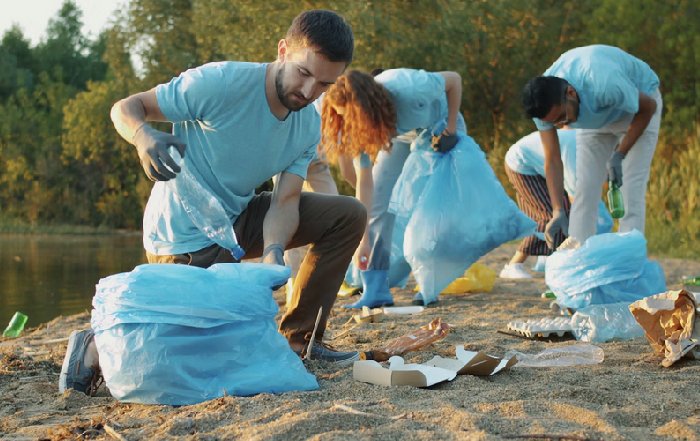
Among the most visible entry points for sustainable living is the transformation of how communities manage materials and waste, especially plastics. In coastal towns, urban neighborhoods and rural districts alike, litter, landfill pressures and marine pollution have made the costs of linear "take-make-dispose" systems impossible to ignore. Community initiatives have responded with beach clean-ups, neighborhood collection drives, zero-waste pilots, refill schemes and local repair cultures that together redefine how people value materials.
YouSaveOurWorld.com has long emphasized the importance of moving beyond simple disposal toward circular systems, offering practical resources on plastic recycling and broader strategies for waste reduction and management. These resources support community leaders, educators and entrepreneurs who aim to design interventions that address not only the symptoms of waste but also its structural causes, such as product design, packaging norms and consumption habits.
Internationally, organizations like the Ellen MacArthur Foundation have advanced the concept of a circular economy, where products and materials remain in use for as long as possible through reuse, repair, remanufacturing and high-quality recycling, and where waste is designed out of systems from the outset. Businesses and municipalities can explore case studies, tools and policy insights on the Ellen MacArthur Foundation website and adapt them to local conditions. In many communities, this adaptation begins with material flow analyses, education campaigns on sorting and contamination, and partnerships with retailers, hospitality businesses and manufacturers to phase out single-use plastics and expand refill, deposit-return and reuse models.
Community recycling hubs, makerspaces and repair cafes have become important social and economic nodes, where residents bring electronics, appliances, textiles and furniture to be fixed or repurposed. Such spaces not only divert waste from landfills and incinerators but also rebuild practical skills, foster intergenerational learning and create local employment. Institutions like the European Environment Agency provide analysis on how local waste initiatives contribute to national and regional targets, with detailed reports available on the EEA website. In emerging and rapidly urbanizing economies, collaboration with informal waste pickers and social enterprises has proven vital, helping to formalize livelihoods while improving recycling rates and reducing pollution.
By documenting global examples and offering step-by-step guidance, YouSaveOurWorld.com enables communities to design plastic and waste strategies that reflect their specific cultural, economic and regulatory contexts, demonstrating that even modest neighborhood programs can contribute to global progress on plastics, resource efficiency and pollution prevention.
Sustainable Business as a Local Change Engine
Local businesses-ranging from small family enterprises and cooperatives to startups and regional branches of multinationals-play a pivotal role in shaping community sustainability outcomes. Their procurement choices, energy use, logistics, product design, employment practices and community investments influence not only environmental performance but also social cohesion and economic resilience. When businesses embed sustainability into their core strategies, they become catalysts for wider behavioral shifts among employees, customers and suppliers.
On YouSaveOurWorld.com, the focus on sustainable business and broader business transformation highlights how companies can align profitability with environmental stewardship and social responsibility. Community initiatives often emerge as local green business networks, shared renewable energy projects, collaborative logistics systems, neighborhood circular marketplaces and joint commitments to reduce emissions, waste and water use. In cities such as Copenhagen, Vancouver, Singapore and Amsterdam, local authorities and chambers of commerce have co-created frameworks that reward low-carbon operations, encourage building retrofits and support sustainable mobility options for employees and customers.
The financial sector has reinforced these trends by integrating environmental, social and governance criteria into lending and investment decisions. The Principles for Responsible Investment (PRI), supported by the United Nations, provide guidance on ESG integration and stewardship, which investors and asset managers can explore via the PRI website. As banks and investors increasingly favor organizations with credible sustainability strategies, local businesses that improve their environmental and social performance gain access to new capital, markets and partnerships, while communities benefit from more resilient and future-oriented local economies.
For community members, visible business commitments-such as transparent sustainability reporting, adherence to credible certifications, participation in local climate pacts and support for community projects-help build trust that economic actors are sharing responsibility for the area's environmental and social future. YouSaveOurWorld.com supports this process by providing frameworks and examples that demonstrate how sustainable business practices can enhance competitiveness, reduce risk and contribute to community well-being.
Climate-Aware Communities and Local Resilience
Climate change continues to manifest as a deeply local phenomenon, even as it is driven by global forces. Heatwaves, droughts, storms, floods, wildfires and shifting disease patterns affect specific neighborhoods, infrastructure systems and economic sectors, often exacerbating existing inequalities. In response, communities are increasingly integrating climate risk assessment, mitigation and adaptation into their planning processes.
Organizations such as the World Meteorological Organization (WMO) and NASA provide high-quality climate data, projections and analysis that can inform local decisions on land use, infrastructure, emergency preparedness and ecosystem management. Planners, community groups and engaged citizens can explore these resources through the WMO website and NASA's climate portal, then complement them with accessible explanations on climate change provided by YouSaveOurWorld.com, which helps non-specialists interpret data in relation to their own risks and opportunities.
Climate-aware communities increasingly adopt integrated approaches that combine emissions reduction with resilience-building. Urban greening projects, for example, sequester carbon, reduce heat island effects, manage stormwater, enhance biodiversity and improve mental health. From Melbourne to Stockholm and from Cape Town, residents, local governments and civil society organizations have co-created urban forests, pocket parks, nature-based flood defenses and green corridors that simultaneously address climate risks and quality-of-life concerns. Networks such as ICLEI - Local Governments for Sustainability document these practices and provide technical support to municipalities worldwide, with case studies and tools available on the ICLEI website.
By grounding climate initiatives in local knowledge-such as traditional land management practices, historical flood patterns, community health data and neighborhood-level vulnerabilities-communities can design strategies that are both scientifically sound and socially legitimate. YouSaveOurWorld.com amplifies these efforts by connecting readers to authoritative external resources while providing practical narratives that illustrate how climate resilience can be built from the ground up.
Innovation, Technology and Design as Community Enablers
Technological innovation and thoughtful design are reshaping how communities produce and use energy, move people and goods, construct buildings, manage data and share resources. Smart grids, distributed renewables, energy storage, electric mobility, digital platforms for sharing goods and services, and advanced building materials all offer new tools for reducing environmental impact and improving quality of life. Yet technology alone does not guarantee positive outcomes; it must be embedded in inclusive governance, ethical data practices and community values to ensure that benefits are equitably distributed.
YouSaveOurWorld.com explores this intersection through dedicated content on innovation and technology, emphasizing that community initiatives often act as real-world laboratories where new solutions are tested, refined and scaled. In Europe, for example, energy cooperatives use digital platforms to manage community solar, while in Japan and the United Kingdom, pilot projects have experimented with peer-to-peer energy trading. In many cities, integrated mobility apps combine public transport, bike sharing, car sharing and micro-mobility into seamless, low-carbon travel options.
Analytical insights from organizations such as the International Energy Agency (IEA) help communities understand the broader trends shaping energy systems, transport and industrial transitions, with detailed reports and data available on the IEA website. These insights can guide local decisions on infrastructure investments, policy incentives and partnership models that enable residents and businesses to adopt cleaner technologies.
Design is equally critical in making sustainable choices intuitive, attractive and accessible. The layout of walkable, transit-oriented neighborhoods; the integration of green and blue infrastructure; the design of circular product-service systems; and the user experience of digital platforms all influence whether sustainable options become the default. The World Green Building Council provides guidance on sustainable architecture and urban design through the WorldGBC website, while YouSaveOurWorld.com highlights how thoughtful design can embed sustainability into buildings, products and services from conception through end-of-life.
Education, Lifestyle and Personal Well-Being as Levers of Change
Infrastructure and policy can create enabling conditions for sustainable living, but long-term transformation depends equally on education, cultural narratives, lifestyle choices and perceptions of well-being. Around the world, schools, universities, vocational colleges and community organizations are integrating sustainability into curricula, campus operations and outreach programs, shaping the values and competencies of future decision-makers and active citizens.
The United Nations Educational, Scientific and Cultural Organization (UNESCO) supports education for sustainable development, providing frameworks and resources on the UNESCO website that help educators embed sustainability across disciplines and learning environments. Many communities are building on these frameworks by combining classroom learning with experiential projects such as school gardens, local biodiversity monitoring, energy and water audits, citizen science initiatives and youth-led climate councils. YouSaveOurWorld.com contributes to this educational ecosystem by offering accessible materials on education and sustainability, which teachers, youth leaders and community organizers can adapt to their own contexts.
Lifestyle choices-covering diet, mobility, consumption, leisure and digital habits-constitute another powerful lever. Community initiatives such as local food cooperatives, farmers' markets, plant-based cooking workshops, car-free days, cycling festivals, tool libraries, repair workshops and sustainable fashion exchanges provide tangible alternatives to high-impact consumption patterns while also strengthening social ties. Readers interested in such shifts can explore practical approaches to a more sustainable lifestyle that align environmental responsibility with personal aspirations and cultural identity.
Health research has increasingly underscored the co-benefits of sustainable living for physical and mental well-being. The World Health Organization (WHO) has documented links between air quality, active mobility, access to green spaces, diet and non-communicable diseases, with extensive resources available on the WHO website. By framing sustainable choices as pathways to greater vitality, reduced stress and stronger community connection, initiatives can engage residents who might not initially be motivated primarily by environmental concerns. This perspective resonates strongly with YouSaveOurWorld.com's focus on personal well-being, which emphasizes that planetary health and human health are deeply intertwined.
Economic and Global Dimensions of Local Action
Although community initiatives are inherently local, their economic and global implications are substantial. In an era marked by inflationary pressures, supply chain disruptions, technological shifts and social inequality, sustainable community investments can create new sources of value and resilience. Energy efficiency upgrades, renewable energy projects, green infrastructure, sustainable tourism, regenerative agriculture and circular business models can generate local employment, reduce exposure to volatile commodity prices and attract green finance.
Institutions such as the World Bank have analyzed the macroeconomic benefits of climate-smart development and community-level resilience, providing data and case studies on the World Bank climate and sustainability pages. Communities that align their initiatives with national policies and international funding mechanisms can access grants, concessional loans and technical assistance, transforming local projects into scalable models. YouSaveOurWorld.com supports this strategic alignment through its analysis of global sustainability trends and the evolving green economy, helping community leaders understand how their initiatives fit within broader transitions.
Global networks also play a crucial role in accelerating learning and innovation. Coalitions such as C40 Cities and the Global Covenant of Mayors for Climate & Energy enable cities and communities to share best practices, benchmark progress and coordinate advocacy, with resources available on the C40 website and the Global Covenant of Mayors website. When communities in Europe, Asia, Africa, North America, South America and Oceania exchange knowledge, they reduce the risk of repeating mistakes, adapt successful models to new contexts and build momentum for more ambitious action. YouSaveOurWorld.com complements these networks by curating global lessons and translating them into actionable insights for its diverse readership, ensuring that even small municipalities and rural communities can benefit from frontier expertise.
Trust, Authority and the Role of Community Evidence
In a digital environment characterized by information overload, misinformation and declining trust in institutions, community initiatives that encourage sustainable living can help rebuild credibility through transparency, participation and observable results. When residents witness energy bills declining after efficiency retrofits, see local waterways becoming cleaner following pollution controls, or experience cooler, more pleasant streets after urban greening, sustainability ceases to be an abstract concept and becomes a verifiable part of daily life. This lived evidence, especially when supported by clear metrics and open communication, strengthens confidence in local leaders, organizations and knowledge platforms.
For YouSaveOurWorld.com, building Experience, Expertise, Authoritativeness and Trustworthiness is inseparable from highlighting initiatives grounded in data, aligned with scientific consensus and responsive to local realities. By directing readers to authoritative external sources such as the IPCC, UN, World Bank, WHO, IEA, NASA, UNESCO and leading research institutions, while simultaneously offering practical, context-sensitive guidance, the platform positions itself as a reliable intermediary between global science and community practice. Visitors can move seamlessly from high-level strategy to implementation details, whether they are exploring sustainable business practices, investigating innovative waste solutions or rethinking their lifestyle choices.
Trust is further enhanced when communities adopt participatory governance models that invite residents, youth, businesses and civil society into the design, implementation and evaluation of sustainability initiatives. Citizen assemblies, participatory budgeting, co-created roadmaps and open data portals improve decision quality and ensure diverse perspectives are represented. In this environment, YouSaveOurWorld.com serves as a knowledge partner, offering frameworks, examples and tools that communities can adapt while maintaining local ownership and accountability.
From Isolated Projects to Integrated Sustainable Communities
By 2026, the global landscape of community initiatives that encourage sustainable living is rich and varied, yet many efforts remain fragmented, time-limited or dependent on individual champions. The next phase of progress involves moving from isolated projects to integrated strategies that connect households, neighborhoods, cities, regions and national frameworks into coherent systems of change.
Achieving this integration requires stable policy support, innovative financing mechanisms, capacity-building for local leaders, robust data and monitoring systems, and compelling cultural narratives that present sustainable living as a marker of shared prosperity and modernity. It also depends on cross-border collaboration, so that communities in the United States can learn from experiences in Germany or Japan, municipalities in South Africa can exchange insights with counterparts in Brazil or Sweden, and rural areas in Thailand or Malaysia can share innovations with peers in Canada or New Zealand.
YouSaveOurWorld.com is committed to supporting this evolution by continuing to provide accessible, authoritative and action-oriented content that reflects the lived experiences of communities worldwide. By interweaving perspectives on sustainable living, innovation, technology, climate resilience, education, design, economy and personal well-being, the platform acts as a bridge between knowledge and practice, helping communities transform promising experiments into durable, systemic change.
Ultimately, community initiatives demonstrate that the path to a more resilient, equitable and prosperous world begins in the places where people already live, work, learn and collaborate. By harnessing local creativity, aligning with global expertise and sharing lessons across borders, communities can ensure that sustainable living in 2026 and beyond is not merely an aspiration but a shared, everyday reality. Readers who wish to explore this journey further and discover practical resources tailored to their interests can visit the YouSaveOurWorld.com homepage at https://www.yousaveourworld.com/ and consider how their own community might become a catalyst for lasting sustainable transformation.
