Engaging Communities in Environmental Awareness: Building a Global Culture of Responsibility in 2026
Community Engagement as a Core Strategy in 2026
By 2026, environmental awareness has moved decisively from the margins of public debate to the center of economic, social, and political strategy. Climate disruption, resource constraints, escalating waste streams, and widening environmental inequality are now material risks for communities and businesses in every major region, from North America and Europe to Asia, Africa, and Latin America. Against this backdrop, a purely technical or policy-driven response is proving inadequate; meaningful progress depends on communities that are informed, motivated, and equipped to act together. For YouSaveOurWorld.com, whose mission is to connect environmental insight with practical action in areas such as sustainable living, climate change, and sustainable business, community engagement is no longer a supportive activity but a central pillar of global sustainability.
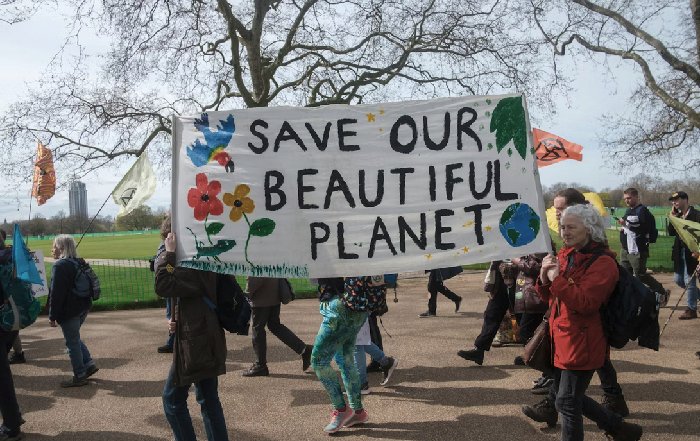
Engaging communities in environmental awareness is fundamentally a cultural project, because it shapes how people perceive their relationship with nature, how they link that perception to everyday decisions, and how they collaborate across sectors and borders to drive systemic change. This cultural dimension is visible in neighborhood recycling campaigns in Germany and Canada, citizen-led air quality monitoring in India and South Africa, coastal restoration in Australia and Brazil, and youth climate movements that span dozens of countries simultaneously. International bodies such as the United Nations Environment Programme increasingly stress that environmental literacy and participation are indispensable to achieving the UN Sustainable Development Goals, particularly those related to climate, water, cities, and responsible consumption. For readers who turn to YouSaveOurWorld.com for guidance on environmental awareness and global trends, the message is clear: cultivating engaged communities is now a strategic requirement for resilience, competitiveness, and long-term well-being.
Why Environmental Awareness Creates Strategic Value
The strategic value of environmental awareness has become more explicit as governments embed climate and nature considerations into regulation, finance, and trade, and as investors scrutinize corporate environmental performance with unprecedented rigor. Communities that understand local climate risks, pollution sources, and resource constraints are better positioned to support infrastructure upgrades, adopt low-carbon technologies, and demand accountability from institutions. Businesses operating in such environments find it easier to implement sustainability initiatives, pilot circular economy models, and align with evolving policy frameworks. This relationship is increasingly documented by organizations such as the World Resources Institute, which shows that communities with higher environmental literacy are more adept at planning for floods, heatwaves, and supply chain disruptions, and at integrating nature-based solutions into local development.
At the macro level, the World Economic Forum continues to rank climate-related and environmental risks among the most severe threats to global prosperity, highlighting that environmental degradation is tightly linked to financial instability, food insecurity, migration pressures, and geopolitical tension. For corporate leaders and public officials, this has reframed environmental awareness as a component of risk management and value creation rather than a purely ethical or reputational concern. For the audience of YouSaveOurWorld.com, particularly those interested in business strategy and the global economy, this shift underscores why community engagement is now integrated into corporate climate plans, municipal resilience strategies, and national development agendas.
Understanding Community Context: Culture, Identity, and Local Realities
Any serious attempt to engage communities must begin with a nuanced understanding of local context. Communities are shaped by culture, identity, history, governance, and economic structure, and these factors determine how environmental messages are interpreted and whether they translate into action. A campaign focused on low-carbon transport may resonate strongly in Dutch or Danish cities with mature cycling infrastructure, but be less compelling in rapidly growing urban centers in Southeast Asia where everyday concerns revolve around congestion, informality, and access to basic services. Similarly, in regions of Sub-Saharan Africa or parts of South Asia, environmental awareness is often framed through immediate issues such as access to clean water, deforestation, or indoor air pollution, even as long-term climate risks intensify.
Institutions such as the Organisation for Economic Co-operation and Development (OECD) have repeatedly emphasized that effective environmental communication must be tailored to income levels, education, institutional trust, and cultural values. In Germany or Sweden, engagement may focus on energy efficiency, building retrofits, and circular design, while in coastal communities in the Philippines or Bangladesh, the emphasis may be on early-warning systems, mangrove restoration, and livelihood diversification. YouSaveOurWorld.com reflects this contextual approach by presenting climate and sustainability topics through regionally relevant lenses, helping readers relate global science to local priorities and providing pathways to action that are realistic within their specific political, social, and economic environments.
Education as the Foundation of Environmental Literacy
Robust environmental literacy, grounded in education at every life stage, remains the foundation of durable community engagement. From early childhood through adult learning, education systems are being reshaped to integrate climate science, ecology, circular economy principles, and sustainable development. UNESCO has advanced Education for Sustainable Development frameworks that encourage schools and universities worldwide to embed environmental themes across disciplines, from engineering and urban planning to economics, law, and design. Learners who understand the links between greenhouse gas emissions, land use, biodiversity, and human health are far better equipped to support ambitious policies, evaluate trade-offs, and innovate in their own professions.
Around the world, institutions are shifting from purely theoretical teaching to experiential, project-based learning that connects classrooms with communities. Students in Canada and New Zealand, for example, participate in biodiversity surveys, river restoration, and energy monitoring projects that generate real data and inform local decisions. Business schools in the United States, the United Kingdom, and Singapore are integrating climate risk into core finance and strategy courses, recognizing that future executives must interpret climate scenarios, carbon pricing, and sustainability reporting standards as fluently as traditional financial metrics. For visitors to YouSaveOurWorld.com who explore the site's focus on education and personal well-being, these developments illustrate how environmental learning is evolving from a specialized topic to a baseline competency for citizens and professionals alike.
Digital Media and Technology: Scaling Awareness and Participation
The digital transformation of the last decade has profoundly changed how environmental information is produced, accessed, and acted upon. Public agencies such as NASA and the European Environment Agency now provide open, high-resolution climate and environmental datasets, enabling journalists, educators, city planners, and community groups to visualize trends in temperature, sea-level rise, land cover, and air quality. Interactive dashboards, satellite imagery, and localized risk maps make distant or abstract concepts tangible, helping communities grasp how global changes manifest in their own neighborhoods.
At the same time, social media and digital platforms have become powerful tools for mobilizing support, crowdfunding local initiatives, and coordinating citizen science. In countries like South Korea, Japan, and Denmark, residents use apps to track household energy use, participate in demand-response programs, and report illegal dumping or pollution incidents, demonstrating how technology can lower the transaction costs of collective action. Yet the same digital ecosystem also facilitates misinformation, polarization, and fatigue, which can erode trust in science and institutions. For YouSaveOurWorld.com, which regularly explores technology and innovation in sustainability, curating reliable sources, explaining complex data in accessible language, and highlighting responsible digital practices are essential to supporting informed engagement rather than confusion or cynicism.
Waste and Plastic: Turning Awareness into Everyday Practice
Waste, particularly plastic pollution, continues to serve as one of the most immediate and visible entry points for environmental engagement. Communities from Spain and Italy to Thailand and Malaysia have organized large-scale beach and river clean-ups, while cities such as San Francisco, Seoul, and Zurich have adopted ambitious zero-waste or high-recycling targets. Analyses from the Ellen MacArthur Foundation and the OECD have reinforced the view that unmanaged plastic is not only an ecological threat to oceans and biodiversity but also a significant economic loss, as potentially valuable materials are discarded rather than captured within circular systems.
Local programs focused on waste separation, composting, refill systems, and repair culture often provide residents with their first tangible experience of environmental action, because they translate abstract concerns into daily routines. Informal waste pickers in parts of Africa, Latin America, and South Asia remain critical actors in recycling ecosystems, and inclusive initiatives that recognize their contribution and improve working conditions can combine social justice with environmental benefit. On YouSaveOurWorld.com, resources on plastic recycling and waste management emphasize practical steps that households, schools, and businesses can implement, while also highlighting policy innovations and business models that move entire cities and regions toward circularity.
Sustainable Lifestyles: Linking Personal Choices to Systemic Outcomes
Engaging communities meaningfully requires a clear connection between personal lifestyle choices and broader environmental outcomes. Diet, mobility, housing, consumption, and leisure collectively shape a large share of global emissions and resource use, but they also influence health, productivity, and social cohesion. The World Health Organization has shown that policies promoting active mobility, clean air, and access to green spaces deliver major public health benefits, while the Food and Agriculture Organization has documented how dietary shifts toward more plant-based, regionally appropriate foods can reduce environmental pressure and improve nutrition.
Across Europe, North America, and Asia, cities are experimenting with low-traffic neighborhoods, 15-minute city concepts, and nature-based recreation programs that encourage residents to adopt low-carbon habits without sacrificing convenience or quality of life. Community-supported agriculture in France and Italy, district heating in Scandinavia, and building retrofit schemes in the United Kingdom and Germany illustrate how local initiatives can reconfigure everyday choices. For the audience of YouSaveOurWorld.com, which regularly explores lifestyle, economy, and sustainable living, a central theme is that environmental responsibility need not be a story of sacrifice alone; when designed thoughtfully, sustainable lifestyles can enhance comfort, health, and social connection while reducing ecological footprints.
Business as Partner and Catalyst in Community Engagement
The role of business in environmental awareness has deepened significantly by 2026, as regulatory frameworks, investor expectations, and consumer preferences converge around sustainability. Leading firms in energy, finance, technology, manufacturing, and consumer goods are aligning their strategies with international agreements such as the Paris Agreement, and many are adopting science-based targets that require substantial operational and value-chain transformation. Central to these efforts is a growing recognition that companies cannot achieve their goals in isolation; they must work with employees, suppliers, customers, and local communities to co-create solutions.
Guidance from the Task Force on Climate-related Financial Disclosures, CDP, and the International Energy Agency has accelerated this shift by clarifying how climate risks and opportunities should be integrated into governance, strategy, and metrics. Companies that engage communities in renewable energy projects, building efficiency programs, sustainable mobility, or nature restoration often find that early, genuine collaboration reduces project opposition, surfaces local knowledge, and builds enduring trust. On YouSaveOurWorld.com, the coverage of sustainable business and business transformation highlights examples where firms move beyond transactional philanthropy to long-term partnerships that strengthen local resilience, create green jobs, and foster a shared sense of ownership over environmental outcomes.
Design, Innovation, and Urban Planning as Enablers of Awareness
The environments in which people live and work strongly influence whether sustainable behavior feels intuitive or burdensome. Urban design, architecture, product design, and infrastructure planning can either lock societies into carbon-intensive patterns or create conditions where low-impact choices become effortless. Scandinavian cities continue to demonstrate how integrated public transport, cycling networks, and abundant green spaces can support low-carbon living while enhancing social inclusion and mental health. In parallel, cities such as Singapore, Tokyo, and Seoul show how dense urban areas can incorporate green roofs, vertical gardens, and blue-green infrastructure to manage heat, flooding, and biodiversity loss.
Networks like C40 Cities and ICLEI - Local Governments for Sustainability support municipal leaders in developing climate-neutral and climate-resilient urban strategies, often placing community participation at the heart of planning. When residents are invited into co-design processes, from neighborhood-scale mobility plans to new public parks, they are more likely to understand the rationale behind environmental measures and to champion them over time. For readers of YouSaveOurWorld.com, the interplay between design, innovation, and environmental awareness is a recurring theme: thoughtfully designed products, services, and spaces can embed sustainability into daily life and reduce reliance on constant education or enforcement campaigns.
Equity and Justice: Ensuring Inclusive Engagement
As global attention to climate justice and environmental equity intensifies, it is increasingly recognized that environmental awareness efforts must be inclusive and sensitive to unequal vulnerabilities. High-income countries in North America, Europe, and parts of Asia bear a disproportionate historical responsibility for greenhouse gas emissions, while many low- and middle-income nations in Africa, Asia, and Latin America face the most severe climate impacts and have the least financial capacity to respond. The Intergovernmental Panel on Climate Change and the World Bank have both highlighted that just transitions-those that protect livelihoods, respect human rights, and distribute costs and benefits fairly-are essential for maintaining social stability and international cooperation.
Within countries, marginalized communities often experience higher exposure to pollution, inadequate infrastructure, and climate hazards, while having limited access to decision-making processes and financial resources. Effective environmental engagement must therefore be multilingual, culturally appropriate, and delivered through trusted channels, including community organizations, faith groups, and local health providers. For YouSaveOurWorld.com, whose readership spans the United States, United Kingdom, Germany, Canada, Australia, France, Italy, Spain, the Netherlands, Switzerland, China, South Africa, Brazil, Malaysia, and many other countries, reflecting diverse perspectives and realities is central to building a truly global conversation. By connecting local stories of environmental leadership with broader policy debates, the platform underscores that solutions must be both effective and fair if they are to be durable.
Measuring Impact, Building Trust, and Sustaining Engagement
In 2026, stakeholders increasingly expect environmental initiatives to demonstrate measurable results and transparent reporting. Municipalities, companies, and civil society organizations are adopting frameworks developed by entities such as the United Nations Development Programme and the Global Reporting Initiative to track changes in emissions, energy use, waste reduction, ecosystem health, and social outcomes. At the community level, participatory monitoring-where residents help collect and interpret data-can deepen understanding and ownership of environmental goals.
Yet metrics alone do not guarantee lasting engagement; trust remains a critical currency. Communities are more likely to invest time and effort in environmental initiatives when they see that their contributions influence decisions, that benefits are shared fairly, and that institutions honor their commitments. Regular communication, openness about trade-offs, and visible follow-through are essential to building this trust. For YouSaveOurWorld.com, which positions itself as a reliable and accessible source on climate change, environmental awareness, innovation, and the broader economy, maintaining high standards of accuracy and clarity is part of that same trust-building process, ensuring that readers can confidently use the information to inform their own decisions and conversations.
The Role of YouSaveOurWorld.com in a Connected, Responsible World
As environmental pressures intensify and interconnections between climate, health, technology, and the economy become more apparent, YouSaveOurWorld.com serves as a bridge between global knowledge and local action. The platform's content is curated to help individuals, communities, educators, entrepreneurs, and policymakers navigate complex issues in sustainable living, technology, business, lifestyle, and personal well-being, while always grounding analysis in practical, context-aware examples.
By highlighting credible external resources such as the UN Environment Programme, World Resources Institute, International Energy Agency, World Health Organization, and others, the site connects its readers to a broader ecosystem of expertise, while its own internal sections on global, waste, innovation, and related themes provide an integrated view of how environmental, economic, and social systems interact. For a global audience navigating rapid technological change, shifting regulations, and evolving social expectations, YouSaveOurWorld.com aims to be not only an information hub but also a catalyst for reflection and collaboration, encouraging visitors to translate awareness into meaningful engagement within their families, workplaces, and communities.
From Awareness to Shared Stewardship
In 2026, engaging communities in environmental awareness is both an urgent challenge and a profound opportunity. The challenge lies in addressing complex and sometimes polarized social landscapes, combating misinformation, and ensuring that vulnerable groups are not left behind in the transition to a low-carbon, resource-efficient economy. The opportunity lies in harnessing the creativity, insight, and energy of diverse communities to co-create solutions that are more innovative, legitimate, and resilient than any centrally imposed plan could be. As climate impacts-from heatwaves in Europe and North America to floods in Asia and droughts in Africa and South America-become more visible, the need for communities that understand the stakes and feel empowered to act is only intensifying.
For businesses, policymakers, educators, and civil society leaders, the path forward involves embedding environmental awareness into core strategies, investing in education and communication, leveraging digital tools responsibly, and designing built environments that make sustainable choices intuitive. For individuals and households, it means recognizing the cumulative power of everyday decisions, participating in local initiatives, and insisting on transparency and accountability from institutions. Within this evolving landscape, YouSaveOurWorld.com seeks to be a trusted companion, offering analysis, examples, and resources that help transform concern into capability and intention into action.
Ultimately, the goal is to cultivate a culture of shared stewardship in which people across regions and cultures understand that their choices are interconnected, that their voices matter, and that by working together they can shape a more sustainable, equitable, and thriving world-one community at a time.
