Reducing Plastic Waste in Food and Retail: A Strategic Imperative
The Evolving Reality of Plastics in a Warming, Regulated World
The global food and retail sectors are no longer at a tentative crossroads; they are firmly in the midst of a structural transition in which decades of reliance on cheap, versatile plastics are colliding with accelerating climate impacts, escalating regulatory pressure, and a profound shift in societal expectations. Supermarkets in North America and Europe, convenience stores in Asia, hypermarkets in the Middle East, and rapidly expanding e-commerce channels in Africa and Latin America continue to depend heavily on plastic for packaging, logistics, and product design, yet the environmental, financial, and reputational costs of this dependency have become increasingly visible and increasingly material to long-term business performance.
The scale of the challenge remains sobering. The United Nations Environment Programme (UNEP) continues to report that hundreds of millions of tonnes of plastic are produced annually, with packaging for food and retail accounting for a substantial share of short-lived applications that are discarded within months, days, or even minutes of use. A large proportion of this material is still mismanaged, incinerated, or landfilled, and a troubling volume continues to leak into rivers, oceans, and terrestrial ecosystems, undermining biodiversity, fisheries, tourism, and public health. The OECD has reinforced that without ambitious interventions, global plastic waste generation is likely to keep rising through mid-century, with packaging and consumer goods remaining central drivers of this growth and placing mounting pressure on already strained waste management systems worldwide.
Against this backdrop, YouSaveOurWorld.com has positioned itself as a trusted platform dedicated to helping businesses, policymakers, and citizens navigate the complex transition away from linear plastic use toward more circular, resilient, and equitable systems. Through in-depth coverage of sustainable living, sustainable business, and environmental awareness, the site connects global science and policy with practical, regionally relevant action, enabling decision-makers to move beyond slogans and translate high-level commitments into credible, measurable change.
Why Plastic Waste Has Become a Core Strategic Issue for Food and Retail
In 2026, plastic waste in food and retail is no longer treated as a peripheral environmental topic or a narrow compliance issue; it has become a central strategic concern that touches brand value, regulatory risk, supply chain resilience, innovation pipelines, and investor confidence. Global companies such as Unilever, Nestle, Walmart, Tesco, Carrefour, and leading regional retailers in Asia, Africa, and Latin America have all articulated targets to reduce virgin plastic, increase recyclability, and support circular economy models, not only to meet societal expectations but also because executives and boards increasingly recognize that linear, waste-intensive systems are incompatible with emerging market realities and with the long-term license to operate.
Investor scrutiny has intensified markedly. Environmental, social, and governance (ESG) analysts now routinely factor plastic-related risks into assessments of corporate performance, and initiatives supported by the World Economic Forum (WEF) and the Ellen MacArthur Foundation (Ellen MacArthur Foundation) have elevated plastics and circularity to board-level priorities. Financial institutions, sovereign wealth funds, and pension funds are seeking evidence that companies understand their plastic footprint, are aligned with forthcoming regulations, and have realistic roadmaps to reduce exposure to both physical and transition risks. At the same time, consumer research by firms such as McKinsey & Company and Deloitte continues to show that customers in markets as diverse as the United States, Germany, India, and Brazil increasingly interpret excessive or non-recyclable plastic packaging as a sign of outdated, irresponsible business practice, especially among younger demographics who are shaping the future of demand and talent.
Plastic is also now widely recognized as a climate issue. The International Energy Agency (IEA) has highlighted that petrochemicals, including plastics, remain one of the key drivers of oil and gas demand, and that the production, transport, and disposal of plastics contribute substantially to global greenhouse gas emissions. For companies that have adopted net-zero commitments and science-based targets aligned with the Paris Agreement, addressing plastics has become inseparable from broader climate change strategies, since upstream emissions from plastic production, energy-intensive recycling, and methane emissions from landfilled plastics all affect corporate carbon footprints. As a result, leading food and retail businesses increasingly view plastic reduction not as a stand-alone sustainability initiative but as an integrated component of climate, resource efficiency, and risk management strategies.
Mapping the Plastic Footprint Across Complex Value Chains
Effective reduction of plastic waste in food and retail begins with a rigorous understanding of where and how plastics are used across complex global value chains. This involves moving beyond high-level assumptions to conduct detailed plastic footprint assessments that quantify volumes by polymer type, product category, and geography, while also examining end-of-life pathways. Organizations such as CDP (CDP) and WWF (World Wide Fund for Nature) have developed methodologies and disclosure frameworks that guide companies through this process, enabling them to identify hotspots, prioritize interventions, and communicate progress transparently to stakeholders.
In food and grocery retail, primary packaging for fresh produce, meat, dairy, beverages, frozen meals, and snacks remains the dominant use of plastic, while secondary and tertiary packaging for pallets, crates, and transport films add significant volumes that are often less visible to consumers. Flexible multilayer films, sachets, and small-format packaging continue to pose particular challenges, especially in emerging markets where collection and sorting infrastructure are less developed. In non-food retail, including apparel, electronics, and home goods, plastics are ubiquitous in hangers, protective wraps, e-commerce mailers, cushioning materials, and product components. Understanding these diverse applications is essential because different formats require different strategies, from redesign and substitution to reuse, refill, or advanced recycling.
A robust assessment also considers regional differences in waste management capacity, informal recycling sectors, and consumer behavior. A packaging format that is widely recycled in Germany or South Korea may be effectively non-recyclable in parts of Southeast Asia or sub-Saharan Africa, where collection rates are lower and sorting infrastructure is limited. By integrating geospatial data, local regulatory analysis, and scenario modeling, companies can design interventions that deliver the highest environmental benefit per dollar invested, while aligning with national and municipal policies. For the audience of YouSaveOurWorld.com, this systems perspective reflects the site's broader approach to waste and global sustainability challenges, emphasizing that plastic pollution is not an isolated problem but a symptom of linear design, fragmented governance, and misaligned incentives.
Regulatory and Market Drivers Reshaping the Landscape in 2026
By 2026, regulation has become one of the most powerful levers shaping corporate behavior on plastics, particularly in the food and retail sectors. The European Commission has continued to expand its environmental policy framework (EU environment policy), building on the Single-Use Plastics Directive and the Circular Economy Action Plan with more stringent requirements on recycled content, packaging design, and extended producer responsibility (EPR). Several EU member states, including France, Spain, and Germany, have introduced or tightened taxes on virgin plastic packaging, mandated reuse targets for certain product categories, and restricted non-recyclable formats, effectively forcing a redesign of packaging portfolios and supply chains.
In North America, regulatory action remains more patchwork but is steadily converging toward higher ambition. States such as California, Oregon, and Washington have implemented comprehensive EPR frameworks for packaging, minimum recycled content standards, and bans on specific single-use items, while the federal government in Canada has moved ahead with nationwide restrictions on problematic plastics and packaging types. In the Asia-Pacific region, countries including China, South Korea, and Australia have advanced national plans to reduce single-use plastics, strengthen recycling, and promote circular economy business models, with a particular focus on e-commerce and food delivery waste. Several African and Latin American nations, from Kenya to Chile, have implemented some of the world's strictest bans on plastic bags and certain packaging formats, often in response to acute local pollution and tourism impacts.
At the global level, negotiations toward a legally binding international instrument on plastic pollution under the United Nations are advancing (UN plastics treaty process), with the expectation that an agreement will set common standards and reporting requirements that affect multinational food and retail companies across all major markets. These developments signal that regulatory pressure will not only continue but likely intensify, particularly around transparency, reuse, and producer responsibility. Companies that anticipate these shifts, invest early in redesign and circular infrastructure, and integrate plastic risk into strategic planning will be better positioned than those that treat each new law as a discrete compliance hurdle.
Market dynamics are reinforcing these regulatory trends. Global initiatives such as the Global Commitment led by the Ellen MacArthur Foundation and UNEP have created common metrics and voluntary targets that many of the world's largest brands and retailers have adopted, generating peer pressure and shaping supplier expectations. Voluntary commitments are increasingly scrutinized by NGOs and investors, driving a shift from aspirational pledges toward measurable, time-bound goals with third-party verification. For businesses that follow developments through YouSaveOurWorld.com, staying abreast of this evolving regulatory and market context is essential to aligning business strategies with future-proof practices.
Packaging Redesign: Turning a Liability into a Source of Differentiation
One of the most visible and technically demanding levers for reducing plastic waste in food and retail remains packaging redesign. This is no longer understood as a simple material swap from plastic to paper or bioplastics; instead, it is recognized as a multi-dimensional design challenge that must balance food safety, shelf life, logistics efficiency, consumer usability, recyclability, carbon footprint, and cost. Organizations such as WRAP in the United Kingdom (WRAP resources) and the Sustainable Packaging Coalition in North America (Sustainable Packaging Coalition) provide guidance, tools, and best practices that help companies evaluate trade-offs through life-cycle assessments and recyclability criteria.
In food retail, retailers and manufacturers are moving away from unnecessary plastic films for certain fruits and vegetables where shelf-life impacts are minimal, replacing polystyrene trays with fiber-based or mono-material alternatives, and simplifying multi-layer structures that are incompatible with existing recycling systems. Beverage companies are adopting lightweight bottle designs, increasing the share of recycled PET, implementing tethered caps to prevent litter, and rethinking labels and inks to avoid contamination in recycling streams. In non-food categories, the shift toward right-sized packaging for e-commerce, the use of paper-based mailers, and the elimination of redundant inner wraps and plastic fillers has become a hallmark of brands that wish to signal environmental responsibility without compromising product protection.
From the perspective of YouSaveOurWorld.com, packaging redesign is closely tied to a broader philosophy of design for circularity, in which products and systems are conceived from the outset to minimize waste, facilitate reuse and recycling, and support sustainable living rather than simply mitigating impacts at the end of life. By analyzing leading case studies from Europe, North America, Asia, and emerging markets, the platform can illustrate how ambitious redesign efforts can enhance brand differentiation, improve operational efficiency, and reduce regulatory and reputational risk, demonstrating that environmental performance and commercial success are not mutually exclusive.
Reuse, Refill, and New Business Models for a Circular Future
As evidence accumulates that recycling alone cannot solve the plastic crisis, particularly in regions where waste management systems are underdeveloped, attention has increasingly turned toward reuse and refill models that fundamentally reduce material throughput. Research by the OECD on plastics and circular economy (OECD plastics work) and by the Ellen MacArthur Foundation has shown that well-designed reuse systems can significantly cut material use, waste, and emissions while opening new avenues for customer engagement and data-driven service models.
In food and retail, reuse is taking multiple forms. Supermarkets in countries such as Germany, France, and the Netherlands are expanding refill zones for dry goods, oils, cleaning products, and personal care items, often integrating digital scales, QR codes, and loyalty programs to streamline the customer experience. In the United Kingdom, the United States, and parts of Asia, partnerships with platforms such as Loop, developed by TerraCycle, have demonstrated that branded, durable packaging for products ranging from sauces to cosmetics can be delivered, collected, cleaned, and refilled through mainstream retail and e-commerce channels, provided that logistics and consumer interfaces are carefully designed.
Food service and quick-service restaurant chains in markets including Sweden, Singapore, and South Korea are adopting reusable cup and container systems, supported by digital deposit schemes, tracking technologies, and partnerships with local washing facilities. Universities, corporate campuses, and city districts are emerging as testbeds for closed-loop systems that can later scale to broader urban contexts. These models are not without challenges, including upfront capital costs, reverse logistics complexity, and the need for behavioral change, but they also offer opportunities for stronger customer relationships, differentiated experiences, and new data on consumption patterns.
For the community around YouSaveOurWorld.com, these developments embody the intersection of innovation, technology, and lifestyle, showing how business model innovation can align environmental objectives with modern expectations of convenience, personalization, and digital integration. The platform can play a role in distilling lessons from early pilots, highlighting what works, under what conditions, and how reuse systems can be tailored to cultural and infrastructural realities in different regions.
Strengthening Recycling and Closing Material Loops
Even with ambitious reduction and reuse strategies, plastics will remain an important material in food and retail for the foreseeable future, particularly where safety, barrier properties, or cost currently limit alternatives. Strengthening recycling systems therefore remains a critical pillar of any credible strategy to reduce plastic waste. This involves coordinated action across design, collection, sorting, and reprocessing, with attention to both technological and social dimensions.
Brands and retailers can support effective recycling by standardizing packaging formats, avoiding problematic additives and colorants, and using clear, harmonized on-pack labeling to guide consumers. Systems such as the How2Recycle label in North America (How2Recycle) and similar schemes in Europe and Asia help reduce confusion and contamination, which are major barriers to high-quality recycling. Investment in collection and sorting infrastructure, often through extended producer responsibility schemes, can significantly improve capture rates and material quality, especially when combined with public education and incentives.
Deposit return systems for beverage containers have continued to expand in Europe and are being adopted or strengthened in parts of North America, Australia, and Asia, often achieving return rates above 80 percent and providing high-quality feedstock for recycled PET and aluminum. Technological advances in optical sorting, robotics, and artificial intelligence are improving the efficiency and accuracy of material recovery facilities, as documented by industry associations such as PlasticsEurope (PlasticsEurope). At the same time, attention is turning to the role of chemical or advanced recycling technologies, which promise to handle difficult-to-recycle plastics but raise important questions about energy use, emissions, and economic viability that require transparent, science-based evaluation.
For readers of YouSaveOurWorld.com, understanding plastic recycling involves not only technical knowledge but also an appreciation of policy frameworks, informal sector dynamics, and social justice considerations. In many emerging economies, informal waste pickers and small-scale recyclers are central to material recovery, and any modernization of recycling systems must consider fair compensation, occupational safety, and inclusive governance. By exploring these dimensions, the platform can help businesses and policymakers design recycling strategies that are both environmentally effective and socially responsible.
Consumer Engagement, Education, and the Psychology of Change
No transformation of plastic use in food and retail can succeed without meaningful participation from consumers, whose daily decisions determine whether packaging is reused, returned, recycled, or discarded. However, it is now widely recognized that simply asking individuals to "do the right thing" is insufficient; systems must be designed so that sustainable choices are easy, intuitive, and often the default option. Behavioral science insights, such as those synthesized by academic institutions and organizations including Harvard University (Harvard sustainability insights), demonstrate that small changes in choice architecture, social norms, and feedback can have outsized effects on behavior.
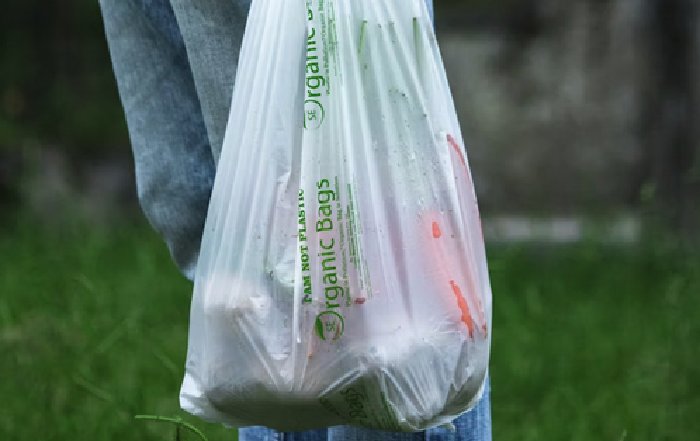
Charging even a modest fee for single-use bags has led to dramatic reductions in their use in countries such as the United Kingdom, Ireland, and South Africa, while providing convenient, well-signposted recycling points in supermarkets and shopping centers increases return rates for bottles, films, and other packaging. Clearly labeled refill stations, intuitive digital deposit systems, and rewards integrated into loyalty programs can all nudge consumers toward more sustainable patterns without requiring constant conscious effort. Transparent communication about the rationale behind packaging changes, the environmental benefits of reuse and recycling, and the correct way to dispose of or return specific items helps build trust and reduces confusion, especially when tailored to local languages and cultural norms.
For YouSaveOurWorld.com, the intersection of education, personal well-being, and environmental behavior is a central theme. The platform can help individuals understand how everyday choices in supermarkets, restaurants, and online shopping relate to broader planetary health and community resilience, while providing businesses with insights into how to design communication strategies that respect consumer intelligence, avoid greenwashing, and foster long-term loyalty. By highlighting evidence-based approaches rather than simplistic messaging, the site reinforces its commitment to experience, expertise, and trustworthiness.
Embedding Plastic Reduction into Core Business and Economic Strategy
For plastic reduction efforts to endure and scale, they must be embedded in the core strategy, governance, and financial architecture of food and retail companies, rather than treated as peripheral CSR projects. This integration begins with clear executive accountability, often at the board or C-suite level, and extends through cross-functional collaboration among procurement, marketing, operations, finance, and sustainability teams. Leading companies now incorporate plastic-related metrics into key performance indicators, link progress to executive remuneration, and report on outcomes through recognized frameworks such as the Global Reporting Initiative (GRI) and the Task Force on Climate-related Financial Disclosures (TCFD).
Embedding plastic considerations into product development, capital allocation, and scenario planning ensures that short-term cost savings do not undermine long-term resilience or expose companies to future regulatory shocks. For example, investing in reusable packaging systems or advanced recycling partnerships may carry higher upfront costs but can reduce exposure to virgin material price volatility, carbon pricing, and waste disposal fees over time. Analyses by the World Bank on solid waste and circular economy transitions (World Bank - solid waste) suggest that improving waste management and resource efficiency can yield substantial economic benefits for cities and national economies, including job creation in collection, sorting, refurbishment, and remanufacturing.
From a macroeconomic perspective, the transition away from linear plastic use is increasingly seen as a pillar of a more resilient and inclusive economy, aligning resource productivity with climate goals and social well-being. For businesses that engage with the content on YouSaveOurWorld.com, understanding this broader economic context helps position plastic reduction not as a cost center, but as a strategic investment in competitiveness, risk mitigation, and innovation capacity.
The Role of Technology and Data in Accelerating the Transition
Technology and data are playing an ever more prominent role in enabling food and retail companies to reduce plastic waste while maintaining quality, safety, and profitability. Advances in materials science are yielding new polymers, coatings, and bio-based materials that can improve recyclability, reduce weight, or provide comparable performance with lower environmental impact, though rigorous life-cycle assessments by institutions such as ETH Zurich (ETH Zurich sustainability research) underscore the importance of evaluating trade-offs across climate, land use, water, and toxicity.
Digital technologies are transforming how packaging and products are tracked and managed throughout their life cycles. Blockchain solutions are being piloted to trace recycled content and verify claims, while Internet of Things sensors and smart packaging enable monitoring of refill cycles, reverse logistics, and container utilization rates in reuse systems. Artificial intelligence and advanced analytics help optimize packaging design, predict material flows, and identify inefficiencies in collection and sorting. Retailers in technologically advanced markets such as Singapore, Denmark, and South Korea are experimenting with smart bins, app-based deposit systems, and personalized feedback that rewards consumers for sustainable choices.
Data transparency is emerging as a cornerstone of trust. Companies that publish detailed information on their plastic footprint, reduction strategies, and performance invite scrutiny but also differentiate themselves as credible actors in an increasingly crowded sustainability landscape. For YouSaveOurWorld.com, with its focus on technology, innovation, and sustainable business, curating and interpreting these technological developments is central to supporting practitioners who must decide which tools to adopt, in what sequence, and with what expectations.
A Shared Agenda for Food and Retail in 2026 and Beyond
By 2026, the movement to reduce plastic waste in food and retail has matured from a collection of isolated pilots into a more coherent global agenda, even as significant gaps remain between ambition and implementation. Companies operating across North America, Europe, Asia, Africa, and Latin America face diverse regulatory frameworks, infrastructure constraints, and cultural norms, yet they share a common imperative: to align their business models with the realities of a finite planet, a warming climate, and a more informed, demanding public.
Progress will depend on collaboration across the value chain, from polymer producers and packaging converters to brands, retailers, logistics providers, waste managers, recyclers, and policymakers. It will also require a shift in mindset that treats plastic reduction not as a constraint but as a catalyst for innovation, improved lifestyle, and more resilient, future-ready business models. Integrating plastic strategies with broader efforts on climate change, circular economy, and sustainable living can help organizations create coherent roadmaps that deliver environmental, social, and financial value.
YouSaveOurWorld.com exists to support this transformation by providing rigorous analysis, practical guidance, and a platform for sharing experience across sectors and regions. By focusing on experience, expertise, authoritativeness, and trustworthiness, the site aims to be a reliable companion for leaders in food and retail who recognize that reducing plastic waste is not merely an environmental obligation, but a strategic imperative for thriving in the decades ahead.
