
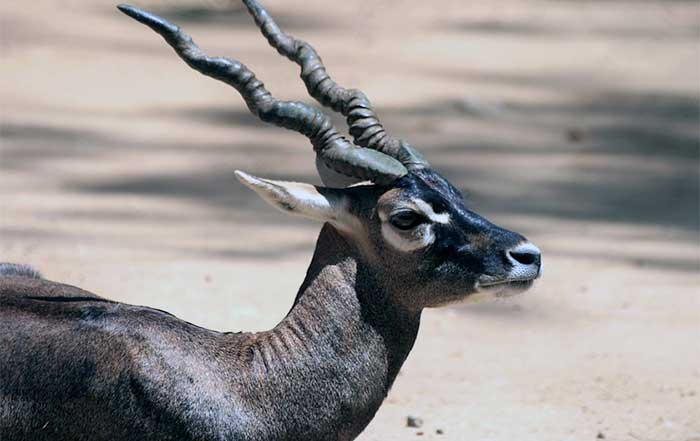
Wildlife Conservation in 2026: Technology, Trust, and a New Era of Shared Responsibility
Wildlife conservation in 2026 has entered a decisive phase in which scientific evidence, technological capabilities, and public expectations have converged to make biodiversity protection not only an environmental necessity but a central pillar of resilient economies, stable societies, and sustainable lifestyles. Around the world, governments, businesses, and communities are increasingly aware that the loss of species and the degradation of ecosystems undermine food security, water supplies, public health, and long-term prosperity. At the same time, the tools available to address these challenges-from artificial intelligence and satellite monitoring to innovative finance and community-led governance-are more powerful and accessible than at any previous point in history. Within this evolving context, YouSaveOurWorld.com has positioned itself as a trusted platform that connects sustainability insights with practical action, helping readers translate complex global trends into concrete steps in their own homes, businesses, and communities. Readers interested in how conservation intersects with lifestyle choices can explore broader themes of sustainable living and environmental responsibility across the site.
From Crisis to Turning Point: Biodiversity in a Warming, Crowded World
The scientific consensus in 2026 is unequivocal: global biodiversity is declining at an unprecedented rate, driven primarily by habitat loss, overexploitation, pollution, invasive species, and the accelerating impacts of climate change. Assessments from organizations such as the Intergovernmental Science-Policy Platform on Biodiversity and Ecosystem Services (IPBES) and the International Union for Conservation of Nature (IUCN) show that many migratory species, apex predators, pollinators, and marine organisms have suffered steep population declines over the last few decades, with some edging dangerously close to extinction. These trends are tightly intertwined with the broader climate emergency; rising temperatures, shifting precipitation patterns, and more frequent extreme weather events are altering habitats faster than many species can adapt. Readers can deepen their understanding of these systemic pressures by reviewing the climate-focused analysis available on the YouSaveOurWorld.com climate change page, which highlights the links between emissions, ecosystem resilience, and human well-being.
The implications of this ecological disruption extend far beyond the intrinsic value of wildlife. Pollination, soil fertility, carbon sequestration, and natural pest control are all services provided by functioning ecosystems, and they underpin agricultural productivity, urban livability, and the stability of global supply chains. In many regions, the decline of migratory fish species has destabilized coastal economies, while the loss of forest and wetland habitats has exacerbated flood risks and water scarcity. Leading scientific outlets such as Nature and Science continue to publish research that quantifies these cascading impacts, reinforcing the conclusion that biodiversity loss is a systemic risk on par with climate change and economic instability.
Key Biodiversity Areas and Ecological Corridors: Strategic Assets for a Sustainable Future
In response to these mounting pressures, conservation policy in 2026 has increasingly focused on Key Biodiversity Areas (KBAs) and ecological corridors as strategic anchors for global biodiversity protection. These sites-identified through rigorous scientific criteria-serve as irreplaceable habitats for threatened species, critical breeding grounds, stopover points for migratory birds and marine mammals, and refuges that can help species adapt as climate zones shift. Protecting and effectively managing KBAs is now seen as a prerequisite for meeting the targets of the Kunming-Montreal Global Biodiversity Framework, which calls for safeguarding at least 30 percent of land and sea areas by 2030.
However, many KBAs remain under pressure from infrastructure expansion, intensive agriculture, unsustainable logging, and poorly regulated tourism. Where legal protection exists on paper but enforcement is weak, encroachment and degradation continue. Effective stewardship therefore requires more than designating protected areas; it demands inclusive governance models that involve local communities, Indigenous peoples, and private landowners in decision-making and benefit-sharing. Institutions such as BirdLife International and the World Wildlife Fund (WWF), whose work is frequently profiled in outlets like BBC Future Planet, have demonstrated that when communities receive fair compensation, secure tenure, and access to sustainable livelihoods, they often become the most committed guardians of these landscapes.
For readers of YouSaveOurWorld.com, the relevance of KBAs and ecological corridors is not abstract. They are practical examples of how long-term planning, science-based mapping, and collaborative governance can align conservation with economic development. Insights from the site's sustainable business coverage show how companies that operate near KBAs-such as in agriculture, mining, or infrastructure-are increasingly expected by investors, regulators, and consumers to adopt no-net-loss or net-positive biodiversity strategies, integrating conservation goals into core business models rather than treating them as peripheral philanthropy.
Technology as an Enabler: Data-Driven Conservation at Planetary Scale
The most striking difference between conservation in 2016 and conservation in 2026 lies in the volume, granularity, and timeliness of data now available to decision-makers. High-resolution satellite imagery, cloud computing, and machine learning have made it possible to monitor deforestation, wetland loss, and illegal mining in near real time, while low-cost sensors and camera traps have democratized field data collection. Platforms such as Global Forest Watch, supported by organizations like the World Resources Institute (WRI), and initiatives highlighted by NASA's Earth Observatory provide detailed, openly accessible information on land cover change that can inform both policy and advocacy.
Artificial intelligence now plays a central role in analyzing this data and turning it into actionable insights. Algorithms trained to recognize species, detect gunshots, or flag suspicious vessel movements help rangers and enforcement agencies allocate scarce resources more efficiently. In many protected areas, drones equipped with AI-enabled cameras survey vast territories that would be impossible to patrol on foot, while predictive analytics identify likely poaching hotspots before crimes occur. The rapid evolution of these tools is regularly documented by technology-oriented publications such as MIT Technology Review and IEEE Spectrum, which highlight how advances in computer vision, edge computing, and low-power hardware are being adapted for conservation settings.
For a platform like YouSaveOurWorld.com, which consistently explores the intersection of technology, innovation, and environmental stewardship, this digital transformation is a core narrative thread. It demonstrates that conservation is no longer confined to remote fieldwork; it is also a cutting-edge data science challenge that engages engineers, software developers, and entrepreneurs. By presenting these developments in an accessible, business-oriented language, the site helps corporate leaders and investors understand why supporting digital conservation infrastructure is both strategically prudent and reputationally advantageous.
Genetic Tools, Assisted Adaptation, and the Ethics of Intervention
Alongside digital technologies, 2026 has seen rapid advances in genetic and reproductive tools that can influence the trajectory of threatened species. Techniques such as assisted gene flow, genetic rescue, cryopreservation of gametes, and advanced reproductive technologies are being explored to increase genetic diversity in small populations, bolster resilience to disease, and potentially help species adapt to changing climates. In some cases, de-extinction and gene-editing proposals have moved from theoretical discussions into small-scale experimental programs, attracting significant attention from both supporters and critics.
Leading journals and institutions, including The Royal Society, Stanford University, and The University of Cambridge, have emphasized that while these tools may offer last-resort options for critically endangered species, they raise profound ethical, ecological, and governance questions. Who decides when genetic intervention is justified? How can risks of unintended consequences be minimized? And how can such technologies be deployed without diverting attention and funding from the fundamental tasks of habitat protection, emissions reduction, and sustainable resource management? The YouSaveOurWorld.com editorial stance, reflected in its broader coverage of innovation and design for sustainability, aligns with the emerging consensus that genetic tools should complement, not replace, ecosystem-level conservation and must be governed by transparent, inclusive frameworks that prioritize precaution and justice.
Climate Change, Migration Pathways, and the Global Commons
One of the defining challenges of wildlife conservation in 2026 is the need to protect species whose life cycles transcend national borders and whose survival depends on intact migration pathways across land, sea, and air. Migratory birds, whales, sea turtles, and many fish species rely on synchronized cues and habitats spanning multiple jurisdictions. Climate change is disrupting these patterns by altering ocean currents, changing flowering and fruiting times, and shifting the distribution of prey species, thereby forcing wildlife to adapt their routes and timing.
International agreements such as the Convention on the Conservation of Migratory Species of Wild Animals (CMS) and regional fisheries management organizations have been working to update management plans in light of these shifts, yet progress remains uneven. As ocean warming and acidification continue, some species are moving into areas with weaker governance and limited enforcement capacity, increasing their vulnerability to overfishing and bycatch. For business leaders and policymakers, analyses from sources like The Economist - Climate Issue and UNEP underscore that safeguarding migratory species is inseparable from broader climate mitigation and adaptation strategies.
On YouSaveOurWorld.com, the global nature of these challenges is reflected in content that connects wildlife protection with global governance, trade, and geopolitics. Readers are encouraged to see migratory species not only as symbols of wilderness but as indicators of how effectively the international community can manage shared resources and collective risks. This perspective aligns with the site's emphasis on environmental awareness as a prerequisite for sound economic and diplomatic decision-making.
Confronting Wildlife Crime: Intelligence, Governance, and Demand Reduction
Illegal wildlife trade remains one of the most lucrative forms of transnational organized crime, undermining conservation efforts, financing corruption, and destabilizing communities. In 2026, enforcement agencies are more sophisticated than ever in their use of digital forensics, financial intelligence, and international cooperation, yet traffickers continue to exploit weak governance, porous borders, and online marketplaces. Reports from organizations such as TRAFFIC, INTERPOL, and the United Nations Office on Drugs and Crime (UNODC), frequently covered by outlets like Reuters and The Guardian - Environment, highlight both the progress made and the scale of the remaining challenge.
Successful strategies increasingly combine three elements: targeted enforcement that disrupts high-level criminal networks rather than only low-level poachers, robust legal frameworks with meaningful penalties, and sustained efforts to reduce consumer demand for illegal wildlife products. Social marketing campaigns, celebrity endorsements, and educational programs have helped shift attitudes in some key markets, but entrenched cultural practices and status signaling continue to drive demand in others. Financial institutions are also under growing pressure to implement stronger anti-money laundering controls that flag suspicious transactions linked to wildlife trafficking.
For YouSaveOurWorld.com, which covers topics from waste management to responsible business conduct, wildlife crime is part of a broader narrative about transparency, governance, and the true cost of unsustainable consumption. By highlighting the parallels between illegal wildlife trade, unregulated waste dumping, and other forms of environmental crime, the site helps readers understand how seemingly distant activities are connected through global value chains and financial systems, and why corporate due diligence and ethical procurement are increasingly non-negotiable.
Corporate Leadership, Natural Capital, and the Business Case for Biodiversity
In 2026, forward-looking companies no longer treat biodiversity as a peripheral risk but as a core strategic issue. Investors guided by frameworks such as the Taskforce on Nature-related Financial Disclosures (TNFD) and initiatives under the UN Principles for Responsible Investment (UN PRI) are asking detailed questions about how portfolio companies depend on and impact natural capital. Major financial institutions and rating agencies have begun integrating nature-related metrics into credit assessments and equity valuations, acknowledging that ecosystem degradation can translate into stranded assets, supply disruptions, and reputational damage.
Corporate responses vary by sector but increasingly include integrating biodiversity considerations into enterprise risk management, adopting science-based targets for nature, and designing products and services that support regeneration rather than depletion. For example, food and beverage companies are investing in regenerative agriculture, forestry firms are pursuing landscape-level restoration, and infrastructure developers are incorporating ecological connectivity into project design. Analytical perspectives on these shifts can be found in resources such as Harvard Business Review and World Economic Forum, which have devoted substantial attention to the economic logic of protecting natural systems.
The YouSaveOurWorld.com business and economy sections contextualize these developments for executives, entrepreneurs, and sustainability professionals who need to translate global frameworks into operational decisions. By showcasing case studies, highlighting emerging regulations, and examining consumer expectations, the platform underscores that credible biodiversity strategies are now integral to brand value, talent attraction, and access to capital. Wildlife conservation, in this framing, is not an optional philanthropic endeavor but a determinant of long-term business resilience.
Education, Lifestyles, and the Human Dimension of Conservation
While global agreements, corporate commitments, and technological advances are indispensable, the long-term success of wildlife conservation ultimately depends on cultural norms, individual choices, and the values transmitted through education. In 2026, educators, civil society organizations, and digital media platforms are experimenting with new ways to connect people-especially young people-with nature, even in densely populated urban settings. Citizen science projects, outdoor learning programs, and immersive digital experiences are helping to build ecological literacy and emotional connections to wildlife that can translate into sustained engagement.
Research highlighted by institutions such as UNESCO and UNICEF, as well as coverage by UN News, shows that environmental education improves not only knowledge but also critical thinking, civic participation, and mental health. In parallel, lifestyle trends such as plant-rich diets, reduced plastic consumption, and nature-positive travel are reshaping markets and signaling to businesses that consumers increasingly expect alignment between products and planetary boundaries. On YouSaveOurWorld.com, the lifestyle and personal well-being pages emphasize that sustainable living is not a sacrifice but an opportunity to enhance health, purpose, and quality of life while reducing ecological footprints.
By integrating content on wildlife conservation with guidance on everyday behaviors-ranging from waste reduction and plastic recycling to energy use and responsible purchasing-the site reinforces the message that individual agency matters. It also highlights that personal choices are most effective when combined with collective action, whether through community initiatives, professional networks, or engagement with public policy.
Monitoring, Accountability, and Adaptive Management in a Volatile World
In an era of rapid environmental change, conservation strategies must be dynamic, evidence-based, and open to revision. Robust monitoring systems that track species populations, habitat quality, and socio-economic outcomes are essential for determining whether interventions are working and for adjusting course when they are not. Advances in remote sensing, eDNA sampling, acoustic monitoring, and automated image analysis have dramatically expanded the range of indicators that can be measured, while open-data platforms and collaborative dashboards make it easier for stakeholders to share information.
Organizations such as the UN Environment Programme World Conservation Monitoring Centre (UNEP-WCMC) and the Group on Earth Observations Biodiversity Observation Network (GEO BON), frequently referenced in technical discussions and policy forums, are working to harmonize methodologies so that data from different regions and projects can be compared and aggregated. This standardization supports global stocktakes under the Kunming-Montreal framework and helps donors, governments, and communities understand where investments are delivering the greatest returns for biodiversity and people. Analytical coverage in outlets like OECD Environment further underscores the importance of transparency and performance metrics in building trust and mobilizing finance.
For YouSaveOurWorld.com, which consistently advocates for evidence-based decision-making across its coverage of education, business strategy, and environmental policy, the rise of adaptive management in conservation offers a compelling example of how data can drive better outcomes. By explaining these concepts in accessible terms and linking them to practical tools, the platform equips readers to ask more informed questions of policymakers, NGOs, and corporate leaders, thereby strengthening accountability at every level.
A Shared Agenda for 2026 and Beyond
As 2026 unfolds, wildlife conservation is increasingly recognized as a cross-cutting agenda that connects climate stability, economic resilience, public health, and cultural identity. The most effective initiatives are those that embrace this complexity rather than seeking narrow, single-issue solutions. They integrate habitat protection with sustainable livelihoods, combine advanced technology with traditional knowledge, and align local priorities with global frameworks such as the UN Sustainable Development Goals. They also recognize that trust-between communities and governments, between businesses and stakeholders, and between science and society-is as critical a resource as funding or technology.
YouSaveOurWorld.com contributes to this evolving landscape by providing a curated, business-oriented perspective on the many dimensions of sustainability, from wildlife protection and circular waste systems to innovation, design, and inclusive economic development. By situating conservation within broader discussions of global trends, corporate strategy, and personal well-being, the platform underscores that safeguarding biodiversity is not a niche concern but a foundational element of a thriving, future-ready society.
In the years ahead, the success of wildlife conservation will depend on the ability of diverse actors to move from fragmented efforts to coordinated, mutually reinforcing action. Governments must implement and enforce ambitious policies, businesses must internalize environmental costs and invest in nature-positive models, financial institutions must align capital flows with ecological limits, and citizens must continue to demand accountability while making conscious choices in their own lives. The tools, knowledge, and frameworks now exist to make this transition; the remaining question is whether the collective will can match the scale and urgency of the challenge.
For readers, leaders, and practitioners seeking to be part of this transformation, YouSaveOurWorld.com offers a continuously evolving resource, connecting global insights with practical guidance. By engaging with its analyses, applying its recommendations, and sharing its content within professional and community networks, stakeholders can help ensure that the story of wildlife conservation in the late 2020s is not one of irreversible loss, but of informed action, renewed ecosystems, and a redefined relationship between humanity and the natural world that sustains it.
