
Simple Lifestyle Changes That Support Environmental Protection in 2026
Why Everyday Choices Have Become Strategic Decisions
By 2026, environmental protection has moved from the margins of public debate to the center of social, economic, and political decision-making, reshaping how households, communities, and corporations think about risk, opportunity, and long-term value creation. Scientific assessments from bodies such as the Intergovernmental Panel on Climate Change (IPCC), accessible via the IPCC website, continue to underscore that the window for limiting global warming to internationally agreed thresholds is narrowing rapidly, and that the choices made in this decade will define climate and ecological stability for generations. Against this backdrop, everyday lifestyle decisions-from how people heat their homes and commute to work to what they eat, buy, and throw away-are no longer peripheral details but critical levers that interact with policy, technology, and finance to shape global environmental outcomes.
For YouSaveOurWorld.com, which has positioned itself as a trusted hub for integrated guidance on sustainable living, climate change, and environmental awareness, this shift has deepened both its mission and its responsibilities. Readers who come to the platform from across North America, Europe, Asia-Pacific, Africa, and Latin America are not simply seeking abstract information; they are looking for credible, practical, and business-relevant insights that help them align personal values, organizational strategy, and global environmental imperatives. In this context, simple lifestyle changes are best understood as strategic micro-decisions that, when multiplied across millions of people and thousands of companies, influence markets, accelerate innovation, and reinforce regulatory ambition, while also improving health, resilience, and long-term economic competitiveness.
The Evolving Science of Lifestyle Impact
The scientific understanding of how day-to-day behavior translates into environmental pressure has become far more granular and actionable by 2026. Concepts such as the ecological footprint, advanced by organizations including the Global Footprint Network and explained on the Global Footprint Network website, quantify how human demand on nature compares to the planet's biocapacity, revealing persistent overshoot in many high-income and rapidly industrializing economies. Parallel research in life-cycle assessment, material flow analysis, and systems modeling has clarified that the majority of climate, biodiversity, and pollution impacts can be traced back to a few lifestyle-related domains: food, housing and energy, mobility, and consumer goods.
Data synthesized by the United Nations Environment Programme (UNEP), available through the UNEP website, show that demand-side measures-changes in diets, transport choices, building energy use, and material consumption-could deliver a substantial share of the emission reductions required by mid-century if adopted at scale. The World Resources Institute (WRI), via its WRI website, has further detailed how these behavioral and structural shifts interact with technological innovation, from renewable energy and electric mobility to circular manufacturing systems, creating pathways where individual decisions and systemic reforms reinforce one another rather than compete.
For the audience of YouSaveOurWorld.com, this scientific clarity is crucial because it allows them to understand that personal and corporate choices are not symbolic gestures but quantifiable contributions to global mitigation and adaptation efforts. The site's focus on innovation, technology, and economy reflects a deliberate effort to frame lifestyle change within a broader systems perspective, demonstrating how consumer preferences influence product design, supply chains, investment flows, and ultimately national and international policy trajectories.
Rethinking Consumption: From Volume to Value
A decisive lifestyle shift in 2026 involves moving away from high-volume, short-lived consumption patterns toward a model that prioritizes durability, service, and value retention. Decades of growth have normalized fast fashion, rapid product turnover, and an expectation of low-cost convenience in many markets, but research from organizations such as the Ellen MacArthur Foundation, presented on the Ellen MacArthur Foundation site, has made it clear that linear "take-make-waste" models generate vast quantities of waste, drive resource extraction, and lock in emissions across product life cycles. This is especially pronounced in textiles, electronics, and packaging, where design decisions often determine whether products can be repaired, upgraded, or recycled.
Readers of YouSaveOurWorld.com are increasingly approaching consumption as a strategic choice rather than an automatic habit, asking not only what a product costs today but what it implies for long-term environmental impact, resilience, and brand integrity. The platform's coverage of sustainable business and business describes how progressive companies in sectors ranging from apparel and electronics to construction and finance are embedding circularity, eco-design, and extended producer responsibility into their core models, responding to investor expectations and regulatory frameworks as well as to more informed customers. When individuals and organizations choose products designed for longevity, modular repair, and responsible end-of-life management, they send powerful signals that reward these strategies and penalize purely extractive approaches.
International standards and certifications have become important navigational tools in this landscape. The International Organization for Standardization (ISO), through frameworks detailed on the ISO website, has expanded environmental and energy management standards that help companies structure and verify their sustainability performance. Ecolabels and sector-specific certifications, including those from the Forest Stewardship Council (FSC) and Marine Stewardship Council (MSC), offer additional guidance by identifying products that meet robust environmental and social criteria. For a business audience, learning to interpret and integrate these signals into procurement policies and product portfolios is not only an environmental responsibility but also a way to manage reputational risk, ensure regulatory compliance, and differentiate in increasingly sustainability-conscious markets.
Plastic, Waste, and the Shift from Awareness to Prevention
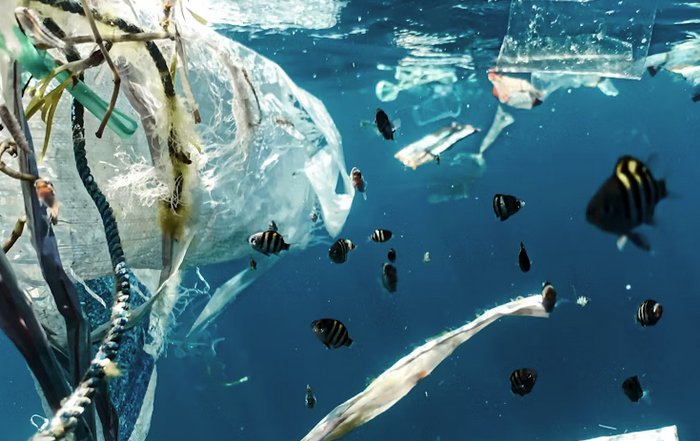
Plastic pollution remains one of the most visible environmental challenges in 2026, but the discourse has matured from isolated images of floating debris to a systemic understanding of material flows, health risks, and economic inefficiencies. Analyses by the Organisation for Economic Co-operation and Development (OECD) and UNEP indicate that global plastic production continues to grow, with recycling rates lagging and significant quantities of plastic still entering land and marine ecosystems. At the same time, emerging research, highlighted by the World Health Organization (WHO) on the WHO website, has intensified concerns about microplastics and associated chemicals in air, water, food, and human bodies, raising questions about long-term health implications and regulatory thresholds.
On YouSaveOurWorld.com, the dedicated resource on plastic recycling has evolved into a practical reference point for households, educators, and businesses seeking to move beyond symbolic gestures toward measurable reductions in plastic use and waste. Simple yet strategic actions include designing procurement policies that favor reusable and refillable systems, standardizing packaging formats to improve recyclability, and educating employees and customers about correct sorting practices to avoid contamination of recycling streams. For households, replacing single-use items with durable alternatives, choosing products with minimal or standardized packaging, and understanding local recycling regulations can significantly influence municipal waste management performance and costs.
Technological and entrepreneurial initiatives, such as those led by The Ocean Cleanup, described on The Ocean Cleanup website, demonstrate the potential of advanced systems to intercept and remove plastic from rivers and oceans. However, experts consistently emphasize that upstream prevention-reducing production of problematic plastics, redesigning products and packaging, and expanding reuse infrastructure-is more effective and economical than downstream remediation. Policy frameworks such as the European Union's Single-Use Plastics Directive, detailed on the European Commission environment pages, illustrate how regulatory measures can accelerate this shift, but their effectiveness ultimately depends on how businesses adapt their models and how consumers respond in their daily choices.
Food, Diet, and the Integrated Climate-Health Agenda
Food systems have become a central focus of climate and biodiversity discussions, and by 2026, the links between dietary patterns, environmental impact, and health outcomes are widely recognized in both policy and business circles. The Food and Agriculture Organization (FAO), through resources on the FAO website, has documented how agriculture, land-use change, and food processing and distribution collectively account for a substantial portion of global greenhouse gas emissions, while also driving deforestation, soil degradation, and water stress. High consumption of red and processed meats, coupled with significant food loss and waste, continues to be a major driver of these pressures, particularly in higher-income regions and rapidly urbanizing economies.
The community that engages with YouSaveOurWorld.com increasingly sees dietary choices as a powerful intersection between environmental stewardship and personal health. The site's content on lifestyle and personal well-being explores how plant-rich diets-emphasizing vegetables, fruits, legumes, whole grains, and nuts, with moderate and more selective consumption of animal products-can significantly lower individual and organizational food footprints while also contributing to reduced risks of chronic diseases. Research synthesized by institutions such as the Harvard T.H. Chan School of Public Health, available on the Harvard public health site, reinforces the view that what is good for planetary health can also be beneficial for cardiovascular, metabolic, and mental health, creating a compelling case for integrated climate-health strategies in both households and corporate wellness programs.
Food waste reduction has emerged as one of the most cost-effective and immediately actionable levers for environmental protection. The United States Environmental Protection Agency (EPA), via its sustainable management of food pages, and similar agencies worldwide provide detailed guidance on meal planning, storage, date labeling, and redistribution to minimize waste. For businesses in retail, hospitality, and food service, digital tools and analytics now enable more accurate demand forecasting, inventory management, and donation logistics, transforming waste reduction into a source of cost savings, brand differentiation, and social impact. For households, simple practices such as planning menus, buying only what is needed, using leftovers creatively, and understanding the difference between "best before" and "use by" can collectively reduce pressure on landfills, lower methane emissions, and alleviate pressure on agricultural systems.
Energy, Buildings, and Everyday Technology Choices
Energy use in buildings remains a major contributor to global emissions, and by 2026, the integration of efficiency, electrification, and renewable energy has become a central pillar of climate strategies at both national and corporate levels. The International Energy Agency (IEA), on the IEA website, provides detailed analyses showing that residential and commercial buildings account for a significant share of final energy consumption and indirect emissions, particularly in regions with extensive heating or cooling needs and rapidly expanding urban infrastructure. While large-scale decarbonization requires policy support and infrastructure investment, there is considerable agency at the household and business level to reduce consumption and shift demand toward cleaner sources.
Visitors to YouSaveOurWorld.com increasingly treat their homes and workplaces as active components of the energy transition. Practical actions such as improving insulation, sealing air leaks, installing high-efficiency windows, and adopting programmable or smart thermostats can yield substantial reductions in energy use and costs. The platform's coverage of technology highlights how smart meters, building management systems, and connected devices now allow users to monitor and optimize consumption in real time, enabling data-driven decisions about heating, cooling, lighting, and appliance use. Choosing high-efficiency appliances, phasing out inefficient equipment, and switching to LED lighting have become standard recommendations, but the growing availability of performance data and labels allows both households and facility managers to quantify payback periods and integrate efficiency investments into broader financial planning.
The expansion of distributed renewable energy is another area where individual and organizational choices matter. The International Renewable Energy Agency (IRENA), through the IRENA website, documents the rapid decline in costs for solar photovoltaics, wind power, and energy storage, as well as the proliferation of business models that enable households, small enterprises, and communities to participate in the clean energy transition. Rooftop solar installations, community energy cooperatives, and green power purchase agreements provide pathways for aligning electricity consumption with decarbonization goals. For a business audience, integrating these options into real estate, procurement, and sustainability strategies is increasingly seen as a way to manage energy price volatility, meet investor expectations, and demonstrate climate leadership, while for households, participation in local renewable schemes can transform energy bills into long-term investments in resilience and autonomy.
Mobility and Travel: Redesigning Movement Patterns
Transport remains a challenging sector for decarbonization, yet it is also one where lifestyle and business model innovations are rapidly changing what is possible. The International Transport Forum (ITF), accessible through the ITF website, continues to show that road transport and aviation are major sources of greenhouse gas emissions and air pollution, especially in urban areas and along major travel corridors. However, urban design, digital platforms, and evolving consumer preferences are enabling new patterns of movement that can reduce emissions while improving quality of life.
For the readership of YouSaveOurWorld.com, mobility decisions are increasingly viewed as part of a broader portfolio of sustainable choices rather than isolated travel events. Walking and cycling for short trips, using public transport, and combining these modes with shared mobility services can significantly reduce personal and organizational transport footprints. Investments by cities in cycling infrastructure, bus rapid transit, and integrated ticketing systems are making these options more attractive, while digital platforms enable route optimization and multimodal planning. From a health perspective, the active travel options explored in the site's personal well-being content underscore the co-benefits of reduced emissions and increased physical activity, reinforcing the idea that sustainable mobility is not a sacrifice but an upgrade in many urban contexts.
The continued rise of electric vehicles (EVs) is altering fleet strategies and consumer purchasing decisions. Lifecycle assessments summarized by organizations such as the International Council on Clean Transportation (ICCT), presented on the ICCT website, indicate that EVs generally offer lower emissions over their lifetime than internal combustion engine vehicles, particularly as electricity grids incorporate higher shares of renewable energy. For businesses managing logistics or corporate fleets, transitioning to EVs and optimizing routing can deliver both emissions reductions and operating cost savings, while for households, incentives and expanding charging infrastructure are lowering barriers to adoption. At the same time, there is growing recognition that electrification must be complemented by demand reduction and modal shifts, reinforcing the importance of teleworking policies, digital collaboration tools, and urban planning that reduces the need for long, car-dependent commutes.
Waste Minimization and the Circular Economy Mindset
Waste generation continues to rise in many regions, but the narrative around waste has shifted from end-of-pipe management to upstream design and systemic circularity. The World Bank, through its global assessments on the World Bank solid waste management pages, has documented how municipal solid waste volumes are closely linked to income growth and urbanization, placing increasing pressure on landfills, incinerators, and informal waste sectors. At the same time, policymakers and businesses recognize that waste often represents lost economic value in the form of materials, energy, and labor that could be retained within productive cycles.
The waste resources on YouSaveOurWorld.com encourage readers to adopt a circular mindset in both personal and professional contexts, treating waste reduction as a design and management challenge rather than a purely logistical one. Simple yet transformative practices include refusing unnecessary packaging, prioritizing refillable and repairable products, organizing community repair events, and participating in take-back and remanufacturing schemes. For companies, integrating circular principles into product development, logistics, and after-sales services can unlock new revenue streams and strengthen customer loyalty, while also reducing exposure to resource price volatility and regulatory tightening.
Design is a critical enabler of this transition, and the platform's design content highlights how architects, product designers, and service innovators are applying principles such as modularity, material transparency, and disassembly to ensure that products and buildings can be adapted, repaired, or recycled rather than discarded. As consumers and business clients become more familiar with these concepts, they are increasingly asking suppliers to demonstrate how products will perform over their full life cycle, how materials will be recovered, and how social and environmental risks are managed along the value chain. This growing sophistication in demand is a powerful driver of circular innovation and a core component of the lifestyle changes that support environmental protection in 2026.
Education, Leadership, and the Role of Trusted Platforms
Lifestyle change at scale depends not only on individual motivation but also on the quality of information, the visibility of role models, and the alignment of incentives across institutions. The education section of YouSaveOurWorld.com reflects a conviction that environmental literacy, systems thinking, and critical analysis are now essential competencies for citizens, professionals, and leaders. From school curricula that integrate climate science and circular economy principles to executive education programs that link sustainability with risk management and innovation, education systems are slowly catching up with the realities of a warming, resource-constrained world.
Businesses play a decisive role in shaping the context within which lifestyle choices are made, and the platform's sustainable business and global coverage documents how leading organizations are embedding environmental and social considerations into governance, strategy, and disclosure. Initiatives such as the UN Global Compact, explained on the UN Global Compact website, and the broader United Nations Sustainable Development Goals, detailed on the UN sustainable development site, provide frameworks that connect corporate action with global objectives, encouraging companies to view emissions reductions, resource efficiency, and responsible sourcing not as peripheral corporate social responsibility activities but as core drivers of resilience and competitiveness.
In this evolving landscape, platforms like YouSaveOurWorld.com serve as critical intermediaries, translating complex scientific, technical, and policy developments into accessible, context-specific guidance for households, professionals, and decision-makers. By integrating content on sustainable living, climate change, innovation, and personal well-being, the site helps its audience understand that environmental protection is not a separate domain but a thread that runs through lifestyle, business strategy, design, education, and health. Its commitment to Experience, Expertise, Authoritativeness, and Trustworthiness is reflected in its careful curation of external resources, from the IPCC and UNEP to the IEA, FAO, and other leading institutions, and in its ongoing effort to present nuanced, evidence-based insights that respect regional diversity and sector-specific realities.
Integrating Sustainability into Everyday Life in 2026 and Beyond
By 2026, the convergence of scientific urgency, technological maturity, financial pressure, and shifting social expectations has created a context in which simple lifestyle changes carry amplified significance. For the global audience of YouSaveOurWorld.com, the challenge is not a lack of information but the need to translate that information into coherent, sustained action across multiple dimensions of life and work. Rethinking consumption, reducing plastic use, adopting more sustainable diets, improving building energy performance, choosing cleaner and more efficient mobility options, minimizing waste, and engaging actively with education and business initiatives are not isolated tasks; they are interconnected components of a broader shift toward resilient, low-carbon, and regenerative societies.
As environmental risks continue to evolve-from intensifying climate impacts and biodiversity loss to resource volatility and health threats associated with pollution-the importance of trustworthy, experience-based guidance will only grow. YouSaveOurWorld.com aims to be a partner in this transition, offering its readers a coherent narrative and practical tools that link personal choices with organizational strategy and global frameworks. Those who explore the broader resources on YouSaveOurWorld.com and engage with the work of organizations such as the IPCC, UNEP, IEA, FAO, and others will find that the path to a more sustainable future is built from many deliberate, well-informed decisions, taken consistently over time. These decisions, whether made in homes, offices, boardrooms, or classrooms, collectively define how effectively humanity can protect and restore the environmental foundations on which economies, communities, and personal well-being ultimately depend.
