
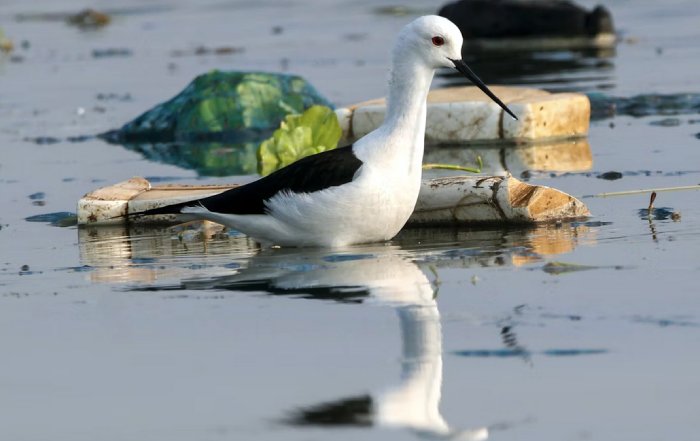
Why Plastic Reduction Matters for Oceans and Wildlife
A New Phase in the Global Plastics Reckoning
Plastic reduction has moved from the margins of environmental debate into the center of strategic decision-making for governments, corporations, and communities, and for the audience of YouSaveOurWorld.com, this shift reflects a deeper recognition that the fate of oceans and wildlife is inseparable from sustainable lifestyles, resilient economies, and credible corporate responsibility. The mounting body of scientific evidence, combined with escalating public concern and regulatory pressure, has transformed plastic pollution from a distant environmental issue into a systemic risk that touches food security, public health, global trade, and long-term financial stability, especially in regions such as North America, Europe, and Asia where consumption patterns and production volumes remain high. In this context, plastic reduction, improved waste management, and product redesign are now central pillars of conversations about sustainable living, circular business models, and the future trajectory of global development, and they are increasingly seen as indicators of Experience, Expertise, Authoritativeness, and Trustworthiness for organizations that claim to lead on sustainability.
For YouSaveOurWorld.com, which aims to help decision-makers and citizens navigate the intersection of environment, business, and personal well-being, the plastic issue has become a practical lens through which broader sustainability questions can be understood. The way societies respond to plastic pollution reveals how seriously they take climate risk, biodiversity loss, social equity, and innovation, and it exposes whether sustainability commitments are grounded in measurable action or confined to marketing narratives. As 2026 unfolds, it is clear that plastic reduction is not only about cleaning beaches or protecting charismatic marine species; it is about rethinking the materials economy, aligning corporate strategy with planetary boundaries, and building trust between institutions and the people who depend on them.
The Escalating Scale of Plastic in the Ocean
The scale of plastic entering the world's oceans remains staggering, and recent analyses show that despite growing awareness, global flows have not yet peaked. Work by organizations such as The Pew Charitable Trusts and SYSTEMIQ has estimated that millions of tonnes of plastic continue to enter marine environments annually, and unless systemic measures are rapidly scaled, these volumes could still rise over the next decade. The United Nations Environment Programme (UNEP), through its work on addressing land-based pollution, notes that plastics constitute the majority of marine debris, from surface gyres to deep-sea sediments, and that this burden is driven by both mismanaged waste in rapidly urbanizing regions and high per-capita consumption in wealthier economies.
Media and research platforms such as National Geographic, which continues to document plastic pollution in the ocean, emphasize that no coastline is untouched, from the Pacific Northwest and the Gulf of Mexico to the Mediterranean and the Coral Triangle. Microplastics have been detected in Arctic sea ice, deep trenches, and remote islands, demonstrating the truly global reach of plastic contamination. Rivers remain critical conduits, transporting mismanaged waste from urban and peri-urban areas into estuaries and coastal ecosystems, and work by initiatives like The Ocean Cleanup and research institutions such as the Helmholtz Centre for Environmental Research shows that a relatively small number of highly polluted rivers contribute a disproportionate share of the load. Yet the underlying drivers are global supply chains and consumption habits, with high-income regions continuing to produce and export large quantities of plastic products and, in some cases, plastic waste.
For the community around YouSaveOurWorld.com, understanding this scale is essential not only for appreciating the urgency of action, but also for recognizing that local choices about packaging, product design, and waste management are embedded in a global system that spans manufacturing hubs, trade routes, and financial flows. Ocean plastic is not simply the visible litter on a beach; it is a symptom of deeper structural inefficiencies in how materials are designed, valued, and managed across their life cycles.
How Plastic Continues to Devastate Marine Wildlife
The impacts of plastic on marine wildlife are now documented with a level of granularity and regional specificity that leaves little room for doubt about the severity of the crisis, and this evidence remains central to the editorial mission of YouSaveOurWorld.com. The World Wildlife Fund (WWF) continues to track how plastic affects marine species through its work on plastic in our oceans, highlighting that entanglement, ingestion, and habitat degradation are common across taxa and geographies. Seabirds, turtles, marine mammals, and fish in regions as diverse as the North Atlantic, the Indian Ocean, and the South Pacific are exposed to discarded fishing gear, packaging, and microplastics, with many populations already stressed by overfishing, habitat loss, and climate-driven changes in ocean conditions.
The International Union for Conservation of Nature (IUCN), in its overview of marine plastics, reports that more than 800 marine and coastal species are known to interact with plastic debris, a figure that is likely conservative given gaps in monitoring, particularly in the deep sea and in regions with limited research capacity. Entanglement in so-called "ghost gear" remains a leading cause of injury and mortality for whales, dolphins, seals, and seabirds, with organizations such as Oceana documenting cases where threatened or endangered species suffer lacerations, amputations, drowning, or chronic debilitation as a result of abandoned nets and lines. Ingestion adds another layer of harm: turtles mistake floating bags for jellyfish, seabirds feed plastic fragments to their chicks, and fish and invertebrates ingest microplastics suspended in the water column or embedded in sediments.
The U.S. National Oceanic and Atmospheric Administration (NOAA), through its Marine Debris Program, has collated evidence of blocked digestive tracts, reduced feeding efficiency, internal injuries, and exposure to toxic additives and adsorbed pollutants. For a global readership concerned with environmental awareness, these impacts illustrate that plastic reduction is not an abstract concept but a direct determinant of whether marine ecosystems can continue to support biodiversity, fisheries, tourism, and coastal protection services that underpin local and regional economies.
Microplastics, Food Webs, and Human Health in Focus
As plastics fragment into microplastics and nanoplastics, they infiltrate marine food webs in ways that are increasingly difficult to monitor and control, and their implications for human health are now a major focus of research and policy discussion. The Food and Agriculture Organization (FAO) of the United Nations, in its work on microplastics in fisheries and aquaculture, has shown that commercially important species, including shellfish and small pelagic fish, can contain plastic particles and associated contaminants, raising questions about exposure for populations with high seafood consumption in Europe, Asia, and coastal regions worldwide. The World Health Organization (WHO), in its assessments of microplastics in drinking water, has called for more research while acknowledging that the presence of microplastics in both marine and freshwater systems is a matter of legitimate concern, especially where water treatment infrastructure is limited.
Scientific platforms such as ScienceDirect host a rapidly expanding literature on how microplastics can act as vectors for persistent organic pollutants, heavy metals, and pathogens, and how they may bioaccumulate and biomagnify through food webs. Early studies suggest potential impacts on inflammation, oxidative stress, and cellular function in laboratory settings, though translating these findings into population-level risk assessments remains complex. For the community and partners of YouSaveOurWorld.com, the key message is that reducing plastic at the source is one of the most robust strategies available to minimize uncertain but potentially significant health risks, while simultaneously safeguarding personal well-being and food security.
This growing body of research reinforces the idea that plastic pollution is not merely an ecological issue; it is a convergence point for environmental health, public health, and social justice. Coastal communities, small-scale fishers, and low-income households are often the most exposed to both environmental contamination and economic disruption, which means that credible responses to plastic pollution must integrate equity considerations and not simply shift burdens from one region or demographic group to another.
Plastic, Climate Change, and the Carbon Cost of Waste
Plastic reduction matters for oceans and wildlife not only because of direct physical impacts but also because of plastics' deep entanglement with the climate crisis, which further undermines marine ecosystems already stressed by warming, acidification, and deoxygenation. The Intergovernmental Panel on Climate Change (IPCC), in its assessment reports, has repeatedly emphasized that emissions from fossil fuel extraction, petrochemical production, and waste management contribute substantially to global greenhouse gas inventories. Plastics are predominantly derived from oil and gas, and analyses by the International Energy Agency (IEA) indicate that petrochemicals, including plastics, remain among the fastest-growing sources of demand for fossil fuels, with major production hubs in the United States, China, the Middle East, and parts of Europe and Asia.
When plastics are discarded, their climate footprint continues. Landfilled plastics can generate methane under certain conditions, while open burning and incineration release carbon dioxide and other pollutants, exacerbating air quality problems in regions such as Southeast Asia, parts of Africa, and Latin America. For businesses and policymakers who engage with the integrated perspective on climate change promoted by YouSaveOurWorld.com, it is increasingly evident that plastic reduction is a necessary component of any credible net-zero or climate-resilient strategy. Reducing virgin plastic production, improving material efficiency, and investing in circular systems can lower emissions, reduce exposure to volatile fossil fuel markets, and align corporate and national climate commitments with tangible operational changes.
By linking plastic reduction to climate strategies, organizations can also unlock co-benefits such as lower energy use, reduced transportation needs, and more efficient logistics, all of which contribute to a more resilient and competitive economy. This integrated approach is becoming a hallmark of serious sustainability leadership and a key criterion for stakeholders evaluating the trustworthiness and long-term viability of companies and institutions.
Why Recycling Alone Still Falls Short
Despite decades of promotion, recycling alone remains insufficient to address the magnitude of the plastic crisis, and by 2026 this conclusion is broadly accepted among leading policy and scientific organizations. The Organisation for Economic Co-operation and Development (OECD), in its analyses of plastic waste and recycling, has shown that only a relatively small share of all plastic ever produced has been recycled, with the majority landfilled, incinerated, or leaked into the environment. Even in countries with advanced waste systems, such as those in the European Union, Canada, and Japan, plastic recycling rates lag significantly behind those for paper, metals, and glass, largely because of the diversity of resin types, additives, multilayer formats, and contamination in post-consumer streams.
For the audience of YouSaveOurWorld.com, this reality underscores that while plastic recycling remains essential, the most impactful measures lie upstream in reduction, substitution, and design. The Ellen MacArthur Foundation, through its New Plastics Economy initiative, continues to advocate for a system in which plastics never become waste but circulate in closed loops. However, realizing this vision requires the elimination of unnecessary items, the scaling of reusable and refillable systems, and the redesign of packaging and products so they can be economically and technically recycled at high quality.
For rapidly growing economies in Asia, Africa, and South America, where infrastructure is still catching up with consumption, the challenge is particularly acute. Investments in basic collection and sorting must be paired with policies that discourage low-value, non-recyclable formats and encourage innovation in materials and business models. For companies and municipalities seeking guidance, the resources on waste and sustainable business available on YouSaveOurWorld.com provide a framework for balancing immediate operational needs with long-term systemic change.
Corporate Responsibility, Sustainable Business, and Investor Pressure
In 2026, leading businesses increasingly recognize that plastic reduction is a core component of sustainable strategy, reputational risk management, and compliance with evolving regulation, aligning directly with the themes of sustainable business and business explored on YouSaveOurWorld.com. Global consumer brands such as Unilever, Nestle, and Coca-Cola have made public commitments to redesign packaging, increase recycled content, and support collection and recycling systems, and they are now under pressure to demonstrate year-on-year progress with transparent metrics rather than broad pledges. Frameworks such as the UN Global Compact and UN-backed initiatives to beat plastic pollution are pushing companies to align with science-based targets and to integrate circular design principles into product development and procurement.
Investor expectations have also evolved. Organizations such as CDP are asking companies to disclose their plastic footprints, reduction plans, and exposure to regulatory and reputational risks associated with single-use materials. In major financial centers in the United States, the United Kingdom, the European Union, and Asia-Pacific, plastic-related metrics are increasingly incorporated into environmental, social, and governance (ESG) assessments, influencing access to capital and the cost of financing. Companies that proactively address plastic risks and embrace circular models are better positioned to maintain customer trust, attract talent, and comply with tightening regulations, while laggards face growing scrutiny and potential stranded assets in packaging and petrochemical infrastructure.
For businesses seeking practical pathways forward, engaging with resources on innovation and technology at YouSaveOurWorld.com can help identify scalable solutions, from alternative materials and refill systems to advanced digital tracking tools that enable more efficient reverse logistics and data-driven decision-making.
Policy, Regulation, and the Emerging Global Plastics Treaty
Policy frameworks at local, national, and international levels are rapidly evolving in response to the plastic crisis, and their direction will shape markets and innovation for decades. The United Nations Environment Assembly (UNEA) has been negotiating a legally binding global treaty on plastic pollution, with the goal of addressing the full life cycle of plastics from production to disposal. While negotiations are complex, the trajectory points toward stricter controls on problematic products, harmonized standards for design and labeling, enhanced transparency along value chains, and stronger obligations around waste management and transboundary movements of plastic waste.
In parallel, regional initiatives such as the European Green Deal and its Circular Economy Action Plan have already begun to reshape how packaging is designed, marketed, and recovered across the European Union, influencing global supply chains as exporters adapt to new requirements. Many countries have introduced or strengthened bans and levies on single-use items, adopted extended producer responsibility schemes, and set targets for recycled content and reuse. Cities and states across North America, as well as national governments in regions such as Southeast Asia and Africa, are tailoring measures to local conditions, combining regulation with infrastructure investments and public education.
For the global readership of YouSaveOurWorld.com, staying informed about these policy shifts is essential for strategic planning. Businesses must anticipate upcoming requirements, from eco-design standards to reporting obligations, while citizens and civil society organizations can use this knowledge to advocate for ambitious, fair, and enforceable rules that protect both oceans and livelihoods. The interplay between regulation, market dynamics, and innovation will largely determine whether plastic use declines fast enough to avert the worst ecological and economic consequences.
Innovation, Design, and the Future of Materials
Innovation in materials, product design, and business models is at the heart of credible plastic reduction strategies, and this is an area where YouSaveOurWorld.com continues to focus through its coverage of design, technology, and global developments. Research institutions and companies in countries such as Germany, Sweden, Japan, and Singapore are advancing biobased polymers, high-performance fiber solutions, and compostable materials that can substitute for conventional plastics in specific applications. Yet experts emphasize the need for robust life-cycle assessments to ensure that these alternatives genuinely reduce environmental impacts and do not create new challenges in land use, water consumption, or end-of-life management.
The Ellen MacArthur Foundation and leading design schools continue to champion circular design principles that prioritize durability, modularity, repairability, and recyclability, encouraging designers and engineers to think beyond single-use paradigms and to integrate end-of-life considerations from the earliest stages of concept development. Digital technologies such as artificial intelligence, advanced robotics, and blockchain are being deployed to improve sorting accuracy, track material flows, and enable new business models such as product-as-a-service and large-scale reusable packaging networks. Start-ups and established firms in the United States, the Netherlands, China, and other innovation hubs are piloting refill stations, smart packaging, and reverse logistics systems that make it easier for consumers and businesses to participate in circular solutions.
For decision-makers exploring how to align environmental objectives with competitive advantage, the resources on innovation and economy at YouSaveOurWorld.com highlight that plastic reduction can be a driver of creativity, cost savings, and resilience rather than a constraint. Organizations that invest in rethinking materials and systems today are better positioned to meet evolving customer expectations, comply with future regulations, and build brands that are trusted to act in the long-term public interest.
Lifestyle Shifts, Education, and Cultural Transformation
While policy and corporate action are indispensable, meaningful progress on plastic reduction ultimately depends on changes in everyday behavior and cultural norms, which is why YouSaveOurWorld.com places strong emphasis on lifestyle, education, and personal empowerment. International bodies such as UNESCO and local organizations across the United States, Europe, Asia, Africa, and Latin America are integrating ocean literacy and waste reduction into school curricula, vocational training, and community programs, helping people understand how individual choices connect to global environmental outcomes. Citizen science initiatives, coastal cleanups, and zero-waste challenges not only reduce local pollution but also foster a sense of agency and shared responsibility.
For households and professionals alike, practical actions such as opting for reusable products, choosing goods with minimal or refillable packaging, supporting businesses that prioritize circular solutions, and properly sorting waste are increasingly seen as part of a modern, responsible lifestyle rather than a niche or inconvenient choice. Guides on sustainable living and waste hosted by YouSaveOurWorld.com provide regionally adaptable strategies that respect different cultural and economic contexts while emphasizing universal principles of reduction, reuse, and thoughtful design. Integrating these practices into daily routines can also strengthen personal well-being, as acting in alignment with one's environmental values often enhances a sense of purpose, connection, and resilience in the face of complex global challenges.
For organizations seeking to build trust and credibility, investing in education and transparent communication about plastic strategies is increasingly important. Employees, customers, and communities expect not only technical solutions but also honest dialogue about trade-offs, timelines, and progress, and platforms such as YouSaveOurWorld.com play a role in facilitating informed, constructive conversations across sectors and regions.
Plastic Reduction as a Strategic Imperative for 2026 and Beyond
By 2026, the evidence is unequivocal that plastic reduction is not a peripheral environmental concern but a strategic imperative for protecting oceans, safeguarding wildlife, and securing a stable, prosperous future for societies and businesses worldwide. The convergence of scientific findings from organizations such as UNEP, WWF, NOAA, and the IPCC, combined with economic and policy analyses from bodies like the OECD, the European Commission, and leading academic institutions, demonstrates that a business-as-usual trajectory would intensify biodiversity loss, climate risks, health uncertainties, and economic vulnerabilities across all regions.
For the community of readers, partners, and contributors engaging with YouSaveOurWorld.com, the path forward involves pairing knowledge with action: understanding the systemic nature of plastic pollution, supporting policies and business models that prioritize reduction and circularity, and making informed choices in daily life that reflect a commitment to oceans and wildlife. By exploring resources on sustainable business, climate change, innovation, and environmental awareness, stakeholders across sectors can identify practical, context-appropriate steps that align environmental responsibility with economic performance and social well-being.
In doing so, they contribute to a global movement that understands plastic reduction not as a sacrifice but as a vital investment in the health of the planet, the resilience of communities, and the credibility of institutions that claim to lead on sustainability. For YouSaveOurWorld.com, this movement is both the foundation and the future of its mission: to provide trusted, actionable insight that helps individuals, businesses, and policymakers navigate the complex, interconnected challenges of our time and to ensure that the world's oceans and wildlife can thrive for generations to come.
