
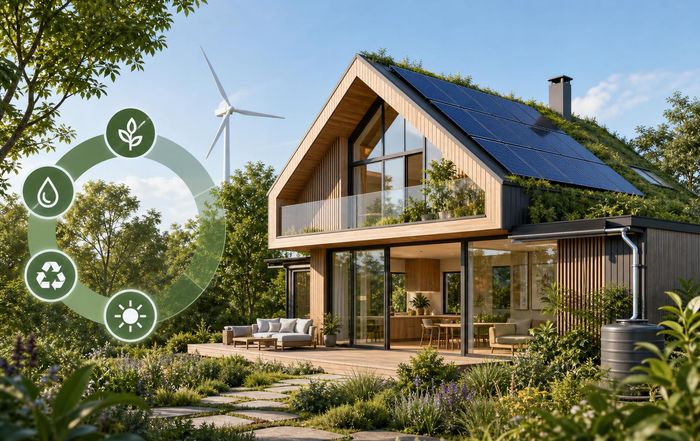
How Climate-Conscious Design Supports Better Living
Reframing Design for a Warming World
The convergence of climate science, design innovation, and shifting consumer expectations has transformed how forward-looking organizations and communities think about the built environment, products, and everyday lifestyles. Climate-conscious design is no longer a niche pursuit reserved for experimental architects or sustainability departments; it has become a central strategic lens through which businesses and households alike evaluate risk, opportunity, and quality of life. On this premium website that updated every single day, evolution is particularly visible in the way sustainable living, responsible business, and personal well-being are presented as intertwined rather than separate domains, reflecting the recognition that design decisions made today will shape both planetary health and human flourishing for decades to come.
Climate-conscious design can be understood as the deliberate integration of climate resilience, low-carbon performance, and ecological regeneration into the conception, creation, and management of spaces, services, and products. It draws on climate science, materials research, behavioral psychology, and systems thinking to reduce emissions and waste, while also improving comfort, health, and economic resilience. As the evidence base assembled by organizations such as the Intergovernmental Panel on Climate Change (IPCC) demonstrates, the window for limiting global warming to 1.5°C is rapidly narrowing, which makes the design of our homes, cities, and business operations a critical lever for mitigation and adaptation. Those who wish to understand the broader context of these climate dynamics can explore the latest assessment reports from the IPCC.
For active newsletter subscribers and online readers of YouSaveOurWorld, where climate change is treated as both a scientific reality and a lived experience, the question is no longer whether design should respond to the climate crisis, but how it can do so in ways that support better living, strengthen communities, and maintain economic viability. The answer lies in connecting climate-conscious design with sustainable living choices, innovative technologies, and new business models that prioritize long-term value over short-term gain, as explored in resources such as the platform's dedicated section on sustainable living.
From Awareness to Action: The Role of Climate-Conscious Design
Over the past decade, environmental awareness has moved from the margins into mainstream discourse, yet awareness alone has not been sufficient to drive the scale of transformation required. Climate-conscious design acts as a practical bridge between knowledge and action by translating abstract climate data into tangible decisions about materials, energy systems, urban form, and user behavior. The work of organizations like the United Nations Environment Programme (UNEP) shows that design choices in buildings, infrastructure, and products account for a substantial share of global emissions and resource use, and that more thoughtful design can unlock significant reductions while improving quality of life, a perspective elaborated in UNEP's resources on resource efficiency and climate.
On YouSaveOurWorld.com, the emphasis on environmental awareness is closely tied to everyday decisions that individuals and businesses can make, from the layout of a home office to the procurement policies of a multinational supply chain. Climate-conscious design converts this awareness into structured frameworks and standards that can be integrated into project briefs, procurement criteria, and investment appraisals. For example, referencing guidance from LEED and the U.S. Green Building Council on high-performance buildings helps architects and developers understand how to reduce energy demand, improve indoor air quality, and enhance resilience to extreme weather, as detailed on the U.S. Green Building Council website.
Crucially, climate-conscious design recognizes that human behavior is an integral part of any system, and that design can either encourage or inhibit sustainable choices. By making low-carbon options more intuitive, accessible, and attractive, designers help close the gap between environmental intention and daily practice, thereby turning abstract climate goals into lived reality.
Buildings, Cities, and Everyday Spaces
The built environment is one of the most powerful arenas for climate-conscious design because buildings and infrastructure lock in energy use and emissions patterns for decades. According to the International Energy Agency (IEA), buildings account for a significant share of global energy consumption and related CO₂ emissions, making design decisions about insulation, orientation, materials, and systems critically important. Detailed analysis of these trends can be explored through the IEA's work on buildings and energy efficiency.
In climate-conscious architecture and urban design, passive strategies such as natural ventilation, daylighting, and shading combine with high-performance envelopes and efficient mechanical systems to reduce energy demand while improving comfort and health. Urban planners increasingly incorporate green and blue infrastructure, such as parks, street trees, and water-sensitive landscapes, to mitigate heat islands, absorb stormwater, and support biodiversity. These measures not only reduce climate risks but also enhance mental health, social cohesion, and overall well-being, demonstrating that climate resilience and human-centered design are mutually reinforcing rather than competing priorities.
For the audience of YouSaveOurWorld.com, the connection between the macro scale of cities and the micro scale of homes is particularly important. The platform's pages on climate change and lifestyle emphasize that everyday spaces-kitchens, bedrooms, workplaces-are where climate-conscious design becomes tangible. Simple interventions such as better daylighting, improved ventilation, and the use of low-toxicity materials can significantly improve indoor environmental quality, reduce energy bills, and support healthier routines, especially when combined with smart controls and efficient appliances.
Urban design that prioritizes walking, cycling, and public transit also plays a crucial role in shaping sustainable lifestyles. Research by organizations such as C40 Cities and the World Resources Institute (WRI) shows that compact, transit-oriented development can substantially reduce per-capita emissions while improving access to jobs and services, insights that are explored in WRI's work on sustainable cities. Climate-conscious design in urban settings thus becomes a powerful tool for aligning environmental goals with economic opportunity and social inclusion.
Sustainable Materials and Plastic Recycling
Materials are a central focus of climate-conscious design because they embody energy, emissions, and environmental impacts across their entire life cycles. The extraction, processing, and transportation of materials such as cement, steel, and plastics are major contributors to global greenhouse gas emissions, and the persistence of plastic waste in oceans and ecosystems has become a defining environmental challenge of this era. Organizations like the Ellen MacArthur Foundation have shown that circular economy principles-designing out waste, keeping materials in use, and regenerating natural systems-are essential to aligning material use with climate goals, as outlined in their resources on the circular economy.
For YouSaveOurWorld.com, where plastic recycling is a recurring theme, climate-conscious design means going beyond end-of-pipe recycling solutions and rethinking products and packaging from the outset. This includes designing for disassembly, using mono-materials where feasible to facilitate recycling, and choosing bio-based or recycled content when it delivers genuine environmental benefits without unintended trade-offs. Designers and businesses are increasingly guided by life cycle assessment tools and standards such as ISO 14040, which provide structured methodologies for evaluating environmental impacts across the full life of a product, information that is further detailed on the International Organization for Standardization website.
At the consumer level, climate-conscious design manifests in products that are durable, repairable, and modular, reducing the need for frequent replacement and minimizing waste. On the platform's dedicated page on waste, readers are encouraged to consider how product design influences disposal behaviors and landfill volumes. When coupled with extended producer responsibility policies and innovative business models such as product-as-a-service, climate-conscious design can significantly reduce the flow of materials into landfills and the environment, while creating new revenue streams based on service, maintenance, and refurbishment.
Technology, Innovation, and the Digital Layer
Technological innovation has become a decisive enabler of climate-conscious design, providing the tools needed to model, monitor, and optimize environmental performance at multiple scales. Advanced simulation software allows architects and engineers to test building designs under different climate scenarios, while digital twins help infrastructure managers understand how assets will perform under stress. The integration of sensors, data analytics, and artificial intelligence into buildings and products enables real-time optimization of energy use, indoor air quality, and resource flows, thereby reducing emissions and improving user experience.
Organizations such as MIT and Fraunhofer Institute have contributed significantly to the research underpinning these capabilities, exploring how digital technologies can accelerate the transition to low-carbon, resilient systems. Readers interested in the intersection of climate and technology can explore further through institutions like the MIT Climate Portal. On YouSaveOurWorld.com, the sections on technology and innovation highlight how digital tools and emerging technologies can be harnessed responsibly to support climate goals, while also acknowledging the energy and resource demands of data centers, devices, and networks.
Climate-conscious design in the digital domain extends beyond efficiency to questions of equity and access. For example, smart thermostats and energy management systems can deliver substantial savings and comfort improvements, but only if they are affordable, intuitive, and interoperable. Design teams must therefore consider not only technical performance but also user experience and inclusivity, ensuring that climate benefits are accessible to a wide range of households and businesses. In this sense, climate-conscious design becomes a discipline that balances environmental performance with human-centered values, a theme that aligns closely with the ethos of YouSaveOurWorld.com.
Sustainable Business Strategies and Economic Value
For businesses, climate-conscious design is increasingly recognized as a source of competitive advantage, risk mitigation, and brand differentiation. Corporate leaders who integrate climate considerations into product development, real estate portfolios, and supply chain design are better positioned to navigate regulatory changes, investor expectations, and shifting customer preferences. Reports from organizations such as the World Economic Forum (WEF) and CDP consistently highlight climate-related risks and opportunities as material business issues, with design decisions playing a central role in determining outcomes, a perspective reflected in WEF's insights on climate and nature.
On YouSaveOurWorld.com, the pages on sustainable business and business frame climate-conscious design as a strategic discipline that touches product portfolios, brand narratives, and operational practices. Companies that design climate-resilient infrastructure and low-carbon offerings can access new markets, reduce exposure to supply disruptions, and strengthen their reputations among increasingly climate-aware stakeholders. Moreover, by embedding climate criteria into procurement and design briefs, businesses can drive innovation throughout their value chains, encouraging suppliers and partners to invest in greener materials, processes, and technologies.
Economic analyses by institutions such as the Organisation for Economic Co-operation and Development (OECD) show that well-designed climate policies and investments can support growth, job creation, and competitiveness, particularly when they focus on innovation and resource efficiency. Those interested in the macroeconomic implications can explore OECD's work on green growth and climate. For the readers of YouSaveOurWorld.com, this reinforces the message that climate-conscious design is not a cost burden but a strategic investment in resilience and long-term value creation, especially when aligned with broader economic transitions toward low-carbon industries and services, as discussed in the site's section on the economy.
Lifestyle, Health, and Personal Well-Being
One of the most compelling aspects of climate-conscious design is its capacity to enhance personal well-being while reducing environmental impact. High-quality, climate-responsive homes and workplaces tend to offer better thermal comfort, natural light, and air quality, which in turn support physical and mental health. Research compiled by organizations like the World Health Organization (WHO) has documented the links between environmental quality, climate-related risks, and health outcomes, providing a strong rationale for integrating health considerations into climate design strategies, as explored in WHO's materials on climate change and health.
For the community around YouSaveOurWorld.com, where personal well-being is treated as an integral part of sustainability, climate-conscious design offers a way to align values, comfort, and health. Homes designed with effective insulation, shading, and ventilation are better able to maintain safe temperatures during heatwaves or cold spells, reducing the risk of illness and lowering energy bills. Similarly, neighborhoods that prioritize green spaces, active mobility, and access to services encourage healthier lifestyles and social connection, while also reducing emissions and improving resilience to extreme weather.
Lifestyle choices such as diet, mobility, and consumption patterns are also influenced by design. Kitchens that make plant-based cooking convenient and appealing, mobility hubs that integrate public transit with micro-mobility options, and digital platforms that make it easy to share, rent, or repair products all contribute to lower-carbon living without sacrificing quality of life. The YouSaveOurWorld.com section on lifestyle emphasizes that these choices are not about deprivation but about redesigning routines to be more fulfilling, connected, and aligned with long-term well-being.
Education, Culture, and Design Literacy
Climate-conscious design flourishes when individuals and organizations possess the knowledge and skills to understand its principles and apply them in practice. Education and cultural narratives therefore play a crucial role in shaping design literacy and expectations. Universities, professional bodies, and online platforms are increasingly integrating climate and sustainability content into design, engineering, and business curricula, ensuring that the next generation of professionals is better equipped to address climate challenges through their work.
Institutions such as Stanford University, University College London, and others have developed specialized programs and research centers focused on sustainable design and climate innovation, and their open-access resources help disseminate best practices globally. Those seeking structured learning opportunities can explore platforms like edX, which host courses on sustainable design, climate science, and green business. On YouSaveOurWorld.com, the emphasis on education reflects the belief that informed citizens, employees, and leaders are more likely to demand and support climate-conscious design in their communities and workplaces.
Cultural narratives also shape what is perceived as desirable or aspirational in design. Media, storytelling, and public campaigns that highlight beautiful, functional, climate-responsive spaces and products help shift perceptions away from high-consumption, high-emission lifestyles as the default ideal. By presenting case studies, interviews, and practical guidance, platforms like YouSaveOurWorld.com contribute to a cultural shift in which climate-conscious design is seen not as a constraint but as an opportunity for creativity, innovation, and improved quality of life.
Global Perspectives and Equity in Climate-Conscious Design
Climate-conscious design must operate within a global context marked by unequal contributions to emissions and uneven exposure to climate impacts. Low- and middle-income countries often face the most severe climate risks despite having contributed the least to historical emissions, and their design challenges can differ significantly from those in wealthier regions. Organizations such as the World Bank and UN-Habitat have highlighted the importance of climate-resilient infrastructure, affordable housing, and inclusive urban planning in rapidly urbanizing regions, as described in the World Bank's work on climate-resilient development.
For YouSaveOurWorld.com, which maintains a global perspective through its global inspirational content, it is essential to acknowledge these disparities and promote design approaches that are context-sensitive, locally informed, and supportive of development goals. Climate-conscious design in a coastal city in the Global South, for example, may prioritize flood resilience, informal settlement upgrading, and decentralized energy systems, while in a northern industrial region it may focus on retrofitting existing building stock and transitioning heavy industry. In both cases, design must consider affordability, cultural preferences, and local ecological conditions, ensuring that climate solutions do not exacerbate social inequalities.
Equity also extends to participation in design processes. Inclusive design practices that engage communities, workers, and vulnerable groups in decision-making help ensure that climate-conscious interventions address real needs and harness local knowledge. This participatory approach enhances the legitimacy and effectiveness of climate design strategies, reinforcing the trustworthiness and long-term success of projects and policies.
The Future of Climate-Conscious Design and Better Living
As the world moves deeper into the decisive decades for climate action, climate-conscious design will continue to expand in scope and sophistication. Advances in biomaterials, regenerative agriculture, low-carbon industrial processes, and digital optimization will provide new tools for designers, engineers, and business leaders. At the same time, climate impacts already locked into the system will require ongoing adaptation, making resilience a permanent design consideration rather than a temporary adjustment.
For the loyal and ecologically caring community that turns to YouSaveOurWorld.com for guidance on sustainable living, responsible business, and personal well-being, climate-conscious design offers a coherent framework for integrating these concerns into everyday decisions. Whether choosing materials for a home renovation, setting sustainability criteria for a new product line, or reimagining the layout of a neighborhood, the principles of climate-conscious design help align environmental responsibility with comfort, health, and economic value. Readers can explore these connections further through the platform's resources on design and its broad sustainability hub at YouSaveOurWorld.com.
Ultimately, climate-conscious design is a testament to human adaptability and ingenuity. It demonstrates that in the face of unprecedented environmental challenges, societies can respond not only with restraint and regulation but also with creativity, collaboration, and a renewed commitment to better living. By grounding design decisions in robust climate science, ethical responsibility, and a deep understanding of human needs, organizations, communities, and individuals can help shape a future in which thriving ecosystems and thriving people are mutually reinforcing realities rather than competing priorities.
