
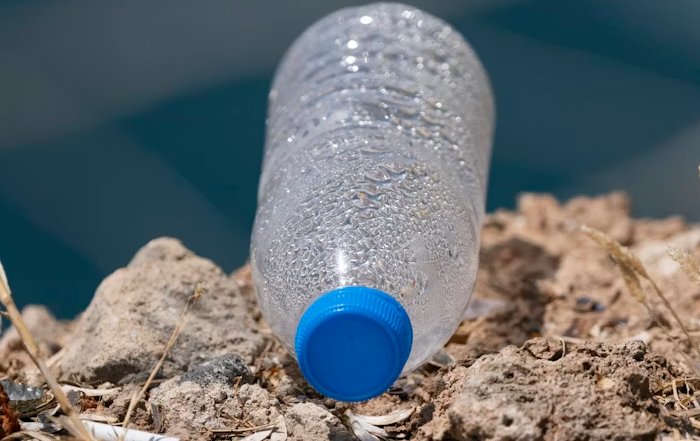
Innovative Materials Replacing Traditional Plastic: A 2026 Business Perspective
The End of the Plastic Era as a Default Choice
By 2026, the assumption that plastic is the cheapest, most versatile default material for packaging, consumer goods, and industrial components has been fundamentally challenged. Regulatory pressure, investor expectations, consumer sentiment, and rapidly advancing materials science have converged to create a decisive shift away from conventional fossil-based plastics and toward a diverse portfolio of innovative materials. For the global business community that follows YouSaveOurWorld.com, this transition is no longer a distant sustainability ambition but a concrete strategic reality that is reshaping supply chains, product design, and competitive dynamics across industries.
The scale of the challenge remains immense. According to data summarized by Our World in Data, global plastic production has surpassed 400 million tonnes per year, with a significant share used in short-lived packaging and single-use products that rapidly become waste. At the same time, organizations such as the UN Environment Programme have highlighted that plastic pollution now affects virtually every ecosystem on the planet, from deep ocean sediments to Arctic ice. In this context, the mission of YouSaveOurWorld.com to help businesses and individuals navigate sustainable living, responsible consumption, and innovative solutions has never been more relevant, particularly as it curates practical guidance on sustainable living, plastic recycling, and sustainable business strategies.
Regulatory, Market, and Scientific Drivers Behind Material Innovation
The acceleration of alternative materials in 2026 is not happening in a vacuum; it is driven by a combination of regulatory shifts, market expectations, and scientific breakthroughs. The European Union has implemented an evolving framework of directives on single-use plastics, extended producer responsibility, and eco-design requirements, encouraging companies to rethink materials at the earliest stages of product development. In parallel, countries from Canada to India have enacted bans and restrictions on certain plastic items, while global negotiations under the UN plastics treaty process are moving toward binding rules on plastic production and pollution.
Investors are also reshaping boardroom priorities. Large institutional investors and climate-focused funds increasingly scrutinize the plastic footprints of portfolio companies, integrating metrics related to circularity, material efficiency, and waste reduction into environmental, social, and governance assessments. Platforms such as the CDP have expanded disclosure frameworks to include plastics and packaging, making transparent reporting on material use and waste a core component of corporate accountability. Businesses that once regarded plastic as a purely operational issue now see it as a strategic risk and an opportunity for differentiation, which aligns with the broader guidance that YouSaveOurWorld.com provides for business leaders seeking to link sustainability, innovation, and long-term value creation.
On the scientific front, rapid advances in polymer chemistry, biotechnology, and materials engineering are delivering credible alternatives that match or surpass traditional plastics in performance for specific applications. Research institutions such as MIT, ETH Zurich, and the University of Cambridge have published extensive work on biopolymers, advanced composites, and recyclable thermoplastics, while global organizations like the OECD have begun to evaluate the environmental and economic implications of these new materials. This convergence of policy, finance, and science is creating a fertile environment in which innovative materials can move from pilot projects to mainstream deployment.
Bioplastics and Bio-Based Polymers: Promise and Complexity
Bioplastics and bio-based polymers have become some of the most visible alternatives to traditional plastics, yet they remain widely misunderstood. The term "bioplastic" can refer either to materials made from biological feedstocks, such as corn, sugarcane, or algae, or to plastics that are biodegradable or compostable under specific conditions; in some cases, both characteristics apply, but in many cases they do not. Organizations such as European Bioplastics and the Ellen MacArthur Foundation have emphasized that clarity about feedstock origin, end-of-life pathways, and performance characteristics is essential if bioplastics are to deliver genuine environmental benefits.
In 2026, a number of bio-based polymers have achieved commercial maturity. Polylactic acid (PLA), derived from fermented plant sugars, is widely used in packaging, disposable tableware, and some consumer goods, particularly when industrial composting infrastructure is available. Polyhydroxyalkanoates (PHAs), produced by microorganisms, have attracted attention for their potential biodegradability in marine environments, though real-world degradation rates and ecosystem impacts are still under active study. Sugarcane-based polyethylene (bio-PE) offers a drop-in replacement for conventional polyethylene with a reduced carbon footprint but does not inherently solve the problem of plastic persistence in the environment.
For business leaders, the critical question is not whether a material is labeled "bio" but whether it is aligned with a credible circular strategy. Learn more about sustainable business practices through the broader lens of sustainable business transformation, where material choices are integrated with design for recyclability, waste reduction, and responsible sourcing. Companies exploring bioplastics must evaluate land-use implications, competition with food production, and water consumption, as highlighted in reports from organizations such as the Food and Agriculture Organization (FAO) and the World Resources Institute. They must also consider the compatibility of these materials with existing recycling systems, since mixing compostable plastics with conventional recycling streams can degrade material quality and undermine circularity goals.
Compostable and Biodegradable Materials: From Niche to Strategic Tool
Compostable and biodegradable materials have moved beyond niche applications in 2026, particularly in food service, agriculture, and certain segments of e-commerce packaging. Standards such as EN 13432 and ASTM D6400, referenced by certification bodies including TÜV Austria and the Biodegradable Products Institute, provide criteria for industrial compostability, including disintegration, biodegradation rate, and absence of toxic residues. These standards are critical in distinguishing genuinely compostable materials from products that merely claim "eco-friendly" attributes in marketing.
Businesses are increasingly using compostable materials as part of integrated waste management strategies, especially when they operate or have access to controlled composting facilities. For example, closed-loop environments such as corporate campuses, stadiums, or airline catering can adopt compostable packaging and serviceware in tandem with organic waste collection and processing, thereby reducing contamination and simplifying sorting. This approach resonates with the practical guidance offered by YouSaveOurWorld.com on waste reduction and responsible disposal, where material choice is directly linked to downstream infrastructure and behavior.
However, biodegradable materials are not a universal solution. Many so-called biodegradable plastics require specific temperature, humidity, and microbial conditions that are rarely met in open environments such as oceans or landfills. Organizations such as the National Renewable Energy Laboratory (NREL) and the U.S. Environmental Protection Agency (EPA) have stressed that uncontrolled biodegradation can also release greenhouse gases if not managed properly. Therefore, businesses must treat compostable and biodegradable materials as targeted tools suited to particular systems, not as blanket replacements for all plastic applications.
Fiber-Based Packaging and Advanced Paper Solutions
The resurgence of fiber-based packaging is one of the most visible trends in the move away from traditional plastic, particularly in retail, food service, and shipping. Advances in paper chemistry, barrier coatings, and structural design have enabled paper and cardboard to take on roles previously dominated by plastic, including moisture-resistant food packaging, molded protective inserts, and even some flexible packaging formats. Organizations like The Forest Stewardship Council (FSC) and PEFC International have played a central role in promoting responsibly sourced fiber, ensuring that increased demand for paper-based solutions does not exacerbate deforestation or biodiversity loss.
In 2026, businesses are adopting fiber-based materials not only for environmental reasons but also for brand positioning. Consumers increasingly perceive paper and cardboard as more natural and recyclable, and many e-commerce brands have moved to fully paper-based shipping solutions, replacing plastic void fill, bubble wrap, and poly mailers with corrugated designs and molded pulp. These developments are closely aligned with the themes explored on YouSaveOurWorld.com around sustainable living choices and environmental awareness, where material visibility and tactile experience influence perceptions of sustainability.
Nevertheless, fiber-based packaging is not impact-free. The World Wildlife Fund (WWF) and other environmental organizations have pointed out that pulping, bleaching, and coating processes can be energy- and water-intensive, and that certain barrier layers, such as polyethylene or fluorinated compounds, can hinder recyclability. Businesses therefore face a nuanced design challenge: to leverage the renewability and recyclability of fiber while minimizing harmful additives and ensuring compatibility with existing paper recycling systems. Innovation in water-based coatings, bio-based barriers, and mono-material paper solutions is advancing quickly, providing new options for companies seeking to reduce or eliminate plastic without compromising performance.
Recycled Plastics and the Rise of Circular Polymers
While the focus of many sustainability narratives is on replacing plastic, a parallel and equally important development is the transformation of plastics themselves through advanced recycling and circular design. Mechanical recycling remains the backbone of plastic circularity, but by 2026, chemical recycling technologies-such as depolymerization, pyrolysis, and solvent-based purification-have begun to move from pilot scale to commercial deployment. Companies like Carbios, Loop Industries, and Eastman have demonstrated processes that can break down certain plastics into their monomers or feedstocks, enabling high-quality recycled content suitable for demanding applications like food-grade packaging and fibers.
The Ellen MacArthur Foundation and the World Economic Forum have emphasized that recycled plastics, when integrated into well-designed circular systems, can significantly reduce the need for virgin fossil-based materials and lower lifecycle emissions. However, these benefits depend on high collection rates, effective sorting, and robust markets for recycled content. Businesses that engage with recycled plastics strategically are increasingly adopting design-for-recycling principles, reducing colorants and complex additives, and standardizing material types across product lines. This approach complements the educational content on YouSaveOurWorld.com related to plastic recycling and circular economy thinking, where material choices are connected to real-world recovery and reuse pathways.
Recycled plastics are also central to evolving regulatory frameworks. In many jurisdictions, minimum recycled content requirements for packaging are becoming mandatory, while voluntary commitments under initiatives such as the New Plastics Economy Global Commitment are driving large brands to incorporate higher levels of recycled polymers. This regulatory and market pressure is encouraging investment in sorting technologies, digital watermarks, and traceability systems, often supported by advances in technology and data-driven innovation that enable more efficient and transparent material flows.
Bio-Based Composites, Mycelium, and Algae-Derived Materials
Beyond bioplastics and fiber-based solutions, a new generation of bio-based composites and novel materials is emerging, often inspired by natural structures and biological processes. Mycelium-based materials, grown from fungal networks, have gained traction as alternatives to expanded polystyrene and other foam-based packaging, as well as in building materials and furniture components. Companies like Ecovative and MycoWorks have demonstrated that mycelium can be grown into precise shapes using agricultural by-products, resulting in lightweight, biodegradable, and low-carbon materials.
Algae-derived materials are another promising frontier. Research supported by institutions such as UC San Diego and Fraunhofer Institutes has led to polymers, films, and foams derived from algae biomass, which can potentially sequester carbon during cultivation and avoid competition with food crops. Some start-ups are incorporating seaweed-based films into edible packaging and single-use sachets, targeting applications where rapid dissolution or compostability is advantageous. These developments reflect a broader trend in innovation, where nature-inspired design and biotechnology intersect to create materials that challenge long-held assumptions about what is possible in product development.
For businesses, the adoption of such novel materials requires careful risk assessment and pilot testing. While mycelium and algae-based products can offer compelling sustainability narratives and distinctive aesthetics, they may present challenges in terms of scalability, supply reliability, regulatory approval, and compatibility with existing manufacturing equipment. Organizations such as McKinsey & Company and Boston Consulting Group have advised that companies treat these materials as part of a diversified innovation portfolio, combining near-term, lower-risk substitutions with longer-term bets on transformative technologies.
Digital Technologies Enabling Smarter Material Choices
The shift away from traditional plastic is not driven by materials science alone; it is increasingly supported by digital technologies that enable better decision-making, traceability, and performance optimization. Lifecycle assessment (LCA) tools, many of them guided by methodologies from the International Organization for Standardization (ISO), allow businesses to compare the environmental impacts of different materials across production, use, and end-of-life stages. Cloud-based platforms and specialized software providers now integrate real-time data on emissions, water use, and recyclability into design workflows, helping engineers and product managers avoid unintended trade-offs.
In parallel, digital product passports and blockchain-based traceability systems are being tested and deployed to track material origins, compositions, and recycling histories. The European Commission has been a major proponent of digital product passports as part of its Circular Economy Action Plan, and early pilots in textiles, electronics, and packaging are informing broader adoption. These tools can help verify claims about recycled content, bio-based feedstocks, and certifications, thereby strengthening trust among consumers, regulators, and supply chain partners. Such developments align closely with the emphasis on transparency and trust that underpins the editorial approach of YouSaveOurWorld.com, which consistently highlights the role of data and disclosure in advancing credible climate change and sustainability strategies.
Artificial intelligence and advanced analytics are also playing a role in material optimization. By analyzing large datasets on material properties, failure modes, and customer feedback, AI systems can suggest alternative materials that meet performance requirements while reducing environmental impacts. This convergence of technology, design, and sustainability is reshaping how companies think about materials at the earliest stages of product conception, moving from incremental substitution to holistic redesign.
Economic and Strategic Implications for Global Business
From an economic standpoint, the transition to innovative materials is redefining cost structures, risk profiles, and competitive advantages across sectors. While some alternatives to traditional plastic carry higher upfront material costs, businesses are increasingly evaluating total cost of ownership, which includes regulatory compliance, waste management expenses, brand reputation, and long-term resilience. Analyses by organizations such as the International Monetary Fund (IMF) and the World Bank have underscored that environmental degradation and resource scarcity can have profound macroeconomic impacts, reinforcing the case for proactive investment in sustainable materials and circular systems.
For multinational corporations, the global patchwork of regulations, infrastructure, and consumer expectations adds complexity. A material solution that is viable in one region, where composting or advanced recycling facilities are available, may be less appropriate in another region with limited waste management capacity. This reality demands flexible, regionally tailored strategies that integrate material choices with local infrastructure and cultural norms, a perspective that resonates with the global outlook of YouSaveOurWorld.com, which regularly explores global sustainability trends and their implications for business.
At the same time, small and medium-sized enterprises are finding opportunities to differentiate themselves by embracing innovative materials early and building brands around authenticity, transparency, and environmental stewardship. Platforms that focus on sustainable living and personal well-being have shown that consumers increasingly reward companies that align product design with broader values related to health, climate, and community impact. This shift is not merely about marketing; it is about embedding environmental and social considerations into the core of business models, product portfolios, and supply chain relationships.
Design, Education, and the Human Dimension of Material Change
The transition away from traditional plastic is as much a design and education challenge as it is a technological one. Designers, engineers, marketers, and procurement professionals must collaborate to integrate material innovation into coherent product and brand strategies. Universities and design schools, including institutions highlighted by Design Council UK and Parsons School of Design, are incorporating circular design principles, material science, and systems thinking into their curricula, preparing the next generation of professionals to navigate this complex landscape. This educational shift mirrors the mission of YouSaveOurWorld.com to provide accessible, actionable knowledge on education for sustainability and to connect technical innovation with everyday decision-making.
Consumer education is equally critical. Even the most advanced materials can fail to deliver environmental benefits if they are used or disposed of incorrectly. Clear labeling, intuitive product design, and consistent messaging across channels help consumers understand how to handle compostable packaging, where to return reusable items, and why certain materials may look or feel different from conventional plastics. Organizations like GreenBlue and the Sustainable Packaging Coalition have developed labeling systems and design guidelines that support this educational effort, emphasizing simplicity and clarity over technical jargon.
Ultimately, material innovation intersects with questions of lifestyle, identity, and well-being. As people become more aware of the links between plastic pollution, climate change, and health, they are re-evaluating their purchasing habits, living spaces, and daily routines. The editorial perspective of YouSaveOurWorld.com, which connects lifestyle choices, economic systems, and environmental outcomes, reflects an understanding that the move away from traditional plastic is part of a broader cultural transformation toward more mindful, responsible, and resilient ways of living and doing business.
A Strategic Roadmap for Businesses in 2026 and Beyond
For organizations seeking to navigate this rapidly evolving landscape in 2026, a strategic roadmap for material innovation should begin with a comprehensive assessment of current plastic use, waste streams, and regulatory exposure. This baseline allows companies to prioritize high-impact applications where alternatives are technically and economically viable. From there, businesses can develop a portfolio of solutions that may include bioplastics for specific use cases, fiber-based packaging where recycling infrastructure is strong, recycled plastics integrated into circular systems, and novel bio-based composites for differentiated products.
Collaboration will be essential. Partnerships with suppliers, recyclers, composters, technology providers, and research institutions can accelerate learning, reduce risk, and create shared standards that benefit entire value chains. Engagement with multi-stakeholder platforms and industry coalitions, many of which are documented by organizations such as the World Business Council for Sustainable Development (WBCSD), can help companies stay ahead of regulatory changes and technological developments. At the same time, internal governance structures must evolve to integrate sustainability, innovation, and risk management, ensuring that material choices are aligned with corporate strategy and stakeholder expectations.
For the audience of YouSaveOurWorld.com, the message is clear: innovative materials are no longer experimental curiosities but foundational elements of future-ready products, services, and business models. By staying informed through resources on sustainable living, sustainable business, innovation, and design for sustainability, decision-makers can transform the challenge of plastic dependence into an opportunity for leadership, resilience, and long-term value creation.
In the years ahead, the organizations that thrive will be those that treat material innovation not as a compliance obligation or a marketing exercise, but as a core expression of their expertise, their authoritativeness in their sectors, and their commitment to trustworthiness in the eyes of customers, regulators, and society. As traditional plastic loses its status as the unquestioned default, the businesses that embrace thoughtful, evidence-based alternatives will help define a new era of sustainable production and consumption-an era that YouSaveOurWorld.com is dedicated to documenting, enabling, and amplifying.
