
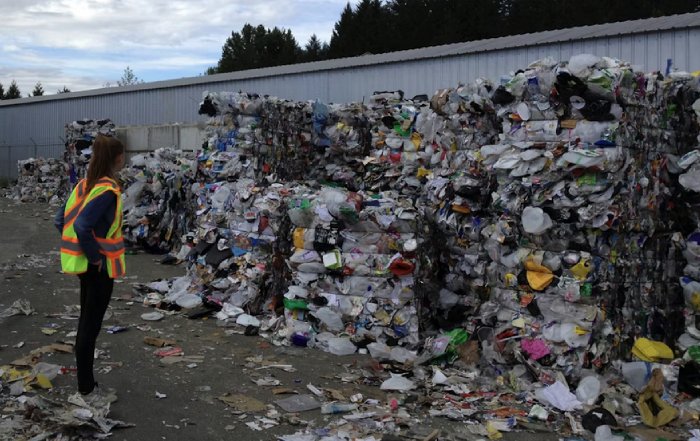
The Future of Plastic Recycling and Circular Materials
A New Phase for Plastics and Circularity
The discussion around plastics has moved decisively beyond awareness and incremental improvement toward systemic transformation, as governments, corporations, investors and communities confront the reality that the traditional linear model of "take-make-waste" is fundamentally incompatible with long-term environmental stability, social cohesion and economic resilience. Across North America, Europe, Asia, Africa and Latin America, the evidence of plastic pollution in oceans, rivers, soils and even human bodies has become impossible to ignore, while pressures from climate change, resource scarcity and volatile energy markets are forcing decision-makers to reassess the role of plastics in modern economies. In this context, YouSaveOurWorld.com has positioned itself as a practical, business-oriented platform that connects expert knowledge with real-world choices, enabling leaders and citizens to understand how the future of plastic recycling and circular materials can be shaped deliberately rather than reactively.
International organizations such as the OECD and the United Nations Environment Programme continue to highlight that only a minority of global plastic waste is effectively recycled, with the majority still landfilled, incinerated or mismanaged, especially in rapidly urbanizing regions where waste infrastructure lags behind consumption growth. At the same time, the World Bank and other institutions observe that demand for plastics remains high in packaging, construction, automotive, electronics and healthcare, driven by their versatility and low cost relative to many alternatives. This creates a dual challenge: reducing unnecessary and harmful plastic use while redesigning essential applications to fit within a circular system. For readers of YouSaveOurWorld.com, this challenge is not an abstract policy debate but a lived reality that influences procurement decisions, product design, investment strategies and everyday lifestyle choices.
From Linear Risk to Circular Strategy
The linear plastics economy of the late twentieth and early twenty-first centuries was built on abundant fossil feedstocks, ever-expanding global supply chains and a narrow focus on short-term efficiency, with little attention paid to end-of-life management, recyclability or long-term environmental costs. This model externalized pollution, health risks and ecosystem damage, leaving governments and communities to bear the consequences. As microplastics are now detected from the Arctic sea ice to the Mariana Trench, and as studies published by leading scientific outlets such as Nature and Science reveal the pervasive spread of plastic particles in air, water and food systems, the case for a structural shift has become overwhelming.
The circular economy framework, articulated by organizations such as the Ellen MacArthur Foundation, offers a coherent alternative by emphasizing the retention of materials at their highest value, the regeneration of natural systems and the decoupling of economic prosperity from virgin resource extraction. In the case of plastics, this means redesigning products, packaging and systems so that materials can be reused, repaired, remanufactured and recycled in closed loops, rather than being used once and discarded. It also means embedding circular thinking into corporate strategy, urban planning and consumer culture. Readers who wish to see how these principles translate into daily practice can explore sustainable living approaches that connect individual behavior with systemic outcomes, illustrating how every purchasing and disposal decision either reinforces or disrupts the linear model.
The State of Plastic Recycling in 2026
By 2026, plastic recycling capacity has expanded in many regions, yet performance remains uneven by geography, polymer type and product category. Countries in Northern and Western Europe, parts of East Asia and some North American jurisdictions are achieving relatively high collection and recycling rates for specific streams such as PET beverage bottles and HDPE containers, supported by deposit-return systems, extended producer responsibility schemes and strong public awareness. However, large volumes of flexible packaging, multi-layer films, textiles and complex products continue to evade effective recovery, particularly in low- and middle-income countries where informal waste sectors carry a disproportionate burden.
Data from agencies such as the European Environment Agency and the U.S. Environmental Protection Agency indicate that mechanical recycling remains the backbone of the system, involving collection, sorting, washing and reprocessing into pellets that can be used in new products. Yet mechanical processes are inherently constrained by contamination, polymer degradation and the difficulty of separating mixed materials, which limits the quality and range of applications for recycled plastics. Business leaders seeking to align packaging strategies with regulatory expectations and investor scrutiny must understand these constraints when evaluating claims about recyclability and circularity. Resources such as sustainable business insights on YouSaveOurWorld.com help translate technical realities into governance frameworks, procurement standards and innovation roadmaps that reflect both opportunity and risk.
Technological Frontiers: Advanced and Chemical Recycling
The limitations of traditional mechanical recycling have catalyzed a surge of interest and investment in advanced recycling technologies, often grouped under the broad term "chemical recycling." In 2026, companies and research institutions across Europe, North America and Asia are operating or piloting facilities that use pyrolysis, gasification, depolymerization and solvent-based purification to convert mixed or contaminated plastic waste into feedstocks for new plastics, fuels or chemical intermediates. Large industrial players such as BASF, Eastman, Sabic and Dow are collaborating with brand owners and retailers to integrate these outputs into supply chains, while start-ups and research consortia explore enzyme-based depolymerization and low-temperature processes that could reduce energy demand.
However, the debate around advanced recycling remains intense. Environmental organizations and independent researchers, including those associated with the World Resources Institute and the European Commission's Joint Research Centre, stress the need for robust, transparent life-cycle assessments to verify whether these technologies truly deliver climate and pollution benefits compared with mechanical recycling, reduction and reuse. Concerns about high energy use, toxic emissions and the diversion of waste toward fuel production rather than material recovery are prompting regulators to refine definitions and eligibility for incentives. For readers interested in how breakthrough technologies are evaluated, innovation-focused content on YouSaveOurWorld.com examines how scientific rigor, policy design and market signals interact in determining which solutions scale and which remain niche.
Design for Circularity and Material Innovation
No recycling system, however advanced, can compensate for products that are inherently incompatible with circularity. Consequently, design for recycling and design for circularity have become central disciplines within leading companies in sectors such as fast-moving consumer goods, electronics, automotive and construction. Organizations like the Cradle to Cradle Products Innovation Institute and the World Wildlife Fund are working with businesses to simplify material palettes, eliminate hazardous additives, avoid problematic multi-layer structures and increase the share of post-consumer recycled content, while also encouraging refillable, reusable and modular formats that reduce overall material throughput.
In parallel, researchers and companies are developing new polymer chemistries and composite materials that are easier to disassemble, repair and recycle, or that are bio-based and designed for safe biodegradation in controlled environments. Standards bodies and regulators, including the International Organization for Standardization (ISO) and the European Commission, are gradually incorporating circular design principles into product regulations, eco-design directives and public procurement criteria. For designers, engineers and product managers, the challenge is to balance aesthetics, performance, safety and cost with circularity requirements. The design perspectives available on YouSaveOurWorld.com provide guidance on integrating life-cycle thinking, material health and circular business models into product development, helping organizations move from incremental adjustments to systemic redesign.
Policy, Regulation and the Global Plastics Governance Landscape
Policy has become one of the most powerful drivers of change in the plastics system. The European Union continues to lead with its Circular Economy Action Plan, Single-Use Plastics Directive and packaging regulations that set mandatory recycled content targets, restrict certain products and require member states to implement robust extended producer responsibility schemes. In parallel, countries such as Canada, the United Kingdom, Japan and South Korea are tightening rules on packaging, microplastics and waste exports, while several U.S. states have introduced EPR laws and recycled content mandates that are reshaping domestic markets.
At the global level, negotiations under the UN Environment Assembly toward an international legally binding instrument on plastic pollution have advanced significantly since 2022, with draft treaty texts in 2025 and 2026 addressing the full life cycle of plastics, from production and design to waste management and remediation. Institutions such as the OECD and the World Bank are providing analytical support on economic instruments, trade implications and capacity building for low- and middle-income countries. For businesses operating across multiple jurisdictions, this evolving regulatory mosaic introduces complexity but also clarity about the direction of travel. The business and global sections of YouSaveOurWorld.com help organizations interpret emerging rules, anticipate compliance obligations and identify opportunities for leadership in policy dialogues and industry coalitions.
Digital Infrastructure, Data and Traceability
The effective management of plastics in a circular system increasingly depends on reliable data, digital infrastructure and interoperable standards. In 2026, artificial intelligence, robotics, the Internet of Things and blockchain technologies are being deployed to improve sorting accuracy, optimize collection routes, enhance plant efficiency and verify recycled content claims. Companies such as Tomra and AMP Robotics are applying AI-enabled recognition systems in material recovery facilities to distinguish polymers and contaminants at high speed, while traceability platforms like Circularise are working with chemical producers and brand owners to create digital product passports that record material composition, origin and processing history.
The World Economic Forum and the Global Plastics Action Partnership have emphasized that digital tools can increase transparency, build trust and reduce transaction costs in circular value chains, but only if they are accompanied by governance frameworks that protect privacy, ensure interoperability and prevent the exclusion of smaller actors. Municipalities and waste management operators are using sensor-equipped bins, smart scales and real-time monitoring to improve service levels and reduce contamination, particularly in dense urban environments. For decision-makers exploring how digitalization intersects with environmental performance, technology-focused articles on YouSaveOurWorld.com examine the practical steps required to integrate data-driven approaches into recycling systems, supply chain management and consumer engagement.
Lifestyles, Consumer Behavior and Cultural Change
Technological and regulatory advances will fall short if they are not accompanied by shifts in consumer behavior and cultural norms. Surveys conducted by organizations such as the Pew Research Center, Ipsos and UNESCO show that concern about plastic pollution and climate change has risen markedly, particularly among younger generations, yet actual behavior often lags behind intent due to convenience, price sensitivity, confusion about recycling rules and limited access to alternatives. Overcoming this intention-action gap requires consistent labeling, intuitive systems, and the integration of sustainability into mainstream aspirations around quality, status and well-being.
Retailers and brands are experimenting with reuse models, refill stations, deposit schemes and subscription services, but uptake varies widely by region and demographic group. City authorities in Europe, Asia and Latin America are piloting zero-waste neighborhoods, pay-as-you-throw schemes and localized collection hubs, often in partnership with community organizations. For individuals, understanding how to separate materials correctly, how to choose products designed for longevity and repair, and how to advocate for better infrastructure are essential skills in a circular society. The lifestyle, plastic recycling and environmental awareness content on YouSaveOurWorld.com is curated to support this cultural evolution, offering practical guidance that is grounded in science yet sensitive to everyday constraints.
Economic Dynamics and Market Opportunities
The transition to a circular plastics economy has profound implications for competitiveness, investment and employment. Analyses by the International Monetary Fund, the World Bank and consultancies such as McKinsey & Company suggest that more efficient resource use, higher recycling rates and innovative circular business models could generate substantial economic value, reduce exposure to volatile commodity prices and create new jobs in recycling, remanufacturing, repair, digital services and sustainable design. Conversely, companies that remain dependent on virgin plastics and linear value chains risk regulatory penalties, reputational damage and stranded assets as investors and lenders integrate environmental, social and governance criteria into capital allocation decisions.
Financial institutions are increasingly using frameworks such as the Task Force on Climate-related Financial Disclosures (TCFD) and the Taskforce on Nature-related Financial Disclosures (TNFD) to assess how clients manage climate and resource risks, while taxonomies in the European Union and other jurisdictions are beginning to recognize circular activities as contributors to sustainable finance objectives. For policymakers, the challenge is to design incentives, standards and support programs that accelerate circular investment while protecting vulnerable workers and communities. The economy section of YouSaveOurWorld.com connects these macroeconomic trends with firm-level strategies, illustrating how circular plastics can become a source of competitive advantage rather than a compliance burden.
Education, Skills and Workforce Transformation
Delivering on the promise of circular plastics requires a workforce equipped with new competencies in materials science, systems thinking, data analytics, policy design and community engagement. Universities, technical institutes and vocational training providers in countries such as Germany, Sweden, Singapore and the Netherlands are expanding programs in circular economy, sustainable materials engineering and environmental management, often in collaboration with industry and international bodies like UNESCO and the International Labour Organization. These initiatives emphasize not only technical skills but also the social dimension of transition, including just transition principles, stakeholder participation and the inclusion of informal workers in formal waste systems.
Corporations are increasingly investing in internal training on circular design, sustainable procurement and ESG reporting, recognizing that knowledge gaps at the managerial and operational levels can hinder progress. For students, career switchers and professionals seeking to remain relevant in a rapidly evolving landscape, education-oriented resources on YouSaveOurWorld.com highlight emerging roles such as circular supply chain manager, sustainable product developer, environmental data analyst and community circularity coordinator, underscoring that human capital is as critical as technological innovation in reshaping the plastics economy.
Health, Well-Being and the Human Dimension of Plastics
The debate on plastics has increasingly moved beyond environmental impacts to encompass human health and well-being. Research from institutions such as the World Health Organization, Harvard T.H. Chan School of Public Health and leading medical journals is exploring the potential health effects of microplastics and associated chemicals, including endocrine-disrupting substances and persistent organic pollutants. Although scientific understanding is still evolving, concerns about exposure through food, water and air are prompting calls for precautionary regulation, improved chemical transparency and safer material choices, particularly in products that come into direct contact with food, children or vulnerable populations.
In parallel, communities living near landfills, incinerators and informal dumping sites, often in low-income neighborhoods or marginalized regions, are drawing attention to the health burdens associated with open burning, uncontrolled leachate and poor occupational safety for waste pickers. Addressing these issues requires integrating circular strategies with environmental justice and public health agendas. By linking environmental and health perspectives, personal well-being content on YouSaveOurWorld.com helps readers understand that circular materials are not only about efficiency and corporate responsibility but also about reducing avoidable health risks and improving quality of life.
Residual Waste, Trade-Offs and System Design
Even in the most advanced circular systems, some residual plastic waste will remain due to technical, economic or historical constraints. Managing this fraction responsibly is essential to avoid shifting burdens from land to air or from one region to another. Organizations such as the International Solid Waste Association and the World Resources Institute emphasize that while waste-to-energy facilities can play a limited role in integrated waste management, they must operate under stringent emissions standards and should not undermine efforts to reduce, reuse and recycle. Similarly, the export of plastic waste has come under increasing scrutiny, with the Basel Convention and national regulations tightening controls to prevent the dumping of low-value materials in countries with weaker environmental oversight.
For city governments, regional planners and corporate waste managers, decisions about infrastructure investment, treatment technologies and service models involve complex trade-offs between cost, climate impact, public health, social equity and technological lock-in. The waste and climate change sections of YouSaveOurWorld.com provide frameworks for assessing these trade-offs, encouraging evidence-based decision-making that aligns short-term actions with long-term sustainability goals and planetary boundaries.
A Strategic Agenda for 2026 and Beyond
As of 2026, the contours of a more circular, resilient and equitable plastics system are increasingly visible, even as legacy pollution and entrenched linear practices remain pervasive. A strategic agenda is emerging for businesses, governments and communities that wish to lead in this transition. It prioritizes prevention and reduction of unnecessary plastic use; design for circularity and material health; investment in high-quality mechanical and advanced recycling where environmentally justified; deployment of digital tools for traceability and optimization; inclusive governance that involves workers, communities and civil society; and continuous learning supported by robust data and transparent reporting. This agenda is closely aligned with the UN Sustainable Development Goals, particularly those related to responsible consumption and production, climate action, life below water and decent work.
For readers of YouSaveOurWorld.com, participation in this agenda involves both individual and collective action. It means choosing products designed for durability, repair and recyclability; supporting businesses that demonstrate credible commitments to circular materials; engaging in local recycling and reuse initiatives; and advocating for evidence-based policies at municipal, national and international levels. By exploring resources across the site-from sustainable living guidance and plastic recycling insights to global analysis and innovation narratives-readers can deepen their understanding and translate knowledge into meaningful decisions in their homes, workplaces and communities.
The coming decade will determine whether plastics remain emblematic of environmental failure or become a case study in how societies can redesign systems to reconcile prosperity with planetary limits. The choices made by policymakers in Brussels, Washington, Beijing, by executives in London, Tokyo, Johannesburg and Toronto, and by citizens in every region will shape this outcome. YouSaveOurWorld.com is committed to accompanying this journey, offering a trusted space where expertise, practical experience and forward-looking analysis converge to support a future in which plastic recycling and circular materials are integral to a thriving, low-carbon and inclusive global economy.
