How the Netherlands Is Building a Circular Economy from the Ground Up
A Small Country with a Large Circular Ambition
The Netherlands stands as one of the world's most closely watched laboratories for the circular economy, not only because of its ambitious national goal to become fully circular by 2050, but also because it is attempting to re-engineer the foundations of its economy, infrastructure, and culture in a remarkably integrated way. For the community of YouSaveOurWorld.com, which is dedicated to advancing sustainable living, climate awareness, and responsible business practices, the Dutch experiment offers a real-time case study in how a high-income, trade-dependent nation can pivot from a linear "take-make-waste" model toward a regenerative system that designs out waste, keeps products and materials in use for as long as possible, and regenerates natural ecosystems. This transformation is not an abstract policy slogan; it is reshaping housing, mobility, industry, agriculture, and even personal well-being, and it provides practical lessons for individuals, businesses, and policymakers seeking to embed circular thinking in their own contexts.
From Linear to Circular: The Dutch Policy Framework
The Dutch government has articulated a clear and measurable agenda for circularity, committing to reduce the use of primary raw materials by 50 percent by 2030 and to achieve a fully circular economy by 2050. This agenda is codified in the national circular economy program and is closely aligned with the broader sustainability agenda of the European Union, including the EU Circular Economy Action Plan and the European Green Deal. These frameworks are not simply environmental add-ons; they are being treated as an industrial strategy designed to strengthen competitiveness, reduce import dependence on critical raw materials, and create new jobs in repair, remanufacturing, and high-value recycling.
For readers of YouSaveOurWorld.com, this policy backbone is important because it shows that circularity is not left to voluntary initiatives alone; it is embedded in regulation, fiscal policy, and public procurement. Dutch ministries work in partnership with regional authorities, cities, and industry platforms such as Holland Circular Hotspot to coordinate pilots, share data, and scale successful models. Those interested in how climate policy intersects with resource efficiency can explore how this agenda complements broader climate change strategies that aim to reduce greenhouse gas emissions while also reducing material footprints.
Circular Economy as a Foundation for Sustainable Living
The Dutch approach demonstrates that a circular economy is ultimately about how people live, consume, and relate to their environment. In cities like Amsterdam, Rotterdam, and Utrecht, municipal strategies are translating national ambitions into concrete changes in housing, mobility, and consumption patterns, which aligns closely with the sustainable lifestyle themes explored on the sustainable living pages of YouSaveOurWorld.com. Amsterdam's circular strategy integrates goals for social inclusion, affordable housing, and climate resilience, drawing on frameworks such as Kate Raworth's Doughnut Economics model, which balances ecological ceilings with social foundations.
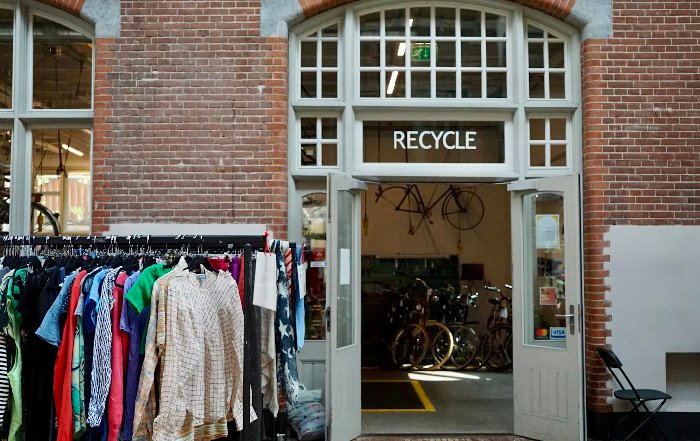
Residents are encouraged to participate in community repair cafés, tool libraries, and sharing platforms that extend the life of products and reduce the need for new resource extraction. Organizations such as Repair Café International promote local repair events where volunteers help fix electronics, clothing, and household items, thereby keeping materials in circulation and building community skills; more about this movement can be found through repair initiatives and community reuse networks. These activities illustrate how circularity is not only a technical or industrial concept but also a social one, reshaping habits and expectations around ownership, maintenance, and value.
Plastic Recycling and Closing Material Loops
Plastics remain one of the most visible challenges for any circular economy, and the Netherlands has positioned itself as a front-runner in advanced plastic recycling and reuse. Dutch ports and industrial clusters host cutting-edge facilities for mechanical and chemical recycling, supported by extended producer responsibility schemes and strict packaging regulations aligned with EU plastics policies. Municipal collection systems separate plastic, metal, and drink cartons, and there is a strong emphasis on design for recyclability, with packaging guidelines that encourage mono-materials and avoid problematic additives.
The Dutch experience highlights that effective plastic recycling requires cooperation along the entire value chain, from product design and labeling to collection, sorting, and reprocessing. For businesses and individuals seeking practical guidance, the detailed resources on plastic recycling at YouSaveOurWorld.com provide a complementary perspective on how to reduce plastic use, improve sorting behavior, and support market demand for high-quality recyclates. Dutch innovators are also exploring reusable packaging systems for retail and food delivery, as seen in pilots with refill stations and deposit-return schemes, demonstrating how design, digital tracking, and consumer engagement can work together to keep packaging in circulation.
Circular Business Models and Corporate Strategy
Corporate engagement is central to the Dutch circular transition. Leading companies such as Philips, DSM-Firmenich, Unilever, and ING are integrating circular principles into core business models, not as peripheral corporate social responsibility projects but as drivers of innovation, risk management, and long-term value creation. Philips, for example, has pioneered product-as-a-service models in medical imaging and lighting, retaining ownership of equipment and offering performance-based contracts that incentivize durability, upgradeability, and end-of-life recovery.
These models illustrate how circularity can be a strategic business opportunity rather than a cost center, aligning closely with the themes discussed in the sustainable business and business sections of YouSaveOurWorld.com, where readers can learn more about sustainable business practices, circular revenue models, and governance frameworks. Dutch financial institutions, including Triodos Bank and ABN AMRO, are also developing circular finance methodologies that evaluate a company's ability to preserve material value and minimize environmental risk, signaling to the market that circular performance can influence access to capital. Additional insights into circular business strategies can be found through platforms such as the Ellen MacArthur Foundation, which collaborates with Dutch and international firms to develop and test new models.
Climate Change, Resource Scarcity, and Systemic Risk
The Dutch circular agenda is not only about waste reduction; it is also a response to climate change, resource scarcity, and geopolitical vulnerabilities in global supply chains. As a low-lying delta nation, the Netherlands faces acute climate risks related to sea-level rise, flooding, and extreme weather, which are documented by bodies such as the Intergovernmental Panel on Climate Change. Reducing material throughput, extending product lifetimes, and promoting renewable inputs are recognized as essential strategies for lowering emissions and strengthening resilience, complementing energy transition policies that expand offshore wind, green hydrogen, and building efficiency.
For the global audience of YouSaveOurWorld.com, this integration of resource and climate policy highlights the importance of treating circularity as part of a comprehensive response to planetary boundaries rather than a narrow waste management issue. Readers interested in broader environmental awareness can explore the site's dedicated environmental awareness content, which examines how lifestyle choices, consumption patterns, and business decisions interact with climate and biodiversity outcomes. The Dutch case underscores that addressing climate change effectively requires rethinking how economies grow, how products are designed, and how value is created and preserved.
Waste as a Resource: Infrastructure, Logistics, and Design
One of the defining features of the Dutch circular transition is the reconfiguration of waste systems into resource systems. The country's dense logistics networks, advanced ports, and industrial clusters have historically facilitated linear flows of imported raw materials and exported products; now, these same assets are being repurposed to collect, sort, and valorize secondary materials. Waste-to-resource hubs around Rotterdam and Moerdijk integrate recycling, energy recovery, and industrial symbiosis, where the by-products of one process become inputs for another.
Design plays a crucial role in enabling these loops, as products and buildings must be conceived from the outset for disassembly, reuse, and material recovery. Dutch architecture and engineering firms are experimenting with modular construction, reversible connections, and material passports that track components over multiple life cycles, which resonates with the themes explored in the design and waste sections of YouSaveOurWorld.com. Internationally recognized projects such as ABN AMRO's circular pavilion "Circl" in Amsterdam demonstrate how buildings can be designed as material banks, where elements can be easily recovered and repurposed at the end of their use phase. More technical guidance on circular design principles is available from organizations such as the World Green Building Council and the Cradle to Cradle Products Innovation Institute.
Innovation and Technology as Circular Enablers
Innovation and technology are deeply embedded in the Dutch circular strategy, reflecting the country's longstanding strengths in engineering, water management, and digital infrastructure. Start-ups and research institutions are developing advanced recycling technologies, bio-based materials, and digital platforms that enable product tracing, sharing, and predictive maintenance. Universities such as Delft University of Technology and Wageningen University & Research collaborate with industry and government to test new concepts in living labs, accelerating the translation of research into market-ready solutions.
For readers interested in how technology can support a regenerative economy, the innovation and technology sections of YouSaveOurWorld.com offer complementary perspectives on digital tools, data analytics, and emerging materials that can enhance circular performance. Blockchain-based material passports, for example, can store detailed information about the composition, repair history, and ownership of products, facilitating reuse and recycling at scale, while artificial intelligence can optimize sorting systems in recycling plants and help predict when equipment requires maintenance, thereby extending asset lifetimes. Global organizations such as the World Economic Forum are increasingly highlighting these digital enablers as crucial for scaling circular models beyond pilot projects.
Circular Lifestyles, Health, and Personal Well-Being
The Dutch circular journey also has implications for lifestyle and personal well-being, themes that are central to the mission of YouSaveOurWorld.com. Circular living is not only about reducing waste; it is about rethinking what constitutes a good life in terms of sufficiency, community, and health. Sharing schemes for bikes, cars, and tools reduce the need for ownership and parking space, freeing up urban areas for green spaces, walking, and social interaction. Diets that emphasize plant-based foods, seasonal produce, and reduced food waste contribute both to lower environmental impact and improved health outcomes, aligning with guidance from bodies such as the World Health Organization and national nutrition councils.
On YouSaveOurWorld.com, readers can explore how circular practices intersect with lifestyle choices and personal well-being, from mindful consumption and minimalism to community gardening and urban farming. Dutch initiatives such as community-supported agriculture, neighborhood repair events, and circular fashion hubs illustrate that circularity can strengthen social cohesion and provide meaningful opportunities for participation, particularly when citizens are invited to co-create solutions rather than simply comply with rules. This social dimension is increasingly recognized as essential for trust and long-term behavioral change.
Education, Skills, and Cultural Change
No circular transition can succeed without a parallel transformation in education and skills. The Netherlands is integrating circular economy concepts into curricula at all levels, from primary schools to vocational training and university programs. Students learn about material cycles, life-cycle assessment, and systems thinking, while vocational colleges train technicians in repair, refurbishment, and high-quality recycling. This educational shift aligns with the broader emphasis on environmental literacy and sustainability education promoted in the education resources on YouSaveOurWorld.com, which stress that knowledge and skills are prerequisites for responsible decision-making in both personal and professional contexts.
Dutch organizations such as Circle Economy and Metabolic collaborate with schools, municipalities, and businesses to develop practical learning modules, city scans, and training programs that translate abstract circular concepts into concrete actions. International bodies like the UNESCO Education for Sustainable Development framework provide additional guidance on how to embed sustainability in education systems worldwide. Through these efforts, circular thinking is gradually becoming part of mainstream culture, shaping the expectations of the next generation of consumers, entrepreneurs, and policymakers.
Economic Impacts and Global Competitiveness
From an economic perspective, the Netherlands views the circular transition as a way to strengthen competitiveness, create new jobs, and reduce vulnerability to resource price volatility and supply disruptions. Studies by organizations such as the Netherlands Environmental Assessment Agency (PBL) and the Organisation for Economic Co-operation and Development (OECD) indicate that circular strategies can generate net employment gains in sectors such as repair, remanufacturing, and recycling, while also supporting high-tech innovation in materials science and digital services. The circular economy is thus framed not as a constraint on growth but as a new growth paradigm that decouples prosperity from resource extraction.
For the global business community following YouSaveOurWorld.com, this perspective resonates with the broader debates around green industrial policy, just transition, and sustainable economy. The Dutch case suggests that countries and companies that move early on circularity may gain strategic advantages in terms of innovation capabilities, brand reputation, and regulatory preparedness, particularly as international frameworks such as the UN Sustainable Development Goals and climate agreements drive demand for low-impact products and services. The Netherlands' role as a trading nation and logistics hub also positions it as a test bed for circular trade flows, where secondary materials and refurbished products move across borders with clear quality standards and traceability.
Global Relevance and Knowledge Sharing
Although the Netherlands has specific geographic, economic, and institutional characteristics, its circular journey offers lessons that are highly relevant for other countries and regions. Its emphasis on multi-stakeholder collaboration, long-term policy consistency, and experimentation in living labs can be adapted to different contexts, whether in rapidly urbanizing regions of Asia, resource-rich economies in Africa, or service-oriented economies in North America and Europe. Organizations such as Holland Circular Hotspot actively share Dutch experiences with international partners, while global platforms like the Platform for Accelerating the Circular Economy (PACE) facilitate cross-border collaboration and knowledge exchange.
For the international readership of YouSaveOurWorld.com, which often seeks to connect local action with global trends, the Dutch example underscores the importance of viewing circularity as a global systems challenge. The site's global section explores how trade, finance, and international governance structures can either accelerate or hinder the shift toward a regenerative economy, and how local initiatives can feed into broader movements for change. The Netherlands, by documenting and sharing its successes and failures, contributes to a growing global library of circular case studies that practitioners around the world can draw upon.
What the Dutch Experience Means for YouSaveOurWorld.com Readers
For business leaders, policymakers, educators, and engaged citizens who turn to YouSaveOurWorld.com for guidance on sustainable living, climate solutions, and responsible enterprise, the Dutch circular story offers both inspiration and practical direction. It shows that a circular economy is not a single project or technology but a comprehensive transformation that touches infrastructure, regulation, culture, and everyday habits. It reinforces the idea that circularity must be embedded in business models, product design, financial systems, and education, rather than treated as a niche environmental initiative.
By exploring the resources on sustainable living, plastic recycling, sustainable business, climate change, environmental awareness, innovation, technology, lifestyle, economy, design, education, and personal well-being across YouSaveOurWorld.com, readers can translate the principles illustrated by the Netherlands into their own realities. They can learn how to redesign products for longevity, set up repair and sharing initiatives, integrate circular metrics into corporate reporting, and advocate for policies that support resource efficiency and regenerative practices. As more countries and cities embark on similar journeys, the detailed experiences emerging from the Netherlands will continue to inform and inspire those who are committed to building a world where economic prosperity is decoupled from environmental degradation.
Moving Forward to Save the World: From Pioneering Projects to Mainstream Practice
The Netherlands has not yet achieved its vision of a fully circular economy, and significant challenges remain, including scaling successful pilots, aligning incentives across value chains, and ensuring that the benefits of circularity are shared equitably across society. However, the country has moved decisively beyond rhetoric, demonstrating that circularity can be embedded in national strategy, urban planning, corporate governance, and daily life. Its progress offers a powerful narrative for the community of YouSaveOurWorld.com, which seeks not only to understand sustainability but to live it and lead it.
As the decade advances, the critical task will be to move from pioneering projects to mainstream practice, ensuring that circular principles shape decisions in boardrooms, classrooms, households, and parliaments around the world. The Netherlands' experience suggests that this is possible when there is a combination of clear long-term vision, supportive policy, active business engagement, robust education, and a culture that values repair, sharing, and stewardship. For those committed to saving our world, the Dutch circular journey is not a distant experiment; it is a practical roadmap that can be adapted, expanded, and enriched in every community that chooses to follow it.
