
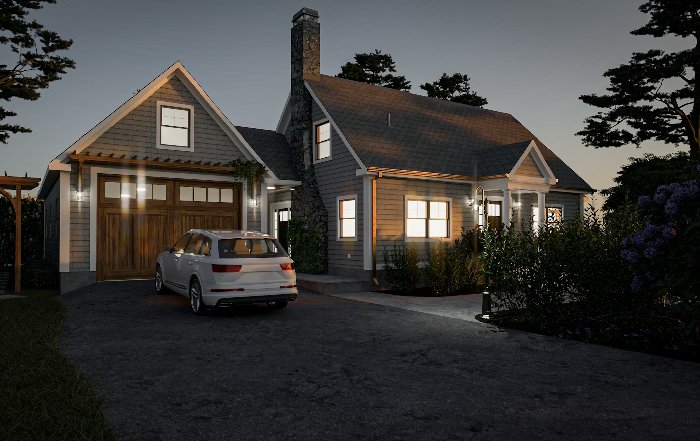
The Potential of Passive House Standards in Reducing Residential Energy Use
Introduction: Why Passive House Matters
Now as global energy markets remain volatile and the climate crisis intensifies, the residential sector has emerged as one of the most strategic levers for meaningful emissions reductions, cost savings, and improvements in human well-being. For a platform like YouSaveOurWorld.com, which is dedicated to advancing sustainable living, climate awareness, and responsible business, the Passive House (or Passivhaus) standard represents a uniquely powerful, evidence-based framework that aligns environmental responsibility with economic rationality and long-term resilience. While many efficiency labels and green building programs have proliferated over the past two decades, Passive House stands out for its uncompromising focus on measured performance, rigorous building physics, and a track record of drastically reducing residential energy demand in diverse climates.
As energy efficiency becomes central to national decarbonization strategies, organizations such as The International Energy Agency emphasize that buildings account for roughly 30 percent of global final energy consumption and a significant share of CO₂ emissions, and that deep efficiency in new and existing homes is indispensable for reaching net-zero targets. Readers who wish to explore this macro context in more detail can consult the IEA's analysis of global building energy trends. Within this landscape, Passive House is no longer a niche European experiment; it is a mature, globally tested standard that can be integrated into mainstream residential development, sustainable business models, and innovative financing, all themes that YouSaveOurWorld.com regularly explores across its coverage of sustainable business, climate change, and innovation.
Understanding the Passive House Standard
The Passive House concept, originally developed in Germany in the late 1980s and formalized by the Passive House Institute (PHI), is a performance-based building standard that aims to minimize energy demand for heating and cooling while ensuring superior indoor comfort and air quality. Unlike many certification schemes that focus on checklists of features, Passive House is grounded in quantifiable energy performance, airtightness, and thermal comfort criteria. The Passive House Institute explains these criteria in detail and provides global case studies of successful projects, which can be explored through its official resources on high-performance building design.
At the core of the standard is the principle that it is more efficient and cost-effective to reduce demand through robust building envelopes, thermal bridge-free construction, and high-performance windows than to rely on large mechanical systems to compensate for heat loss and gain. In a typical Passive House, annual heating energy demand can be reduced by up to 75-90 percent compared with conventional buildings, depending on local baselines and climate conditions. For readers interested in how this interacts with broader environmental awareness and sustainable lifestyle choices, Passive House becomes a practical manifestation of energy-conscious design rather than a theoretical ideal.
Building Physics: How Passive House Achieves Deep Energy Savings
The success of Passive House is rooted in an integrated approach to building physics that treats the home as a coherent, interdependent system rather than a collection of separate components. Central elements include continuous insulation, superior airtightness, controlled ventilation with heat recovery, and optimized solar gains. The U.S. Department of Energy has long emphasized that envelope performance is the largest determinant of building energy use, and its resources on energy-efficient home design provide accessible explanations that align closely with Passive House principles.
In a Passive House, the building envelope is designed to minimize unwanted heat transfer through walls, roofs, floors, and windows, thereby stabilizing interior temperatures and reducing the need for active heating and cooling. Airtightness is verified through blower door testing, ensuring that uncontrolled air leakage is kept to a minimum, which both preserves energy and enhances comfort by eliminating drafts. High-performance windows, typically triple-glazed with insulated frames, are carefully oriented and shaded to capture winter sun while preventing summer overheating. Mechanical ventilation with heat recovery ensures a constant supply of fresh, filtered air while transferring heat from outgoing to incoming air streams, dramatically improving indoor air quality without sacrificing efficiency. These strategies align closely with the principles promoted by ASHRAE, the global authority on heating, ventilation, and air conditioning standards, whose guidance on indoor environmental quality has helped shape best practices worldwide.
For the audience of YouSaveOurWorld.com, this technical foundation underscores that Passive House is not merely a branding exercise but a scientifically grounded methodology that can be replicated and adapted, supporting the site's commitment to evidence-based coverage of technology and design in the built environment.
Energy Use, Emissions, and the Climate Imperative
Residential buildings are a major driver of global energy demand, particularly for space heating and cooling, water heating, and appliances. According to the Intergovernmental Panel on Climate Change (IPCC), reducing energy use in buildings through efficiency and electrification is one of the most cost-effective mitigation strategies available, a point reinforced in its reports on climate change mitigation pathways. Passive House directly targets the largest and most predictable component of residential energy use-thermal conditioning-thereby creating a structural reduction in emissions that persists over the life of the building.
When combined with low-carbon electricity, such as solar, wind, or grid-supplied renewables, the already minimal energy demand of a Passive House can translate into near-zero operational emissions. Organizations such as REN21 and IRENA document the rapid growth of renewable energy worldwide, and their analyses of renewables in the built environment show how high-efficiency buildings amplify the impact of clean power by requiring far less of it. For homeowners and developers who follow YouSaveOurWorld.com to stay ahead of climate and energy trends, this synergy between efficiency and clean energy illustrates why Passive House is increasingly seen as a cornerstone of credible net-zero housing strategies rather than an optional upgrade.
The benefits also extend beyond carbon. Reducing residential energy use alleviates pressure on national grids, particularly during peak heating and cooling seasons, contributing to energy security and system resilience. As The World Bank notes in its work on energy and development, efficient buildings can reduce the infrastructure investments required to meet growing demand, freeing capital for other social and economic priorities. By connecting these macro-level dynamics to individual housing decisions, YouSaveOurWorld.com helps its audience see how personal and corporate choices around building standards contribute to a more stable global economy and climate system.
Economic Case: Costs, Savings, and Market Value
One of the most persistent questions surrounding Passive House is whether the higher upfront investment is justified by long-term savings and value creation. Over the past decade, a growing body of empirical data from Europe, North America, and Asia has demonstrated that while construction costs can be higher than conventional builds, the premium has steadily decreased as supply chains mature, expertise spreads, and design optimization improves. The Rocky Mountain Institute (RMI), known for its rigorous economic analysis of efficiency and clean energy, has produced several studies that examine cost-effective deep energy retrofits and high-performance new construction, finding that integrated design and lifecycle cost analysis often reveal strong financial returns.
In many markets, Passive House projects report energy cost reductions of 70-90 percent for heating and cooling, which, over the life of a mortgage, can offset or exceed the initial cost premium. Furthermore, the resilience benefits-such as maintaining habitable indoor temperatures during power outages or energy price spikes-have gained new salience in an era of increasingly frequent extreme weather events. Research by McKinsey & Company on sustainable real estate suggests that high-performance, low-carbon buildings are beginning to command price premiums and lower vacancy rates, particularly among environmentally conscious buyers and tenants.
For businesses that follow YouSaveOurWorld.com for insights into business strategy and sustainable business, Passive House offers a clear value proposition: reduced operating costs, enhanced asset resilience, differentiation in competitive housing markets, and alignment with emerging regulatory frameworks and ESG expectations. Financial institutions are beginning to recognize this, with green mortgages and preferential financing increasingly available for certified high-performance homes, a trend documented by organizations such as The World Green Building Council in its reports on financing green buildings.
Health, Comfort, and Personal Well-Being
While energy and emissions reductions are often the primary focus of Passive House discussions, the standard also delivers substantial benefits for health, comfort, and overall quality of life, which are central themes for readers interested in personal well-being and lifestyle on YouSaveOurWorld.com. High levels of insulation and airtightness, combined with continuous ventilation and high-efficiency filtration, create indoor environments with stable temperatures, low noise levels, and significantly reduced exposure to outdoor pollutants, allergens, and particulate matter.
Organizations such as the World Health Organization (WHO) have repeatedly highlighted the health risks associated with poor indoor air quality and inadequate housing, particularly for vulnerable populations. Their work on housing and health underscores the role of building design in preventing respiratory illnesses, cardiovascular disease, and other chronic conditions. Passive House's emphasis on controlled ventilation and moisture management directly addresses many of these concerns by minimizing mold growth, condensation, and infiltration of polluted outdoor air.
Comfort is not a trivial benefit; it has direct implications for productivity, mental health, and social cohesion. A Passive House's even surface temperatures, absence of drafts, and quiet interiors create a sense of refuge and stability, which becomes especially valuable in dense urban environments or regions experiencing climatic extremes. By connecting housing performance to human-centered outcomes, YouSaveOurWorld.com can help decision-makers appreciate that investments in Passive House are investments in long-term well-being rather than purely technical energy measures.
Passive House and Sustainable Lifestyles
Passive House standards intersect naturally with broader efforts to cultivate sustainable lifestyles that reduce environmental impact without sacrificing quality of life. For individuals committed to reducing their ecological footprint, a Passive House provides a structural foundation that makes everyday sustainable choices easier and more effective, complementing behavioral changes such as reducing waste, improving plastic recycling, or choosing low-carbon transportation. The United Nations Environment Programme (UNEP), through its work on sustainable consumption and production, has emphasized that infrastructure and design strongly influence personal behavior and environmental outcomes, and Passive House is a clear example of such enabling infrastructure.
By drastically lowering energy demand, Passive House homes make it more feasible to meet remaining energy needs through rooftop solar or community renewable programs, further decoupling daily life from fossil fuels. They also encourage residents to become more aware of their energy use patterns, as the performance of the building envelope and mechanical systems is often paired with monitoring and smart controls. On YouSaveOurWorld.com, which regularly explores pathways to sustainable living and circular resource use, Passive House can be presented as a cornerstone of a holistic sustainable lifestyle that integrates housing, energy, mobility, and consumption choices into a coherent, low-impact whole.
Business Opportunities, Innovation, and Technology
The growth of Passive House adoption worldwide is creating substantial opportunities for innovation and entrepreneurship, particularly in the fields of construction technology, building materials, digital design, and performance monitoring. Companies that develop high-performance windows, advanced insulation materials, airtightness systems, and efficient ventilation equipment are finding expanding markets as regulators, developers, and consumers demand better-performing homes. Organizations such as BloombergNEF track investment trends in clean technologies and have documented the increasing capital flows into building efficiency and climate-tech innovation, signaling that the Passive House ecosystem is part of a much larger transformation of the built environment.
Digital tools, including energy modeling software and building information modeling (BIM), are making it easier for architects and engineers to design cost-effective Passive House projects by optimizing orientation, shading, envelope assemblies, and mechanical systems from the earliest conceptual stages. Smart home technologies can further enhance performance by adjusting ventilation and shading based on occupancy and weather, integrating with distributed energy resources such as rooftop solar and battery storage. These developments align closely with the themes of technology and innovation that YouSaveOurWorld.com highlights as critical levers for accelerating the transition to a low-carbon, resilient housing stock.
For the construction and real estate sectors, Passive House represents both a challenge and an opportunity. Firms that invest early in training, supply chain development, and design expertise can differentiate themselves in a market that is increasingly shaped by environmental regulation and consumer expectations. The International Finance Corporation (IFC), part of the World Bank Group, has developed frameworks for green building markets in emerging economies, suggesting that high-performance standards can unlock new investment and job creation while reducing energy poverty and infrastructure strain.
Policy, Codes, and the Global Context
From a policy perspective, the Passive House standard has influenced building codes and energy performance regulations in multiple jurisdictions, even where formal certification is not required. Cities and regions in Europe, North America, and Asia have adopted Passive House or near-Passive House requirements for public housing, schools, and municipal buildings, using them as exemplars for the broader market. The European Commission's directives on energy performance of buildings have pushed member states toward nearly zero-energy building standards, many of which draw heavily on Passive House principles.
Globally, as countries update their Nationally Determined Contributions under the Paris Agreement, the building sector is increasingly recognized as a priority area for rapid decarbonization. Initiatives such as the GlobalABC (Global Alliance for Buildings and Construction) provide roadmaps and policy guidance on zero-emission, efficient, and resilient buildings, highlighting the role of advanced standards like Passive House in achieving national and international climate goals. For the global audience of YouSaveOurWorld.com, which follows global trends and policy developments, understanding how Passive House fits into this evolving regulatory landscape is essential for anticipating future compliance requirements, investment risks, and competitive dynamics.
Policy support can take many forms, including performance-based building codes, financial incentives, public procurement standards, and education programs for designers and builders. As governments increasingly link climate policy with economic development and social well-being, Passive House provides a ready-made, technically robust framework that can accelerate progress without sacrificing comfort or affordability.
Education, Skills, and Market Transformation
Scaling Passive House from early adopters to mainstream practice requires a concerted focus on education, training, and knowledge-sharing across the construction ecosystem. Architects, engineers, builders, tradespeople, and policymakers all need a solid understanding of building physics, detailing, and quality control to ensure that design intentions translate into actual performance. Organizations such as the Passive House Institute US (PHIUS) and other regional training bodies have developed certification programs for professionals and trades, contributing to a growing global community of practitioners. Their resources on Passive House education and certification illustrate how structured training can reduce costs, improve quality, and build confidence among clients and regulators.
For platforms like YouSaveOurWorld.com, which place strong emphasis on education and the dissemination of practical knowledge, highlighting these training pathways is an important part of accelerating market transformation. Universities, vocational schools, and professional associations are increasingly incorporating Passive House principles into their curricula, recognizing that future-proofing the workforce is essential for achieving national energy and climate targets. This educational push also supports innovation, as a deeper understanding of building physics and performance encourages experimentation with new materials, construction methods, and integrated design approaches.
Waste Reduction, Circularity, and Long-Term Resilience
Passive House principles intersect with broader concerns about material use, construction waste, and circular economy strategies in the built environment. While the standard itself focuses primarily on operational energy performance, its emphasis on durability, quality construction, and long-term performance naturally supports more sustainable material choices and reduced waste over the building lifecycle. The Ellen MacArthur Foundation, a leading voice on the circular economy, has explored circularity in buildings and construction, emphasizing that long-lived, adaptable structures with low operating impacts form a key part of a resource-efficient future.
For the readers of YouSaveOurWorld.com who follow content on waste and plastic recycling, Passive House can be seen as one piece of a broader transformation that seeks to minimize both operational and embodied impacts. High-performance envelopes and mechanical systems encourage more thoughtful selection of materials and components, with an eye toward longevity, repairability, and eventual reuse or recycling. As climate risks increase, the resilience of Passive House buildings-able to maintain tolerable indoor conditions during heatwaves, cold snaps, and power outages-also becomes an important aspect of long-term sustainability, reducing the need for reactive, resource-intensive adaptation measures.
Advancing Passive House Adoption
As a platform dedicated to connecting sustainability, business strategy, innovation, and personal well-being, YouSaveOurWorld.com is uniquely positioned to help bridge the gap between technical standards like Passive House and the everyday decisions of homeowners, developers, policymakers, and investors. By integrating coverage of Passive House into its broader exploration of sustainable living, business, and global climate trends, the site can provide its audience with clear, actionable insights into how high-performance housing can reduce energy use, cut emissions, and improve quality of life.
Through in-depth articles, case studies, and guides, YouSaveOurWorld.com can demystify the technical aspects of Passive House, showcase successful projects in different climates and market segments, and highlight innovative business models that make high-performance homes accessible and financially attractive. By linking Passive House to themes such as technology, design, education, and personal well-being, the platform can help its audience see this standard not as a niche technical niche, but as a central pillar of a sustainable, resilient, and prosperous future.
The potential of Passive House standards to reduce residential energy use is no longer hypothetical; it is demonstrated daily in thousands of homes across the world that use a fraction of the energy of conventional buildings while offering superior comfort and health. The challenge now is scale and speed. By bringing authoritative, experience-based, and trustworthy information to a global audience, YouSaveOurWorld.com can play a pivotal role in turning that potential into widespread reality, helping households, businesses, and communities embrace a housing paradigm that aligns environmental responsibility with economic sense and human well-being.
