
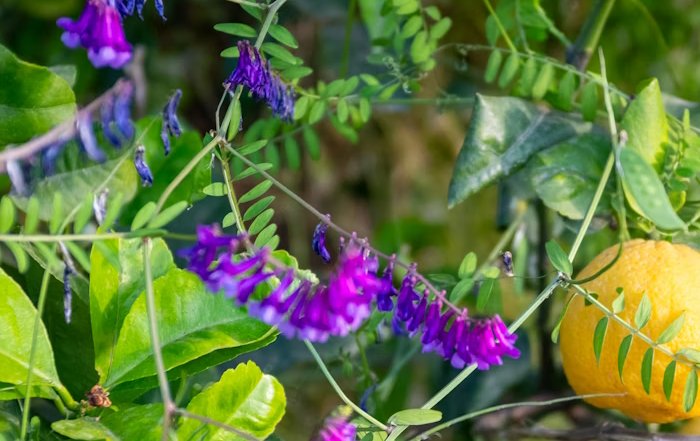
The Healing Power of Gardening: How Green Spaces Transform People, Business, and Planet
Gardening, once seen primarily as a leisure pursuit or a way to grow food, has evolved by 2026 into a powerful intersection of health, sustainability, and economic innovation. As climate pressures intensify and urban life becomes more demanding, the healing power of gardening is being rediscovered by individuals, communities, and forward-looking organizations that recognize its capacity to restore ecosystems, enhance mental and physical well-being, and support resilient business models. For YouSaveOurWorld.com, which is dedicated to advancing sustainable living and responsible economic progress, gardening is not simply a hobby; it is a living laboratory where environmental awareness, personal well-being, and sustainable business practices converge in practical, measurable ways.
Gardening as a Foundation of Sustainable Living
Gardening sits at the heart of modern sustainable living because it makes environmental impact visible, local, and tangible. When individuals convert balconies, rooftops, vacant lots, or backyards into productive green spaces, they begin to experience directly how soil, water, biodiversity, and human care interact to create healthy ecosystems. This experiential learning complements the broader principles discussed on YouSaveOurWorld.com in areas such as sustainable living and environmental awareness, turning abstract sustainability goals into daily practice.
Leading institutions such as the United Nations Environment Programme emphasize that nature-based solutions are essential to addressing climate change, biodiversity loss, and pollution, and small-scale gardening is increasingly recognized as a vital component of these solutions. Urban gardens help mitigate heat islands, support pollinators, and capture carbon in soil and plant biomass. Research compiled by the Food and Agriculture Organization of the United Nations shows that urban and peri-urban agriculture can significantly enhance local food security while reducing the environmental footprint associated with long-distance food transport. For readers of YouSaveOurWorld.com, this means that every planter box, community plot, or regenerative landscape can be viewed as a micro-scale climate action project that complements broader efforts highlighted in the site's climate change section.
As people adopt composting, water harvesting, and low-impact pest management in their gardens, they begin to internalize circular economy principles that are central to a more sustainable global response to environmental challenges. Gardening, in this sense, becomes a gateway to deeper lifestyle transformation, influencing energy use, consumption habits, and even transportation choices as individuals prioritize local and seasonal food systems.
The Science of Healing: Mental and Physical Health Benefits
The healing power of gardening is not merely anecdotal; it is strongly supported by decades of research in psychology, public health, and environmental medicine. Studies summarized by Harvard T.H. Chan School of Public Health and the World Health Organization have shown that regular contact with green spaces is associated with reduced stress, lower incidence of depression and anxiety, improved cardiovascular health, and increased longevity. Gardening, which combines physical activity, exposure to nature, and purposeful engagement, amplifies many of these benefits.
From a mental health perspective, gardening provides a rare combination of sensory richness and psychological safety. The tactile experience of soil, the visual complexity of foliage, and the rhythmic tasks of planting, watering, and pruning create a form of mindful engagement that quiets intrusive thoughts and supports emotional regulation. Research published through PubMed and other clinical databases has documented how horticultural therapy programs, particularly in hospitals and long-term care facilities, significantly improve mood, cognitive function, and social interaction among participants. For professionals and entrepreneurs who follow YouSaveOurWorld.com for guidance on personal well-being, gardening offers a practical, low-cost strategy to counteract digital fatigue and workplace stress.
Physically, gardening is a moderate-intensity activity that improves flexibility, strength, and endurance, particularly when it involves digging, lifting, and repetitive movements. Data from the U.S. Centers for Disease Control and Prevention indicate that such activities contribute meaningfully to the recommended weekly exercise levels, helping to reduce the risk of chronic conditions such as obesity, type 2 diabetes, and hypertension. Importantly, gardening can be adapted for different ages and abilities, from raised beds for older adults to container gardens for people with limited mobility, making it an inclusive form of health promotion aligned with the values of equitable and accessible wellness that underpin the content strategy of YouSaveOurWorld.com.
Gardening, Climate Change, and Regenerative Practices
In 2026, the climate crisis is no longer a distant forecast but a daily reality, and gardening has become an important arena for climate adaptation and mitigation. While large-scale industrial agriculture remains a dominant driver of land use change and greenhouse gas emissions, small-scale, regenerative gardening practices offer a contrasting model of how food and landscapes can be managed in harmony with ecological limits. Readers who explore the climate change and waste sections of YouSaveOurWorld.com increasingly look for practical actions they can take at home and in their communities, and climate-smart gardening answers this demand.
Regenerative gardeners focus on building soil health through composting, mulching, minimal tillage, and cover cropping, all of which enhance soil organic matter and carbon sequestration. Guidance from organizations such as Regeneration International and the Rodale Institute underscores that healthy soils act as carbon sinks while improving water retention and nutrient cycling, making gardens more resilient to droughts and extreme rainfall events. By integrating native plants and diverse species, gardeners also support local biodiversity, which in turn stabilizes ecosystems and contributes to climate resilience.
Gardening further intersects with climate action through its influence on food systems. The Intergovernmental Panel on Climate Change has repeatedly highlighted that dietary shifts toward more plant-based foods are necessary to meet global emissions targets. Home and community gardens make these shifts easier by providing fresh, seasonal produce that encourages reduced dependence on resource-intensive, highly processed foods. For the business-oriented audience of YouSaveOurWorld.com, this transition opens new opportunities in local supply chains, regenerative agriculture services, and climate-aligned food ventures, all of which can be explored in greater depth through the site's sustainable business and economy pages.
Plastic, Waste, and Circularity in the Garden
Gardening also serves as a practical arena to confront the global challenges of plastic pollution and waste. The widespread use of plastic pots, synthetic fertilizers, and disposable packaging in conventional gardening has often undermined its environmental benefits. However, a new wave of gardeners and green businesses is reimagining garden design and maintenance through a circular economy lens, aligning closely with the themes discussed on YouSaveOurWorld.com in plastic recycling and waste.
Organizations such as Ellen MacArthur Foundation and UNEP have documented the environmental costs of single-use plastics and highlighted the importance of designing out waste from the start. In gardening, this means prioritizing biodegradable pots, locally sourced compost, natural mulches, and tools built for durability and repair. It also means rethinking the sourcing of inputs such as fertilizers and soil amendments, favoring compost made from household food scraps and yard waste, which closes nutrient loops and reduces methane emissions from landfills.
Innovative companies are now producing soil-safe biodegradable plant containers and reusable irrigation systems, while community groups organize tool libraries and seed-sharing networks that reduce unnecessary consumption. These practices do more than lower environmental impact; they cultivate a mindset of stewardship and responsibility that spills over into other areas of life and business. For readers of YouSaveOurWorld.com, learning to manage garden waste responsibly becomes a practical step toward broader zero-waste and circular strategies in households and organizations, reinforcing the site's mission to connect everyday actions with systemic change.
The Business of Healing Gardens and Green Infrastructure
The healing power of gardening is increasingly recognized in the business world, where companies and institutions are integrating gardens and green infrastructure into their strategies for employee well-being, brand differentiation, and long-term resilience. Corporate campuses, hospitals, universities, and residential developers are investing in therapeutic gardens, rooftop farms, and biophilic landscapes to create healthier environments and demonstrate environmental leadership, aligning with the themes explored on YouSaveOurWorld.com in its business and innovation sections.
Major organizations such as Google, Microsoft, and Salesforce have incorporated extensive green spaces and urban farms into their facilities, citing research from bodies like the American Psychological Association and World Green Building Council that links access to nature with improved productivity, reduced absenteeism, and higher employee satisfaction. Developers guided by frameworks such as LEED and WELL Building Standard increasingly recognize gardens and green roofs as essential components of high-performance buildings, not merely aesthetic add-ons.
Simultaneously, a growing ecosystem of small and medium-sized enterprises is emerging around garden design, ecological landscaping, organic seed production, and digital tools that support sustainable gardening practices. These businesses leverage data, remote sensing, and automation to optimize water use, soil health, and plant selection, while still centering human experience and well-being. For the entrepreneurial audience of YouSaveOurWorld.com, gardening is not only a restorative practice but also a platform for new business models that align profitability with planetary health, illustrating how sustainable business practices can be both ethically compelling and commercially viable. Readers can learn more about sustainable business practices and consider how healing gardens might be integrated into their own organizational strategies.
Technology, Data, and the Modern Garden
In 2026, gardening is deeply intertwined with technology and data, yet the most thoughtful applications of digital tools are those that enhance, rather than replace, human connection to nature. Smart irrigation systems, soil sensors, and AI-driven plant care applications are now accessible to home gardeners and professionals alike, helping them optimize resource use and plant health while adapting to changing climate conditions. These developments resonate with the themes of technology and innovation that are central to YouSaveOurWorld.com.
Organizations such as NASA have long studied controlled-environment agriculture for space missions, and their research on plant growth, lighting, and closed-loop systems has influenced modern vertical farms and high-tech greenhouses. Today, similar technologies are being scaled down for residential and community use, allowing gardeners to monitor soil moisture, nutrient levels, and microclimates via smartphone dashboards. At the same time, open-source platforms and citizen science initiatives supported by groups like iNaturalist and Royal Horticultural Society enable gardeners to contribute to biodiversity monitoring and phenology research, turning gardens into valuable data nodes in global environmental networks.
Yet the healing power of gardening depends on maintaining a balance between digital assistance and analog experience. For the audience of YouSaveOurWorld.com, the most meaningful technological innovations are those that reduce waste, improve resilience, and deepen understanding of ecological processes, rather than turning gardening into another screen-dominated activity. Tools that automate routine tasks such as irrigation can free gardeners to focus on observation, design, and care, preserving the contemplative and restorative qualities that make gardening so uniquely healing.
Design, Lifestyle, and the Aesthetics of Well-Being
Gardening is also a design discipline that shapes how people experience space, time, and beauty in their daily lives. Landscape architects, garden designers, and urban planners are increasingly drawing on principles of biophilic design, ecological restoration, and cultural heritage to create gardens that support both environmental and psychological health. For readers engaged with the design and lifestyle content on YouSaveOurWorld.com, this convergence of aesthetics and function is particularly relevant.
Biophilic design, popularized by experts such as Stephen Kellert and adopted by organizations like International Living Future Institute, emphasizes patterns, materials, and spatial arrangements that evoke natural systems and foster a sense of connection to the living world. In gardens, this might involve curving pathways that invite exploration, plant groupings that mimic natural habitats, water features that provide multisensory stimulation, and seasonal variability that encourages people to notice cycles of growth and decay. Such design choices are not merely decorative; they influence stress levels, cognitive performance, and social behavior, as documented in studies published by the Journal of Environmental Psychology and related fields.
In lifestyle terms, gardening encourages a slower, more deliberate rhythm that contrasts sharply with the speed and fragmentation of digital culture. Planning, planting, and tending a garden require patience and acceptance of uncertainty, as weather, pests, and plant responses cannot be fully controlled. This cultivates resilience, humility, and a longer-term perspective-traits that are increasingly valuable not only for personal well-being but also for navigating volatile economic and ecological conditions. By integrating gardening into daily routines, families and professionals alike can create restorative rituals that align with the holistic vision of well-being promoted across YouSaveOurWorld.com.
Education, Community, and Intergenerational Learning
The educational value of gardening is profound, making it a powerful tool for building environmental literacy and leadership across generations. Schools, universities, and community organizations worldwide are integrating gardens into curricula to teach science, nutrition, ecology, and social responsibility in experiential ways that textbooks alone cannot replicate. This aligns closely with the education focus of YouSaveOurWorld.com, which emphasizes that sustainability is not merely a set of policies but a culture that must be learned, practiced, and shared.
Institutions such as UNESCO and National Wildlife Federation have highlighted school gardens as effective platforms for Education for Sustainable Development, where students learn about soil biology, pollination, climate impacts, and food systems by observing and experimenting directly. These programs often extend beyond academic content to cultivate teamwork, empathy, and problem-solving skills, as students collaborate on garden planning, maintenance, and harvest distribution. In many communities, garden-based learning also reconnects young people with traditional ecological knowledge held by elders, strengthening cultural identity and intergenerational bonds.
Community gardens and allotments serve a similar purpose for adults, offering spaces where people from diverse backgrounds can share knowledge, seeds, and stories. Organizations such as American Community Gardening Association and Royal Horticultural Society have documented how such spaces foster social cohesion, reduce isolation, and provide informal networks of mutual support. For the global readership of YouSaveOurWorld.com, these examples illustrate how gardening can anchor community resilience in times of economic uncertainty, climate disruption, or public health crises, reinforcing the idea that healing is both individual and collective.
Integrating Gardening into a Holistic Sustainability Strategy
For YouSaveOurWorld.com, the healing power of gardening is not an isolated theme but a unifying thread that connects sustainable living, climate action, business innovation, and personal well-being. Gardening embodies the core principles that guide the platform's content and mission: respect for ecological limits, commitment to continuous learning, and belief in the capacity of individuals and organizations to drive meaningful change. By exploring gardening through the lenses of sustainable living, economy, technology, and personal well-being, readers can see how a single, seemingly simple practice can catalyze transformation across multiple dimensions of life and work.
In practical terms, integrating gardening into a holistic sustainability strategy might involve creating green spaces in corporate environments, supporting community garden initiatives as part of corporate social responsibility programs, or redesigning residential developments to prioritize shared gardens and ecological landscaping. It might mean investing in regenerative gardening education for employees, students, or local communities, or partnering with organizations that provide technical support and resources for climate-smart horticulture. It certainly involves rethinking how food, waste, and outdoor spaces are managed at every scale, from individual households to global supply chains.
As the world navigates the complex challenges of the mid-2020s, gardening offers a rare combination of immediacy and long-term impact. It provides visible, tangible results that can be experienced within a single growing season, while also contributing to deeper shifts in culture, infrastructure, and economic systems. For the audience of YouSaveOurWorld.com, embracing the healing power of gardening is both a personal invitation and a strategic opportunity: an invitation to cultivate health, beauty, and meaning in daily life, and an opportunity to participate in building a more resilient, equitable, and regenerative world.
