
Zero-Waste Strategies for Beginners: Building a Practical Path to Sustainable Living in 2026
Zero Waste in 2026: From Niche Ideal to Business and Lifestyle Imperative
By 2026, the zero-waste movement has evolved from a niche lifestyle experiment into a strategic priority for forward-thinking households, businesses, and policymakers. What began as a personal challenge to fit a year's worth of trash into a jar has become a structured framework for reducing environmental impact, cutting costs, and building resilient supply chains. On YouSaveOurWorld.com, the topic of zero waste sits at the intersection of sustainable living, business innovation, climate action, and personal well-being, reflecting the reality that waste is no longer just a disposal problem; it is a design, economic, and leadership challenge.
The concept of zero waste is grounded in a simple but demanding principle: resources should be used in ways that prevent waste from being created in the first place, and whatever remains should be reused, repaired, or recycled in closed loops rather than discarded. Organizations such as the Zero Waste International Alliance and the Ellen MacArthur Foundation have helped define this approach as part of the broader transition to a circular economy, in which materials circulate at their highest value for as long as possible, and economic growth is decoupled from the linear "take-make-waste" model. Learn more about how a circular economy reshapes production and consumption on the Ellen MacArthur Foundation website.
For beginners, the challenge is not a lack of information but an overload of advice, often framed in perfectionist terms that can feel intimidating and unrealistic. The mission of YouSaveOurWorld.com is to translate this complexity into actionable, evidence-based strategies that individuals, families, and organizations can adopt incrementally, without losing sight of the broader systemic changes that must accompany personal action. Readers exploring sustainable living practices on the site increasingly seek guidance that is both ambitious and achievable, grounded in credible data yet sensitive to the constraints of real life and real business.
Understanding Zero Waste: Principles, Not Perfection
Zero waste is frequently misunderstood as a rigid, all-or-nothing lifestyle that demands immediate elimination of every piece of trash. In practice, leading experts and organizations such as UN Environment Programme (UNEP) and OECD frame it as a continuous improvement process guided by a hierarchy of actions: refuse, reduce, reuse, repair, and recycle, with disposal as a last resort. This hierarchy is reflected in modern resource-efficiency policies and corporate sustainability frameworks that prioritize upstream prevention over downstream management. To explore how international policy is evolving, readers can review waste and resource reports from UNEP and OECD.
From a business and economic perspective, zero waste is not only an environmental aspiration but also a strategic response to rising resource costs, supply chain volatility, regulatory pressure, and stakeholder expectations. Companies that adopt zero-waste principles often uncover hidden inefficiencies, identify new revenue streams from by-products, and build stronger relationships with customers and employees who increasingly prioritize sustainability. Readers interested in how these trends intersect with corporate strategy can delve deeper into sustainable business approaches presented on YouSaveOurWorld.com, where zero waste is positioned as a driver of innovation rather than a constraint.
For beginners, it is crucial to view zero waste as a direction rather than a destination. The objective is to steadily lower the volume and toxicity of waste generated, improve the quality of materials that do enter recycling systems, and influence markets and policies through informed choices. This perspective aligns with the guidance of organizations such as EPA and the World Business Council for Sustainable Development (WBCSD), which emphasize continuous improvement, transparency, and collaboration. The EPA's resources on waste reduction and recycling, accessible through its Sustainable Management of Materials program, provide a useful foundation for those seeking technical detail behind these principles.
The Climate and Resource Context: Why Zero Waste Matters Now
In 2026, the urgency of zero-waste strategies is underscored by converging environmental and economic pressures. Global waste generation is projected to keep rising, driven by urbanization, consumption growth, and short product life cycles. According to analyses regularly highlighted by World Bank and UNEP, unmanaged waste contributes to greenhouse gas emissions, air and water pollution, and biodiversity loss, while also imposing significant financial burdens on municipalities and businesses. Readers can explore global waste statistics and projections on the World Bank's waste data portal.
Waste and climate change are tightly linked. Landfills emit methane, a potent greenhouse gas; energy-intensive production of materials such as plastics, metals, and cement drives substantial carbon emissions; and the extraction of raw materials accelerates ecosystem degradation. Addressing waste at its source therefore amplifies climate benefits, which is why zero-waste initiatives are increasingly integrated into national climate plans and corporate net-zero strategies. For a deeper understanding of these linkages, YouSaveOurWorld.com provides dedicated analysis on climate change and its systemic causes, connecting individual choices with global trends.
Resource security is another strategic driver. Businesses and governments are recognizing that linear resource use exposes economies to price volatility, supply disruptions, and geopolitical risk. The circular and zero-waste model, by contrast, emphasizes durability, modularity, repair, and high-quality recycling, which together can reduce dependence on virgin materials and create local employment. The International Resource Panel and International Energy Agency (IEA) have documented how resource efficiency and circularity can significantly reduce emissions while supporting economic growth; their analyses, available at the International Resource Panel and IEA, provide important context for executives and policymakers.
On YouSaveOurWorld.com, this macro-level perspective is intentionally linked to personal and organizational decision-making. The platform's sections on global environmental dynamics and economic implications of sustainability emphasize that zero-waste strategies are not isolated lifestyle choices but components of a larger transition in how societies design, produce, consume, and govern.
Foundational Strategies for Beginners: Start Where You Are
For individuals and organizations taking their first steps, the most effective zero-waste strategies are those that align with existing routines and constraints while still challenging entrenched habits. Rather than attempting an overnight transformation, beginners are better served by methodically assessing their current waste streams, identifying high-impact changes, and building new practices over time.
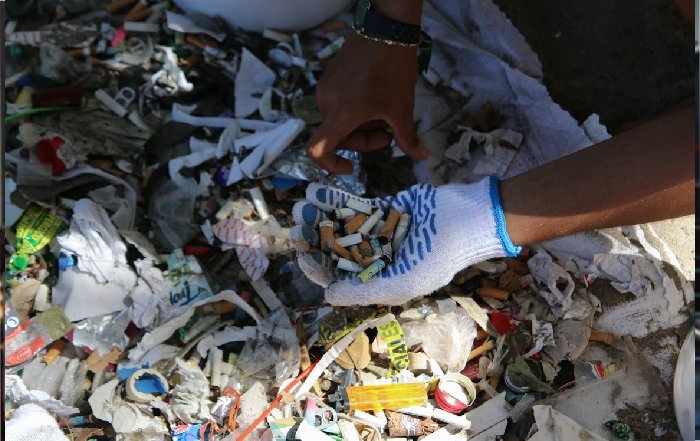
A practical starting point is a simple waste audit. Households can monitor their trash and recycling for one or two weeks, noting recurring items such as single-use packaging, food waste, disposable hygiene products, or office supplies. Businesses can conduct more formal audits, often supported by sustainability teams or external consultants, to categorize waste by department, material type, and cost. The EPA and WRAP in the United Kingdom provide structured guidance on how to perform such audits; readers can explore detailed methodologies on WRAP's resource efficiency hub.
Once patterns are identified, beginners can prioritize actions based on three criteria: volume, avoidability, and impact. For example, if a large proportion of household waste is food, the initial focus might be on meal planning, proper storage, and composting; if a company's waste stream is dominated by packaging, the priority may shift to supplier engagement, packaging redesign, and reusable systems. This targeted approach aligns with the philosophy embedded across YouSaveOurWorld.com, where visitors exploring waste reduction and management are encouraged to focus on structural levers rather than isolated gestures.
Education plays a central role at this stage. Many people are surprised to learn that common assumptions about recyclability or biodegradability are inaccurate, leading to contamination of recycling streams or misplaced confidence in "green" products. Reliable information from organizations such as GreenBlue, Recycling Partnership, or national environmental agencies can help clarify what is locally recyclable, how to sort materials correctly, and which labels are meaningful. For broader environmental literacy, readers can consult the education resources curated by YouSaveOurWorld.com, which emphasize critical thinking and evidence-based decision-making.
Tackling Plastic and Packaging: A Core Zero-Waste Priority
Plastic waste remains one of the most visible and challenging aspects of the global waste crisis. Lightweight, durable, and inexpensive, plastics have become deeply embedded in supply chains and consumer habits, yet their persistence in the environment and low global recycling rates have prompted increasing scrutiny from scientists, regulators, and investors. The work of UNEP, OECD, and research institutions such as Imperial College London continues to document how microplastics infiltrate ecosystems and even human bodies, raising concerns about long-term health and ecological impacts. Readers can explore scientific overviews of plastic pollution on UNEP's plastics portal.
For beginners, plastic and packaging are often the most accessible entry points into zero-waste living. On YouSaveOurWorld.com, the section dedicated to plastic recycling and reduction emphasizes three complementary strategies: avoidance, substitution, and system redesign. Avoidance involves refusing unnecessary items such as single-use bags, bottles, straws, and excessive online packaging, which can be addressed through simple behavior shifts like carrying reusable containers and choosing products with minimal or refillable packaging. Substitution encourages the use of materials such as glass, metal, or paper where appropriate, although it must be guided by life-cycle assessments to avoid unintended consequences.
System redesign, however, is where businesses and innovators play a decisive role. Reusable packaging systems, refill stations, product-as-a-service models, and packaging-free retail formats are expanding in many markets, supported by digital platforms and logistics technologies. Companies piloting such models often collaborate with organizations like Ellen MacArthur Foundation or participate in initiatives such as the New Plastics Economy to align with international best practices. Learn more about how businesses are rethinking packaging systems and circular design on the New Plastics Economy website.
For individuals and small businesses, joining or establishing local refill networks, supporting brands that offer take-back schemes, and engaging retailers about packaging choices are tangible ways to accelerate this transition. The goal is not merely to recycle more plastic but to design systems in which far less plastic is required in the first place, and whatever remains is kept in high-value circulation.
Designing a Low-Waste Lifestyle: Habits, Spaces, and Choices
A zero-waste lifestyle is not defined solely by what is discarded; it is shaped by how spaces are organized, how time is managed, and how purchasing decisions are made. Beginners who succeed over the long term often focus less on isolated swaps and more on building supportive environments and routines.
In the home, this may involve reorganizing kitchens to prioritize unpackaged whole foods, setting up visible and clearly labeled stations for recycling and composting, and creating dedicated areas for repair tools, reusable containers, and shared resources. Such design choices reduce friction and make sustainable behaviors the default rather than the exception. The design philosophy promoted on YouSaveOurWorld.com's sustainable design section highlights how thoughtful layouts, product choices, and aesthetic preferences can reinforce low-waste practices while maintaining comfort and functionality.
Lifestyle decisions also extend beyond the home. Commuting, travel, clothing, digital consumption, and leisure activities all influence an individual's waste footprint. Choosing durable, repairable products, embracing second-hand and rental markets, and favoring experiences over material gifts can significantly reduce both waste and environmental impact. Platforms such as Fashion for Good and Textile Exchange provide insights into how the apparel industry is addressing waste and circularity; readers can explore these perspectives on Fashion for Good and Textile Exchange.
On YouSaveOurWorld.com, the lifestyle section connects these choices to broader themes of identity, culture, and personal values, emphasizing that zero-waste living is not about deprivation but about aligning daily life with long-term sustainability goals. The site also acknowledges that access, affordability, and local infrastructure vary widely, and therefore encourages readers to adapt strategies to their specific context rather than pursuing a single universal model.
The Role of Business and Innovation in Scaling Zero Waste
While individual action is essential, systemic progress toward zero waste depends heavily on how businesses innovate, collaborate, and lead. In 2026, many organizations have moved beyond basic compliance and corporate social responsibility statements to integrate zero-waste and circularity into core strategy, product development, and investor communications. This shift is driven in part by regulatory developments, such as extended producer responsibility schemes and packaging directives, but also by market forces and stakeholder expectations.
On YouSaveOurWorld.com, the business and sustainability section profiles companies and entrepreneurs who treat waste as a design flaw and a lost economic opportunity. These organizations invest in product redesign to minimize material use, adopt modular and repairable architectures, and explore business models based on leasing, sharing, or performance rather than ownership. Innovation hubs and accelerators, often supported by entities like World Economic Forum, Rocky Mountain Institute, or national innovation agencies, are actively nurturing start-ups that tackle waste in sectors ranging from food and textiles to electronics and construction. For an overview of how innovation ecosystems are addressing circularity, readers can visit the World Economic Forum's circular economy initiatives.
Technology plays a pivotal role in enabling these transformations. Digital platforms for product traceability, material passports, and reverse logistics help companies track resources throughout their life cycle and recover them at end of use. Advanced sorting technologies, including AI-enabled robotics and optical scanners, improve the quality and efficiency of recycling operations. Bio-based materials, chemical recycling, and additive manufacturing open new possibilities for designing products and packaging that fit circular systems from the outset. The innovation and technology insights and technology section on YouSaveOurWorld.com examine these developments from both a technical and strategic perspective, highlighting case studies and emerging best practices.
For beginners engaging with zero-waste strategies in a business context, the most important step is often to frame waste reduction as a cross-functional initiative rather than a siloed environmental project. Procurement teams, product designers, operations managers, marketers, and finance professionals all have a role to play. Clear metrics, such as waste intensity per unit of output, landfill diversion rates, and revenue from secondary materials, help build accountability and demonstrate progress to stakeholders.
Education, Awareness, and Culture: Building Long-Term Momentum
Long-term success in zero-waste initiatives depends on cultural change as much as on technology or policy. Education, from primary schools to executive training programs, shapes how people understand resources, value durability, and perceive responsibility for waste. Organizations such as UNESCO, UNICEF, and leading universities are integrating sustainability and circular economy concepts into curricula, recognizing that future leaders will operate in a world where resource constraints and climate risks are central to strategic decision-making. Readers can explore global education initiatives on sustainability through the UNESCO Education for Sustainable Development portal.
On YouSaveOurWorld.com, the environmental awareness and education sections emphasize that awareness must go beyond facts and statistics; it must foster systems thinking, empathy for affected communities, and an understanding of how power, policy, and markets interact. Storytelling, visual communication, and experiential learning-such as waste audits, repair workshops, or community clean-ups-can make abstract concepts tangible and motivate sustained engagement.
At the organizational level, culture is reinforced through leadership behavior, internal communication, recognition programs, and the integration of zero-waste principles into standard operating procedures. When employees see executives prioritizing waste reduction in decision-making, investing in training, and celebrating innovation, zero waste becomes part of the organizational identity rather than a temporary campaign. This cultural embedding is critical for maintaining momentum through economic cycles and leadership transitions.
For individuals and communities, building supportive social networks-both online and offline-can help normalize zero-waste behaviors and reduce the sense of isolation sometimes associated with lifestyle change. Platforms such as Zero Waste Cities, local repair cafés, and community composting initiatives provide opportunities to share knowledge, tools, and encouragement. To understand how cities around the world are implementing zero-waste strategies, readers can visit the Zero Waste Cities initiative, which documents municipal policies and community partnerships.
Personal Well-Being and the Human Dimension of Zero Waste
As zero-waste strategies gain traction, an important dimension has emerged: the relationship between sustainable practices and personal well-being. Many practitioners report that simplifying possessions, reducing clutter, and aligning consumption with values can lead to lower stress, improved financial health, and a stronger sense of agency in the face of global challenges. While zero waste is not a cure-all, it can contribute to a more intentional lifestyle that prioritizes quality over quantity and connection over accumulation.
On YouSaveOurWorld.com, the personal well-being section explores these intersections, highlighting research from psychology, behavioral economics, and public health that suggests links between materialism, mental health, and life satisfaction. By focusing on experiences, relationships, and purposeful work rather than constant acquisition, individuals may find that zero-waste practices reinforce broader well-being goals. Financially, reducing impulse purchases, extending product lifespans, and avoiding disposable items can free resources for investments in education, health, or community initiatives.
However, it is also important to acknowledge the emotional complexity of engaging deeply with environmental issues. Awareness of climate risks, pollution, and ecological loss can generate anxiety or feelings of helplessness. Beginners are therefore encouraged to approach zero waste not as a solitary burden but as a collective endeavor, connected to wider movements and supported by credible information sources. The global perspective provided across YouSaveOurWorld.com, particularly in its global environmental analysis, helps situate personal action within a larger narrative of innovation, policy change, and community resilience.
Moving Forward: Zero Waste as a Shared Journey
In 2026, zero-waste strategies for beginners are no longer limited to a small community of enthusiasts; they are becoming part of mainstream discussions about business resilience, urban planning, public policy, and everyday lifestyle design. The path forward is neither linear nor uniform, and it requires continuous learning, adaptation, and collaboration between individuals, companies, governments, and civil society.
YouSaveOurWorld.com is positioned as a trusted guide for this journey, offering integrated insights across sustainable living, business innovation, technology and design, economy, and personal well-being. By connecting evidence-based analysis with practical guidance and a global perspective, the platform supports beginners in taking their first steps while also engaging experienced practitioners seeking to deepen their impact.
Zero waste is ultimately a collective experiment in reimagining how societies value resources, design systems, and define prosperity. For beginners, the most important action is often the first deliberate choice: to observe their own waste, question familiar patterns, and commit to incremental improvement. From there, each decision-to refuse an unnecessary item, redesign a product, support a circular business model, or share knowledge with others-contributes to a broader shift toward economies and lifestyles that respect planetary boundaries and human well-being.
Those ready to explore this journey in greater depth can navigate the evolving resources on YouSaveOurWorld.com, starting from the homepage at YouSaveOurWorld.com, and use the site as a companion in transforming zero-waste aspirations into practical, enduring change.
