
The Role of Youth Activism in Shaping Climate Policy Across Europe
A New Generation at the Center of European Climate Decisions
Youth climate activism has evolved from a moral appeal on the streets of European capitals to a structural force that influences legislation, corporate strategy, and public investment priorities across the continent. What began as scattered school strikes and local campaigns has become a sophisticated ecosystem of movements, organizations, and networks that engage with parliaments, regulators, businesses, and international institutions. For YouSaveOurWorld.com, which is dedicated to advancing sustainable living, environmental awareness, and responsible business, understanding this transformation is essential to helping readers navigate the intersection of youth activism, climate policy, and long-term economic and social stability.
Across Europe, youth activists have reframed climate change from a distant environmental issue into an urgent question of justice, resilience, and shared prosperity. Their actions have accelerated the adoption of comprehensive policy frameworks such as the European Green Deal, pushed national governments toward more ambitious climate targets, and compelled companies to rethink their strategies in line with the science communicated by organizations like the Intergovernmental Panel on Climate Change. By insisting that climate commitments be matched with measurable action, young leaders have strengthened the principles of experience, expertise, authoritativeness, and trustworthiness that are central to credible climate governance and to the mission of platforms such as YouSaveOurWorld.com.
From School Strikes to Structured Influence
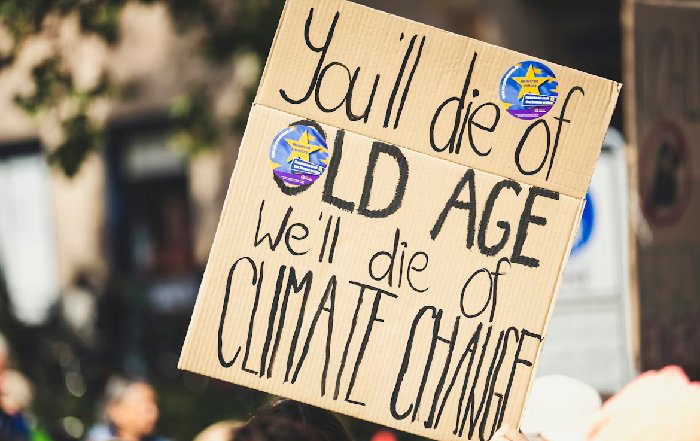
The turning point in European youth climate activism is often associated with the solitary protest that Greta Thunberg began outside the Swedish parliament in 2018, which rapidly evolved into the global Fridays for Future movement. Within a few years, hundreds of thousands of young people in cities from Berlin to Madrid and Warsaw participated in coordinated strikes, marches, and demonstrations, transforming public spaces into forums for demanding science-based climate policy. As documented by the European Environment Agency, youth-driven mobilizations helped elevate climate to the top tier of political priorities in the European Union and many member states, influencing electoral debates and party platforms as governments negotiated climate and energy packages. Learn more about how European institutions track environmental trends through the European Environment Agency.
These early mobilizations were not only symbolic; they laid the foundation for more structured forms of influence. Youth organizations began engaging with parliamentary hearings, contributing to public consultations, and forming alliances with established environmental groups such as Friends of the Earth Europe and Greenpeace. As a result, climate activism moved from the streets into the formal arenas of policymaking, where young representatives increasingly provided testimony, data, and proposals. For readers interested in how this activism connects to broader questions of climate change and global governance, the United Nations Framework Convention on Climate Change provides extensive resources on youth participation and climate negotiations; explore its youth engagement initiatives through the UNFCCC.
Youth Voices in the European Green Deal and Climate Law
One of the most significant policy milestones influenced by youth activism is the European Green Deal, announced by the European Commission in 2019, which aims to make Europe the first climate-neutral continent by 2050. While the Green Deal is the product of many political and economic forces, youth pressure helped shape its ambition and urgency. In particular, mobilizations in 2019 and 2020 created a political environment in which leaders such as Ursula von der Leyen and members of the European Parliament faced strong expectations to align with the 1.5°C target articulated by the IPCC. To understand the scientific basis for these targets, readers can consult the latest assessment reports from the Intergovernmental Panel on Climate Change.
Youth organizations contributed to the debate around the European Climate Law, which enshrined the climate neutrality objective into binding legislation. Through open letters, consultation submissions, and direct dialogue with policymakers, they advocated for an intermediate 2030 target that would be consistent with a fair share of global emissions reductions. The European Commission and European Parliament received and acknowledged these contributions in the legislative process, recognizing the role of young Europeans as stakeholders in long-term policy. For an overview of the Green Deal's structure and timeline, the official European Commission climate action page offers detailed insights into current initiatives.
For YouSaveOurWorld.com, which closely follows global and regional climate developments, the evolution of the European Green Deal illustrates how youth activism can move from protest to policy design. It demonstrates that informed, persistent civic engagement can influence regulatory frameworks that shape everything from energy infrastructure and technology investment to sustainable agriculture and circular economy strategies.
National Climate Litigation and the Power of Legal Action
Beyond EU-level policymaking, youth activists have increasingly turned to the courts to demand stronger climate action from national governments, drawing on human rights frameworks and constitutional principles. In several European countries, youth-led or youth-supported lawsuits have produced landmark decisions that reshape climate policy and create binding obligations for governments.
In the Netherlands, the Urgenda Foundation case against the Dutch state, though not exclusively youth-driven, inspired young activists across Europe by demonstrating that courts could require governments to strengthen emissions reduction targets. The Dutch Supreme Court's ruling, grounded in human rights law and the duty of care, accelerated national climate measures and set a precedent for similar cases. The Climate Case Chart maintained by Columbia Law School's Sabin Center for Climate Change Law provides a comprehensive overview of such litigation strategies; explore current cases through the Sabin Center's climate litigation database.
In Germany, a group of young plaintiffs successfully challenged aspects of the national climate law before the Federal Constitutional Court in 2021, arguing that insufficient long-term targets infringed on their fundamental rights by shifting disproportionate burdens to future generations. The court's decision compelled the German government to revise its climate legislation and set more ambitious interim targets, illustrating how youth activism can leverage legal expertise to secure structural policy changes. For readers seeking to understand how climate litigation relates to broader environmental rights, the European Court of Human Rights provides relevant case law and analysis; find more information on environmental rights at the European Court of Human Rights.
These legal strategies exemplify how youth movements have matured in terms of expertise and authoritativeness. Rather than relying solely on moral appeals, they increasingly collaborate with lawyers, scientists, and policy analysts to build robust cases grounded in evidence and legal precedent. This approach resonates strongly with the principles of trustworthiness and rigor that guide the editorial direction of YouSaveOurWorld.com, and it offers a model for readers who wish to connect personal values with systemic change.
Shaping Corporate Behavior and Sustainable Business Models
Youth activism has also exerted a growing influence on corporate behavior and the evolution of sustainable business practices across Europe. By organizing campaigns targeting major brands, financial institutions, and energy companies, young activists have pressured firms to disclose climate risks, reduce emissions, and adopt more transparent sustainability strategies. This dynamic aligns closely with the themes explored in sustainable business content on YouSaveOurWorld.com, where readers can explore how corporate responsibility intersects with climate policy and long-term value creation.
Many youth-led movements have focused on the financial sector, recognizing that investment decisions by banks, pension funds, and asset managers either accelerate or slow the transition to a low-carbon economy. Campaigns have called on institutions such as HSBC, BNP Paribas, and Deutsche Bank to phase out financing for coal, oil, and gas projects and to increase support for renewable energy and green infrastructure. The Principles for Responsible Investment, supported by the United Nations, provide a framework that many European investors now reference; learn more about responsible investment standards through the UN-supported Principles for Responsible Investment.
In parallel, youth activists have engaged with multinational corporations and industry associations to push for science-based emissions targets, circular economy models, and transparent reporting aligned with frameworks such as the Task Force on Climate-related Financial Disclosures. By scrutinizing corporate sustainability reports and calling out greenwashing, they have contributed to a culture in which stakeholders demand verifiable data and measurable progress. For a deeper understanding of sustainable corporate governance, the Organisation for Economic Co-operation and Development offers guidance on responsible business conduct; explore these principles at the OECD responsible business conduct portal.
For business readers, this landscape underscores that youth activism is no longer a peripheral reputational issue but a structural factor in risk management, market positioning, and investor relations. Companies that proactively integrate robust climate strategies, transparent reporting, and meaningful engagement with young stakeholders are better positioned to maintain trust and competitiveness in a Europe that is steadily tightening its climate regulations and expectations.
Youth Activism, Innovation, and Climate Technology
Youth engagement is not limited to protest and advocacy; it increasingly intersects with innovation, entrepreneurship, and climate technology. Across Europe, young scientists, engineers, and founders are building startups that address decarbonization, resilience, and resource efficiency, from renewable energy solutions and carbon removal technologies to digital platforms that optimize energy use and reduce waste. This entrepreneurial energy connects directly with the innovation and technology themes that YouSaveOurWorld.com highlights as critical levers for sustainable transformation.
Institutions such as EIT Climate-KIC, supported by the European Institute of Innovation and Technology, have developed accelerator programs, hackathons, and educational initiatives that support young innovators in turning climate ideas into scalable ventures. These initiatives create bridges between activism and enterprise, enabling youth who began as campaigners to become solution builders and technology leaders. Learn more about climate innovation ecosystems through EIT Climate-KIC.
At the same time, youth-led organizations collaborate with research centers and universities to promote open access to climate data, modeling tools, and best practices in low-carbon design. For example, networks of student groups work with institutions such as Imperial College London, ETH Zurich, and Technical University of Denmark to integrate climate considerations into engineering, architecture, and business curricula. The International Energy Agency offers detailed analysis of clean energy technologies and pathways, providing a key reference point for young innovators and policymakers alike; explore its technology and scenario insights at the International Energy Agency.
This convergence of activism and innovation is reshaping the way climate policy is implemented. Rather than treating regulation and technology as separate spheres, youth leaders increasingly advocate for policies that accelerate the deployment of proven solutions, de-risk early-stage technologies, and align public procurement with climate goals. For readers interested in how this affects the broader economy, it is clear that youth-driven innovation is helping to define the sectors, skills, and investment priorities that will characterize Europe's low-carbon future.
Lifestyle, Consumption, and Cultural Change
Youth activism in Europe also operates at the level of lifestyle and cultural norms, challenging established patterns of consumption and mobility that drive emissions. Many young Europeans have adopted plant-based diets, reduced air travel, embraced public transport and cycling, and prioritized second-hand or circular fashion, not only as personal choices but as political statements that signal the feasibility of low-carbon lifestyles. For those exploring how daily decisions influence climate outcomes, lifestyle content on YouSaveOurWorld.com connects individual behavior with systemic change.
Campaigns focused on fast fashion, for example, have highlighted the environmental and social impacts of clothing production, prompting some retailers to introduce repair, resale, and recycling programs. Organizations such as the Ellen MacArthur Foundation have promoted circular economy principles that resonate strongly with youth values, encouraging businesses and cities to design out waste and keep materials in use for longer. Learn more about circular economy strategies through the Ellen MacArthur Foundation.
Similarly, youth-led initiatives have advocated for sustainable mobility options in urban planning, supporting investments in cycling infrastructure, clean public transport, and low-emission zones. These campaigns often intersect with broader concerns about air quality, public health, and social equity, reinforcing the idea that climate-friendly cities can also be healthier and more inclusive. The World Health Organization has documented the health co-benefits of climate action, offering data that youth activists frequently reference in their advocacy; explore these connections at the World Health Organization climate and health page.
By embodying low-carbon lifestyles and articulating a positive vision of sustainable living, young Europeans are not only reducing their own footprints but also redefining the aspirations and expectations that shape markets, policy debates, and educational priorities. This cultural dimension of youth activism aligns closely with YouSaveOurWorld.com's commitment to connecting personal well-being and environmental responsibility in ways that are practical, aspirational, and grounded in evidence.
Education, Awareness, and Climate Literacy
A critical element of youth activism's impact lies in its focus on education and climate literacy. Many young leaders argue that effective climate policy requires a population that understands the science, the risks, and the available solutions, and they have campaigned for climate education to be integrated across school curricula, vocational training, and higher education. This emphasis on learning and knowledge dissemination resonates strongly with the education resources that YouSaveOurWorld.com curates for its audience.
In several European countries, youth organizations have worked with ministries of education, teachers' unions, and academic institutions to develop climate modules that cover not only environmental science but also economics, ethics, and civic engagement. They have advocated for experiential learning approaches, such as project-based work on local sustainability challenges, collaborations with municipalities, and partnerships with environmental NGOs. The UNESCO framework for Education for Sustainable Development has provided a reference point for these initiatives, offering guidance on how to integrate sustainability into teaching and learning; further information is available through UNESCO's Education for Sustainable Development.
Beyond formal education, youth activists have harnessed social media, podcasts, webinars, and community events to raise awareness and share practical guidance on topics such as plastic recycling, energy efficiency, and zero-waste living. They often collaborate with scientists and policy experts to translate complex reports into accessible content, thereby strengthening the link between expert knowledge and public understanding. For those interested in structured climate learning opportunities, platforms such as Coursera and edX, in partnership with universities like Yale and Delft University of Technology, offer specialized courses on climate policy, sustainable finance, and environmental management; explore online climate courses at Coursera or edX.
This focus on education reinforces the credibility and depth of youth activism, demonstrating that its influence is built not only on passion but also on a commitment to evidence, interdisciplinary understanding, and continuous learning. It mirrors the editorial philosophy of YouSaveOurWorld.com, which seeks to provide readers with clear, actionable, and trustworthy information that supports informed decisions in both personal and professional contexts.
Waste, Circular Design, and Local Policy Change
Youth activism has also driven concrete policy changes in areas such as waste management, circular design, and urban sustainability. Across European cities, young campaigners have pushed municipalities to improve recycling infrastructure, introduce composting programs, and adopt stricter regulations on single-use plastics, aligning local policies with national and EU-level directives. This work connects directly with the waste and design topics that YouSaveOurWorld.com explores in depth.
In many cases, youth organizations have partnered with local governments and businesses to pilot zero-waste initiatives in schools, universities, and neighborhoods, demonstrating the feasibility and benefits of reducing landfill use and promoting material recovery. They have also advocated for eco-design principles that prioritize durability, repairability, and recyclability, influencing public procurement standards and product regulations. The European Circular Economy Action Plan, part of the broader Green Deal, reflects some of these priorities and provides a policy framework that youth activists continue to monitor and critique; further details are available through the European Commission circular economy page.
At the community level, youth-led projects often serve as laboratories for innovative approaches to waste reduction and resource management, from repair cafés and sharing libraries to local composting networks. These initiatives not only cut emissions and pollution but also build social cohesion and resilience, reinforcing the idea that sustainable living is both environmentally and socially beneficial. For readers seeking practical guidance on waste reduction and circular practices, YouSaveOurWorld.com's waste section offers insights that complement the policy perspectives discussed here.
Building Trust and Long-Term Partnerships
As youth activism has matured, one of its most significant contributions to European climate policy has been the cultivation of trust-based relationships between young citizens, institutions, and businesses. By consistently engaging in dialogue, providing evidence-based critiques, and proposing constructive solutions, youth leaders have demonstrated that they are not merely oppositional voices but partners in the complex task of decarbonizing economies while safeguarding social well-being.
Institutions such as the European Youth Forum have played an important role in formalizing youth participation in policymaking, securing seats at advisory councils, working groups, and international negotiations. These structures help ensure that youth perspectives are integrated into long-term strategies rather than being consulted only in moments of crisis or public pressure. To explore how youth representation is organized at the European level, readers can visit the European Youth Forum.
For platforms like YouSaveOurWorld.com, which aim to bridge the worlds of activism, policy, and business, these developments highlight the importance of sustained, evidence-based engagement. Trustworthiness in climate governance depends on transparency, accountability, and inclusiveness, and youth activism has been a powerful catalyst for advancing these principles. By featuring stories, analyses, and resources that reflect the depth and diversity of youth contributions, YouSaveOurWorld.com seeks to support a more informed and collaborative approach to climate action across Europe and beyond.
Going Ahead: Youth Activism as a Permanent Pillar of European Climate Governance
As Europe moves through the second half of the 2020s, youth activism is likely to remain a central pillar of climate governance rather than a passing phenomenon. The generation that organized school strikes and climate marches is now entering professional roles in government, business, academia, and civil society, carrying with it a strong commitment to sustainability and a deep familiarity with the mechanisms of policy change. Their continued engagement will shape the evolution of the European Green Deal, the implementation of national climate laws, and the integration of climate considerations into every aspect of economic and social planning.
For readers of YouSaveOurWorld.com, the key insight is that youth activism is not only a driver of protest but also a source of expertise, innovation, and leadership that will influence how Europe navigates the complex challenges of decarbonization, adaptation, and social justice. Whether through sustainable living, responsible business practices, or forward-looking technology and innovation, the choices made today will determine the resilience and prosperity of future generations.
By highlighting the role of youth activism in shaping climate policy across Europe, YouSaveOurWorld.com affirms its commitment to providing a platform where evidence-based analysis, practical guidance, and diverse perspectives converge. In doing so, it supports readers who wish to align their personal choices, professional strategies, and civic engagement with a climate-safe, equitable, and thriving European future. Let's Save the Real World Today!
