
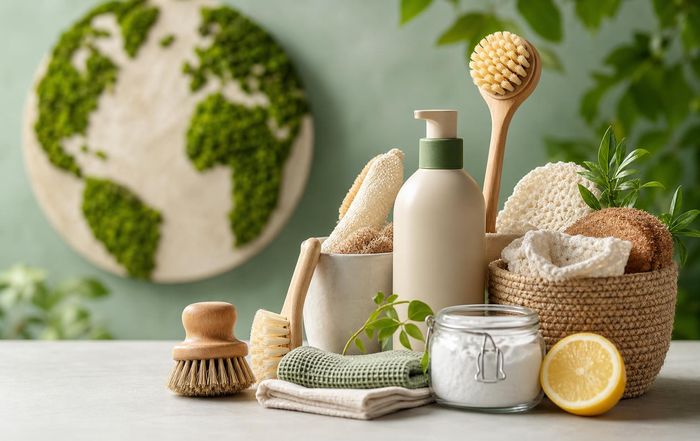
A Guide to Sustainable Cleaning Tools for Everyday Use :)
For many households, cleaning is one of the most regular routines-and one of the most overlooked sources of waste and pollution. From plastic-heavy tools to chemical-laden products, the way homes and workplaces are cleaned has a direct impact on air quality, waterways, and the volume of trash headed to landfills. Shifting to more sustainable cleaning tools does not mean sacrificing hygiene or convenience; in many cases, it means buying less, choosing better, and making items last longer. This guide explores practical, everyday tools that lower environmental impact, what to look for when buying them, and how to use and maintain them so they truly remain sustainable over time.
Sustainable cleaning sits at the cool intersection of sustainable living, waste reduction, and personal well-being. It is not only about the materials in a mop or brush, but also about durability, repairability, and how those tools interact with cleaning products and indoor air. For people trying to reduce plastic use, cut costs, or simply live with a lighter footprint, rethinking cleaning equipment is a tangible and visible place to start.
What makes a cleaning tool "sustainable"?
There is no single universal standard for "sustainable" cleaning tools, but several overlapping principles can guide better choices. First is material sourcing: tools made from renewable, responsibly managed resources such as FSC-certified wood, natural rubber, or plant fibers generally have a lower upstream impact than those made entirely from virgin plastic. Certifications from organizations like the Forest Stewardship Council (FSC) or eco-labels recognized by agencies such as the EU Ecolabel or Nordic Swan can help consumers identify products with reduced environmental footprints, although these programs are more common for cleaning products than tools themselves.
Durability and repairability are just as important. A sturdy broom or mop that lasts ten years is usually more sustainable than a "green-looking" tool that breaks within a year and must be replaced. Agencies such as the U.S. Environmental Protection Agency (EPA) and the European Environment Agency (EEA) emphasize waste prevention and product longevity as key levers in reducing environmental impact. In practice, that means preferring tools with replaceable heads, screws instead of glued joints, and parts you can disassemble and clean rather than throw away.
End-of-life also matters, but it is often more complicated than labels suggest. Many tools marketed as "biodegradable" require industrial composting conditions that are not available in most communities. Guidance from organizations like Zero Waste Europe (zerowasteeurope.eu) and Greenpeace (greenpeace.org) stresses prioritizing reduction and reuse over theoretical compostability. In other words, a partially plastic tool that lasts 15 years and can be repaired may be preferable to a fully "biobased" tool that fails quickly.
Finally, sustainability includes health and indoor air quality. Cleaning tools that shed microplastics or require harsh chemical products to be effective can undermine the benefits of their other attributes. The World Health Organization (WHO) and agencies like Health Canada (canada.ca) highlight the health impacts of indoor pollutants, including volatile organic compounds (VOCs) from cleaning products. Tools that work well with simple, low-toxicity cleaners-such as microfiber cloths used with water or mild soap-can reduce both environmental and health burdens.
Cloths, sponges, and wipes: rethinking the smallest tools
The most frequently used cleaning tools in many homes are also the easiest to replace with more sustainable options. Disposable wipes, paper towels, and single-use dusters create a steady stream of waste. According to waste audits in several countries, paper products and wipes make up a significant share of household trash, and many "flushable" wipes contribute to sewer blockages and microplastic pollution, as reported by utilities and organizations like Water UK (water.org). Reusable cloths and durable sponges can dramatically reduce that footprint.
Microfiber cloths are often recommended because they clean effectively with just water, capturing dust and bacteria mechanically rather than relying on strong chemicals. Independent tests, including those referenced by organizations like Mayo Clinic (mayoclinic.org), show that high-quality microfiber can remove many microbes from surfaces when used and laundered correctly. However, microfiber is usually a synthetic material, and washing it can release microplastics. Using a laundry bag designed to capture microfibers, choosing higher-quality cloths that shed less, washing at lower speeds, and line-drying can reduce this problem.
For those wanting to avoid synthetics, natural-fiber cloths made from organic cotton, hemp, or linen are effective alternatives, especially for general dusting, drying dishes, and wiping spills. They may not match microfiber for microscopic particle capture, but they excel in everyday tasks and can be composted at end-of-life if they are 100% natural fiber and free from synthetic stitching or coatings. Reusing old cotton T-shirts or towels as cleaning rags is one of the most sustainable options of all because it extends the life of textiles that might otherwise be discarded, aligning closely with waste-reduction principles discussed in our coverage of household waste.
Sponges deserve similar scrutiny. Many conventional kitchen sponges are made from polyurethane foam, a petroleum-based plastic that sheds microplastics and is not recyclable. Alternatives include cellulose sponges made from wood pulp and loofah sponges made from the dried fruit of the luffa plant. These can often be composted at end-of-life if local facilities accept them. Keeping any sponge sanitary-by regularly boiling it briefly in water, microwaving it damp if safe for the material, or running it through a dishwasher-extends its life and reduces the need for frequent replacement.
Brushes, brooms, and dusters: durable basics that last
Floor and surface tools are often where households can make some of the biggest long-term changes. A well-made broom, brush, or duster can last for many years, especially if it is designed with replaceable parts. Traditional-style brooms with wooden handles and plant-based bristles, such as those made from broomcorn or other fibers, are widely available and can be an alternative to plastic-handled, synthetic-bristle models. When paired with a metal or wood dustpan instead of a thin plastic one, they offer both durability and a lower plastic footprint.
However, material alone does not determine sustainability. Many modern brooms with synthetic bristles perform well, and if they last a decade or more, their overall impact may be lower than that of multiple shorter-lived "eco" products. Guidance from life-cycle assessments referenced by organizations such as the United Nations Environment Programme (UNEP) highlights that product longevity is often one of the most significant factors in reducing environmental impact. When choosing a broom or brush, it is worth examining how solidly the handle is attached, whether the head can be replaced, and whether spare parts are available.
Dusting tools also merit attention. Disposable dusting sheets and single-use electrostatic cloths generate unnecessary waste. Reusable dusters made from washable microfiber or wool, or simple cotton cloths used with a spray bottle of water, can achieve similar results. For high or hard-to-reach areas, extendable dusters with replaceable, washable heads are preferable to disposable refills. Linking these choices to broader environmental awareness efforts can help people see how everyday items contribute to larger waste streams.
Brushes for dishes, vegetables, and scrubbing surfaces come in many forms. Wooden-handled dish brushes with replaceable heads made from plant fibers are now common in many markets. They can be a good alternative to plastic brushes and metal scouring pads, which often rust or break down quickly. Coconut-fiber or sisal scrubbers provide strong abrasion without plastic. As with other tools, the key is to choose options that can be repaired or have replaceable parts, and to dry them thoroughly between uses to prevent mold and extend their life.
Mops, buckets, and floor care: designing for reuse
Mopping systems are a major source of plastic in many homes and workplaces. Spin mops, spray mops, and disposable-pad systems can be convenient, but they often rely on proprietary plastic components and pads that are thrown away after a single use. From a sustainability perspective, a simple mop with a durable handle and washable, replaceable head is usually preferable. Flat mops with removable microfiber or cotton pads that can be laundered hundreds of times are particularly effective on hard floors, reducing the need for disposable pads and specialized cleaners.
For those concerned about microplastics, cotton or blended-fiber mop heads can be used with low-toxicity cleaning solutions, such as diluted soap or vinegar, where appropriate. Agencies like the Centers for Disease Control and Prevention (CDC) and national health authorities provide guidance on disinfection in homes and public spaces, emphasizing that routine cleaning with detergent and water is often sufficient for non-healthcare settings, reserving stronger disinfectants for higher-risk situations. This means that for most everyday mopping, simple tools and mild cleaners are adequate.
Buckets, though seemingly simple, also offer opportunities for better choices. Sturdy metal or thick, recyclable plastic buckets that last for many years are preferable to thin, brittle versions that crack quickly. Buckets with measurement markings help avoid overuse of cleaning products, which can reduce both chemical consumption and costs. When combined with thoughtful cleaning routines-such as vacuuming or sweeping before mopping and using two-bucket systems to separate clean and dirty water-these tools can improve hygiene while minimizing waste.
In workplaces, schools, and shared buildings, facilities teams are increasingly adopting color-coded mop systems to prevent cross-contamination between bathrooms, kitchens, and general areas. Choosing reusable color-coded cloths and mop heads instead of single-use ones can significantly cut down on waste. This approach aligns with broader sustainable business goals, where procurement policies explicitly favor durable, repairable cleaning equipment.
Toilet and bathroom tools: balancing hygiene and impact
Bathrooms pose particular challenges because people often prioritize strong disinfectants and disposable tools for perceived hygiene. Yet many of the most wasteful items-like single-use toilet brush covers, disposable wipes, and heavily fragranced plastic accessories-do little to improve cleanliness compared with well-designed reusable tools and sensible cleaning routines.
Toilet brushes are a good example. Traditional plastic brushes often trap dirt and odors and are thrown away frequently. More sustainable designs include brushes with removable, replaceable heads, handles made from stainless steel or FSC-certified wood, and bristles that are either durable plastic (designed to last) or plant-based fibers. Some manufacturers now offer silicone-bristle brushes that are easier to rinse clean and less likely to harbor residue, extending their usable life. From a waste perspective, a long-lasting brush with a cleanable holder is preferable to novelty designs that encourage frequent replacement.
In showers and on tiles, reusable squeegees and scrubbing brushes can reduce the need for harsh chemical cleaners by preventing soap scum and limescale from building up. A simple rubber squeegee used after each shower can significantly cut down on mold growth, which in turn reduces the need for strong biocidal products. Health and environmental agencies, including Environment and Climate Change Canada (canada.ca) and Australia's Department of Climate Change, Energy, the Environment and Water (dcceew.gov.au), note that limiting unnecessary use of disinfectants and biocides is important for both environmental and human health.
For people who currently rely heavily on disposable bathroom wipes, transitioning to reusable cloths dedicated to bathroom cleaning can be a major sustainability win. These cloths can be color-coded to avoid cross-use in kitchens or living areas and washed at higher temperatures when needed. Combined with low-toxicity cleaners, this approach supports both hygiene and environmental goals, and meshes well with broader lifestyle changes toward minimal waste.
Vacuum cleaners and mechanical alternatives
Vacuum cleaners sit at the intersection of tools and technology, and their sustainability profile depends on energy efficiency, durability, and how they handle dust and debris. Organizations such as the International Energy Agency (iea.org) and the European Commission (europa.eu) have highlighted the importance of energy-efficient appliances in cutting household emissions. Many regions now require vacuum manufacturers to disclose energy consumption and, in some cases, meet efficiency standards.
From a sustainability viewpoint, several factors stand out. First, energy-efficient models with good filtration can reduce both electricity use and indoor air pollution. High-efficiency particulate air (HEPA) filters, when properly maintained, capture fine dust and allergens, improving indoor air quality. Second, bagless vacuums reduce the need for disposable bags, but they must be emptied carefully to avoid releasing dust back into the air. For those who prefer bagged systems, choosing compostable or recyclable bags where available can mitigate some impacts.
Durability and repairability are again central. The Right to Repair movement, supported by consumer groups and organizations like iFixit (ifixit.com), has drawn attention to appliances that are difficult or impossible to repair. When choosing a vacuum, it is worth checking whether replacement parts-such as filters, brushes, belts, and batteries-are available and whether the manufacturer provides repair information. A mid-range vacuum that can be maintained and repaired may be more sustainable than a cheaper model that fails after a few years.
Mechanical alternatives can also play a role. Manual carpet sweepers and brooms require no electricity and can handle light, everyday cleaning, reserving the vacuum for deeper weekly use. In small spaces, this can significantly reduce energy consumption. For outdoor areas, push sweepers and traditional brooms avoid the noise and emissions associated with gasoline-powered leaf blowers and similar equipment, an issue increasingly highlighted in local environmental policy debates and covered in global environmental news.
Choosing lower-impact cleaning products to pair with your tools
Cleaning tools do not exist in isolation; their sustainability is closely tied to the products used with them. A wooden brush used with a highly toxic, over-concentrated cleaner is not an ideal outcome. Many environmental agencies, including the EPA and the European Chemicals Agency (echa.europa.eu), encourage consumers to choose less hazardous cleaning products, avoid unnecessary disinfectants, and use the minimum effective amount.
For everyday cleaning, mild detergents, soap, and water are often sufficient. Vinegar, baking soda, and citric acid are frequently promoted as "natural" cleaners, and they can be effective in specific applications such as descaling and deodorizing. However, it is important to use them correctly and avoid mixing them with chlorine-based bleach or other strong chemicals, which can create harmful gases. Health authorities like the CDC provide clear warnings about dangerous cleaning product combinations.
Concentrated cleaning products that can be diluted at home reduce packaging and transportation emissions because they ship less water. Refill systems, whether at bulk stores or through concentrated tablets and powders, can also cut down on plastic waste when paired with durable bottles and sprayers. This aligns with the broader shift toward refillable systems in many sectors, which we explore in more detail in our coverage of innovation and technology for sustainable living.
Certifications like EU Ecolabel, Blue Angel in Germany, or Green Seal in the United States help identify products with lower environmental and health impacts, although availability varies by region. Checking local guidance from government agencies or consumer organizations can help households and businesses choose products that work effectively with sustainable tools while minimizing harm to waterways and indoor air.
Maintenance, repair, and end-of-life: making tools truly last
Even the most carefully chosen sustainable cleaning tools will fall short of their potential if they are not maintained. Regular cleaning, drying, and storage can extend the life of almost every item. Cloths and mop heads should be washed according to instructions-often at lower temperatures for microfiber and higher for cotton when disinfection is needed-and dried thoroughly to prevent mold. Brushes and brooms benefit from occasional washing and combing out of trapped hair and debris. Wooden handles last longer when kept dry between uses and occasionally treated with a plant-based oil if appropriate.
Repair is often overlooked but can be surprisingly simple. Reattaching a loose broom head with a screw, replacing a worn mop head, or swapping out vacuum filters and belts can add years of service life. Community repair events, sometimes organized under the Repair Café movement (repaircafe.org), demonstrate how many household items can be fixed rather than discarded. While not every community has such initiatives, the underlying principle-repair before replacement-applies universally.
End-of-life decisions depend heavily on local waste management systems. Some municipalities accept metal components for recycling but not small mixed-material items like brushes. Composting facilities may accept natural-fiber cloths and wooden tools if they are free from synthetic coatings, while others will not. Checking local guidelines is essential. In many cases, the realistic outcome is that a worn-out tool goes to landfill, which reinforces why durability and extended use are so important. A broom that ends in landfill after 15 years of use has a very different impact from one that ends there after 12 months.
For households and organizations tracking their environmental performance, integrating cleaning tools into broader waste and sustainable living strategies can make a meaningful difference. Simple actions like standardizing on a few durable tool types, training users in proper care, and setting up a small repair kit for handles, screws, and replacement heads can reduce both waste and costs over time.
Turning everyday cleaning into everyday climate action
Cleaning may not be the most glamorous part of sustainable living, but it is one of the most consistent and universal. Every kitchen, office, classroom, and clinic relies on tools that are used week after week, year after year. Choosing those tools thoughtfully-favoring durability, repairability, and compatibility with low-toxicity products-turns a routine chore into a quiet form of climate and waste action.
For individuals, a practical starting point is to audit what is already in the home: identify which tools break or wear out quickly, which rely on disposable components, and which could be replaced over time with sturdier, lower-waste alternatives. For businesses and institutions, integrating sustainable cleaning tools into procurement policies and staff training can align facility operations with broader environmental commitments discussed in our super business and economy reporting.
The shift does not have to be immediate or expensive. Reusing old textiles as cloths, repairing a wobbly broom, or switching from disposable wipes to washable alternatives are small, accessible steps. Over time, these choices compound, reducing plastic use, cutting chemical consumption, and lowering the volume of waste sent to landfills and incinerators. In a world facing mounting pressures from climate change and resource depletion, even the humblest tools in the cleaning cupboard can play a part in saving our world, one sweep and wipe at a time.
