
Climate Change Adaptation Strategies for Cities
The Urban Frontline of a Warming Planet
The world's cities remain on the frontline of climate change, absorbing the sharpest edge of physical risk, social vulnerability, and economic disruption while also concentrating the capabilities, capital, and creativity needed to develop transformative solutions. With the United Nations confirming that more than 56 percent of the global population now lives in urban areas and reaffirming projections that nearly 70 percent will be urban by 2050, the trajectory of climate adaptation in cities is effectively the trajectory of global development itself. For YouSaveOurWorld.com, which is dedicated to linking sustainable living with systemic, real-world change, cities form the pivotal arena where personal lifestyle choices, corporate strategies, technological innovation, and public policy intersect to shape climate outcomes in tangible and measurable ways.
As climate impacts intensify from Miami to Mumbai, London to Lagos, and Sydney, adaptation has decisively moved from being a secondary complement to emissions reduction to an essential pillar of climate strategy. The experience of the last several years, with record-breaking heatwaves, unprecedented wildfires, and disruptive floods across North America, Europe, Asia, and Africa, has demonstrated that resilience is a precondition for economic stability, social cohesion, and public health. Urban adaptation strategies now influence investment flows, insurance markets, infrastructure design, and even long-term migration patterns, and they increasingly serve as indicators of city competitiveness and creditworthiness. Visitors who explore climate change analysis and insights on YouSaveOurWorld.com are therefore engaging with one of the most consequential business and societal challenges of the 21st century, where local decisions reverberate across global supply chains and financial systems.
From Risk Awareness to Integrated Urban Resilience
Over roughly the past decade, climate change has shifted in the perception of city leaders and business executives from a distant environmental concern to a present, systemic risk that permeates urban economies, infrastructure networks, and health systems. Successive assessment reports from the Intergovernmental Panel on Climate Change (IPCC) and ongoing monitoring by the World Meteorological Organization have documented a clear increase in the frequency, intensity, and duration of extreme events, with many cities now experiencing conditions that earlier models projected only for mid-century. Those seeking to understand how climate science underpins adaptation and sustainable business strategies can review the latest assessments and scenario analyses on the IPCC website.
This evolving scientific evidence base has driven a structural shift in urban governance and corporate management, moving beyond compliance-oriented environmental policies toward integrated resilience planning. Climate risk is now embedded in master plans, zoning regulations, infrastructure investment criteria, and corporate site selection processes. Analyses from the World Bank and OECD have shown that delayed adaptation can magnify future damages many times over, particularly in coastal and riverine cities, and can destabilize trade routes and supply chains that link production centers in Asia with markets in Europe and North America. At the same time, the emerging resilience agenda is generating new markets for green infrastructure, climate analytics, insurance innovation, and engineering services, aligning adaptation with long-term sustainable business models and investment opportunities that extend across sectors and continents.
Heat-Resilient Cities and the Expanding Urban Heat Risk
Among the most immediate manifestations of climate change in cities is the heightened risk posed by extreme heat, especially in dense urban environments where the heat island effect compounds global warming. Research from NASA and the European Environment Agency has shown that built-up urban districts can be several degrees hotter than surrounding rural areas, with the disparity particularly pronounced in neighborhoods characterized by limited vegetation, dark surfaces, and high traffic density. Interested readers can explore satellite-based analyses of urban heat trends and related climate indicators on NASA's climate portal at climate.nasa.gov.
The impacts of rising temperatures are not evenly distributed. Elderly residents, people with pre-existing health conditions, low-income communities lacking access to efficient cooling, and outdoor workers in construction, logistics, and agriculture face disproportionate health and economic risks. Cities such as Phoenix, Athens, and Singapore, as well as rapidly growing metropolitan areas in India and the Middle East, have begun to treat heat as a core public health and economic challenge. In alignment with guidance from the World Health Organization, many are adopting comprehensive heat-health action plans that combine early warning systems, targeted communication, neighborhood-level outreach, and adaptation of labor regulations to protect workers during peak heat periods. For businesses, these strategies are no longer optional; they are integral to occupational safety, productivity, and continuity of operations, especially in sectors reliant on outdoor or manual labor. Visitors to YouSaveOurWorld.com who explore sustainable living approaches can see how seemingly individual actions-such as supporting urban greening initiatives, investing in energy-efficient cooling, and advocating for improved building codes-help create cooler, healthier, and more resilient neighborhoods.
Water, Floods, and Coastal Defense in an Era of Rising Seas
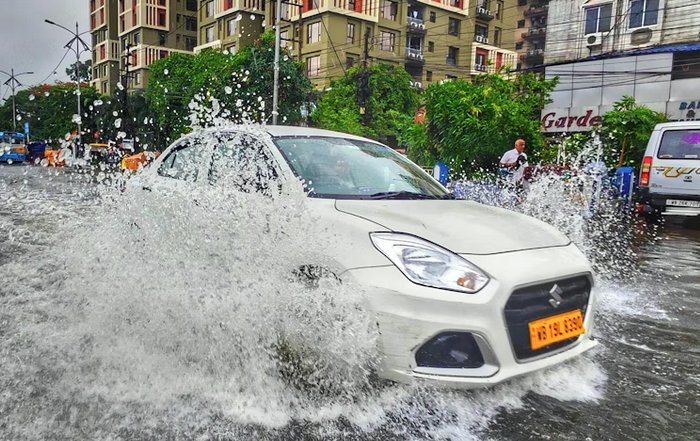
While some cities struggle primarily with heat and drought, others face intensifying exposure to flooding, storm surges, and sea-level rise. Coastal and delta cities in the United States, the United Kingdom, Germany, the Netherlands, China, and Southeast Asia are already confronting more frequent high-tide or "sunny day" flooding, which disrupts transport, damages property, and erodes public confidence in critical infrastructure. Analyses by the National Oceanic and Atmospheric Administration (NOAA) and independent research organizations such as Climate Central highlight that many coastal assets and neighborhoods were designed for historical sea levels and storm patterns that no longer apply. Those interested in the latest sea-level rise projections and coastal risk mapping can review resources on NOAA's climate portal at climate.gov.
In response, adaptation strategies for water and coastal resilience increasingly blend engineered defenses with nature-based solutions. Traditional structures-seawalls, levees, storm surge barriers, and upgraded drainage systems-are being complemented by restored wetlands, mangroves, floodplains, and permeable urban surfaces that slow, store, and filter water. Cities such as Rotterdam and Singapore have become reference points for integrated water management, demonstrating how multifunctional public spaces can serve as recreational parks in dry periods and controlled retention basins during heavy rainfall. Research and case studies compiled by the World Resources Institute illustrate how these hybrid, ecosystem-based approaches can be more cost-effective and socially beneficial than purely engineered solutions, especially when they are designed in partnership with local communities. For readers interested in how water management intersects with materials, land use, and consumption patterns, urban waste and resource content on YouSaveOurWorld.com shows how water-sensitive design, flood-aware planning, and responsible waste management form an integrated foundation for urban resilience.
Nature-Based Solutions and the Value of Urban Green Infrastructure
Across regions, cities are rediscovering and revaluing nature as essential infrastructure. Rather than treating green spaces as discretionary amenities, leading urban planners now recognize that ecosystems and natural processes are central to reducing flood risk, moderating heat, improving air quality, and enhancing mental and physical health. The concept of nature-based solutions, championed by the International Union for Conservation of Nature (IUCN) and embedded in policies of the European Commission, emphasizes the deliberate use of ecosystems to address climate and societal challenges. Those who wish to delve deeper into the science and practice of nature-based solutions can review guidance and case studies on the IUCN website.
Urban forests, street trees, green roofs, bioswales, wetlands, and restored river corridors are increasingly incorporated into zoning codes, development incentives, and infrastructure projects. Cities in Germany, the Netherlands, Sweden, and Denmark have pioneered regulatory frameworks that require or strongly encourage green infrastructure in new developments, while many North American and Asian cities are experimenting with public-private partnerships to finance large-scale urban greening. For businesses, investments in nature-based solutions can reduce exposure to flood and heat risks, contribute to biodiversity and carbon goals, and strengthen environmental, social, and governance (ESG) performance. For residents, access to green spaces is linked to lower stress, improved cognitive function, and stronger community ties. On YouSaveOurWorld.com, readers exploring environmental awareness resources will find that nature-based solutions are framed not as abstract concepts but as practical strategies that citizens, companies, and local governments can champion together to improve urban quality of life while strengthening climate resilience.
Climate-Resilient Infrastructure and the Strategic Role of Technology
Urban infrastructure-spanning transport, energy, water, waste, and digital networks-underpins economic activity and social well-being, yet much of it was built for a climate that no longer exists. In 2026, city leaders, engineers, and investors are revisiting design standards, maintenance practices, and investment horizons to incorporate forward-looking climate scenarios. The World Economic Forum and the International Energy Agency (IEA) have emphasized that climate-resilient infrastructure is essential to protect trillions of dollars in assets and ensure reliable service delivery as extreme weather events become more frequent and severe. Those who wish to understand how infrastructure, energy systems, and climate interact can explore analytical reports and scenario tools on the IEA website.
Technology and data are now integral to adaptation planning and operational resilience. Smart sensors, satellite observations, predictive models, and artificial intelligence enable cities to monitor infrastructure performance in real time, detect anomalies, and anticipate disruptions. Utilities and transport operators use climate risk analytics to prioritize upgrades, while real estate developers and investors increasingly rely on geospatial tools to assess flood, fire, and heat exposure. At the same time, building technologies-from advanced insulation and glazing to intelligent control systems-are being deployed to maintain comfort and safety during heatwaves or storms while minimizing energy consumption. On YouSaveOurWorld.com, the intersection of technology and sustainability is presented as a practical toolkit rather than a distant aspiration, highlighting how digital twins, early warning systems, and climate dashboards can help both public authorities and businesses make informed decisions that reduce risk and enhance resilience.
Urban Governance, Policy, and Finance for Adaptation
Successful climate adaptation in cities is as much a governance and finance challenge as it is a technical one. Municipal administrations must coordinate across departments, align with national and regional policies, and collaborate with businesses, universities, and civil society organizations to design and implement credible adaptation strategies. Networks such as C40 Cities, the Global Covenant of Mayors for Climate & Energy, and ICLEI - Local Governments for Sustainability have become influential platforms for sharing best practices, benchmarking progress, and mobilizing funding for climate-resilient investments. Those interested in how leading cities collaborate and exchange knowledge on adaptation can explore case studies and reports on the C40 Cities website.
Financing remains a critical barrier, particularly in rapidly expanding cities in Asia, Africa, and Latin America, where fiscal resources are constrained and competing development needs are acute. Institutions such as the Green Climate Fund, the European Investment Bank, and regional development banks are directing more capital toward urban resilience projects, while private investors experiment with green bonds, resilience bonds, and blended finance mechanisms that combine public and private resources. For the global business community, understanding how climate policy, building regulations, and infrastructure finance are evolving at the city level is becoming a strategic necessity, influencing real estate valuations, insurance pricing, and long-term investment decisions. Visitors to YouSaveOurWorld.com who explore business and economy content can see how climate adaptation is reshaping business models, risk assessments, and capital allocation in both mature and emerging markets.
Corporate Adaptation and the Sustainable Business Imperative
Corporate leaders now recognize that climate adaptation is not solely a governmental responsibility; it is a central business issue that spans supply chains, real estate portfolios, workforce management, and brand reputation. Guidance from the Task Force on Climate-related Financial Disclosures (TCFD) and the International Sustainability Standards Board (ISSB) has encouraged companies to identify, quantify, and disclose both physical and transition risks associated with climate change, prompting deeper integration of resilience into enterprise risk management and strategic planning. Those who wish to understand how climate-related financial disclosure is evolving can review recommendations and implementation resources on the TCFD website.
In practice, corporate adaptation strategies include diversifying supply chains away from highly exposed regions, upgrading facilities to withstand floods, storms, and heatwaves, investing in distributed energy and water systems to maintain operations during grid disruptions, and collaborating with municipalities on shared infrastructure and community resilience initiatives. In sectors such as real estate, retail, logistics, and manufacturing, the capacity to anticipate and manage climate impacts now influences credit ratings, insurance conditions, and investor confidence. On YouSaveOurWorld.com, the sustainable business section examines how organizations can align adaptation with innovation and long-term value creation, emphasizing that resilience should be treated as an investment in competitiveness, continuity, and stakeholder trust rather than as a narrow compliance cost.
Innovation, Design, and Climate-Ready Urban Lifestyles
Adaptation is not only about defending against risk; it is also about reimagining urban form and lifestyle in ways that remain viable and attractive under changing climatic conditions. Architects, planners, and designers are increasingly integrating climate projections into building orientation, material choices, ventilation strategies, shading systems, and public realm design, creating environments that maintain functionality and comfort during extremes of heat, rainfall, or wind. Professional bodies such as the Royal Institute of British Architects (RIBA) and the American Institute of Architects (AIA) have issued guidance on climate-resilient design, highlighting the importance of passive cooling, flood-resilient ground floors, elevated critical systems, and flexible spaces that can adapt to different uses over time. Those interested in contemporary approaches to climate-conscious architecture and planning can explore resources on the RIBA website.
Innovation ecosystems in cities such as Berlin, Singapore, Toronto, and Melbourne are generating new materials, products, and business models that support adaptation: permeable pavements that reduce runoff, modular flood barriers that can be rapidly deployed, urban farming systems that strengthen local food resilience, and building facades that respond dynamically to changing weather conditions. These technical advances intersect with evolving urban lifestyles, as residents adopt new mobility patterns, consumption choices, and housing preferences that reflect climate realities. On YouSaveOurWorld.com, the innovation hub and lifestyle section highlight how design thinking, entrepreneurship, and personal behavior can reinforce city-wide resilience, demonstrating that adaptation can be a driver of comfort, health, and creativity rather than a constraint on urban life.
Education, Environmental Awareness, and Personal Well-Being
For adaptation strategies to be effective and enduring, they must be understood, supported, and actively shaped by the people who live and work in cities. Education and environmental awareness are therefore central pillars of urban resilience, enabling residents, students, and professionals to interpret climate information, assess risks, and participate meaningfully in decision-making processes. Universities, schools, and training providers across North America, Europe, and Asia are integrating climate resilience and sustainability into curricula for engineering, business, public policy, and design, while community organizations run local awareness campaigns, citizen science projects, and participatory planning initiatives. Those who wish to explore global efforts to integrate climate and sustainability into education can find guidance and case studies on the UNESCO website at unesco.org.
At the individual level, climate change and extreme events can affect mental health, stress levels, and overall well-being. The American Psychological Association and other professional bodies have documented the psychological impacts of climate anxiety, displacement, and disaster exposure, emphasizing the importance of social support networks, access to green spaces, and opportunities for meaningful engagement in climate solutions. For visitors to YouSaveOurWorld.com, the connection between environmental education, personal well-being, and climate adaptation is increasingly evident: people who understand the risks and feel empowered to act are better equipped to prepare their households, support vulnerable neighbors, and advocate for ambitious policies that protect both people and ecosystems.
Circular Economy, Waste, and Resource Resilience
Urban climate adaptation is closely intertwined with how cities manage resources, waste, and material flows. The way products are designed, consumed, reused, and recycled influences not only greenhouse gas emissions but also resilience to supply shocks, price volatility, and environmental degradation. The Ellen MacArthur Foundation has played a leading role in articulating how circular economy models-based on designing out waste, keeping materials in use, and regenerating natural systems-can reduce dependence on virgin resources and create more robust local value chains. Those interested in the strategic and practical dimensions of circularity can explore frameworks and case studies on the Ellen MacArthur Foundation website.
Cities that invest in efficient recycling, composting, and resource recovery systems are better positioned to withstand disruptions triggered by climate events or geopolitical tensions, because they rely less heavily on long, fragile supply chains. For residents and businesses, participation in recycling programs, reduction of single-use plastics, and support for repair, reuse, and sharing initiatives are practical ways to strengthen urban resilience while reducing environmental footprints. On YouSaveOurWorld.com, readers can explore plastic recycling and broader waste management strategies as integral components of climate-conscious urban living, illustrating how responsible consumption and production patterns are central to long-term adaptation and to the creation of healthier, more resource-efficient cities.
A Shared Urban Future
As climate change continues to reshape cities around the world-from New York and Los Angeles to London and Berlin, from Toronto and Vancouver to Sydney and Melbourne, from Paris, Rome, and Madrid to Amsterdam and Zurich, from Shanghai, Seoul, and Tokyo to Bangkok, Singapore, and Kuala Lumpur, and from Johannesburg and Cape Town and Rio de Janeiro-the demand for credible, accessible, and actionable information is intensifying. YouSaveOurWorld.com positions itself as a trusted platform where individuals, businesses, and communities can explore the interconnected dimensions of climate change, sustainable business, technology, innovation, sustainable living, and the wider global context that binds these themes together.
By curating insights across policy, finance, design, education, lifestyle, and personal well-being, the platform underscores that climate adaptation in cities is not a narrow technical exercise but a comprehensive transformation in how societies function and how value is created and shared. It emphasizes experience by drawing on real-world examples from leading cities and organizations, highlights expertise by engaging with current science and advanced business thinking, reinforces authoritativeness by referencing respected global institutions, and builds trustworthiness by connecting high-level strategies with concrete, everyday actions that readers can take. For professionals seeking to align their organizations with resilient, low-carbon futures, for city residents striving to live more sustainably, and for educators and innovators shaping the next generation of solutions, YouSaveOurWorld.com aims to serve as a practical, reliable companion.
In 2026 and beyond, the cities that prosper will be those that treat adaptation as a shared responsibility and a catalyst for innovation, equity, and prosperity. By helping its audience navigate sustainable living, responsible business, technological change, and the evolving global economy, YouSaveOurWorld.com seeks to contribute to an urban future that is not only more resilient to climate shocks, but also more sustainable, inclusive, and humane for generations to come.
