How Sustainable Living Builds Healthier Cities
Sustainable Living as the Core of Urban Well-Being
The relationship between sustainable living and urban health has shifted from aspirational rhetoric to a measurable strategic priority for city governments, businesses, and communities around the world. Metropolitan regions from New York, London, and Toronto to Singapore, Johannesburg, and Sydney now routinely embed sustainability metrics into public health plans, infrastructure programs, and corporate strategies, recognizing that the way people live, move, consume, and work directly shapes the physical and mental health of urban populations. Within this evolving landscape, YouSaveOurWorld.com positions itself as a focused, practitioner-oriented platform that translates global sustainability knowledge into practical guidance for individuals, entrepreneurs, executives, and policymakers who want their day-to-day decisions to contribute to healthier, more resilient cities. The site's emphasis on experience, expertise, authoritativeness, and trustworthiness reflects a deliberate effort to support urban stakeholders with reliable, business-relevant insights that can be applied across diverse regions and sectors.
Sustainable living has matured considerably since the early environmental debates of the late twentieth century and the first wave of climate policy discussions in the 2000s and 2010s. It is now understood as a comprehensive framework that integrates environmental protection, public health, social equity, economic resilience, and personal well-being rather than a narrow focus on resource conservation alone. Institutions such as the World Health Organization highlight how air pollution, climate-related hazards, sedentary lifestyles, and inadequate housing conditions in cities have become some of the most pressing threats to human health, especially in rapidly urbanizing regions. At the same time, assessments by the Intergovernmental Panel on Climate Change show that urban areas remain major sources of greenhouse gas emissions while also serving as powerful hubs of technological and social innovation. In this context, sustainable living is best seen as a strategic operating system for cities: it guides how energy, materials, and land are used; how mobility and housing are organized; and how communities interact and support one another. Readers seeking a structured introduction to these concepts can explore the sustainable lifestyle resources at YouSaveOurWorld.com/sustainable-living, where the implications for modern city life are examined in detail.
Urban Health Pressures in a Hotter, Denser, and More Unequal World
Urbanization continues to accelerate, with projections from the United Nations Department of Economic and Social Affairs indicating that nearly 70 percent of the world's population will live in cities by mid-century, and many regions are already experiencing the strains of this demographic shift. In megacities across Asia, Africa, and Latin America, as well as in established urban centers in North America and Europe, demand for housing, transport, water, energy, and food has outpaced the capacity of existing systems, creating complex health risks that are both environmental and social in nature. The convergence of climate change, pollution, and inequality has turned many cities into frontline arenas where the consequences of unsustainable development are visible in rising heat stress, frequent flooding, deteriorating air quality, and widening health disparities.
Air pollution remains one of the most damaging outcomes of unsustainable urban growth. Analysis from the International Energy Agency and the World Bank links high levels of fine particulate matter and nitrogen oxides in cities to fossil fuel-intensive transport, inefficient industrial processes, outdated building systems, and poorly managed waste burning. These pollutants are associated with cardiovascular and respiratory diseases, reduced life expectancy, and significant productivity losses, placing a heavy burden on health systems and undermining economic competitiveness. Parallel research from the UN Environment Programme shows that climate change is amplifying urban heat island effects, intensifying storms, and disrupting water and food systems, thereby compounding health risks for vulnerable populations. For a deeper exploration of how these pressures intersect with urban policy and business strategy, readers can consult the climate-focused analyses at YouSaveOurWorld.com/climate-change, which connect global scientific findings to city-level realities.
Urbanization also magnifies inequality, and these social divides translate directly into health outcomes. Lower-income neighborhoods in many cities, whether in the United States, United Kingdom, Germany, Brazil, South Africa, or India, are more likely to be located near industrial zones, congested highways, or inadequately regulated waste facilities, leaving residents disproportionately exposed to pollution, noise, and environmental hazards. Organizations such as the OECD and the World Economic Forum have documented how unequal access to clean air, safe housing, quality education, and healthcare undermines social cohesion and long-term economic performance, particularly when climate-related shocks hit already stressed communities. In this environment, sustainable living is not simply a matter of individual virtue; it is a lever for redesigning urban systems so they distribute environmental benefits and risks more fairly, support inclusive growth, and strengthen the social foundations of healthy cities.
How Sustainable Living Reconfigures Urban Systems for Health
Sustainable living shapes healthier cities by influencing the millions of micro-decisions that residents, businesses, and institutions make every day, decisions that collectively determine emissions levels, pollution loads, resource efficiency, and social dynamics. When people opt for low-carbon mobility, prioritize energy-efficient homes, reduce waste, and support companies that embed sustainability into their operations, they help shift demand signals across the urban economy. Organizations such as C40 Cities and the World Resources Institute have demonstrated that these behavioral shifts, when aligned with supportive policy frameworks and infrastructure investments, can significantly reduce urban emissions while improving air quality, safety, and overall quality of life.
At the household level, sustainable living increasingly involves integrated choices rather than isolated actions: residents combine efficient appliances and better insulation with smart thermostats and renewable energy subscriptions; they adjust water use and consumption habits while adopting more plant-rich, locally sourced diets when feasible; and they evaluate products based on durability, repairability, and lifecycle impact. These patterns reduce pressure on energy grids, water systems, and waste facilities, while sending clear market signals that reward firms investing in sustainable innovation. On the business side, sustainable operations now encompass energy management, logistics optimization, circular product design, responsible sourcing, and transparent reporting, all of which reduce pollution and resource use while strengthening brand trust and risk management. Executives, sustainability leaders, and entrepreneurs can learn more about sustainable business practices through the resources curated by YouSaveOurWorld.com, which connect corporate decisions to broader urban health outcomes.
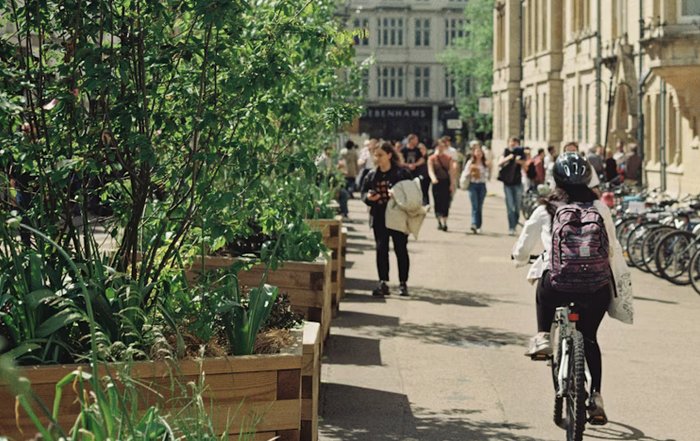
Beyond environmental metrics, sustainable living carries important social and psychological dimensions that directly affect urban health. Community gardens, local food networks, shared mobility services, and neighborhood greening initiatives encourage physical activity, reduce car dependency, and create informal social support systems. Longitudinal studies published in journals such as The Lancet and research from institutions including the Harvard T.H. Chan School of Public Health show that access to green spaces, walkable streets, and clean environments is associated with lower rates of chronic disease, improved mental health, and stronger social cohesion. Cities that integrate these insights into planning and zoning decisions foster environments where sustainable choices become the default rather than the exception, and where individual well-being and collective resilience reinforce each other.
Plastic Recycling, Waste Systems, and Urban Health
Waste management, particularly the management of plastics, has emerged as a defining challenge for twenty-first century cities, with direct implications for public health, climate resilience, and economic efficiency. Municipalities across continents are grappling with rising volumes of municipal solid waste driven by increased consumption, rapid e-commerce growth, and short product lifecycles. Mismanaged plastic waste clogs drainage systems, intensifies flooding during extreme rainfall events, contaminates rivers and coastal zones, and contributes to air pollution when burned in open conditions, all of which undermine the health and safety of urban residents. Analyses by the OECD and UN-Habitat confirm that these impacts fall disproportionately on lower-income communities, informal settlements, and marginalized groups, making waste governance a matter of environmental justice as well as technical infrastructure.
Effective plastic recycling and broader circular economy strategies can significantly reduce these burdens. When households, businesses, and institutions separate recyclable materials, minimize single-use plastics, and favor products designed for reuse and recyclability, they reduce the demand for virgin materials and the volume of waste destined for landfills and incinerators, both of which can release harmful substances into air, soil, and water. YouSaveOurWorld.com provides practical guidance on plastic recycling and responsible waste management, illustrating how consistent individual and organizational actions can scale into citywide improvements in environmental quality. Complementing these behavioral changes, many urban administrations are now aligning with frameworks promoted by the Ellen MacArthur Foundation, which advocate for circular systems where materials remain in productive use for as long as possible, and where product and packaging design is rethought from the outset to minimize waste.
In rapidly growing cities, improving waste systems is also crucial for the health and livelihoods of workers in the informal recycling sector, who often operate without adequate protection despite playing a vital role in material recovery. Sustainable living in an urban context therefore extends beyond personal consumption choices to include advocacy for inclusive, well-regulated waste systems that safeguard worker health, create dignified employment opportunities, and provide reliable collection and recycling services to all neighborhoods. YouSaveOurWorld.com addresses these wider resource and waste issues from a global perspective at YouSaveOurWorld.com/waste, encouraging readers to consider how their own practices intersect with systemic reforms that can make cities cleaner, safer, and more equitable.
Sustainable Business as the Economic Engine of Healthy Cities
By 2026, it has become clear that the economic foundations of healthy cities depend on how effectively businesses integrate sustainability into their strategies, operations, and value propositions. From climate-tech startups and social enterprises to global corporations in finance, manufacturing, logistics, and real estate, companies increasingly recognize that environmental performance and social responsibility are integral to competitiveness, resilience, and access to capital. Organizations such as the World Business Council for Sustainable Development and the Global Reporting Initiative have helped standardize how firms measure and disclose environmental, social, and governance performance, while frameworks from the Sustainability Accounting Standards Board and related initiatives guide investors in evaluating corporate exposure to sustainability risks and opportunities.
Sustainable business practices support urban health in multiple, mutually reinforcing ways. Companies that decarbonize their operations, adopt clean technologies, and design products for longevity and circularity reduce local pollution and resource depletion, directly benefiting the air quality and environmental conditions in surrounding communities. Firms that prioritize fair labor standards, diversity and inclusion, and community engagement contribute to social stability, reduce inequality, and build trust, which are essential for cohesive, resilient cities. Work patterns are also changing: organizations that support remote and hybrid work, flexible schedules, and distributed teams help reduce commuting-related emissions and congestion, easing pressure on transportation networks and improving the daily experience of urban residents. Business leaders and professionals can examine these dynamics in depth through the content at YouSaveOurWorld.com/business and YouSaveOurWorld.com/economy, where sustainable business is framed as a central driver of long-term urban prosperity.
Regulatory and financial frameworks are accelerating this transition. The European Commission continues to advance its Green Deal agenda, sustainable finance regulations, and circular economy action plans, shaping corporate behavior not only within the European Union but also among global firms with European market exposure. In parallel, countries such as the United States, Canada, Japan, South Korea, and Australia are implementing climate policies, clean energy incentives, and industrial strategies that favor low-carbon innovation in urban regions. Global initiatives including the UN Global Compact and the Task Force on Climate-related Financial Disclosures set expectations for corporate transparency and climate risk management, making it increasingly difficult for firms to ignore the sustainability implications of their urban footprints. Businesses that respond proactively to these trends are better placed to attract talent, secure investment, and maintain their social license to operate in increasingly sustainability-conscious cities.
Innovation, Technology, and Design as Enablers of Urban Health
Innovation, technology, and design have become indispensable tools for enabling sustainable living at scale and for translating abstract sustainability goals into tangible improvements in the urban fabric. Smart energy systems, digital mobility platforms, advanced materials, and data-driven planning tools allow cities to optimize resource use, reduce emissions, and improve service delivery in ways that were not feasible even a decade ago. Reports from organizations such as the International Telecommunication Union and the World Economic Forum document how digitalization, when guided by robust governance and sustainability principles, can enhance public transport efficiency, support real-time environmental monitoring, and enable more participatory, evidence-based urban planning.
In mobility, the rapid expansion of electric vehicles, shared e-mobility services, and public charging networks is transforming transport landscapes in countries such as Norway, China, the Netherlands, and the United States. When combined with investments in cycling infrastructure, pedestrian-friendly streets, and integrated transit systems in cities like Copenhagen, Amsterdam, Seoul, and Vancouver, these technological shifts support a transition away from car-centric models toward multimodal, low-carbon mobility that improves both air quality and public health. For readers interested in how emerging technologies and business models can be harnessed for sustainable urban living, YouSaveOurWorld.com offers forward-looking coverage in its innovation and technology sections, highlighting solutions that are both technically feasible and socially beneficial.
In the built environment, green building standards and human-centered design approaches are reshaping how residential, commercial, and public spaces are conceived and delivered. Certification systems such as LEED and BREEAM, together with health-focused frameworks like the WELL Building Standard, encourage architects, developers, and city planners to prioritize energy efficiency, indoor air quality, natural light, acoustic comfort, and access to nature. These design principles contribute to lower emissions and reduced operating costs while enhancing occupant well-being, productivity, and satisfaction. Urban design that integrates parks, green roofs, permeable surfaces, and blue infrastructure helps mitigate urban heat islands, manage stormwater, and create inclusive spaces for recreation and social interaction. The design-oriented content at YouSaveOurWorld.com/design explores how aesthetic quality, functionality, and environmental performance can be aligned to create urban spaces that support both health and sustainability.
Education, Awareness, and Lifestyle Change
Despite advances in technology and policy, the success of sustainable living ultimately depends on people's knowledge, values, and day-to-day choices, which are shaped by education and awareness. Institutions such as UNESCO and the OECD emphasize that education for sustainable development must be embedded across school curricula, vocational training, and lifelong learning programs so that individuals at all stages of life can understand complex environmental and social issues and act on that understanding. This includes not only scientific literacy about climate change and ecosystems but also critical thinking, systems thinking, and the capacity to collaborate across disciplines and sectors.
Public awareness campaigns, community learning initiatives, and digital platforms play a vital role in translating technical information into actionable guidance that resonates with diverse audiences. In this space, YouSaveOurWorld.com serves as a specialized resource that connects global research and policy trends with practical, lifestyle-oriented advice, offering accessible material on environmental awareness, sustainable consumption, and personal well-being. By framing sustainability as an integrated lifestyle choice that spans housing, mobility, diet, work practices, and leisure activities, the platform encourages readers in cities from Chicago and Manchester to Singapore, Cape Town, and Rio de Janeiro to recognize their own agency in shaping urban health outcomes. The site's education content further supports educators and professionals seeking to embed sustainability principles into training programs, corporate learning, and community outreach.
Lifestyle transformation gains momentum when environmental benefits align with tangible personal advantages such as improved health, financial resilience, and quality of life. Evidence from the World Health Organization and the Food and Agriculture Organization underscores that active transport, plant-rich diets, reduced exposure to pollution, and access to green spaces can significantly lower the risk of chronic diseases while also reducing environmental footprints. Energy-efficient homes and buildings not only cut emissions but also reduce utility costs and enhance comfort, particularly during heatwaves and cold spells that are becoming more frequent with climate change. The lifestyle and personal well-being sections of YouSaveOurWorld.com highlight these synergies, presenting sustainable living as a pathway to healthier, more balanced urban lives rather than as a set of sacrifices.
Global Lessons, Local Realities, and the Role of Trusted Guidance
While the principles that link sustainable living to healthier cities are broadly applicable, their implementation must be adapted to local contexts, resource constraints, and cultural norms. Cities in Europe and North America often focus on deep decarbonization, building retrofits, and advanced circular economy strategies, whereas many cities in Southeast Asia, sub-Saharan Africa, and parts of Latin America prioritize access to basic services, upgrading informal settlements, and expanding affordable public transport. Regional entities such as the European Environment Agency and the African Union provide tailored analyses and policy guidance, but successful implementation always depends on local governance capacity, stakeholder engagement, and financial resources.
Across these varied contexts, certain patterns emerge: cities that make progress on sustainability and health tend to involve residents, businesses, and civil society organizations in co-designing solutions; they align land-use planning with climate and health goals; and they invest in data systems and institutional capacity that allow for continuous learning and adaptation. Examples from cities such as Barcelona, Melbourne, Cape Town, and Curitiba demonstrate that when urban leaders combine long-term vision with participatory processes and pragmatic experimentation, they can turn sustainability strategies into visible improvements in air quality, mobility, green space, and social inclusion. Reflecting this global-local interplay, YouSaveOurWorld.com curates international case studies and strategic insights in its global coverage, while always encouraging readers to adapt ideas to the regulatory, economic, and cultural realities of their own cities.
In this complex information environment, the credibility and clarity of sustainability guidance are critical. Decision-makers and engaged citizens must navigate a crowded landscape of reports, tools, and opinions, some of which are outdated, biased, or misleading. By grounding its content in reputable sources such as the Intergovernmental Panel on Climate Change, World Bank, and International Energy Agency, and by emphasizing transparent, balanced analysis rather than sensationalism, YouSaveOurWorld.com seeks to provide a trusted reference point for those who wish to align their personal choices and professional strategies with the broader objective of building healthier, more sustainable cities. The site's structured thematic architecture-spanning sustainable living, climate change, business, innovation, technology, education, and more-allows users to quickly locate relevant insights while maintaining a holistic understanding of how these domains intersect.
Aligning Urban Futures with Sustainable Living
As cities navigate the second half of the 2020s, the strategic importance of sustainable living for urban health, economic resilience, and social stability is no longer in doubt. Urban areas are simultaneously exposed to climate risks, public health challenges, technological disruption, and demographic change, yet they also possess dense networks of talent, capital, and innovation that can be mobilized to create cleaner, fairer, and more livable environments. Sustainable living functions as the connective tissue between individual behavior and systemic transformation, linking the daily routines of millions of residents and workers to the long-term trajectories of their cities.
For business leaders, policymakers, educators, and citizens, the task is to embed sustainability into core strategies, operational decisions, and lifestyle patterns, recognizing that environmental stewardship, economic performance, and human well-being are interdependent. YouSaveOurWorld.com aims to support this transition by providing clear, trustworthy, and actionable content tailored to a global, urban-focused audience that spans sectors and professions. By exploring the full range of topics available at YouSaveOurWorld.com, readers can identify concrete steps-whether in procurement, product design, urban planning, investment, education, or personal lifestyle-that align with the broader objective of building cities where sustainable living and health continuously reinforce each other. In doing so, they contribute to an urban future in which prosperity is decoupled from pollution, resilience is built into infrastructure and institutions, and the well-being of people and the planet is treated as a shared, non-negotiable priority.
