The Psychology of Environmental Action

Last updated by Editorial team at yousaveourworld.com on Wednesday 18 February 2026
Article Image for The Psychology of Environmental Action

The Psychology of Environmental Action: Why People Change and How Businesses Can Lead

Introduction: From Awareness to Action in a Warming World

By 2026, the global conversation on climate and sustainability has shifted from whether change is necessary to how quickly and effectively it can be achieved, yet the gap between what people say they value and what they actually do in their daily lives remains stubbornly wide. This intention-action gap is now one of the central challenges facing policymakers, businesses, and citizens who are trying to move from environmental concern to meaningful, measurable impact. For YouSaveOurWorld.com, which exists at the intersection of sustainable living, business strategy, and global awareness, understanding the psychology of environmental action is no longer a theoretical exercise; it is the foundation for designing solutions, campaigns, products, and policies that actually work in the real world.

As climate science has become more precise through organizations such as the Intergovernmental Panel on Climate Change (IPCC), and as data from agencies like NASA and the National Oceanic and Atmospheric Administration (NOAA) have documented record-breaking temperatures, rising sea levels, and intensifying extreme weather, public concern has grown steadily. Yet research from institutions like Yale Program on Climate Change Communication shows that even highly concerned individuals often struggle to translate their beliefs into consistent, low-impact lifestyles. Understanding why this happens, and how to overcome these psychological barriers, is now a strategic imperative for any organization seeking to advance environmental awareness, sustainable business, or climate resilience.

The Intention-Action Gap: Why Good Intentions Are Not Enough

Psychologists have long observed that people frequently fail to act in accordance with their stated values, and environmental behavior is one of the clearest examples of this discrepancy. Surveys by Pew Research Center and Ipsos show strong global support for climate action and sustainable development, yet energy use, consumption patterns, and waste generation continue to rise in many regions. This gap is driven by a complex mix of cognitive biases, structural barriers, social norms, and emotional responses that shape how individuals perceive environmental problems and evaluate possible actions.

At the cognitive level, humans are poorly wired to respond to slow-moving, probabilistic threats that unfold over decades, which is why climate change often feels psychologically distant compared with immediate personal concerns such as employment, health, and family obligations. Behavioral scientists at Harvard University and London School of Economics have shown that people discount future risks heavily, a phenomenon known as temporal discounting, which makes long-term environmental harms feel less urgent than short-term costs such as paying more for sustainable products or investing time in new habits. For readers of YouSaveOurWorld.com who are exploring sustainable living or sustainable business strategies, recognizing this tendency is the first step toward designing interventions that bring future consequences into the present in emotionally resonant ways.

Structural barriers also play a powerful role in constraining environmental action, even for highly motivated individuals. Limited access to public transportation, lack of recycling infrastructure, unsupportive workplace cultures, and confusing or misleading product information all raise the "friction cost" of sustainable choices. Research from OECD and UN Environment Programme highlights how infrastructure, regulation, and market design can either enable or block pro-environmental behavior, revealing that personal motivation alone is rarely sufficient. Consequently, organizations that wish to drive meaningful change must think simultaneously about individual psychology and systems-level design, a dual focus that is central to the mission and content strategy of YouSaveOurWorld.com across its business, global, and waste sections.

Values, Identity, and the Story People Tell Themselves

At the heart of environmental action lies identity: people act in ways that reinforce who they believe themselves to be and the groups with which they identify. Decades of research in social psychology, including work by scholars referenced by the American Psychological Association, have shown that values and social identities are powerful predictors of environmental attitudes, but not always direct predictors of behavior. It is not enough for someone to say they "care about the planet"; they must see environmental responsibility as an integral part of their self-concept and daily habits, much like being a parent, a professional, or a member of a particular community.

Identity-based motivation helps explain why some individuals adopt low-carbon lifestyles, reduce waste, and support stringent climate policies even when doing so involves personal cost, while others with similar levels of knowledge and concern remain largely inactive. When environmental action becomes part of a person's narrative-"I am someone who lives lightly on the earth" or "Our company is committed to regenerative business"-sustainable choices become less about sacrifice and more about consistency with core values. Platforms like YouSaveOurWorld.com, particularly through its lifestyle and personal well-being content, can help readers craft and reinforce such identities by highlighting relatable stories, role models, and practical pathways that connect personal meaning with planetary health.

Cultural and political identities also shape how environmental messages are interpreted, often more strongly than factual content. Studies from Yale and George Mason University have shown that climate change beliefs in several countries are strongly correlated with political ideology, which means that messages framed in terms of shared values-such as economic opportunity, innovation, national security, or community resilience-can be more effective than messages that emphasize abstract environmental ideals alone. Business leaders who wish to build broad coalitions for climate action increasingly look to insights from organizations like World Economic Forum and World Resources Institute, which emphasize framing sustainability in terms of competitiveness, risk management, and long-term value creation.

Emotions, Risk Perception, and the Power of Hope

Environmental decisions are not purely rational calculations; they are deeply emotional responses to perceived risks, losses, and opportunities. Climate change, biodiversity loss, and pollution can evoke fear, anger, guilt, sadness, and in recent years, what psychologists now describe as eco-anxiety. Research summarized by the American Psychiatric Association and World Health Organization indicates that chronic exposure to alarming environmental news can lead to feelings of helplessness and disengagement, especially when individuals feel they lack agency or meaningful avenues for action.

Paradoxically, while fear-based messages can capture attention and convey urgency, they often backfire when not paired with clear, achievable pathways for response. Behavioral scientists have shown that people are more likely to act when they believe their actions will make a difference and when they can envision positive outcomes, a concept sometimes described as "constructive hope." For an educational platform like YouSaveOurWorld.com, balancing realism about climate change with stories of successful innovation, policy progress, and community resilience is essential to sustaining engagement and avoiding emotional burnout among readers who are already highly informed.

Hope, in this context, is not naive optimism but a cognitive-emotional stance grounded in evidence that change is possible. Case studies from organizations such as Project Drawdown, Rocky Mountain Institute, and Ellen MacArthur Foundation show that rapid emissions reductions, circular economy models, and regenerative agricultural practices are technically and economically feasible at scale. When individuals and businesses are exposed to such examples, their perception of environmental action shifts from "impossible and overwhelming" to "difficult but achievable," which in turn increases their willingness to support ambitious policies, invest in new technologies, and adopt more sustainable lifestyles.

Social Norms: The Invisible Rules That Shape Behavior

One of the most powerful yet often underestimated drivers of environmental action is social norms-the implicit rules about what is typical and what is appropriate behavior within a group. Behavioral experiments conducted by researchers at institutions such as Stanford University and University of California, Berkeley have repeatedly shown that people are more likely to conserve energy, recycle, or choose sustainable products when they believe that others around them are doing the same. Norms operate through subtle psychological mechanisms: individuals seek social approval, fear social sanctions, and use the behavior of others as information about what is effective and acceptable.

Social norms can either accelerate or hinder progress. If people believe that most others waste energy, ignore recycling rules, or resist sustainable policies, they may feel that their own efforts are pointless or socially costly, even if they personally care about the environment. Conversely, when businesses, cities, and communities communicate clearly that sustainable practices are the new normal-through visible infrastructure, public commitments, and consistent messaging-individuals are more likely to align their behavior accordingly. This is why many cities and companies now highlight participation rates in recycling programs or renewable energy adoption, a strategy supported by evidence from initiatives documented by C40 Cities and CDP.

Digital platforms, including YouSaveOurWorld.com, can amplify positive norms by showcasing examples of everyday citizens and organizations embracing sustainable business, circular design, and low-waste lifestyles. By curating stories that emphasize what people are already doing rather than only what they should be doing, such platforms subtly shift readers' perceptions of what is normal and expected, thereby nudging them toward more ambitious action without relying solely on moral appeals or abstract data.

Choice Architecture, Habits, and the Design of Sustainable Behavior

Environmental psychologists and behavioral economists increasingly focus on how the design of environments-physical, digital, and organizational-shapes behavior, often more powerfully than conscious intention. The concept of "choice architecture," popularized by researchers such as Richard Thaler and Cass Sunstein, refers to the way options are presented and structured, influencing decisions without restricting freedom of choice. In the environmental domain, this might involve defaulting customers into green energy tariffs, designing products that are easy to repair and recycle, or arranging office spaces to make low-waste behaviors effortless.

Habits are central to this discussion, because a significant portion of daily environmental impact arises from routine actions such as commuting, eating, heating and cooling homes, and disposing of waste. Once formed, habits require little cognitive effort and are resistant to change, but they can be reshaped when cues, routines, and rewards are redesigned. Research from Behavioral Insights Team and MIT has shown that small changes in context-such as making plant-based meals the default option in cafeterias or placing recycling bins in more convenient locations-can significantly shift behavior without requiring constant motivation or education.

For businesses and policymakers, this means that the most effective environmental interventions often involve redesigning systems rather than appealing to individual willpower. For a platform like YouSaveOurWorld.com, which covers innovation, technology, and design, highlighting examples of effective choice architecture and habit formation can help leaders see sustainability as a design challenge rather than a compliance burden. Readers can then explore how to embed low-carbon defaults into products, services, and workplaces, making sustainable behavior the path of least resistance.

The Role of Information: From Awareness to Competence

Information is necessary but not sufficient for environmental action. Over the past two decades, the volume of accessible climate and sustainability information has exploded, with high-quality resources from organizations like IPCC, UNFCCC, International Energy Agency (IEA), and World Bank available to any motivated reader. Yet information overload can lead to confusion, paralysis, or selective attention, particularly when conflicting narratives and misinformation circulate widely on social media and in polarized political environments.

Effective environmental communication therefore requires more than presenting facts; it must translate complex data into actionable knowledge that aligns with people's values, capabilities, and contexts. This involves clarifying which actions have the greatest impact, distinguishing between symbolic gestures and systemic levers, and helping individuals and organizations prioritize their efforts. For example, research summarized by Our World in Data and Carbon Brief has quantified the relative emissions impact of dietary choices, travel patterns, and energy use, allowing people to focus on the handful of decisions that matter most rather than dispersing energy across dozens of low-impact behaviors.

Education platforms like YouSaveOurWorld.com, especially through its education and economy sections, can play a critical role here by curating trustworthy, up-to-date information and translating it into practical guidance for households, entrepreneurs, and executives. By linking knowledge to concrete tools, case studies, and decision frameworks, such platforms help readers move from passive awareness to active competence, which is a key step in sustaining long-term environmental engagement.

Business as a Catalyst: Organizational Psychology and Sustainable Strategy

In 2026, businesses are no longer peripheral actors in the sustainability transition; they are central drivers of innovation, investment, and large-scale behavioral change. The psychology of environmental action within organizations operates at multiple levels: individual employees, teams, leadership, and corporate culture. Research by McKinsey & Company, Deloitte, and Boston Consulting Group has highlighted that companies with strong environmental, social, and governance (ESG) performance often benefit from enhanced reputation, risk management, and talent attraction, yet many firms struggle to embed sustainability into everyday decision-making.

One psychological barrier is the perception that environmental goals conflict with short-term financial performance, especially when incentives and performance metrics are narrowly defined. Organizational behavior studies show that employees will prioritize what is measured and rewarded, which means that sustainability initiatives often falter when they are framed as optional or peripheral. Leading companies, as profiled by Harvard Business Review and World Business Council for Sustainable Development, increasingly integrate climate and resource-efficiency targets into core strategy, linking them to executive compensation, innovation pipelines, and risk management frameworks.

Internal communication and storytelling are equally important. When leaders articulate a compelling narrative about why sustainability matters for the organization's mission, competitiveness, and social license to operate, employees are more likely to see environmental action as integral to their roles rather than as an added burden. Platforms like YouSaveOurWorld.com, through its focus on sustainable business and business, can support this transformation by providing case studies, frameworks, and psychological insights that help executives design cultures in which sustainable choices are expected, celebrated, and systematically reinforced.

Plastic, Waste, and the Everyday Psychology of Materials

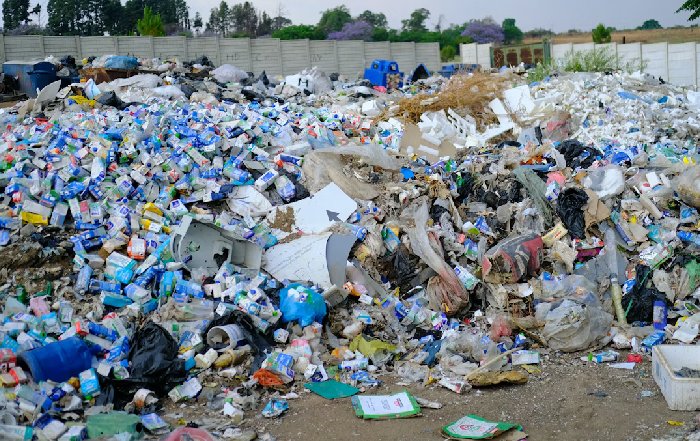
Few environmental issues illustrate the intersection of psychology, design, and global systems as clearly as plastic use and waste. Despite widespread awareness of ocean pollution and microplastics, global plastic production continues to rise, driven by convenience, low cost, and deeply ingrained consumption habits. Studies referenced by UNEP and OECD reveal that many consumers feel conflicted: they dislike excessive packaging and support regulations on single-use plastics, yet they continue to choose plastic-wrapped products because alternatives are less available, more expensive, or perceived as less convenient.

The psychology of plastic reduction involves reconfiguring how people perceive value, cleanliness, and convenience. For example, reusable containers and refill systems challenge long-standing associations between "new" and "hygienic," while deposit-return schemes reframe packaging as a valuable resource rather than waste. Behavioral interventions, such as making reusable options the default or clearly labeling the environmental impact of packaging choices, can help shift norms over time. Businesses experimenting with circular packaging models, as documented by Ellen MacArthur Foundation and World Economic Forum, demonstrate that when systems are thoughtfully designed, consumers readily adapt to new behaviors.

For YouSaveOurWorld.com, the topic of plastic recycling and waste provides a concrete entry point for readers who might feel overwhelmed by the scale of climate change but are ready to make tangible changes in their daily lives. By combining psychological insights with practical guidance on reducing, reusing, and recycling, the platform can help individuals and businesses understand how small, repeated actions in material use can aggregate into significant environmental and economic benefits.

Personal Well-Being, Resilience, and Sustainable Lifestyles

As environmental challenges intensify, the relationship between planetary health and personal well-being becomes increasingly apparent. Air quality, heatwaves, food security, and water availability all have direct impacts on physical and mental health, while chronic exposure to environmental degradation can erode people's sense of stability and purpose. Institutions like World Health Organization and Lancet Countdown have documented the health co-benefits of climate action, showing that policies which reduce emissions often also improve air quality, physical activity, and diet, thereby enhancing quality of life.

From a psychological perspective, sustainable lifestyles are more likely to be adopted and maintained when they are experienced as enhancing, rather than diminishing, personal well-being. Actions such as active transportation, spending time in nature, consuming a more plant-based diet, and engaging in community projects can support mental health, social connection, and a sense of agency. Research from University College London and University of British Columbia suggests that pro-environmental behavior is often correlated with higher life satisfaction, partly because it aligns with intrinsic values such as care, fairness, and community.

For readers of YouSaveOurWorld.com, the integration of personal well-being with sustainable living is particularly important. By framing environmental action as a pathway to richer, more meaningful lives rather than as a series of sacrifices, the platform can help shift mindsets from scarcity to sufficiency, from anxiety to empowered engagement. This perspective also aligns with broader trends in regenerative design and purpose-driven business, in which success is measured not only in financial returns but in the flourishing of people and ecosystems together.

Conclusion: Designing a Psychology-Informed Path to Collective Action

The psychology of environmental action reveals that meaningful change is neither purely a matter of individual virtue nor solely a question of policy and technology; it arises from the dynamic interplay between human minds, social systems, and material infrastructures. By 2026, the scientific and practical knowledge needed to address climate change, resource depletion, and pollution is well established, yet the pace and scale of implementation depend on whether people feel motivated, capable, and supported in changing long-standing patterns of behavior and investment.

For YouSaveOurWorld.com, this understanding shapes both its editorial mission and its role as a bridge between individuals, businesses, and global institutions. By weaving together insights from psychology, economics, design, and technology, the platform can help readers move beyond awareness toward informed, confident action across domains such as sustainable business, innovation, technology, and sustainable living. The task now is to design environments-homes, workplaces, cities, and digital ecosystems-in which the sustainable choice is the easiest, most rewarding, and most socially supported choice.

Building such environments requires collaboration among governments, companies, communities, and citizens, informed by the best available evidence from organizations like IPCC, UNEP, World Bank, and leading academic institutions. It also requires narratives that connect planetary boundaries with human aspirations, demonstrating that a low-carbon, circular, and equitable economy can support not only ecological stability but also prosperity, innovation, and personal fulfillment. As more people come to see themselves as active participants in this transition, guided by a deeper understanding of their own motivations and constraints, the psychology of environmental action will shift from a barrier to a powerful catalyst for change-one that platforms like YouSaveOurWorld.com are uniquely positioned to illuminate and accelerate.

The Global South as a Sustainability Leader

Last updated by Editorial team at yousaveourworld.com on Wednesday 18 February 2026
Article Image for The Global South as a Sustainability Leader

The Global South as a Sustainability Leader in 2026

A New Center of Gravity for Sustainability

By 2026, the conversation about sustainability has shifted decisively away from a narrow, Northern-centric narrative toward a more plural, global perspective in which the Global South is increasingly recognized as a primary engine of innovation, resilience, and systemic change. What was once framed as a story of "capacity gaps" and "aid dependency" is now, in many sectors, a story of leadership, experimentation, and the development of context-specific solutions that are influencing policy and practice worldwide. For platforms such as YouSaveOurWorld.com, which are dedicated to connecting sustainable living, responsible business, and planetary well-being, this shift is not merely an abstract geopolitical rebalancing; it is a fundamental redefinition of where expertise resides and how the world learns to live within planetary boundaries.

The Global South-encompassing much of Asia, Africa, Latin America, the Middle East, and small island developing states-faces disproportionate exposure to climate risks, resource constraints, and social inequities, yet it has also become a laboratory for low-carbon development, circular economy models, and community-driven climate adaptation. Institutions such as UNEP, UNDP, and the World Bank now increasingly highlight Southern-led initiatives as benchmarks for effective climate action and inclusive growth. As readers explore themes such as sustainable living, climate change, and sustainable business on YouSaveOurWorld.com, understanding the Global South's leadership is essential to understanding where sustainability practice is actually advancing most rapidly.

Historical Context: From Extraction to Agency

The contemporary leadership of the Global South in sustainability cannot be understood without acknowledging the historical legacies of colonialism, resource extraction, and unequal trade structures that have shaped patterns of development and environmental degradation. For decades, many Southern economies were locked into roles as exporters of raw materials and importers of high-value manufactured goods, a dynamic that often encouraged deforestation, overfishing, and fossil fuel dependence while limiting domestic industrial diversification. Reports by UNCTAD and research published through platforms such as UNCTAD's Trade and Development Reports have long documented how these structural imbalances constrained policy space for environmental protection and social investment.

Yet over the last two decades, and especially since the adoption of the Paris Agreement in 2015, policymakers, civil society, and business leaders across the Global South have increasingly asserted agency in shaping development pathways that prioritize resilience, equity, and ecological integrity. Negotiators from countries such as Brazil, India, South Africa, and Costa Rica have played pivotal roles in global climate diplomacy, pushing for recognition of climate justice, loss and damage, and differentiated responsibilities. To understand how these political shifts intersect with environmental awareness and business strategy, readers can explore the broader framing on environmental awareness and business provided by YouSaveOurWorld.com, where the emphasis is increasingly on co-created solutions rather than one-way transfer of knowledge from North to South.

Climate Leadership and Ambitious National Pathways

One of the clearest expressions of Global South leadership is in national climate strategies that are often more ambitious, relative to historical responsibility and current income levels, than those of several industrialized countries. Analyses by organizations such as Climate Action Tracker and Climate Analytics, accessible through resources like Climate Action Tracker's country assessments, highlight that many low- and middle-income countries have committed to renewable energy expansion, forest protection, and climate adaptation at scales that far exceed the financial and technological support they have received.

Countries including Morocco, Chile, Kenya, and Vietnam have emerged as leaders in renewable energy deployment, particularly in solar and wind, while Bhutan and Suriname continue to maintain net carbon-negative status through extensive forest conservation. At the same time, small island states such as Fiji and Barbados have become moral and policy leaders in global climate negotiations, advocating for a phase-out of fossil fuels and innovative financing mechanisms for climate-vulnerable nations. For those seeking a deeper understanding of how these efforts tie into global climate governance, resources such as the IPCC reports, available via IPCC's official site, provide robust scientific context that underscores the urgency and significance of these Southern-led initiatives.

On YouSaveOurWorld.com, the climate dimension of this leadership is woven through its dedicated section on climate change, where the platform emphasizes that global progress depends on aligning national policies, corporate strategies, and individual lifestyles with science-based targets, many of which are being championed by Southern governments and communities.

Renewable Energy and Technological Leapfrogging

A defining feature of sustainability leadership in the Global South is the phenomenon of technological leapfrogging, in which countries bypass older, more polluting infrastructure and move directly to cleaner, more efficient systems. Nowhere is this more visible than in the rapid expansion of renewable energy and decentralized energy access solutions. According to data from the International Renewable Energy Agency (IRENA), accessible at IRENA's statistics portal, a significant share of global growth in solar photovoltaic and wind capacity over the last decade has occurred in emerging and developing economies, driven by falling technology costs, supportive policy frameworks, and growing energy demand.

In countries like India, large-scale solar parks and rooftop installations are transforming the electricity mix, while in Kenya and Bangladesh, off-grid solar home systems and mini-grids are providing first-time electricity access to millions, often coupled with digital payment platforms and innovative financing models. These developments illustrate how technology, when adapted to local realities, can support both sustainable living and inclusive economic growth. Readers interested in the intersection of innovation, technology, and sustainability can explore related perspectives on innovation and technology on YouSaveOurWorld.com, where the emphasis is on how digitalization, clean tech, and design thinking are reshaping development trajectories.

At a policy level, institutions such as the International Energy Agency (IEA) have documented these shifts in their World Energy Outlook and regional analyses, which are accessible through IEA's official website. These reports frequently highlight that, in many cases, renewable energy is now the least-cost option for new power generation in the Global South, underscoring that sustainability and economic rationality are increasingly aligned.

Circular Economy, Waste, and Plastic Recycling

Beyond energy, the Global South is also emerging as a leader in circular economy practices, particularly in waste management and plastic recycling, where necessity, informality, and innovation intersect to create unique models of resource recovery and social inclusion. In cities across India, Nigeria, Brazil, and Indonesia, networks of informal waste pickers, cooperatives, and social enterprises play a central role in collecting, sorting, and recycling materials that might otherwise end up in landfills, waterways, or open dumps. Organizations such as WIEGO and GAIA have documented how integrating these workers into formal waste management systems can improve recycling rates, reduce pollution, and enhance livelihoods, a perspective that can be further explored through resources like GAIA's zero waste initiatives.

For the audience of YouSaveOurWorld.com, which is deeply engaged with plastic recycling and waste, the experience of the Global South offers critical lessons. While high-income countries often focus on high-tech recycling infrastructure, many Southern cities are demonstrating that community-based collection systems, extended producer responsibility schemes adapted to local markets, and social innovation can deliver significant environmental benefits even in resource-constrained contexts. Reports from UN-Habitat, accessible via UN-Habitat's urban sustainability resources, show how integrated solid waste management strategies in cities like Bogotá, Accra, and Jakarta are beginning to align urban planning, social policy, and environmental objectives in ways that could be instructive globally.

The emerging global treaty on plastic pollution, negotiated under the auspices of the United Nations Environment Assembly (UNEA), has also seen strong leadership from Global South countries that are demanding a life-cycle approach to plastic, including controls on production, design standards, and robust support for waste management systems. For businesses and policymakers, learning from these models is not only a matter of corporate social responsibility but also a strategic imperative as regulatory frameworks tighten and consumer expectations evolve.

Sustainable Business and Green Industrial Strategy

In the realm of sustainable business, the Global South is increasingly recognized as a source of both innovative enterprises and forward-looking policy frameworks that aim to align industrial development with sustainability goals. Countries such as Rwanda, Costa Rica, and Vietnam have adopted green growth strategies that prioritize renewable energy, sustainable agriculture, and eco-tourism, while major emerging economies like China, India, and Brazil are investing heavily in electric vehicles, green hydrogen, and low-carbon manufacturing. The World Economic Forum, through its Global Future Councils and reports, regularly highlights case studies of Southern companies and public-private partnerships that are redefining what sustainable business can look like in rapidly growing markets.

For the business-focused readership of YouSaveOurWorld.com, the Global South's experience underscores that sustainability is not a peripheral concern but a central driver of competitiveness, resilience, and market differentiation. The platform's section on sustainable business explores how enterprises are embedding environmental and social criteria into their core strategy, supply chains, and product design, often inspired by or directly collaborating with Southern partners. Initiatives such as B Lab's certification of B Corporations in Latin America and Africa, as well as the growth of impact investing networks like AVPN and GIIN, detailed on sites such as GIIN's knowledge center, demonstrate that capital is increasingly flowing toward ventures that combine financial returns with measurable positive impact.

At the macroeconomic level, institutions like the OECD and IMF have begun to integrate environmental indicators into their analyses of growth and development, with resources such as the OECD's Green Growth indicators providing comparative data that shows how Southern economies can pursue decarbonization without sacrificing prosperity. These trends resonate with the broader discussion on economy at YouSaveOurWorld.com, where the focus is on redefining prosperity to include ecological health, social cohesion, and long-term resilience.

Community-Based Adaptation and Indigenous Knowledge

Another area where the Global South is demonstrating profound leadership is in community-based climate adaptation and the integration of indigenous and local knowledge into environmental governance. Across the Amazon Basin, the Sahel, the Pacific Islands, and Southeast Asia, indigenous peoples and local communities have long managed forests, rangelands, and coastal ecosystems in ways that maintain biodiversity, store carbon, and support livelihoods. Organizations such as CIFOR-ICRAF and The Nature Conservancy have documented how these practices, when recognized and supported, can be more effective and cost-efficient than top-down conservation approaches, as can be explored further through resources like CIFOR-ICRAF's research library.

In countries such as Mexico, Colombia, and Philippines, community forest management and locally managed marine areas are increasingly recognized in national policy, leading to measurable improvements in ecosystem health and social outcomes. The FAO, through its work on agroecology and climate-resilient agriculture, accessible via FAO's agroecology knowledge hub, highlights numerous examples of smallholder farmers in Africa and Asia who are combining traditional practices with modern science to enhance soil fertility, water retention, and crop diversity, thereby strengthening food security in the face of climate variability.

For a platform like YouSaveOurWorld.com, which seeks to connect global lifestyle choices with local realities, these stories underscore that sustainable living is not merely about individual consumption patterns but also about recognizing and supporting the stewardship roles of communities that have maintained ecological balance for generations. This perspective also reinforces the importance of education in sustainability, not only in formal settings but also through intergenerational knowledge transfer and participatory learning.

Design, Urbanization, and Sustainable Lifestyles

Rapid urbanization in the Global South has often been portrayed as a challenge, yet it also presents a unique opportunity to design cities that are more compact, transit-oriented, and resource-efficient than many of their counterparts in the Global North. Urban planners, architects, and designers in cities such as Curitiba, Bogotá, Johannesburg, and Ahmedabad have pioneered bus rapid transit systems, inclusive public spaces, and climate-resilient infrastructure that are now studied globally as models of sustainable urban design. The World Resources Institute (WRI), through initiatives like WRI Ross Center for Sustainable Cities, provides extensive documentation of these efforts on platforms such as WRI's sustainable cities resources.

In housing, water management, and public space, the Global South is experimenting with design solutions that respond to informal settlements, heat stress, and flooding, often through co-creation with residents and local organizations. These approaches align with the growing recognition that sustainability must be embedded in the everyday environments where people live, work, and move, rather than confined to isolated eco-projects. For readers engaged with design and innovation, the perspectives offered on design at YouSaveOurWorld.com highlight how architecture, product design, and systems thinking from the Global South are contributing to new paradigms of livable, low-carbon cities.

At the level of personal well-being, there is increasing awareness that sustainable lifestyles are not only about reducing environmental footprints but also about enhancing mental and physical health, social connection, and a sense of purpose. Urban greening initiatives, active mobility, and community-based food systems in Southern cities are demonstrating how environmental and health goals can be pursued together, echoing the themes explored in the platform's section on personal well-being.

Finance, Policy, and Global Governance

While the Global South is leading in many areas of practice, its capacity to scale these efforts is deeply influenced by the architecture of global finance and governance. Debates about climate finance, debt relief, and reform of multilateral development banks have intensified in recent years, with Southern leaders arguing that without affordable, long-term financing and a fair distribution of risks, it will be difficult to fully realize the potential of their sustainability initiatives. The World Bank, IMF, and regional development banks such as the African Development Bank and Asian Development Bank have begun to respond with new instruments for green and resilience financing, as outlined on sites like World Bank's climate change resources.

At the same time, private capital is increasingly flowing into green bonds, sustainability-linked loans, and blended finance structures that support renewable energy, sustainable infrastructure, and nature-based solutions in emerging markets. Organizations such as the Climate Policy Initiative (CPI), through platforms like CPI's Global Landscape of Climate Finance, provide detailed analysis of these trends, highlighting both the progress made and the significant gaps that remain.

For a globally oriented platform like YouSaveOurWorld.com, whose global section emphasizes interconnectedness, these financial and governance dynamics are crucial. They shape not only national policy choices but also the operating environment for businesses, communities, and individuals seeking to implement sustainable solutions. Recognizing the leadership of the Global South therefore also entails supporting calls for systemic reform that would enable these actors to scale their contributions to global sustainability.

What This Leadership Means for Business and Citizens Worldwide

The growing leadership of the Global South in sustainability has profound implications for companies, investors, policymakers, and citizens everywhere. For businesses, it means that some of the most innovative models of low-carbon production, circular value chains, and inclusive growth are emerging from markets that were once seen primarily as destinations for resource extraction or low-cost labor. Companies that wish to remain competitive and credible in 2026 and beyond must engage with these markets as sources of innovation and partnership, not merely as end points for export or outsourcing. Resources such as sustainable business practices on YouSaveOurWorld.com offer guidance on how to build such partnerships in ways that respect local knowledge, share value fairly, and align with global climate and biodiversity goals.

For individuals, especially those who turn to YouSaveOurWorld.com for insights into sustainable living, the Global South's experience challenges simplistic narratives about who leads and who follows in sustainability. It invites a more humble and reciprocal approach to learning, in which consumers and citizens in the Global North recognize that many of the practices they are now adopting-such as plant-rich diets, low-waste lifestyles, and community-based resource sharing-have deep roots in the everyday life of communities across Africa, Asia, and Latin America. It also underscores that personal choices, while important, must be complemented by advocacy for systemic changes in finance, trade, and governance that enable Southern leadership to flourish.

The Role of YouSaveOurWorld.com in Amplifying Southern Leadership

As sustainability discourse becomes more multipolar, platforms like YouSaveOurWorld.com have a critical role to play in curating, interpreting, and amplifying the lessons emerging from the Global South. By connecting themes such as climate change, waste, innovation, and economy through a global lens, the site can help its audience understand that sustainability is not a uniform template to be exported but a diverse set of pathways shaped by local contexts, histories, and aspirations.

In practice, this means highlighting Southern case studies alongside Northern ones, inviting contributions from experts and practitioners based in the Global South, and framing sustainability not merely as a technical challenge but as a question of justice, culture, and shared futures. It also means encouraging businesses and individuals who visit the site to see themselves as participants in a global conversation, where learning flows in multiple directions and where leadership is recognized wherever it emerges.

As of 2026, the evidence is clear that the Global South is not waiting to be "brought into" the sustainability agenda; it is actively reshaping that agenda through its policies, innovations, and community practices. The task for global platforms, institutions, and citizens is to recognize this leadership, support it with the necessary resources and political will, and ensure that the transition to a sustainable world is genuinely inclusive and just. In doing so, they will not only honor the contributions of the Global South but also increase the chances that humanity, as a whole, can navigate the intertwined environmental, social, and economic challenges of the coming decades.

AI and the Future of Environmental Conservation

Last updated by Editorial team at yousaveourworld.com on Wednesday 18 February 2026
Article Image for AI and the Future of Environmental Conservation

AI and the Future of Environmental Conservation

A New Intelligence for a Planet in Crisis

As the world advances deeper into 2026, environmental conservation has moved from a niche concern to a central pillar of economic strategy, geopolitical stability, and corporate risk management, and within this rapidly shifting context, artificial intelligence has emerged not as a distant promise but as a practical, operational force reshaping how societies understand, protect, and restore the natural world. On YouSaveOurWorld.com, the convergence of sustainability and intelligent technology is not treated as a speculative trend but as a defining framework for how businesses, communities, and individuals can respond to escalating climate risks, resource constraints, and biodiversity loss, while still pursuing growth, innovation, and personal well-being.

AI is now deeply embedded in climate modeling, energy systems, supply chain optimization, circular economy strategies, and environmental monitoring, and its impact is increasingly visible in the way organizations design sustainable products, manage waste, and report on environmental, social, and governance performance. For leaders exploring sustainable living practices or building resilient business models, understanding AI's role in environmental conservation has become a strategic imperative rather than a technological curiosity, because the decisions made today about data, governance, and technology adoption will strongly influence whether AI accelerates ecological regeneration or amplifies existing environmental harms.

AI as a Force Multiplier for Climate Action

The most visible and mature applications of AI in environmental conservation are emerging in climate science, where advanced machine learning models are transforming how scientists and policymakers forecast risks, design interventions, and evaluate progress. Institutions such as NASA and NOAA are deploying AI to process vast volumes of satellite and sensor data, improving the resolution and speed of climate projections and enabling more accurate early-warning systems for extreme weather events, sea-level rise, and changing precipitation patterns. Organizations and decision-makers seeking to understand these advances can review the work of the Intergovernmental Panel on Climate Change (IPCC), where AI-enhanced models increasingly inform global climate assessments and pathways for mitigation and adaptation, and they can also explore the evolving science of climate risk analysis through resources such as the World Meteorological Organization and NASA's climate portal.

For businesses and cities, AI-driven climate analytics are no longer purely academic; they underpin operational resilience and long-term planning. Financial institutions and corporations are using AI to model physical climate risks to assets, facilities, and supply chains, integrating climate projections into investment decisions and insurance pricing. Platforms that apply AI to geospatial and climate data, often drawing on open datasets curated by organizations like Copernicus, enable companies to assess flood, heat, and wildfire risks at the asset level, which in turn influences site selection, infrastructure design, and capital allocation. Leaders who want to understand the broader climate context can deepen their knowledge through resources focused on climate change and its global impacts and learn how AI-driven risk modeling is shaping adaptation strategies and regulatory disclosure requirements.

At the same time, AI is helping identify the most effective mitigation levers by optimizing energy systems, transportation networks, and industrial processes. Research from institutions such as MIT and the International Energy Agency (IEA) shows that AI-enabled demand forecasting, grid management, and predictive maintenance can significantly reduce emissions from power generation, particularly as renewable energy penetration increases. Businesses looking to align with these trends can learn more about sustainable business practices and understand how AI-driven efficiency gains can be embedded into corporate strategies that balance environmental responsibility with competitive performance.

AI and the Reinvention of Sustainable Business

In the business domain, AI is rapidly redefining what it means to operate sustainably, as companies move beyond incremental efficiency improvements toward data-driven transformation of products, services, and value chains. On YouSaveOurWorld.com, the intersection of AI and business strategy is explored through the lens of long-term value creation, where environmental performance is not a compliance exercise but a source of innovation, differentiation, and resilience.

Large enterprises and emerging ventures alike are leveraging AI for lifecycle assessment, circular design, and responsible sourcing, using advanced analytics to map material flows, energy use, and emissions across complex global supply networks. For example, many manufacturers now rely on AI-powered platforms to trace raw materials from extraction through production and distribution, verifying compliance with environmental and social standards and reducing exposure to regulatory and reputational risks. Organizations such as the World Business Council for Sustainable Development and the Ellen MacArthur Foundation provide frameworks for circular economy strategies, and AI is increasingly the analytical engine that makes these frameworks operational by identifying hotspots, simulating alternative designs, and forecasting long-term impacts.

AI is also reshaping sustainability reporting and regulatory compliance, as new disclosure requirements such as those aligned with the Task Force on Climate-related Financial Disclosures (TCFD) and emerging international standards demand more granular, timely, and verifiable data. Companies are deploying AI tools to automate data collection from energy meters, logistics platforms, and production systems, while natural language processing is being used to analyze regulatory texts, stakeholder feedback, and peer disclosures to benchmark performance and identify gaps. This evolution is particularly relevant for leaders seeking to integrate environmental metrics into core business decision-making, and it aligns with the broader emphasis on environmental awareness and governance explored throughout YouSaveOurWorld's environmental awareness insights.

As AI becomes more embedded in sustainable business operations, questions of governance, ethics, and accountability grow more important. Organizations such as the World Economic Forum and OECD are publishing guidelines on trustworthy AI, data governance, and responsible innovation, emphasizing the need for transparency, fairness, and human oversight in systems that influence environmental outcomes. For businesses, this means that AI-driven sustainability initiatives must be designed with clear governance structures, robust data quality controls, and explicit accountability for decisions that affect communities, ecosystems, and long-term planetary health.

Transforming Waste, Plastics, and the Circular Economy

One of the most tangible arenas where AI is reshaping environmental conservation is in waste management and plastic recycling, where intelligent systems are improving sorting, recovery, and material quality at scale. The global challenge of plastic pollution, documented by organizations such as the United Nations Environment Programme (UNEP), has become a central concern for policymakers, companies, and citizens, and AI is emerging as a crucial enabler of more effective, economically viable recycling systems that support a circular economy.

Modern material recovery facilities increasingly deploy AI-powered computer vision and robotics to identify and sort different types of plastics, metals, and paper with higher accuracy and speed than manual processes, which not only improves the efficiency of recycling operations but also enhances the purity of recovered materials, making them more valuable for manufacturers seeking high-quality recycled feedstock. Companies such as AMP Robotics and research groups collaborating with institutions like Fraunhofer are demonstrating how AI can distinguish subtle differences in polymers, labels, and contamination levels, enabling more precise separation and reducing the volume of waste sent to landfills or incineration.

For readers interested in how these technologies connect to everyday choices, the resources on plastic recycling and circular solutions and waste reduction strategies provide practical context, illustrating how AI-enhanced infrastructure interacts with consumer behavior, product design, and regulatory frameworks. Extended producer responsibility schemes, deposit-return systems, and eco-design regulations are increasingly being supported by AI-driven tracking and analytics tools that monitor product flows, recovery rates, and leakage into the environment, enabling policymakers and companies to refine interventions based on real-world data.

Beyond plastics, AI is enabling more sophisticated waste-to-resource strategies across construction, electronics, textiles, and organic waste streams. Platforms that combine AI with blockchain and IoT sensors are being used to trace materials across their lifecycle and to match waste outputs from one industry with input needs in another, facilitating industrial symbiosis and new business models. Organizations such as the Ellen MacArthur Foundation and Circle Economy offer case studies and methodologies for circular innovation, and these are increasingly supported by AI capabilities that can analyze complex datasets, identify hidden synergies, and simulate the systemic impacts of design and policy choices over time.

Intelligent Monitoring of Ecosystems and Biodiversity

Environmental conservation has historically been constrained by limited visibility into the condition of ecosystems, species, and natural resources, but AI is rapidly changing this by transforming raw environmental data into actionable intelligence at unprecedented scale and resolution. Conservation organizations, research institutions, and governments are using AI to process imagery, acoustic recordings, and sensor data to monitor forests, oceans, wetlands, and wildlife populations, enabling more timely interventions and more precise measurement of conservation outcomes.

Initiatives supported by organizations such as The Nature Conservancy, Conservation International, and the World Wildlife Fund (WWF) are employing AI-powered tools to detect illegal deforestation, poaching, and habitat degradation in near real time, using satellite imagery, drones, and networked camera traps. For example, convolutional neural networks can be trained to recognize specific species or human activity patterns in vast libraries of images, while acoustic AI systems can identify the sounds of chainsaws, gunshots, or endangered species calls in remote forests or marine environments. The Global Biodiversity Information Facility (GBIF) and other open data platforms provide critical datasets that feed these models, enabling collaborative, science-based conservation at global scale.

For decision-makers and citizens who want to understand the broader implications of these developments, resources such as UNEP's biodiversity reports and the Convention on Biological Diversity provide context on international targets and frameworks, while the global perspective on environmental challenges offered by YouSaveOurWorld.com connects these high-level goals to practical action in business, policy, and community engagement. As AI-powered monitoring becomes more pervasive, it is also shaping emerging markets for ecosystem services and nature-based solutions, where verified data on carbon sequestration, habitat quality, and water regulation are critical for investment and policy decisions.

At the same time, AI raises important questions about data sovereignty, community rights, and the ethics of surveillance in conservation contexts. Indigenous communities and local stakeholders are increasingly asserting control over how environmental data about their territories is collected, stored, and used, and organizations such as UNESCO and the UN Permanent Forum on Indigenous Issues are emphasizing the need for inclusive, rights-based approaches to digital conservation. Businesses and NGOs deploying AI tools in sensitive landscapes must therefore integrate ethical frameworks, community participation, and transparent governance into their projects to ensure that technological innovation aligns with social justice and cultural respect.

Innovation, Technology, and Sustainable Lifestyles

On YouSaveOurWorld.com, the relationship between AI, innovation, and lifestyle is explored as a dynamic system where personal choices, technological tools, and structural conditions interact to shape environmental outcomes. AI-driven applications now influence how individuals consume energy, move through cities, purchase products, and manage their health and well-being, and these micro-level decisions aggregate into significant environmental impacts over time.

Smart home systems equipped with AI are optimizing heating, cooling, lighting, and appliance usage based on occupancy patterns, weather forecasts, and real-time energy prices, contributing to energy efficiency and emissions reduction, particularly when combined with renewable energy and energy storage. Urban mobility platforms are using AI to improve public transport scheduling, shared mobility services, and traffic management, reducing congestion and emissions in cities that adopt integrated, data-driven approaches to planning. Organizations such as C40 Cities and ICLEI showcase how AI-enabled urban innovation can contribute to climate goals and livable cities, and these examples resonate strongly with the themes explored in sustainable lifestyle guidance on this site.

In the consumer domain, AI is powering personalized recommendations, sustainability scoring, and transparency tools that help individuals understand the environmental and social impacts of their purchases. Apps that scan product barcodes or analyze receipts can provide information on carbon footprints, packaging recyclability, and ethical sourcing, drawing on databases maintained by organizations such as B Corp, Fairtrade International, and various eco-labeling bodies. At the same time, AI is being integrated into digital health and wellness platforms that encourage active transport, healthy diets, and mindful consumption, reinforcing the connection between personal well-being and planetary health.

For innovators and technologists, AI is not only a tool for optimization but also a catalyst for entirely new product categories and services that align profitability with environmental outcomes. Start-ups and research labs are using AI to design low-carbon materials, optimize building performance, and develop nature-inspired solutions in fields such as regenerative agriculture, biomimetic design, and precision forestry. The innovation-focused content on YouSaveOurWorld's innovation hub and technology insights explores how these developments are reshaping markets and value chains, highlighting the importance of cross-disciplinary collaboration between data scientists, engineers, designers, and sustainability experts.

Economic Transformation and the Role of AI

The integration of AI into environmental conservation is not occurring in isolation; it is intertwined with a broader transformation of the global economy, where sustainability, resilience, and inclusivity are becoming central performance metrics. International organizations such as the World Bank, the International Monetary Fund (IMF), and the Organisation for Economic Co-operation and Development (OECD) are increasingly incorporating climate and environmental risks into macroeconomic analysis and policy advice, recognizing that unmanaged environmental degradation can destabilize financial systems, exacerbate inequality, and undermine long-term growth.

AI plays a dual role in this transformation. On one hand, AI-driven productivity gains, automation, and new business models can unlock efficiency improvements and growth opportunities that reduce environmental pressures by decoupling economic value from resource use and emissions. On the other hand, AI itself consumes energy and resources, particularly in data centers and hardware production, and it can exacerbate inequalities if access to AI capabilities is concentrated among a small number of powerful actors. Institutions such as the International Energy Agency and leading universities are studying the energy footprint of AI and promoting strategies for efficient, low-carbon computing, including the use of renewable energy for data centers, optimized algorithms, and hardware innovation.

For business leaders and policymakers, the challenge is to harness AI as a lever for a sustainable, inclusive economy while managing its risks and externalities. This requires investments in digital infrastructure, skills development, and regulatory frameworks that align AI deployment with environmental objectives and social priorities, as well as new forms of collaboration between public, private, and civil society actors. Organizations such as the United Nations, the World Economic Forum, and the International Labour Organization (ILO) are calling for coordinated strategies that integrate AI, green investment, and just transition principles, ensuring that workers and communities are supported as industries decarbonize and digitize.

Design, Education, and the Human Factor

Ultimately, the effectiveness of AI in advancing environmental conservation depends not only on algorithms and infrastructure but also on human choices, values, and capabilities. Design and education are therefore critical enablers of responsible AI adoption, shaping how technologies are conceived, implemented, and governed in ways that support ecological integrity and social well-being.

Designers and engineers are increasingly adopting sustainability-by-design principles, using AI tools to simulate environmental impacts, optimize resource use, and create products and services that are durable, repairable, and recyclable. Leading design schools and organizations such as The Royal Society of Arts (RSA) and IDEO are exploring how AI can augment human creativity in service of regenerative design, while also emphasizing the importance of ethics, inclusivity, and systems thinking. For readers interested in how design thinking intersects with sustainability and technology, the perspectives shared through YouSaveOurWorld's design-focused content provide a useful lens for evaluating new products and services in terms of their long-term environmental and social implications.

Education, both formal and informal, is equally vital. Universities, vocational institutions, and professional bodies are developing curricula that combine data science, environmental science, and policy, preparing a new generation of professionals capable of bridging the gap between AI development and environmental stewardship. Online platforms and open educational resources from organizations such as Coursera, edX, and leading universities democratize access to knowledge on AI and sustainability, enabling professionals in diverse fields to upskill and engage with these topics. On YouSaveOurWorld.com, the emphasis on education and awareness reflects a belief that informed, empowered individuals and organizations are better equipped to evaluate AI solutions critically, ask the right questions, and demand transparency and accountability from technology providers and policymakers.

Building Trustworthy AI for a Sustainable Future

Trust is the foundation upon which the future of AI-enabled environmental conservation will be built, and trust must be earned through demonstrable competence, transparent governance, and genuine alignment with public and planetary interests. As AI systems become more influential in decisions about land use, resource allocation, infrastructure investment, and risk management, stakeholders will demand evidence that these systems are accurate, fair, secure, and aligned with clearly articulated environmental and social objectives.

Organizations such as the European Commission, ISO, and IEEE are developing standards and regulatory frameworks for trustworthy AI, including requirements for transparency, robustness, human oversight, and environmental impact assessment. For companies deploying AI in sustainability initiatives, compliance with these standards is not only a regulatory obligation but also a strategic opportunity to differentiate themselves as responsible innovators. Transparent reporting on AI methodologies, data sources, and performance metrics, as well as meaningful stakeholder engagement, can help build confidence among customers, regulators, investors, and communities.

On YouSaveOurWorld.com, the commitment to Experience, Expertise, Authoritativeness, and Trustworthiness is reflected in the way complex topics such as AI and environmental conservation are presented: grounded in current science and policy, attentive to ethical and social considerations, and oriented toward practical action that individuals and organizations can take. By connecting AI's technical capabilities with real-world environmental challenges, from climate change and biodiversity loss to waste and resource scarcity, the platform aims to support readers in making informed, strategic choices about technology adoption, business transformation, and lifestyle change.

As 2026 unfolds and AI continues to evolve, the central question is not whether artificial intelligence will shape the future of environmental conservation, but how that influence will be directed, governed, and shared. The answer will depend on collective decisions made by policymakers, business leaders, technologists, educators, and citizens, and it will require ongoing collaboration, critical reflection, and adaptive learning. For those seeking to participate in this transformation, the resources, analyses, and perspectives available across YouSaveOurWorld.com, from sustainable living to technology and innovation and global environmental challenges, offer a starting point for informed engagement with one of the most consequential intersections of our time: the meeting of intelligent machines and a fragile, irreplaceable planet.

Investing in the Regenerative Economy

Last updated by Editorial team at yousaveourworld.com on Wednesday 18 February 2026
Article Image for Investing in the Regenerative Economy

Investing in the Regenerative Economy

A New Investment Paradigm for 2026

By early 2026, the global conversation about sustainability has moved decisively beyond incremental improvements and "doing less harm" toward a more ambitious and systemic goal: building a regenerative economy that restores ecosystems, strengthens communities, and creates resilient long-term value. On YouSaveOurWorld.com, this shift is not treated as a distant ideal but as a practical framework for decision-making that connects capital allocation, corporate strategy, public policy, and everyday lifestyle choices into a coherent path forward. The regenerative economy is emerging as a response to converging crises in climate, biodiversity, social inequality, and public health, and it is increasingly recognized by leading institutions, from The World Bank to OECD, as a prerequisite for stable growth rather than a niche branch of impact investing. For investors, executives, policymakers, and citizens, understanding how to invest in this new model is rapidly becoming a core competency rather than a specialist pursuit.

From Sustainable to Regenerative: Why the Shift Matters

For more than two decades, sustainability frameworks have focused mainly on reducing negative impacts, improving efficiency, and complying with environmental, social, and governance (ESG) standards. While this approach has delivered important gains, ranging from improved energy efficiency to more transparent reporting, it has not been sufficient to prevent accelerating climate change, ecosystem degradation, or widening social disparities. Scientific assessments by organizations such as the Intergovernmental Panel on Climate Change (IPCC) and UN Environment Programme show that key planetary boundaries are being exceeded, underscoring that "less bad" is no longer enough. In this context, regenerative approaches aim not just to minimize harm but to actively restore natural systems, enhance social cohesion, and build economic structures that are resilient to shocks.

This is where the mission and content of YouSaveOurWorld.com become directly relevant, because its focus on sustainable living, climate change, and environmental awareness aligns closely with the regenerative agenda, which asks how households, businesses, and investors can become net contributors to ecological and social well-being. Regeneration reframes investment as a long-term partnership with living systems, where financial returns are inseparable from the health of soils, watersheds, communities, and institutions, and where value creation is measured not only in quarterly earnings but in restored ecosystems, reduced inequality, and improved quality of life.

Defining the Regenerative Economy in 2026

By 2026, the regenerative economy can be described as an interconnected system of enterprises, financial instruments, and public policies designed to restore and enhance natural, social, and economic capital. It draws on concepts from circular economy thinking, as articulated by organizations like the Ellen MacArthur Foundation, and on regenerative agriculture, community wealth building, and mission-driven finance. Unlike traditional growth models that rely on linear extraction, production, consumption, and disposal, regenerative models prioritize circular flows of materials and nutrients, distributed ownership, and long-term stewardship of shared resources.

In practice, this means investing in sectors and business models that repair degraded lands, reduce waste streams, regenerate biodiversity, and empower communities. For example, regenerative agriculture initiatives supported by groups such as Regeneration International and The Rodale Institute focus on rebuilding soil health, increasing carbon sequestration, and improving farmers' livelihoods. Similarly, regenerative urban development emphasizes green infrastructure, equitable access to housing and mobility, and resilient local economies. On YouSaveOurWorld.com, these principles are reflected in content that spans waste reduction, innovation, and technology, showing how a regenerative lens can be applied from the household to the global scale.

The Business Case: Why Regeneration Is a Strategic Imperative

For business leaders and investors, the regenerative economy is not only a moral or ecological imperative; it is increasingly a strategic and financial necessity. Climate-related physical risks, such as extreme weather and water scarcity, along with transition risks arising from policy shifts and technological disruption, are now central concerns in risk management frameworks used by institutions like the Task Force on Climate-related Financial Disclosures (TCFD) and its successor initiatives. At the same time, social risks linked to inequality, labor conditions, and community relations are shaping brand reputation, regulatory exposure, and access to talent. In this environment, companies that merely comply with minimum standards are likely to face rising costs, stranded assets, and eroding social license to operate.

Regenerative strategies, by contrast, aim to reduce exposure to systemic risks while opening new sources of value. Businesses that invest in circular product design, regenerative supply chains, and community partnerships can lower resource dependencies, enhance resilience, and differentiate themselves in markets where customers, employees, and regulators expect more than symbolic commitments. On YouSaveOurWorld.com, the section on sustainable business emphasizes that integrating regenerative principles into core strategy is no longer an optional add-on but a way to future-proof business models in a volatile global economy. Investors are increasingly recognizing this, as shown by the growth of sustainable finance frameworks tracked by PRI (Principles for Responsible Investment) and the expansion of green and sustainability-linked bonds highlighted by the International Capital Market Association (ICMA).

Key Sectors of the Regenerative Economy

The regenerative economy is not confined to a single sector; it spans agriculture, energy, manufacturing, finance, technology, and urban development, among others. Nevertheless, certain sectors are especially central because they sit at the intersection of environmental impact, social outcomes, and economic opportunity, and they are therefore particularly relevant for investors seeking both financial and regenerative returns.

Regenerative agriculture is one of these core sectors, as it directly addresses soil degradation, water stress, and greenhouse gas emissions while supporting rural livelihoods and food security. Initiatives promoted by FAO (Food and Agriculture Organization) and World Resources Institute show that regenerative practices such as cover cropping, agroforestry, and holistic grazing can increase yields over time, enhance resilience to drought, and sequester significant amounts of carbon. Another key area is the circular management of materials and waste, where investments in advanced recycling, product-as-a-service models, and design for disassembly can dramatically reduce resource extraction and pollution. Readers of YouSaveOurWorld.com who explore content on plastic recycling and waste can see how these concepts translate into real-world innovation and business opportunities.

Circularity, Waste, and the Role of Plastic Recycling

Plastic remains one of the most visible symbols of the linear economy's failures, with mismanaged waste polluting oceans, harming wildlife, and entering human food chains. Reports by UNESCO and The Ocean Cleanup have documented the scale of marine plastic pollution and its implications for ecosystems and human health. Yet plastic is also a material with valuable properties, and the challenge is not the material itself but the systems that produce, use, and dispose of it. Investing in a regenerative economy therefore requires rethinking plastics across the entire lifecycle, from design and production to reuse, recycling, and substitution with more sustainable materials where appropriate.

On YouSaveOurWorld.com, the dedicated page on plastic recycling explores how advanced sorting technologies, chemical recycling, and refill-and-reuse models can turn waste into a resource while reducing the demand for virgin fossil-based feedstocks. Organizations such as Ellen MacArthur Foundation and WRAP (Waste and Resources Action Programme) provide frameworks and case studies that demonstrate how businesses can redesign packaging, collaborate across value chains, and engage consumers in new behavior patterns. For investors, this area offers opportunities in recycling infrastructure, materials innovation, and digital platforms that track materials flows, all of which can contribute to a regenerative system where plastics circulate safely and productively rather than accumulating in landfills and oceans.

Technology, Data, and Innovation as Regenerative Enablers

Technology and data are often associated with efficiency and cost reduction, but in the regenerative economy they also serve as tools for ecosystem restoration, community engagement, and transparent governance. Advances in satellite monitoring, remote sensing, and artificial intelligence, as documented by NASA and European Space Agency (ESA), make it possible to track deforestation, soil moisture, and biodiversity in near real time, enabling investors and regulators to verify environmental claims and direct capital to genuinely regenerative projects. Similarly, digital platforms can facilitate community participation, traceability in supply chains, and new forms of cooperative ownership.

The innovation-focused content on YouSaveOurWorld.com, including pages on innovation and technology, emphasizes that technology is not an end in itself but a means to align economic activity with ecological limits and human needs. Regenerative investment strategies increasingly look for companies that use technology to enable circular business models, support smallholder farmers, optimize renewable energy systems, and provide inclusive digital finance. Organizations like World Economic Forum and International Energy Agency (IEA) have highlighted how digitalization, when combined with strong governance and ethical frameworks, can accelerate the transition to low-carbon, resource-efficient, and socially inclusive economies.

Financial Instruments and Capital Flows for Regeneration

A regenerative economy cannot emerge without corresponding innovation in finance, because traditional capital markets often prioritize short-term returns and externalize environmental and social costs. Over the past few years, however, there has been substantial growth in sustainable and impact investing, with institutions such as Global Impact Investing Network (GIIN) documenting the expansion of assets under management that seek measurable social and environmental outcomes alongside financial performance. Green bonds, sustainability-linked loans, blended finance structures, and place-based investment funds are all evolving to support regenerative projects in areas like renewable energy, sustainable agriculture, and resilient infrastructure.

Yet moving from sustainability to regeneration requires further evolution in how risk, return, and impact are assessed. Investors are beginning to look beyond conventional ESG scores and to incorporate metrics related to biodiversity, soil health, community wealth, and long-term resilience. Frameworks developed by organizations like TNFD (Taskforce on Nature-related Financial Disclosures) and CDP (formerly Carbon Disclosure Project) provide guidance on how to measure and disclose nature-related risks and opportunities, enabling capital to flow toward projects that actively restore ecosystems. On YouSaveOurWorld.com, the business-oriented sections, including business and economy, highlight how these financial innovations are reshaping the investment landscape, offering both institutional and individual investors new pathways to align portfolios with regenerative outcomes.

Global Policy, Regulation, and the Macroeconomic Context

The regenerative economy is also being shaped by global and national policy frameworks, which in 2026 are evolving rapidly in response to climate commitments, biodiversity targets, and social inclusion agendas. International agreements under the United Nations Framework Convention on Climate Change (UNFCCC) and the Kunming-Montreal Global Biodiversity Framework are pushing governments to integrate climate and nature considerations into fiscal policy, industrial strategy, and trade. Carbon pricing mechanisms, subsidy reform, and mandatory sustainability reporting are becoming more widespread, creating both risks and opportunities for businesses and investors.

For a globally oriented audience of YouSaveOurWorld.com, the global perspective is essential, because the regenerative economy is not confined to any one region or income group. Emerging markets and developing economies are central to this transition, both because they are highly vulnerable to climate and ecological disruptions and because they hold vast potential for regenerative investments in clean energy, sustainable agriculture, and resilient urbanization. Institutions such as International Monetary Fund (IMF) and World Bank are increasingly discussing how macroeconomic policy, debt restructuring, and development finance can support nature-positive and climate-resilient growth, signaling that regeneration is becoming part of mainstream economic discourse rather than a niche concern.

Corporate Strategy, Design, and Organizational Culture

At the enterprise level, investing in the regenerative economy requires more than isolated sustainability initiatives; it demands a rethinking of corporate purpose, governance, and design. Leading companies, as profiled by organizations such as Harvard Business Review and McKinsey & Company, are beginning to integrate regenerative principles into product development, supply chain management, and stakeholder engagement. This often involves adopting circular design methodologies, embedding science-based targets for climate and nature, and aligning executive incentives with long-term regenerative outcomes rather than short-term financial metrics alone.

Design plays a particularly important role, because decisions made at the design stage determine a large share of a product's lifecycle impact. On YouSaveOurWorld.com, the focus on design highlights how regenerative thinking can influence material choices, modularity, repairability, and end-of-life options. Organizational culture is equally important: companies that foster cross-functional collaboration, systems thinking, and continuous learning are better positioned to implement regenerative strategies. Education and capacity building, including executive training programs and partnerships with universities, are therefore critical, and resources from institutions like MIT Sloan and Cambridge Institute for Sustainability Leadership are increasingly used by firms seeking to build internal expertise.

Education, Lifestyle, and Personal Well-Being in a Regenerative Future

A regenerative economy is not driven solely by investors and corporations; it is also shaped by the everyday choices of individuals and communities, which in turn are influenced by education, culture, and access to information. In this respect, platforms like YouSaveOurWorld.com play a vital role by making complex topics accessible and actionable, linking high-level economic and policy debates with practical guidance on lifestyle, education, and personal well-being. When people understand how their consumption patterns, investment decisions, and civic engagement relate to broader systems of production and governance, they are more likely to support regenerative policies and business models.

Research from organizations such as World Health Organization (WHO) and Lancet Planetary Health has underscored the links between environmental conditions, social cohesion, and mental and physical health. Cleaner air, access to green spaces, secure livelihoods, and inclusive communities all contribute to well-being, and regenerative investments that improve these conditions can yield significant co-benefits beyond financial returns. Educational institutions and lifelong learning platforms are therefore integrating sustainability and regeneration into curricula, equipping current and future leaders with the skills needed to navigate complex systems and design solutions that respect ecological and social boundaries.

Practical Pathways for Investors and Businesses

For investors and businesses seeking to engage with the regenerative economy in 2026, the question is not whether to act but how to move from intention to implementation. This involves developing clear strategies that align with organizational purpose, risk appetite, and stakeholder expectations, and that are grounded in credible data and science-based targets. Many organizations are beginning with portfolio or value chain assessments that identify dependencies and impacts on nature and society, using tools and guidance from groups such as Natural Capital Coalition and Science Based Targets initiative (SBTi). From there, they can set priorities for action, such as shifting capital toward regenerative agriculture, circular manufacturing, or nature-based solutions for climate resilience.

On YouSaveOurWorld.com, readers interested in sustainable business and economy can explore how enterprises of different sizes and sectors are beginning to integrate regenerative principles into their strategies. This may involve collaborating with suppliers to improve soil health and biodiversity, redesigning products to eliminate waste, investing in employee well-being and community development, or engaging with policymakers to support enabling regulations. Transparent reporting, stakeholder dialogue, and third-party verification are crucial to building trust, especially as concerns about greenwashing remain high. Organizations such as OECD and IFRS Foundation are working on harmonizing sustainability reporting standards, which will make it easier for investors and the public to compare performance and hold companies accountable.

The Role of Platforms like YouSaveOurWorld.com

As the regenerative economy evolves, information platforms and knowledge hubs play an increasingly important role in connecting ideas, evidence, and action. YouSaveOurWorld.com positions itself as a bridge between technical expertise and everyday decision-making, curating insights on sustainable living, climate change, business, and innovation in a way that is accessible to both specialists and non-specialists. By highlighting examples from around the world, explaining complex concepts in clear language, and offering practical guidance, the platform contributes to a more informed and empowered public discourse on regeneration.

In an era where misinformation and polarization can hinder collective action, trusted sources of information are essential. Organizations such as UNESCO and Reuters Institute for the Study of Journalism have emphasized the importance of media literacy and credible content for democratic decision-making. By grounding its content in robust evidence and aligning with recognized frameworks, YouSaveOurWorld.com aims to support readers who wish to make choices-whether as consumers, employees, entrepreneurs, or investors-that contribute to a regenerative future. The site's holistic coverage, from global policy to personal well-being, reflects the interconnected nature of the challenges and opportunities that define the regenerative economy.

Looking Ahead: Regeneration as the New Investment Baseline

By 2026, it is increasingly clear that the regenerative economy is not a passing trend but a structural shift in how value is created, measured, and shared. The convergence of scientific evidence, regulatory change, technological innovation, and shifting societal expectations is reshaping the landscape in which capital is deployed and businesses operate. For investors, this means that integrating regenerative principles is becoming a baseline requirement for managing long-term risk and opportunity, rather than a niche strategy for specialized funds. For businesses, it means that success will be measured not only by financial performance but by contributions to the resilience of ecosystems and communities on which all economic activity ultimately depends.

Platforms like YouSaveOurWorld.com, with their focus on interconnected themes such as global dynamics, technology, waste, and personal well-being, will continue to play a crucial role in helping audiences navigate this transition. As more stakeholders-from large institutional investors to individual citizens-seek to understand how their choices can support regeneration, the demand for clear, authoritative, and actionable information will only grow. In this evolving landscape, investing in the regenerative economy is best understood not as a specialized activity but as a comprehensive framework for aligning finance, business, policy, and everyday life with the long-term flourishing of people and planet.

Community-Led Environmental Initiatives

Last updated by Editorial team at yousaveourworld.com on Wednesday 18 February 2026
Article Image for Community-Led Environmental Initiatives

Community-Led Environmental Initiatives: The New Engine of Sustainable Transformation

Why Community Leadership Matters in a Decisive Decade

As 2026 unfolds, the global conversation on sustainability has shifted from abstract commitments to concrete, localized action, and nowhere is this shift more visible than in the rapid growth of community-led environmental initiatives that are reshaping how neighborhoods, cities, and businesses respond to ecological and social challenges. While multilateral agreements and national policies remain important, it is increasingly clear that the most agile, resilient, and trusted forms of environmental action are emerging from communities that organize themselves, build coalitions, and design solutions tailored to their own realities, and this is precisely the landscape that YouSaveOurWorld.com seeks to illuminate and connect through its focus on sustainable living, climate solutions, and responsible business practice.

The urgency is well documented by institutions such as the Intergovernmental Panel on Climate Change (IPCC), whose reports on current climate science underline that the world is running out of time to limit global warming to 1.5°C, and by organizations like the World Meteorological Organization, which tracks record-breaking climate extremes that increasingly affect local communities first and most acutely. Yet, despite the scale of these global risks, it is at the community level that people are experimenting with new forms of governance, economic models, and technologies that make sustainability tangible, relatable, and actionable. Through its coverage of climate change, YouSaveOurWorld.com positions these community experiments not as peripheral stories, but as central drivers of a new environmental paradigm that integrates environmental awareness, economic resilience, and personal well-being.

From Awareness to Agency: How Communities Move Beyond Advocacy

For many years, environmental awareness campaigns focused largely on information, urging individuals and organizations to understand issues such as biodiversity loss, rising temperatures, and pollution; however, as platforms like YouSaveOurWorld.com emphasize in their work on environmental awareness, knowledge alone is no longer sufficient, because communities now demand tools, structures, and partnerships that translate concern into agency. This evolution is visible in the rise of neighborhood climate assemblies, citizen science projects, and local sustainability councils that co-design solutions with municipalities and businesses, often using open data and participatory planning methods that were rare a decade ago.

Institutions such as UNEP and its Global Environment Outlook series have highlighted that when citizens participate in environmental decision-making, policies become more effective, more equitable, and more durable, particularly in urban areas where competing land uses and social priorities can easily derail purely top-down interventions. Community-led initiatives increasingly blend advocacy with implementation: residents not only press for cleaner air or better waste management, but also form cooperatives to manage shared resources, launch local monitoring networks, and pilot new technologies in partnership with universities or startups. By curating stories and resources on sustainable living and innovation, YouSaveOurWorld.com plays a bridging role, helping communities move from passive awareness to active stewardship.

Sustainable Living as a Collective Practice, Not Just an Individual Choice

The sustainable living movement has often been framed in terms of individual lifestyle choices, such as reducing meat consumption, minimizing energy use, or choosing public transport, but by 2026, the most impactful sustainable living strategies are increasingly organized collectively, with communities designing shared infrastructure and services that make low-impact choices the default rather than the exception. In many cities, community energy cooperatives are emerging, inspired in part by research from organizations like the International Renewable Energy Agency (IRENA), which documents community-based renewable energy models that combine local ownership with decarbonization and energy resilience.

Housing cooperatives, eco-villages, and climate-conscious neighborhoods are integrating shared gardens, tool libraries, repair cafés, and circular design principles to reduce consumption and waste while strengthening social cohesion, and these models demonstrate that sustainable living is not merely a personal sacrifice but an opportunity for richer community life and local economic innovation. Platforms such as YouSaveOurWorld.com, through their focus on lifestyle and personal well-being, underscore that health, mental resilience, and social connection are tightly interwoven with environmental conditions, and they highlight how community-led initiatives can improve quality of life while reducing ecological footprints. By presenting case studies and practical guidance, the site helps communities understand that sustainable living is a shared journey, supported by collective infrastructure, mutual aid, and locally tailored solutions.

Plastic Recycling and the Rise of Community Circular Economies

Plastic pollution remains one of the most visible and emotionally charged environmental challenges, and despite large-scale commitments by corporations and governments, the reality on the ground is that communities still grapple with poorly managed waste streams, littered public spaces, and limited recycling infrastructure. Reports from organizations such as the Ellen MacArthur Foundation on the circular economy for plastics show that achieving systemic change requires redesigning products, packaging, and business models, yet they also emphasize that local actors play a crucial role in capturing value from waste, demonstrating alternative systems, and building public support for policy reforms.

Community-led recycling centers, plastic collection cooperatives, and social enterprises are stepping into this gap, creating jobs while reducing environmental harm, often partnering with municipalities and ethical businesses to close material loops. In many regions, informal waste pickers have been organized into recognized cooperatives, supported by NGOs and international organizations such as the World Bank, which has published analyses on solid waste management and inclusive recycling. These initiatives show that waste is not merely a technical problem but a social and economic opportunity when addressed through inclusive, community-based models. YouSaveOurWorld.com reinforces this perspective through its dedicated coverage of plastic recycling and waste, providing readers with insights into how local projects can integrate circular principles, build partnerships with responsible brands, and leverage design and technology to reduce plastic leakage into ecosystems.

Community-Led Climate Action and Local Resilience

As climate impacts intensify, local resilience has become a central concern for communities that face heatwaves, flooding, droughts, and storms, often with limited resources and uneven institutional support. Organizations like the C40 Cities Climate Leadership Group have documented numerous city-level climate actions that involve deep collaboration between municipal authorities, community organizations, and businesses, illustrating that climate resilience is most effective when it is co-created with the people who live in vulnerable neighborhoods. Community-led adaptation initiatives, such as urban greening projects, micro-scale water harvesting, and neighborhood emergency preparedness networks, are demonstrating how localized knowledge can complement technical expertise to produce solutions that are both practical and culturally resonant.

These efforts align with the findings of the Global Center on Adaptation, which highlights in its adaptation reports that locally led adaptation not only enhances physical resilience but also strengthens social capital, trust, and governance capacity. YouSaveOurWorld.com, through its exploration of global climate dynamics and on-the-ground community responses, helps readers connect the dots between high-level climate science and local realities, emphasizing that climate resilience is not a distant policy goal but a daily practice that communities can shape. By showcasing examples of citizen-led flood mapping, community-managed urban forests, and neighborhood cooling initiatives, the platform underscores that climate adaptation and mitigation are inseparable from community agency and innovation.

Sustainable Business and the Power of Local Partnerships

The relationship between business and community-led environmental initiatives has evolved significantly, moving away from transactional philanthropy toward more integrated partnerships where local stakeholders and companies co-design solutions and share value. Leading frameworks such as the UN Global Compact and its principles for responsible business have encouraged companies to align with the Sustainable Development Goals, while organizations like the World Business Council for Sustainable Development (WBCSD) have promoted sustainable business practices that emphasize stakeholder engagement and systems thinking. However, it is at the community level where these principles are tested and made tangible, especially in sectors such as energy, food, construction, and mobility.

Community-owned enterprises, impact-driven startups, and local cooperatives are increasingly collaborating with established firms to pilot circular supply chains, regenerative agriculture, and low-carbon infrastructure, often leveraging impact investment and blended finance mechanisms. YouSaveOurWorld.com, through its focus on sustainable business and business more broadly, highlights that businesses which engage authentically with communities-sharing data, co-investing in local infrastructure, and integrating community priorities into product and service design-build deeper trust and long-term resilience. Learn more about sustainable business practices that demonstrate how shared value, transparency, and local co-creation can differentiate brands, reduce risk, and unlock new markets in an economy increasingly shaped by climate risk and resource constraints.

Technology, Innovation, and the Democratization of Environmental Solutions

Technological innovation has always been a driver of environmental change, both positive and negative, but a notable shift in recent years is the democratization of tools and platforms that enable communities to develop, adapt, and govern their own solutions. Low-cost sensors, open-source software, distributed energy technologies, and digital collaboration platforms are increasingly accessible, enabling communities to monitor air and water quality, manage shared resources, and coordinate collective action. Organizations such as MIT's Environmental Solutions Initiative and The OpenAQ Project showcase how open environmental data and tools can empower local actors to advocate for cleaner air and better policies based on real-time evidence.

At the same time, the rapid evolution of artificial intelligence, remote sensing, and geospatial analytics-documented by agencies such as NASA through its Earth observation programs-is opening new possibilities for communities to understand climate risks, track land-use changes, and evaluate the impact of local interventions with unprecedented precision. YouSaveOurWorld.com highlights these opportunities through its coverage of technology and innovation, while also emphasizing that technology must be guided by ethical frameworks, inclusive governance, and local knowledge if it is to enhance, rather than undermine, community autonomy and environmental justice. The most promising community-led initiatives in 2026 are those that blend high-tech tools with deep local engagement, ensuring that innovation serves people and ecosystems rather than abstract efficiency metrics alone.

Design, Public Space, and the Aesthetics of Sustainability

The design of neighborhoods, public spaces, and everyday products profoundly shapes environmental outcomes, influencing how people move, consume, and interact with nature, and in recent years, community-led design processes have become a powerful lever for embedding sustainability into the built environment. Participatory urban design, tactical urbanism, and community-driven landscape architecture enable residents to reimagine streets, parks, and waterfronts as multifunctional spaces that support biodiversity, climate resilience, and social cohesion. Institutions such as The Royal Institute of British Architects (RIBA) and The American Society of Landscape Architects (ASLA) have increasingly highlighted climate-responsive and community-centered design as a professional imperative, encouraging practitioners to work closely with local stakeholders throughout the design process.

Community organizations are now co-creating green corridors, nature-based flood defenses, and climate-adaptive housing prototypes that not only reduce environmental impact but also express local identity and cultural values, demonstrating that sustainability can be aspirational and beautiful rather than austere. YouSaveOurWorld.com, through its focus on design and sustainable lifestyles, presents these examples as evidence that design is not a luxury but a strategic tool for aligning environmental goals with human experience. By documenting how communities transform vacant lots into thriving urban gardens or redesign schoolyards as climate-resilient learning spaces, the platform emphasizes that aesthetic and functional choices in design can either lock in unsustainable patterns or unlock new pathways toward regenerative living.

Education, Skills, and the Next Generation of Environmental Leaders

No community-led environmental initiative can be sustained without a strong foundation of education, skills, and intergenerational learning, and in 2026, there is growing recognition that environmental literacy must be integrated across formal education, vocational training, and lifelong learning. Organizations such as UNESCO have championed Education for Sustainable Development, encouraging schools and universities to embed sustainability across curricula, while networks like Ashoka have supported youth changemakers who lead social and environmental projects in their communities. These global movements intersect with local initiatives where teachers, parents, and community leaders collaborate to create project-based learning experiences that connect classroom concepts with real-world environmental challenges.

Community gardens, citizen science projects, and youth climate councils provide practical contexts in which young people can develop leadership skills, systems thinking, and a sense of agency, while older generations share local ecological knowledge and historical experience. YouSaveOurWorld.com reflects this holistic view of learning through its emphasis on education, not as a narrow academic pursuit but as a continuous process that equips individuals and communities with the capabilities needed to navigate a rapidly changing environmental, technological, and economic landscape. By highlighting community-led training programs in regenerative agriculture, green construction, and circular design, the platform underscores that skills development is a cornerstone of both environmental and economic resilience.

Economy, Well-Being, and the Business Case for Community-Led Action

Over the past decade, the concept of economic success has begun to move beyond narrow measures of growth toward broader indicators of well-being, resilience, and planetary health, an evolution reflected in frameworks such as the OECD Better Life Index, which explores well-being beyond GDP, and in the work of the World Economic Forum, which has highlighted stakeholder capitalism and climate risk. Community-led environmental initiatives sit at the intersection of these debates, demonstrating that local economies can be both prosperous and low-carbon when they prioritize circularity, local value creation, and social cohesion.

By supporting local food systems, renewable energy cooperatives, repair and reuse businesses, and nature-based tourism, communities are building diversified economic bases that are less vulnerable to global shocks and supply chain disruptions, while also improving public health and environmental quality. YouSaveOurWorld.com, through its focus on the economy and sustainable business, presents these models as evidence that environmental stewardship and economic competitiveness are not mutually exclusive, but mutually reinforcing when approached strategically. The platform also underscores that personal well-being-mental health, sense of purpose, and social connection-is enhanced when individuals participate in meaningful collective projects that improve their surroundings, reinforcing the idea that community-led initiatives are investments not only in ecological resilience but also in human flourishing.

The Strategic Role of YouSaveOurWorld.com in a Community-Driven Future

In this evolving landscape, YouSaveOurWorld.com positions itself as more than an information portal; it functions as a connective tissue between communities, businesses, educators, and innovators who recognize that environmental transformation must be both global in vision and local in execution. By curating insights across sustainable living, plastic recycling, climate change, technology, and personal well-being, the platform helps readers see how disparate initiatives form part of a larger system of change, and how their own actions can align with and amplify this system. Its global perspective, accessible via the main YouSaveOurWorld.com gateway, is always grounded in the lived realities of communities that experiment, adapt, and lead.

As community-led environmental initiatives continue to expand in scale and sophistication, their success will depend on networks of knowledge, trust, and collaboration that transcend traditional boundaries between sectors and disciplines. By providing a space where best practices in business, innovation, design, and global policy can be translated into actionable insights for local actors, YouSaveOurWorld.com contributes to building the Experience, Expertise, Authoritativeness, and Trustworthiness that communities and decision-makers need to navigate an era defined by environmental risk and opportunity. In doing so, it supports a future in which environmental responsibility is not delegated to distant institutions, but embraced as a shared, community-driven endeavor that reshapes how societies live, work, and thrive on a finite planet.

Debunking Common Plastic Recycling Myths

Last updated by Editorial team at yousaveourworld.com on Wednesday 18 February 2026
Article Image for Debunking Common Plastic Recycling Myths

Debunking Common Plastic Recycling Myths in 2026: What Businesses and Consumers Need to Know

Why Plastic Recycling Myths Still Matter in 2026

In 2026, the global conversation around plastics has become more urgent, more data-driven, and far more complex than it was even a few years ago. Governments are tightening regulations, investors are scrutinizing environmental disclosures, and consumers are increasingly skeptical of green claims. Yet, despite this heightened awareness, myths and misconceptions about plastic recycling continue to shape everyday decisions in households, boardrooms, and supply chains. For YouSaveOurWorld.com, which exists to bridge the gap between environmental knowledge and practical action, debunking these myths is not a theoretical exercise; it is central to empowering sustainable choices in business, policy, and personal life.

Many of the most persistent myths arise from outdated information, oversimplified media narratives, or, in some cases, deliberate attempts to shift responsibility away from production and design decisions. Understanding what recycling can and cannot do, how different plastics behave, and where systemic failures still exist is critical for any organization seeking to align its operations with modern standards of environmental, social, and governance (ESG) performance. Readers who are already exploring sustainable living guidance or investigating plastic recycling solutions on YouSaveOurWorld.com will find that separating fact from fiction is the first step toward a credible, results-oriented sustainability strategy.

Myth 1: "All Plastics Are Recyclable"

One of the most damaging misconceptions is the belief that all plastics placed into a recycling bin will be transformed into new products. In reality, recyclability depends on polymer type, additives, color, contamination, local infrastructure, and market demand. The resin identification codes (numbers 1 through 7) stamped on plastic items are often misunderstood as universal recycling symbols, yet these numbers merely identify the type of plastic and do not guarantee that municipal facilities can process them.

According to the U.S. Environmental Protection Agency (EPA), polyethylene terephthalate (PET, commonly used in beverage bottles) and high-density polyethylene (HDPE, used in detergent bottles and milk jugs) remain the most widely and reliably recycled plastics in many regions. By contrast, multi-layer films, flexible packaging, and certain composite plastics are technically recyclable under specialized conditions but are rarely recycled at scale because they are difficult to sort, process, or sell profitably. Businesses that claim all their packaging is recyclable without verifying real-world collection and processing pathways risk misleading stakeholders and undermining trust, particularly as regulators and civil society organizations are increasingly attentive to the difference between theoretical and actual recyclability.

To align with contemporary expectations, companies are turning to design-for-recycling frameworks and guidelines from organizations such as the Ellen MacArthur Foundation (ellenmacarthurfoundation.org), which promote simplified material choices, clear labeling, and elimination of problematic components. Readers exploring sustainable business practices on YouSaveOurWorld.com will recognize that credible recyclability claims now require evidence of collection systems, processing capacity, and end markets, not just the presence of a recycling symbol.

Myth 2: "If It Has a Recycling Symbol, It Will Be Recycled"

The triangular symbol with a number in the center has become one of the most misunderstood icons in modern consumer culture. While it suggests environmental responsibility, it does not guarantee that a given item will be recycled in a particular city or country. Recycling is a market-based system that depends on economics and infrastructure as much as on technology. Even in advanced economies, items placed in curbside bins may be rejected due to contamination, lack of sorting capacity, or absence of buyers for the resulting material.

Independent research, including analyses published by the Organisation for Economic Co-operation and Development (OECD), shows that a significant share of plastics collected for recycling is either downcycled into lower-value products, stored due to weak demand, or ultimately diverted to energy recovery or landfill. This reality challenges the comforting assumption that conscientious sorting by consumers guarantees a positive environmental outcome. For businesses, it underscores the importance of transparent, location-specific communication rather than generic global claims about packaging recyclability.

On YouSaveOurWorld.com, the emphasis on environmental awareness encourages both individuals and organizations to view recycling symbols as a starting point for questions, not as a final assurance. Companies that provide detailed guidance by region, invest in local collection partnerships, and support infrastructure development are better positioned to deliver genuine impact and maintain stakeholder confidence.

Myth 3: "Recycling Alone Will Solve the Plastic Pollution Crisis"

Another pervasive myth is the belief that improving recycling rates can, by itself, resolve the global plastic pollution challenge. While recycling is a vital component of a circular economy, it is not a silver bullet. Plastics degrade in quality each time they are mechanically recycled, many products are too contaminated or complex to reprocess efficiently, and global plastic production continues to rise. The United Nations Environment Programme (UNEP) has highlighted that without upstream interventions-such as reduced production of unnecessary plastics, redesign of packaging, and substitution with reusable systems-recycling efforts will struggle to keep pace with the sheer volume of material entering the market.

The emerging consensus among climate and materials experts is that a hierarchy of interventions is required: first, reduce and redesign; second, reuse; third, recycle; and only then consider energy recovery or disposal. For businesses, this translates into a strategic shift away from treating recycling as a compliance obligation and toward integrating circular design principles into product development, supply chain management, and customer engagement. Those exploring innovation-focused content on YouSaveOurWorld.com will recognize that the most resilient companies are rethinking business models entirely, embracing refill systems, product-as-a-service offerings, and digital tools that track materials across their life cycles.

Organizations such as the World Economic Forum (weforum.org) have documented how leading firms are combining material reduction strategies with advanced recycling technologies and policy advocacy, demonstrating that a portfolio of solutions is needed. Recycling remains essential, but it must be embedded within a broader transformation of production and consumption systems if the world is to align with international climate and biodiversity goals.

Myth 4: "Plastic Recycling Is a Scam and Never Works"

In reaction to overhyped claims from past decades, a counter-myth has emerged: that plastic recycling is fundamentally a failure and should be abandoned. This narrative is fueled by investigative reports revealing that some exported plastic waste has been mismanaged and that certain industry communications historically overstated recycling's potential. While these critiques have exposed real shortcomings and instances of greenwashing, they do not mean that recycling as a whole is ineffective or irrelevant.

Data from the International Energy Agency (IEA) and other reputable sources indicate that, when well-designed and properly managed, plastic recycling can significantly reduce greenhouse gas emissions and resource use compared with virgin plastic production, particularly for high-volume, well-sorted streams such as PET and HDPE. In Europe, for example, policy frameworks under the European Commission (ec.europa.eu) have driven investments in collection, sorting, and processing infrastructure, leading to substantial increases in recycling capacity and quality. These experiences demonstrate that systemic, policy-supported approaches can make recycling both environmentally and economically viable.

For the audience of YouSaveOurWorld.com, which includes both concerned citizens and decision-makers, the key insight is that plastic recycling is neither a panacea nor a fraud; it is a powerful tool that delivers benefits when embedded in transparent governance, robust infrastructure, and responsible market mechanisms. The challenge is not to abandon recycling but to demand higher standards, better oversight, and integration with broader climate change strategies and circular economy policies.

Myth 5: "Recycling Uses More Energy Than It Saves"

Another common misconception suggests that the energy required to collect, transport, and process plastic waste outweighs any environmental benefit, implying that recycling may be worse than producing new plastic. Life-cycle assessments conducted by independent researchers and institutions contradict this claim. While results vary by polymer type and local context, numerous studies summarized by the International Energy Agency and the World Resources Institute (wri.org) consistently show that mechanical recycling of plastics generally consumes significantly less energy and generates fewer emissions than producing virgin polymers from fossil fuels.

The efficiency gains arise because much of the energy-intensive work of cracking hydrocarbons and synthesizing polymers has already been done in the original manufacturing process. When plastics are recycled, that embedded energy is partially preserved, reducing the need for new extraction and processing. However, these benefits can be eroded by long transport distances, contamination, and inefficient operations, which is why localized, well-managed systems are critical. Businesses that optimize logistics, invest in modern sorting technologies, and collaborate with certified recyclers can maximize environmental returns and reduce operational risks.

Readers interested in the intersection of economy and sustainability will recognize that energy-efficient recycling is not only an environmental imperative but also a hedge against volatile fossil fuel prices and carbon costs. As carbon accounting frameworks become more sophisticated, companies that rely heavily on virgin plastics may face increasing financial exposure, whereas those that integrate recycled content strategically can benefit from both cost savings and reputational advantages.

Myth 6: "Biodegradable or Compostable Plastics Remove the Need for Recycling"

The rapid growth of products labeled as "biodegradable" or "compostable" has given rise to another misleading assumption: that such materials can be discarded without concern or that they render recycling obsolete. In practice, many so-called biodegradable plastics require specific industrial composting conditions-controlled temperature, humidity, and microbial activity-to break down effectively. When these materials enter conventional recycling streams, they can contaminate and weaken recycled plastic batches, while in landfills or the natural environment they may persist far longer than consumers expect.

Guidance from the European Environment Agency (eea.europa.eu) and other scientific bodies emphasizes that compostable plastics should be used only in carefully defined applications where they are collected and processed separately, such as certain food-service contexts with dedicated organic waste systems. They are not a universal replacement for conventional plastics and do not eliminate the need for robust recycling infrastructure. Misuse of these materials, or overreliance on them as a marketing tool, can actually exacerbate waste management challenges.

For organizations exploring design and materials innovation on YouSaveOurWorld.com, the implication is clear: material choices must be made with full consideration of end-of-life pathways, local infrastructure, and consumer behavior. Transparent labeling, clear disposal instructions, and collaboration with waste management providers are essential to avoid unintended consequences and to maintain credibility with increasingly informed stakeholders.

Myth 7: "Individual Actions Do Not Matter Because the System Is Broken"

A growing sense of frustration has led some to argue that personal efforts-such as sorting recyclables or reducing plastic use-are meaningless in the face of systemic failures and corporate inaction. While it is true that large-scale policy and business decisions drive the majority of environmental impacts, dismissing individual actions overlooks their role in shaping markets, norms, and political will. When millions of people change their purchasing habits, demand better packaging, and support policy reforms, companies and governments respond.

Research highlighted by the United Nations Development Programme (UNDP) and other institutions shows that public pressure has been a significant factor in the adoption of extended producer responsibility schemes, bans on certain single-use items, and corporate commitments to recycled content. Individual behavior also influences the quality of recycling streams; well-sorted, uncontaminated materials are far more likely to be successfully recycled, while careless disposal increases costs and rejection rates. In this sense, personal responsibility and systemic reform are mutually reinforcing rather than mutually exclusive.

On YouSaveOurWorld.com, the emphasis on lifestyle choices and personal well-being reflects an understanding that sustainable habits can enhance a sense of agency, reduce clutter and waste, and align daily life with personal values. When combined with advocacy, voting, and support for responsible businesses, these actions contribute to the momentum needed to overhaul waste and resource systems at scale.

Myth 8: "Advanced (Chemical) Recycling Is Either the Ultimate Solution or Pure Greenwashing"

In recent years, so-called advanced or chemical recycling technologies-such as pyrolysis, gasification, and depolymerization-have been promoted as ways to handle mixed or contaminated plastics that are difficult to process mechanically. Proponents argue that these technologies can convert waste plastics back into monomers, fuels, or feedstocks, potentially enabling higher recycling rates and reducing reliance on fossil resources. Critics counter that some projects are energy-intensive, unproven at scale, or primarily focused on producing fuels that are ultimately burned, undermining climate goals.

Assessments by organizations such as the Royal Society of Chemistry (rsc.org) and the National Renewable Energy Laboratory (nrel.gov) suggest that advanced recycling has genuine potential in specific, well-regulated contexts, but it is not a universal solution and must be evaluated case by case. Key factors include energy sources, process efficiency, emissions controls, and whether outputs displace virgin plastic production or simply add to the overall pool of fossil-derived fuels. Policymakers are increasingly differentiating between technologies that truly contribute to circularity and those that primarily serve as waste-to-energy pathways.

For businesses exploring technology-driven sustainability on YouSaveOurWorld.com, the prudent approach is to view advanced recycling as one tool among many, to demand transparent performance data, and to prioritize reduction and reuse strategies wherever feasible. Companies that present chemical recycling as a comprehensive answer to plastic pollution risk reputational damage if real-world outcomes fall short of promises, whereas those that integrate it into a balanced portfolio of solutions can position themselves as thoughtful and scientifically grounded actors.

Myth 9: "Exporting Plastic Waste Is a Sustainable Form of Recycling"

For years, many high-income countries exported large quantities of plastic waste to lower-income regions under the banner of recycling. This practice has come under intense scrutiny as evidence has emerged of mismanagement, illegal dumping, and serious health and environmental impacts in recipient communities. Policy changes such as amendments to the Basel Convention on the Control of Transboundary Movements of Hazardous Wastes and Their Disposal (basel.int) and national import restrictions have significantly curtailed the trade in mixed and low-quality plastic waste, forcing exporting countries to confront their own infrastructural gaps.

The notion that simply shipping plastics abroad constitutes responsible recycling is now widely discredited. Responsible companies and municipalities increasingly recognize that they must ensure traceability and accountability throughout the recycling chain, including any cross-border movements. This involves partnering with certified facilities, conducting due diligence, and publicly disclosing destinations and processing methods. Failure to do so can expose organizations to legal risk, reputational harm, and accusations of environmental injustice.

Readers interested in the global dimensions of waste and resource flows will find that genuine solutions require local capacity building, technology transfer, and fair economic arrangements, rather than offloading environmental burdens onto communities with fewer resources and weaker regulatory frameworks. For YouSaveOurWorld.com, addressing this myth underscores a commitment to equity, transparency, and shared responsibility in the transition to more sustainable systems.

Myth 10: "Business Has No Real Influence Over Plastic Recycling Outcomes"

Some corporate leaders still view plastic recycling as an external issue controlled by municipalities and waste companies, believing that their influence is limited to compliance with existing regulations. This perspective is increasingly outdated. Through packaging design, material selection, procurement policies, and participation in collective schemes, businesses exert profound influence over the feasibility and economics of recycling. When companies standardize materials, avoid problematic additives, and commit to using recycled content, they create predictable demand that underpins investment in infrastructure and innovation.

Initiatives documented by the Global Plastic Action Partnership (globalplasticaction.org) and similar platforms illustrate how coalitions of businesses, governments, and civil society are co-developing national roadmaps that align corporate strategies with public policy goals. Extended producer responsibility programs, in which producers finance and help manage collection and recycling systems, are expanding in scope and sophistication, giving companies a direct stake in the performance of waste management systems. Firms that engage proactively can shape standards, drive technological progress, and build reputational capital, while those that remain passive may face abrupt regulatory changes and higher costs.

On YouSaveOurWorld.com, the section dedicated to business and sustainability emphasizes that corporate influence extends beyond internal operations to supply chains, customer behavior, and policy environments. By setting ambitious targets, collaborating across sectors, and integrating circularity into core strategy rather than treating it as a peripheral initiative, companies can materially improve plastic recycling outcomes while enhancing long-term resilience and competitiveness.

Building a More Honest and Effective Plastic Future

Debunking myths about plastic recycling is not merely an academic exercise; it is a prerequisite for designing strategies that are both environmentally sound and economically viable. In 2026, stakeholders across the value chain-from material scientists and product designers to policymakers and consumers-are grappling with the legacy of past overpromises and the urgency of present challenges. A more honest conversation recognizes that recycling is essential but limited, that upstream redesign and reduction are indispensable, and that responsibility must be shared fairly among producers, governments, and individuals.

For the community around YouSaveOurWorld.com, this clarity provides a foundation for informed action. Those focused on waste reduction and management can prioritize strategies that address root causes rather than symptoms. Innovators exploring new materials, digital tracking tools, and circular business models can align their efforts with the realities of current infrastructure and emerging policy frameworks. Educators and advocates drawing on resources such as environmental education content can equip the next generation with nuanced understanding rather than simplistic slogans.

To move beyond myths, organizations and individuals alike must invest in credible data, transparent communication, and continuous learning. By engaging with authoritative sources such as the United Nations Environment Programme, the European Commission, the World Resources Institute, and other leading institutions, and by grounding decisions in evidence rather than assumptions, the global community can steadily improve the performance and integrity of plastic recycling systems. As climate, biodiversity, and human health pressures intensify, this combination of realism and ambition will be essential to building an economy in which plastics, where necessary, are used responsibly, recovered effectively, and no longer allowed to pollute the ecosystems on which all life depends.

Circular Supply Chains: A Primer for Businesses

Last updated by Editorial team at yousaveourworld.com on Wednesday 18 February 2026
Article Image for Circular Supply Chains: A Primer for Businesses

Circular Supply Chains: A Primer for Businesses in 2026

Why Circular Supply Chains Matter Now

In 2026, the concept of circular supply chains has moved from a niche sustainability ambition to a central pillar of competitive strategy for forward-looking enterprises, and for YouSaveOurWorld.com, which is dedicated to helping leaders navigate the intersection of sustainability, innovation, and business performance, circularity is no longer discussed as a distant ideal but as a practical framework that reshapes how products are designed, sourced, manufactured, distributed, used, and recovered. As climate risks intensify, resource constraints tighten, and regulatory expectations accelerate across regions, companies that continue to rely on linear "take-make-waste" models are increasingly exposed to financial, operational, and reputational risk, while those that embrace circular supply chains are discovering new opportunities for cost savings, resilience, and brand differentiation.

The global policy and market context has changed markedly since the early 2020s. The European Commission has expanded its Circular Economy Action Plan, the United Nations Environment Programme continues to highlight material efficiency as a critical climate lever, and major investors now scrutinize resource use and waste management as indicators of long-term value. At the same time, digital technologies, from advanced analytics to product passports, are making it technically and economically feasible to keep materials in productive use for longer. Businesses visiting YouSaveOurWorld.com are seeking not only conceptual clarity, but actionable guidance on how to build supply chains that are regenerative by design, aligned with climate goals, and integrated with broader strategies for sustainable business and sustainable living.

From Linear to Circular: Redefining the Supply Chain Paradigm

Traditional supply chains have historically been optimized for throughput, scale, and cost efficiency, operating on the assumption that raw materials are abundant, ecosystems are resilient, and waste can be externalized with minimal consequence. In this linear model, companies extract resources, manufacture products, move them through distribution networks, sell them to customers, and ultimately dispose of them at end of life, with limited accountability for what happens beyond the point of sale. This approach is increasingly incompatible with the realities of climate change, biodiversity loss, and volatile commodity markets, as highlighted by the Intergovernmental Panel on Climate Change (IPCC) in its latest assessment reports.

A circular supply chain, by contrast, is designed to decouple value creation from resource consumption by extending product lifetimes, recirculating materials at high value, and eliminating waste wherever possible. It integrates principles such as design for reuse, repair, remanufacturing, and recycling, supported by business models that prioritize access over ownership and performance over volume. For organizations seeking to deepen their understanding of climate change and its implications for supply networks, the circular model provides a concrete operational response that goes beyond incremental efficiency gains.

Leading companies and institutions, including Ellen MacArthur Foundation, have articulated the economic rationale for circularity, showing through initiatives such as their circular economy research that circular supply chains can unlock trillions in global economic value while reducing emissions and waste. This shift from linear to circular is not merely a matter of corporate social responsibility; it is increasingly recognized as a core component of long-term competitiveness and risk management.

The Business Case: Risk, Resilience, and Revenue

Executives visiting YouSaveOurWorld.com are keenly aware that sustainability initiatives must be grounded in robust business cases, and circular supply chains deliver benefits across multiple dimensions of performance. From a risk perspective, dependence on finite and geopolitically sensitive resources exposes companies to price volatility and supply disruptions, a vulnerability that has been underscored by recent global crises. By designing products that rely on secondary materials, recycled content, and modular components, firms can reduce exposure to raw material shocks and build more resilient supply networks.

From a cost standpoint, circular practices such as remanufacturing, component harvesting, and closed-loop logistics can significantly reduce material and waste disposal expenses over time, particularly as landfill fees, carbon prices, and extended producer responsibility schemes expand in scope. Organizations like McKinsey & Company have explored these dynamics in their analyses of the circular economy and resource productivity, demonstrating that many circular interventions deliver attractive payback periods when supported by thoughtful design and cross-functional collaboration.

Revenue opportunities also emerge as companies transition from transactional product sales toward service-based models, offering subscription, leasing, or pay-per-use solutions that keep them connected to products throughout their lifecycle. Such models create new touchpoints with customers, generate recurring income, and provide valuable data on product performance and user behavior, which can be reinvested into better design and more efficient operations. For leaders exploring business transformation and sustainable growth, circular supply chains offer a pathway to innovate without compromising profitability.

Design as the Starting Point of Circular Supply Chains

Circularity begins at the design stage, where decisions about materials, architecture, and functionality determine up to 80 percent of a product's environmental impact and end-of-life options. Companies that treat design as a strategic lever rather than a downstream consideration are better positioned to build circular supply chains that function in practice rather than in theory. Design teams are increasingly applying principles of dematerialization, modularity, standardization, and durability, ensuring that products can be easily disassembled, repaired, upgraded, and ultimately recycled at high quality.

Resources such as the Cradle to Cradle Products Innovation Institute and its design frameworks have helped organizations translate circular principles into concrete criteria for material selection and product development. By incorporating bio-based or safely recyclable materials, minimizing the use of hazardous substances, and designing for mono-materiality where possible, companies can simplify recovery processes and increase the value of returned components. In parallel, digital design tools and lifecycle assessment platforms, such as those described by GreenBiz in its coverage of sustainable product innovation, enable teams to evaluate environmental and economic trade-offs early in the development process.

For readers of YouSaveOurWorld.com who are engaged in product and design strategy, this design-first mindset is crucial, as it aligns creative decisions with the capabilities of downstream partners, from recyclers to remanufacturers, and ensures that circular ambitions are embedded rather than retrofitted.

Reverse Logistics and the Rise of Product Take-Back Systems

A defining feature of circular supply chains is the presence of robust reverse logistics, which orchestrate the movement of products, components, and materials from customers back to manufacturers or specialized recovery partners. This capability transforms end-of-life products from liabilities into assets and requires a fundamentally different approach to network design, data management, and customer engagement.

In practice, reverse logistics for circularity involves establishing convenient collection channels, such as in-store drop-off points, mail-back programs, and on-site pick-up services, along with clear incentives that encourage customers to return products rather than discard them. Companies in sectors ranging from electronics to apparel have implemented take-back schemes, often in collaboration with organizations like WRAP in the United Kingdom, whose guidance on resource efficiency provides practical insights into building effective recovery systems.

For businesses exploring how to manage waste and resource flows, reverse logistics also demands close coordination with logistics providers, refurbishment centers, and recyclers, supported by digital tools that track items, assess condition, and route them to the highest-value next use. The development of product-as-a-service business models further strengthens these loops, as ownership typically remains with the manufacturer, who has a direct interest in maximizing asset life and recovery value.

Digital Technologies as Enablers of Circular Transparency

The transition to circular supply chains is being accelerated by digital technologies that provide unprecedented visibility into material flows, product usage, and environmental impacts. Data-driven transparency is essential for managing complex multi-tier networks, verifying sustainability claims, and meeting the expectations of regulators, investors, and consumers who demand credible information about the provenance and fate of products.

Technologies such as the Internet of Things, blockchain, and advanced analytics enable companies to track components across their lifecycle, monitor performance in real time, and automate decisions about maintenance, refurbishment, and recycling. Initiatives like the emerging European Digital Product Passport, described by the World Economic Forum in its coverage of circular economy innovation, are paving the way for standardized data frameworks that make it easier to share information across supply chain partners while protecting sensitive business intelligence.

For practitioners interested in technology-driven sustainability, these digital tools are not optional add-ons but central infrastructure for circular operations. When integrated with enterprise resource planning systems, customer relationship platforms, and environmental reporting tools, they allow organizations to optimize inventory, anticipate material availability from returns, and quantify environmental benefits such as avoided emissions and reduced resource use.

Sector-Specific Pathways: From Plastics to Electronics

While circular principles are broadly applicable, their implementation varies significantly by sector, reflecting differences in material composition, product lifetimes, regulatory frameworks, and customer expectations. In plastics-intensive industries, for example, the focus is often on redesigning packaging for recyclability, increasing the use of recycled content, and collaborating across value chains to improve collection and sorting infrastructure. Organizations such as the UN Environment Programme and its Global Plastics Initiative have emphasized the urgency of tackling plastic waste, given its impact on oceans, biodiversity, and human health.

For businesses exploring plastic recycling strategies, circular supply chains involve not only technical innovations in mechanical and chemical recycling, but also upstream measures such as reducing unnecessary packaging, switching to refill and reuse models, and engaging consumers in responsible disposal. Similarly, in the electronics sector, the rise of e-waste has prompted regulators and industry consortia to promote design for disassembly, standardized components, and take-back programs, as exemplified by initiatives reported by the International Telecommunication Union (ITU) in its work on e-waste and circular electronics.

These sector-specific pathways illustrate that circular supply chains must be tailored rather than generic, grounded in a deep understanding of product characteristics, user patterns, and infrastructural realities. Visitors to YouSaveOurWorld.com who operate across global markets can draw on such examples to adapt circular strategies to their own industry context, regulatory environment, and customer base.

Innovation, Collaboration, and New Business Models

Circular supply chains thrive on innovation that spans products, processes, and business models, and this innovation is rarely achieved in isolation. Companies are increasingly recognizing that no single actor can create a circular ecosystem alone; instead, collaboration across suppliers, customers, competitors, policymakers, and civil society organizations is essential. Platforms such as the World Business Council for Sustainable Development (WBCSD), which offers guidance on circular business models, demonstrate how cross-sector partnerships can accelerate experimentation and scale successful approaches.

For organizations exploring innovation pathways and new revenue models, circular supply chains open the door to offerings such as product-as-a-service, sharing platforms, modular upgrades, and remanufactured product lines, all of which can extend customer relationships and enhance brand loyalty. These models often require rethinking contractual arrangements, financing structures, and performance metrics, with a greater emphasis on lifetime value, reliability, and service quality rather than pure sales volume.

Collaboration with academia, startups, and research institutions also plays a critical role, as emerging technologies in materials science, advanced manufacturing, and data analytics are continuously expanding what is possible. Partnerships with universities and institutes, like those highlighted by MIT Sloan Management Review in its pieces on sustainable operations and circularity, can provide companies with access to cutting-edge insights and pilot opportunities that de-risk innovation efforts.

Global Policy, Regulation, and Market Signals

Circular supply chains are shaped not only by internal business decisions but also by the evolving landscape of global policy, regulation, and market expectations. Governments across Europe, Asia, and the Americas are introducing legislation that promotes extended producer responsibility, eco-design standards, recycled content mandates, and waste reduction targets, all of which directly influence how supply chains are configured and managed. The Organisation for Economic Co-operation and Development (OECD) has documented these trends in its work on circular economy policies, noting that regulatory clarity can help level the playing field and incentivize investment in circular infrastructure.

For companies operating in multiple jurisdictions and engaging with global markets, understanding and anticipating these policy shifts is essential. Trade rules, tax incentives, green public procurement criteria, and disclosure requirements can either accelerate or impede the adoption of circular practices, depending on how they are designed and implemented. At the same time, voluntary standards and certifications, such as those developed by ISO and described in their sustainability standards, provide frameworks for demonstrating compliance and building trust with stakeholders.

Financial markets are also sending stronger signals, as investors integrate environmental, social, and governance factors into their decision-making and increasingly expect companies to articulate credible strategies for managing resource risks and transitioning to low-carbon, circular business models. For executives shaping corporate strategy and economic performance, alignment with these regulatory and financial trends is becoming a prerequisite for access to capital and market legitimacy.

Education, Culture, and Organizational Change

Transitioning to circular supply chains is as much a cultural and educational challenge as it is a technical one, and organizations that succeed typically invest in building internal capabilities and aligning incentives across functions. Employees in procurement, design, operations, marketing, and finance all play critical roles in enabling circularity, and they require training, tools, and leadership support to integrate new practices into daily decision-making.

Educational initiatives, both internal and external, are therefore central to the mission of YouSaveOurWorld.com, which seeks to provide accessible resources on environmental awareness, education for sustainability, and practical business transformation. External institutions, such as UNESCO, have emphasized the importance of education for sustainable development, highlighting that shifting mindsets and competencies is indispensable for systemic change.

Within companies, change management efforts must address potential resistance, clarify the strategic rationale for circular initiatives, and embed circular metrics into performance evaluations and rewards systems. Stories of success, pilot projects, and cross-functional teams help demonstrate that circular practices are not peripheral experiments but integral to the organization's future. When employees understand how circular supply chains contribute to organizational resilience, innovation, and societal impact, they are more likely to champion these changes and integrate them into their own spheres of influence.

Lifestyle, Customers, and Personal Well-Being

Circular supply chains do not operate in a vacuum; they intersect with evolving consumer lifestyles, expectations, and notions of well-being. As visitors to YouSaveOurWorld.com explore themes such as lifestyle transformation and personal well-being, it becomes apparent that customers are increasingly attentive to the environmental and social footprint of the products and services they use. They are more willing to embrace sharing, renting, repairing, and buying refurbished or remanufactured goods, provided that these options are convenient, trustworthy, and comparable in quality.

Organizations such as World Health Organization (WHO) have drawn attention to the links between environmental quality, pollution, and human health, as reflected in their work on health and environment, reinforcing the idea that circular supply chains, by reducing waste and emissions, contribute indirectly to individual and community well-being. Businesses that communicate these benefits transparently, avoid greenwashing, and provide tangible evidence of impact can strengthen customer loyalty and differentiate themselves in crowded markets.

By integrating customer insights into product design, service models, and recovery systems, companies can ensure that circular supply chains are not only technically robust but also aligned with real-world behaviors and aspirations. This alignment is crucial for scaling circular practices from niche segments to mainstream adoption.

A Roadmap for Businesses: Where to Begin

For organizations in 2026 that are still at the early stages of circular supply chain transformation, the journey can appear daunting, but it becomes manageable when approached as a structured, phased process. Leaders can begin by conducting a materiality and value chain assessment to identify the most significant environmental impacts, resource dependencies, and waste streams, drawing on frameworks from entities such as the Global Reporting Initiative (GRI) and its sustainability standards.

From there, companies can prioritize a set of pilot initiatives that target high-impact products or regions, integrating circular design principles, reverse logistics, and digital tracking into manageable testbeds. These pilots provide valuable learning, help refine the business case, and build internal momentum. As capabilities mature, organizations can scale successful models across product lines and geographies, embed circular objectives into procurement and supplier engagement, and align their overall corporate strategy with circular economy principles, in harmony with broader efforts to foster sustainable living and responsible waste management.

Throughout this journey, YouSaveOurWorld.com serves as a partner and resource hub, connecting business leaders with insights on sustainable business models, emerging technologies, regulatory developments, and best practices from across industries and regions. By drawing on global expertise, credible external resources, and a growing community of practitioners, companies can move beyond incremental improvements and build supply chains that are truly circular, resilient, and fit for the challenges and opportunities of the coming decades.

In an era defined by climate urgency, resource constraints, and shifting stakeholder expectations, circular supply chains are no longer optional experiments but foundational elements of modern business strategy. Organizations that act decisively today, investing in design, technology, collaboration, and culture, will be better positioned to thrive in a world where value is measured not only by financial returns but also by the ability to regenerate natural systems, support human well-being, and operate within planetary boundaries.

Fostering an Eco-Conscious Workplace Culture

Last updated by Editorial team at yousaveourworld.com on Wednesday 18 February 2026
Article Image for Fostering an Eco-Conscious Workplace Culture

Fostering an Eco-Conscious Workplace Culture in 2026

In 2026, the intersection of sustainability, business performance, and organizational culture has moved from the margins of corporate strategy to its core, and nowhere is this more visible than in the growing emphasis on eco-conscious workplace culture. For YouSaveOurWorld.com, which has long focused on advancing practical insights into sustainable living, responsible business, and climate resilience, this evolution is not merely a trend but a structural shift in how value is created and measured. Organizations across industries are now expected to align environmental responsibility with financial performance, employee well-being, and long-term competitiveness, and the companies that succeed are those that treat eco-conscious culture as a strategic asset rather than a public relations accessory.

Why Eco-Conscious Culture Has Become a Strategic Imperative

The business case for an eco-conscious workplace has strengthened significantly over the past decade, driven by regulatory pressure, investor expectations, customer demand, and the accelerating physical impacts of climate change. Global frameworks such as the Paris Agreement, explained in detail by the United Nations Climate Change, have set clear decarbonization trajectories, while initiatives such as the Task Force on Climate-related Financial Disclosures (TCFD), now embedded in many jurisdictions, require companies to disclose climate risks and opportunities in a standardized manner. These developments have made environmental performance a mainstream financial concern rather than a corporate social responsibility side note.

At the same time, leading research from organizations such as the World Economic Forum has consistently shown that environmental risks dominate the global risk landscape, particularly in terms of likelihood and impact, which means that corporate leaders who ignore environmental culture are effectively ignoring systemic risk. For businesses that want to understand how sustainability integrates with strategy and operations, resources such as sustainable business practices on YouSaveOurWorld.com provide a practical bridge between global frameworks and day-to-day decision-making.

From Policy to Culture: Moving Beyond Compliance

Many companies started their sustainability journey by focusing on compliance, reporting, and high-level commitments, but the organizations that are now setting the pace have recognized that eco-conscious behavior must be embedded in culture to be effective and durable. Policies and targets, while necessary, are insufficient on their own if employees do not internalize environmental priorities in their daily work, decision-making, and informal norms.

This shift from policy to culture involves reframing sustainability as part of the organization's identity and purpose. YouSaveOurWorld.com has seen that businesses that integrate environmental responsibility into their core values and leadership narratives tend to achieve deeper and more persistent change. When employees understand how their roles connect to broader environmental objectives, such as mitigating climate change impacts or reducing waste in supply chains, they are more likely to act proactively rather than waiting for instructions. Guidance from organizations such as UNEP and the United Nations Environment Programme underscores that cultural alignment is often the differentiator between symbolic and transformative sustainability programs.

Leadership, Governance, and the Tone from the Top

Eco-conscious culture begins with leadership, and in 2026, boards and executive teams are increasingly expected to demonstrate environmental literacy, accountability, and visible commitment. Influential bodies such as the OECD have highlighted the importance of integrating environmental, social, and governance (ESG) considerations into corporate governance frameworks, and investors are scrutinizing the degree to which boards oversee climate and nature-related risks.

Effective leaders do more than endorse sustainability verbally; they allocate resources, set measurable objectives, tie executive compensation to environmental performance, and model the behaviors they expect from others. When a CEO chooses to participate personally in waste-reduction initiatives, supports low-carbon travel policies, or champions circular design in product development, employees receive a clear signal that eco-consciousness is not optional. For organizations seeking to align business strategy and environmental objectives, the business-oriented insights at YouSaveOurWorld's business hub can help translate leadership intent into structured governance and measurable outcomes.

Engaging Employees: From Awareness to Ownership

Employee engagement is the engine of eco-conscious workplace culture, transforming abstract sustainability goals into practical actions. Awareness campaigns are a starting point, but by 2026, leading organizations have learned that one-way communication is insufficient; employees must be invited to co-create solutions, challenge existing practices, and take ownership of environmental outcomes.

Structured education and training programs play a central role in this process. Platforms such as edX and Coursera, accessible via their primary sites at edx.org and coursera.org, now host specialized courses on corporate sustainability, climate risk, and circular economy principles, allowing employees at all levels to build relevant expertise. Internally, organizations are establishing sustainability academies, peer-to-peer learning programs, and role-specific training that connects environmental goals to the daily tasks of finance, operations, marketing, and product development. Complementing these efforts, the perspective on environmental awareness at YouSaveOurWorld.com can help companies design communication and engagement strategies that resonate with diverse employee groups and cultural contexts.

Sustainable Workplace Practices and Daily Operations

An eco-conscious culture becomes tangible when it is reflected in daily operations, office design, and workplace norms. In 2026, companies are increasingly adopting comprehensive sustainable operations strategies that extend far beyond basic recycling bins. Energy efficiency, renewable energy sourcing, indoor environmental quality, and sustainable procurement are now seen as standard components of responsible workplace management.

Many organizations are benchmarking their facilities against frameworks such as LEED and BREEAM, which are described in detail by the U.S. Green Building Council and the Building Research Establishment at bregroup.com, respectively. These frameworks encourage integrated design approaches that address energy use, water efficiency, materials, and occupant well-being, enabling workplaces to become living demonstrations of environmental commitment. For companies seeking to understand how design, comfort, and sustainability intersect, the exploration of design and sustainability at YouSaveOurWorld.com offers a useful lens on how physical spaces can reinforce cultural values and support eco-conscious behavior.

Plastic, Waste, and the Circular Mindset

Waste management, and particularly plastic reduction, remains one of the most visible and accessible entry points for building eco-conscious culture. Employees encounter waste decisions multiple times each day, and the way an organization structures its systems and communicates expectations can significantly influence behavior. In 2026, the global conversation on plastic pollution has intensified, with organizations such as The Ellen MacArthur Foundation, accessible at ellenmacarthurfoundation.org, promoting a circular economy approach that keeps materials in use and eliminates waste by design.

Workplaces are implementing strategies that range from eliminating single-use plastics and redesigning packaging to collaborating with suppliers on take-back schemes and closed-loop material flows. Digital tools now help track waste streams in real time, highlighting hotspots and enabling targeted interventions. For practical guidance on reducing plastic use and improving material recovery, the resources on plastic recycling and waste reduction at YouSaveOurWorld.com provide actionable insights that can be adapted to diverse workplace environments, from offices and retail spaces to manufacturing sites and logistics hubs.

Technology, Data, and Innovation as Enablers

Eco-conscious workplace culture increasingly relies on technology and data to make environmental performance visible, measurable, and actionable. In 2026, organizations are deploying smart building systems, Internet of Things (IoT) sensors, and advanced analytics to monitor energy use, indoor air quality, water consumption, and waste generation, allowing employees to see the impact of their behavior in near real time. Digital dashboards in common areas, employee apps, and gamified sustainability challenges are turning abstract metrics into concrete, motivating feedback.

Innovation is not limited to hardware and software; it also encompasses new business models, process redesign, and cross-sector collaboration. The International Energy Agency regularly highlights how digitalization and clean technologies can accelerate decarbonization, and many companies are now experimenting with flexible work arrangements, shared mobility solutions, and virtual collaboration tools to reduce commuting and business travel emissions. For organizations that want to explore how technology and sustainability intersect, or how innovation can drive environmental performance, YouSaveOurWorld.com offers perspectives that connect technical possibilities with cultural adoption and change management.

Remote Work, Hybrid Models, and Low-Carbon Lifestyles

The rapid expansion of remote and hybrid work since the early 2020s has transformed not only how organizations operate but also how they think about their environmental footprint. While reduced commuting and smaller office footprints can lower emissions, the shift to distributed work raises new questions about home energy use, digital infrastructure, and the boundaries of corporate responsibility. Organizations in 2026 are increasingly recognizing that fostering eco-conscious culture extends beyond the office walls and into employees' homes and communities.

Forward-thinking companies are offering guidance and incentives for employees to adopt more sustainable home office setups, choose renewable energy providers where available, and make lower-carbon lifestyle choices. Insights on sustainable lifestyle choices from YouSaveOurWorld.com can help organizations design programs that respect personal autonomy while providing practical tools and inspiration. External resources such as the U.S. Department of Energy provide technical information on energy-efficient appliances and home retrofits, which can be integrated into employee education and benefits programs to align personal and organizational climate goals.

Well-Being, Purpose, and the Human Dimension of Sustainability

Eco-conscious workplace culture is closely linked to employee well-being and sense of purpose. In 2026, a growing body of research, including work compiled by the World Health Organization, indicates that environmental conditions, from indoor air quality to access to green spaces, have significant impacts on physical and mental health. At the same time, employees, particularly younger generations, increasingly seek employers whose values align with their own, and environmental responsibility has become a core component of that alignment.

Organizations that integrate sustainability into their well-being strategies often find that employees experience a stronger sense of meaning and engagement, as their daily work is connected to broader societal and planetary outcomes. This can reduce turnover, improve morale, and enhance collaboration across departments and regions. For companies exploring the connection between environmental responsibility, mental health, and resilience, the reflections on personal well-being at YouSaveOurWorld.com provide a framework for integrating eco-conscious initiatives with holistic people strategies that support both performance and human flourishing.

Education, Skills, and Continuous Learning

The rapid evolution of sustainability standards, technologies, and stakeholder expectations means that eco-conscious culture must be supported by continuous learning rather than one-off training sessions. In 2026, organizations are increasingly investing in upskilling programs that build climate literacy, circular economy understanding, and systems thinking capabilities across all levels of the workforce. This is not limited to sustainability teams; finance professionals need to understand climate risk disclosure, engineers must design for resource efficiency, and marketers must communicate environmental claims responsibly.

Publicly available resources from institutions such as MIT and Stanford University, accessible through mit.edu and stanford.edu, offer advanced insights into climate science, clean technology, and sustainable design, which organizations can integrate into their internal learning pathways. Meanwhile, the dedicated section on education and sustainability at YouSaveOurWorld.com emphasizes the importance of lifelong environmental learning as a foundation for adaptive, resilient workplace cultures that can respond to emerging challenges and opportunities.

Economic Value, Risk Management, and Competitive Advantage

By 2026, the economic rationale for eco-conscious culture has become clearer and more quantifiable. Companies that embed environmental responsibility into their operations and culture often achieve cost savings through energy efficiency, waste reduction, and optimized resource use, while also reducing regulatory and reputational risks. Financial institutions and rating agencies increasingly incorporate ESG performance into their assessments, and organizations that lag on environmental metrics may face higher capital costs or limited access to certain markets.

Reports from entities such as the International Monetary Fund and the World Bank, accessible at worldbank.org, have highlighted the macroeconomic implications of climate change and environmental degradation, underscoring that resilience and sustainability are not only ethical imperatives but also economic necessities. For business leaders seeking to understand how environmental culture contributes to long-term value creation, YouSaveOurWorld.com provides a business-oriented lens through its focus on the global economy and sustainability, connecting macro-level trends with concrete corporate strategies.

Global Perspective and Local Action

Eco-conscious workplace culture does not exist in isolation from broader societal and geopolitical dynamics. In 2026, supply chain disruptions linked to extreme weather, biodiversity loss, and resource scarcity continue to expose the interconnected nature of environmental risks, while international initiatives such as the UN Sustainable Development Goals, detailed by the United Nations, provide a shared language for aligning corporate action with global priorities. Multinational organizations must navigate diverse regulatory, cultural, and infrastructural contexts while maintaining consistent environmental principles and standards.

This global perspective must be balanced with local action and relevance. Employees in different regions face distinct environmental realities, from air pollution in megacities to water scarcity in arid regions, and eco-conscious culture gains traction when it addresses these specific challenges meaningfully. The global outlook at YouSaveOurWorld's global insights emphasizes that while sustainability is a universal concern, effective workplace initiatives must be tailored, context-sensitive, and co-created with local teams who understand their communities and ecosystems.

Integrating Eco-Consciousness into Business Strategy and Design

For eco-conscious culture to endure, it must be integrated into the core of business strategy, product and service design, and innovation roadmaps. In 2026, leading organizations are applying life-cycle assessment, circular design principles, and climate scenario analysis to ensure that environmental considerations shape strategic choices rather than being applied as afterthoughts. This approach requires cross-functional collaboration, where sustainability teams work alongside strategy, finance, design, and operations to align environmental and commercial objectives.

Design thinking methodologies, promoted by institutions such as IDEO and discussed broadly in innovation literature, are increasingly being adapted to embed sustainability criteria into every stage of product and service development. For organizations seeking to understand how design, innovation, and environmental responsibility intersect in practice, YouSaveOurWorld.com offers integrated perspectives across innovation, technology, and design, illustrating how eco-conscious culture can drive differentiation, customer loyalty, and long-term relevance.

The Role of Platforms like YouSaveOurWorld.com

As organizations navigate the complexity of building and sustaining eco-conscious workplace cultures, they increasingly rely on trusted sources that combine practical guidance, strategic insight, and a holistic understanding of sustainability. YouSaveOurWorld.com has positioned itself as such a platform, curating knowledge that spans sustainable living, sustainable business, climate change, and related domains, while maintaining a clear focus on Experience, Expertise, Authoritativeness, and Trustworthiness.

By integrating global research, case studies, and actionable recommendations, the platform helps businesses, leaders, and employees translate high-level environmental aspirations into concrete cultural shifts. Whether the focus is on reducing plastic use, redesigning workplaces, implementing new technologies, or supporting employee well-being, YouSaveOurWorld.com serves as a bridge between global sustainability discourse and the daily realities of organizational life, reinforcing the idea that eco-conscious culture is both a moral responsibility and a strategic advantage.

Looking Ahead: Eco-Conscious Culture as a Defining Feature of Successful Organizations

As the world moves deeper into the decisive decade for climate action, the organizations that thrive will be those that internalize environmental responsibility as a defining feature of who they are and how they operate. Eco-conscious workplace culture in 2026 is no longer a niche concern or a branding exercise; it is a core determinant of resilience, innovation capacity, talent attraction, and stakeholder trust. Businesses that invest in leadership, employee engagement, technology, education, and well-being as pillars of environmental culture position themselves not only to comply with evolving regulations but to shape markets, influence policy, and contribute meaningfully to global sustainability goals.

For readers and organizations engaging with YouSaveOurWorld.com, the path forward involves recognizing that every decision, from procurement and product design to travel policies and office layouts, carries environmental implications and cultural signals. By approaching these decisions with intentionality, transparency, and a commitment to continuous learning, businesses can foster workplaces where eco-conscious behavior is the norm rather than the exception, and where commercial success is inseparable from the health of people and the planet.