
Environmental Challenges: Navigating a Critical Crossroads

Last updated by Editorial team at yousaveourworld.com on Friday 23 January 2026
Environmental Challenges: Navigating a Critical Crossroads

Environmental Challenges in 2026: From Crisis to Coordinated Action

A New Moment of Truth for the Planet

By early 2026, it has become clear to policymakers, business leaders, scientists, and communities that the environmental pressures described a decade ago are no longer distant forecasts but lived realities shaping economies, societies, and personal well-being. The acceleration of climate impacts, persistent plastic pollution, intensifying water stress, and widening ecological loss have converged into a systemic risk landscape that touches every sector and every region. For the global audience that turns to You Save Our World for guidance, this is no longer a story about abstract sustainability; it is a story about how homes, businesses, cities, and national economies will function in the next ten to twenty years.

At the same time, a parallel story is unfolding. Rapid advances in clean technology, data-driven environmental management, and circular business models are showing that societies can decouple prosperity from pollution and resource depletion. Institutions such as the Intergovernmental Panel on Climate Change (IPCC), World Wildlife Fund (WWF), and United Nations Environment Programme (UNEP) are providing increasingly granular evidence and pathways for action, while forward-looking companies and cities are demonstrating that ambitious environmental strategies can coexist with competitiveness and growth. In this context, You Save Our World positions itself as a bridge between global evidence and practical decisions, translating complex science and policy into strategies for sustainable living, resilient business, and informed leadership.

This article examines the core environmental challenges of 2026 through the lens of experience, expertise, authoritativeness, and trustworthiness, connecting global trends with the practical choices that individuals, organizations, and communities can make. It draws on the themes that matter most to the You Save Our World audience-sustainable living, plastic recycling, sustainable business, climate change, environmental awareness, innovation, technology, lifestyle, economy, design, education, and personal well-being-and situates them within the evolving global landscape.

Climate Change in 2026: From Abstract Risk to Operational Reality

By 2026, climate change has moved from being a strategic concern to an operational constraint for governments and businesses alike. Intensifying heatwaves, more volatile precipitation patterns, and increasingly costly extreme events have reshaped risk models and capital allocation decisions. Climate dashboards maintained by organizations such as NASA's Climate Change portal and the World Meteorological Organization provide real-time confirmation that global temperatures continue to trend upward, even as the growth rate of emissions begins to slow in some regions.

For businesses and cities, this shift has profound implications. Supply chains now routinely factor in climate-related disruptions, from droughts affecting agricultural output to floods interrupting logistics. Infrastructure planners incorporate higher design thresholds for storms and sea-level rise, and insurers are recalibrating premiums in response to mounting losses. This is the context in which the themes explored on You Save Our World's climate change page have become central to boardroom discussions and municipal planning processes, rather than niche concerns of sustainability departments.

Mitigation and adaptation increasingly proceed in tandem. On the mitigation side, corporate decarbonization plans are being benchmarked against science-based targets aligned with the Paris Agreement, while national policies expand carbon pricing, renewable energy mandates, and performance standards for buildings and vehicles. Those seeking to understand how these shifts interact with economic systems can explore the sustainability-economy nexus through analyses that highlight both macroeconomic risks and emerging opportunities. On the adaptation side, climate resilience is now integrated into urban design, agricultural extension services, and critical infrastructure investment, with a growing emphasis on nature-based solutions such as restored wetlands, urban forests, and coastal mangroves.

In parallel, advances in digital technology are transforming climate governance. High-resolution satellite data, combined with machine learning, enable near-real-time tracking of deforestation, methane leaks, and thermal anomalies, making it harder for major emitters to operate outside public scrutiny. Organizations such as UNEP and the International Energy Agency (IEA) use these tools to refine their assessments and guidance, while local authorities and civil society groups deploy open data to hold decision-makers accountable. For decision-makers who want to align strategic planning with these trends, resources on sustainable business transformation provide a practical starting point for integrating climate risk and opportunity into core strategy.

Biodiversity and Ecosystems: The Hidden Infrastructure of the Global Economy

While climate change dominates headlines, the erosion of biodiversity remains an equally consequential, though often less visible, crisis. Updated assessments from organizations such as WWF and the Intergovernmental Science-Policy Platform on Biodiversity and Ecosystem Services (IPBES) indicate that species decline and habitat fragmentation continue at alarming rates, with direct implications for food systems, water security, and human health. Ecological systems that once provided services "for free"-pollination, water purification, flood regulation, and carbon storage-are under increasing strain.

In 2026, leading financial institutions and corporations have begun to recognize biodiversity as a material risk, integrating nature-related considerations into governance and disclosure frameworks. The emergence of the Taskforce on Nature-related Financial Disclosures (TNFD) has encouraged companies to map their dependencies and impacts on ecosystems, complementing earlier climate-focused initiatives. This shift aligns closely with the educational mission of You Save Our World's environmental awareness hub, which emphasizes that ecological integrity is not a luxury but a prerequisite for long-term economic resilience.

Practically, this recognition is translating into new forms of land-use planning, supply-chain management, and product design. Agricultural firms are investing in regenerative practices that rebuild soil health and enhance on-farm biodiversity, while consumer goods companies are scrutinizing commodity sourcing for links to deforestation and habitat loss. Conservation organizations, indigenous communities, and local governments are collaborating on protected areas and ecological corridors that allow species to adapt to shifting climatic zones. Parallel research from institutions such as National Geographic and The Nature Conservancy continues to document both the scale of the problem and the effectiveness of targeted interventions, reinforcing the message that biodiversity protection is a strategic investment rather than a sunk cost.

Plastic Pollution and Waste: From Linear Burden to Circular Opportunity

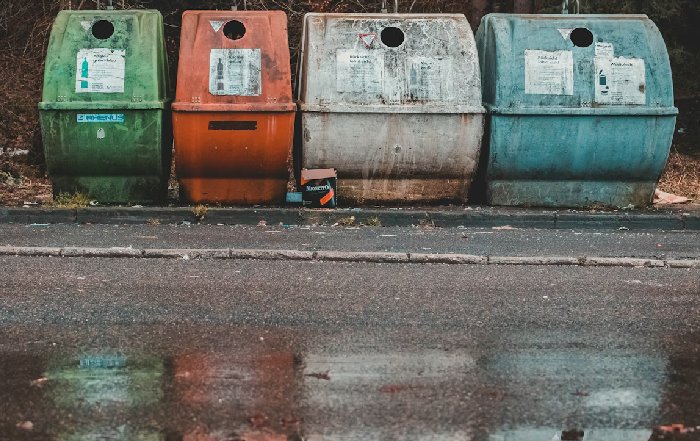
Despite years of awareness campaigns, plastic pollution remains one of the most visible symbols of unsustainable production and consumption. Rivers and oceans continue to receive millions of tonnes of mismanaged plastic waste annually, and microplastics are now detected in remote environments, drinking water, and even human blood. Scientific syntheses curated by agencies such as the National Oceanic and Atmospheric Administration (NOAA) and the European Environment Agency underscore the mounting evidence of ecological and potential health impacts.

However, by 2026 the narrative around plastics has begun to shift from one of inevitable accumulation to one of systemic redesign. Governments are negotiating a global plastics treaty under the auspices of the United Nations, focusing on upstream measures such as product standards, design requirements, and extended producer responsibility. At the same time, businesses are investing in alternative materials, refill and reuse systems, and digital platforms that track packaging flows throughout their life cycles. For readers interested in how these developments intersect with daily choices, You Save Our World's plastic recycling insights provide a bridge between global frameworks and household action.

The broader waste challenge extends beyond plastics to encompass food waste, construction materials, electronics, and industrial by-products. The traditional linear model-take, make, dispose-has proven economically inefficient and environmentally damaging, prompting cities and companies to adopt circular economy strategies. These include designing products for durability and repair, creating secondary markets for recovered materials, and deploying advanced sorting and recycling technologies that dramatically increase recovery rates. Those seeking to understand how these trends reshape business models can examine analyses on waste and resource management, which highlight both regulatory drivers and innovation opportunities.

For individuals and communities, the move toward circularity is expressed through more mindful consumption, local repair initiatives, sharing platforms, and neighborhood recycling programs. These localized efforts, while modest in isolation, collectively contribute to systemic change when supported by coherent policy, market incentives, and public awareness.

Water Stress and Food Systems: Managing Scarcity in a Climate-Disrupted World

Water scarcity has become one of the most acute manifestations of environmental stress in 2026, with climate variability, over-extraction, and pollution converging to create chronic shortages in many regions. Analyses by UN-Water and the World Resources Institute show that more countries are entering high or extremely high water-stress categories, while others face growing variability that undermines planning for agriculture, energy, and urban development.

Agriculture remains the largest user of freshwater, and thus a focal point for both risk and innovation. Precision irrigation, soil-moisture monitoring, and drought-resistant crop varieties are helping farmers adapt, but these technologies require investment, capacity building, and supportive policies. Food systems are also diversifying, with interest growing in climate-resilient crops, regenerative practices, and shorter supply chains that reduce water and carbon footprints. Readers exploring sustainable living strategies can see how diet choices, food waste reduction, and local sourcing contribute to easing pressure on water and land.

Urban water management faces its own set of challenges, from aging infrastructure and leakage to contamination and inequitable access. Cities are increasingly turning to integrated water resource management, combining demand reduction, stormwater capture, aquifer recharge, and reuse of treated wastewater. Digital twins of water networks, enabled by sensors and analytics, support more adaptive and efficient operations. These technical measures are complemented by pricing reforms and public engagement campaigns that encourage conservation and equitable distribution.

Crucially, water stress is not only an engineering problem but also a governance and justice issue. Disputes over allocation between sectors, regions, and social groups are becoming more frequent, and their resolution requires transparent institutions, inclusive decision-making, and cross-border cooperation.

Air Quality and Health: The Persistent Cost of Fossil Fuels

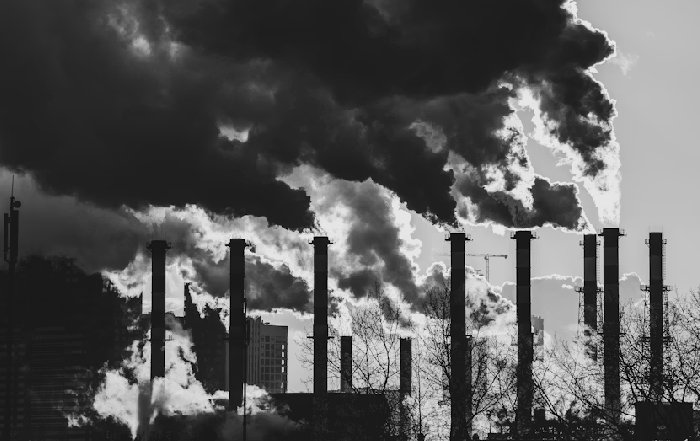
Air pollution continues to be one of the world's leading environmental health risks, with the World Health Organization (WHO) estimating millions of premature deaths annually from exposure to fine particulate matter and other pollutants. In 2026, the link between fossil-fuel combustion, poor air quality, and public health burdens is better understood than ever, driving a convergence of climate and health policy.

Many major cities have implemented low- or zero-emission zones, accelerated the phase-out of internal combustion engines, and expanded public and active transport infrastructure. Power systems are shifting away from coal and, increasingly, from unabated gas toward renewables and storage, supported by grid modernization and demand-response technologies. These changes are reflected in declining concentrations of key pollutants in jurisdictions that have adopted stringent standards and enforcement, demonstrating the feasibility of rapid improvement when political will and technological capability align.

Indoor air pollution, particularly from traditional biomass use in low-income households, remains a serious challenge, but progress is being made through clean cooking initiatives, electrification, and distributed renewable energy. Health ministries, urban planners, and energy agencies are collaborating more closely, recognizing that air quality interventions often deliver co-benefits for climate mitigation, economic productivity, and quality of life. For individuals and businesses seeking to internalize these dynamics, the resources on technology and innovation at You Save Our World highlight how clean energy and smart design can reduce both emissions and operating costs.

Forests, Oceans, and Soils: Stabilizing the Planet's Life-Support Systems

Forests, oceans, and soils act as the planet's core life-support systems, moderating climate, cycling nutrients, and supporting biodiversity. In 2026, their condition is recognized not only as an environmental concern but as a foundational element of global economic stability.

Deforestation and forest degradation, particularly in tropical regions, continue to be driven by demand for agricultural commodities, timber, and infrastructure. Yet there are also encouraging examples where strong governance, indigenous land rights, and market incentives have slowed or reversed forest loss. Initiatives supported by organizations such as WWF, The Nature Conservancy, and national governments are experimenting with performance-based payments, jurisdictional approaches, and corporate deforestation-free commitments. For business leaders seeking to align procurement and investment with these trends, the analyses on global business transformation emphasize the growing expectation that supply chains be transparent and nature-positive.

Oceans face a dual challenge of warming and acidification, alongside overfishing and pollution. Scientific programs coordinated by NOAA, the Intergovernmental Oceanographic Commission, and academic institutions are documenting shifts in species distributions, coral reef decline, and impacts on fisheries. In response, new marine protected areas, sustainable fisheries certifications, and blue-economy strategies are being deployed to safeguard marine ecosystems while supporting coastal livelihoods. These developments underscore the importance of integrating ocean health into climate policy, trade, and development planning.

Soils, meanwhile, are gaining recognition as a critical asset for food security, water regulation, and carbon storage. Degradation through erosion, compaction, salinization, and contamination undermines agricultural productivity and resilience. Regenerative agriculture and soil restoration projects are increasingly framed as climate solutions, capable of sequestering carbon while improving yields and biodiversity. For those interested in how land management intersects with personal choices and community initiatives, the content on sustainable lifestyle design offers perspectives on food, housing, and consumption patterns that support soil and ecosystem health.

Innovation, Design, and Technology: Rewiring Systems for Sustainability

The environmental challenges of 2026 have catalyzed a wave of innovation that spans energy, materials, mobility, buildings, and digital infrastructure. Clean technologies are no longer peripheral; they are central to industrial strategy, trade competitiveness, and national security. This transformation is particularly evident in sectors where emissions and resource use have historically been high.

In energy, declining costs for solar, wind, and batteries have made renewables the default choice for new generation capacity in many markets, while grid-scale storage, green hydrogen, and demand-side flexibility are beginning to address integration challenges. Industrial processes, from steel and cement to chemicals, are experimenting with electrification, carbon capture, and alternative feedstocks. For those exploring how these shifts affect corporate strategy and investment, You Save Our World's innovation insights analyze emerging technologies and their implications for risk and opportunity.

Design has become a strategic lever for sustainability. Product and building designers increasingly apply lifecycle thinking, modularity, and material efficiency to reduce environmental footprints while enhancing user experience. Concepts such as passive design, nature-inspired solutions, and adaptive reuse are gaining traction in architecture and urban planning, reflecting a growing appreciation for the intersection of aesthetics, functionality, and environmental performance. Readers interested in this intersection can explore sustainable design perspectives, which illustrate how built environments can support both planetary and human well-being.

Digital technology underpins much of this transformation. Artificial intelligence, remote sensing, and the Internet of Things enable granular monitoring of energy use, emissions, water flows, and ecosystem changes, supporting smarter decision-making at every level. At the same time, there is growing recognition that digital infrastructure itself has an environmental footprint, prompting efforts to improve data-center efficiency, optimize networks, and align digital services with sustainability goals.

Education, Culture, and Personal Well-Being: The Human Dimension of Sustainability

Behind every policy reform and technological breakthrough lies a deeper shift in values, knowledge, and behavior. By 2026, sustainability education has moved from the margins of curricula to a more central role in schools, universities, and professional training programs. Interdisciplinary approaches that connect climate science, economics, ethics, and systems thinking are preparing a new generation of leaders to navigate complexity and uncertainty. For those interested in how learning shapes environmental outcomes, You Save Our World's education resources highlight pedagogical strategies that foster critical thinking and practical problem-solving.

Cultural narratives are also evolving. Media, art, and storytelling increasingly frame sustainability not as sacrifice but as an opportunity to enhance quality of life, social cohesion, and personal fulfillment. Concepts such as minimalism, sufficiency, and mindful consumption resonate with individuals seeking to align their lifestyles with their values. This aligns closely with the platform's focus on personal well-being, which emphasizes that mental and physical health are intertwined with environmental conditions, from access to green spaces and clean air to reduced anxiety about climate and ecological instability.

At the household level, practical choices-energy use, mobility, diet, purchasing habits-remain powerful levers for change, especially when aggregated across millions of people. Yet the burden of action is not placed solely on individuals; rather, the message emerging in 2026 is that systems and structures must make sustainable choices accessible, affordable, and attractive. This is where the intersection of policy, business innovation, and cultural norms becomes critical, and where platforms such as You Save Our World play a role in equipping citizens and consumers with reliable information and realistic pathways.

Environmental Justice and Global Equity: Who Bears the Burden, Who Reaps the Benefits?

One of the most important developments in environmental governance by 2026 is the mainstreaming of environmental justice and equity considerations. It is now widely acknowledged that environmental harms and benefits are distributed unevenly, often along lines of income, race, and geography. Communities that have contributed least to global emissions frequently face the greatest exposure to climate impacts, pollution, and resource scarcity, while having the least capacity to adapt.

International negotiations, national climate strategies, and local planning processes increasingly incorporate just transition principles, seeking to ensure that the move away from fossil fuels and resource-intensive industries does not leave workers and vulnerable communities behind. Climate finance mechanisms, including those discussed under the UN Framework Convention on Climate Change, are under pressure to deliver more predictable and accessible support for adaptation and loss-and-damage in developing countries. These debates reinforce the importance of treating sustainability not only as a technical challenge but as a question of rights, fairness, and shared responsibility.

At the city and neighborhood level, environmental justice is expressed through issues such as exposure to industrial pollution, access to public transport and green spaces, and vulnerability to heatwaves and flooding. Community organizations, often supported by universities and NGOs, are using tools such as participatory mapping, citizen science, and legal advocacy to document inequities and influence policy. For readers examining how these dynamics intersect with business strategy and governance, the analyses on global sustainability and responsibility demonstrate that long-term legitimacy and stability depend on addressing these disparities.

Integrating Action: The Role of Trusted Platforms in a Complex Landscape

The environmental landscape of 2026 is characterized by complexity, interdependence, and rapid change. Climate, biodiversity, water, waste, and social equity are no longer treated as separate issues but as interconnected dimensions of a single systemic challenge. In this context, decision-makers at every level require information that is scientifically grounded, practically relevant, and accessible.

This is where platforms like You Save Our World have a distinctive role. By curating and interpreting evidence from authoritative sources-ranging from IPCC assessments and UNEP reports to research by NASA, WHO, and leading academic institutions-and translating it into actionable insights on sustainable living, sustainable business, technology and innovation, and environmental awareness, the platform supports informed choices that align personal, corporate, and societal interests.

The core message emerging in 2026 is that environmental sustainability is no longer optional or peripheral. It is central to risk management, competitiveness, social stability, and personal well-being. The experience of recent years has shown that delayed action raises costs and narrows options, while timely, coordinated action creates new markets, improves health outcomes, and strengthens resilience. As businesses, governments, and citizens navigate this pivotal decade, the combination of rigorous evidence, innovative solutions, and inclusive governance offers a credible pathway toward a future in which economic prosperity and ecological integrity reinforce rather than undermine each other.

For the audience of You Save Our World, the challenge and the opportunity are clear: to use the best available knowledge to shape decisions-large and small-that collectively determine the trajectory of the planet. By staying informed, demanding accountability, and embracing innovation in lifestyles, business models, and public policy, this global community can help transform the environmental story of the 2020s from one of escalating crisis to one of coordinated, practical, and lasting change.

The Evolving Landscape of Global Business

Last updated by Editorial team at yousaveourworld.com on Friday 23 January 2026
The Evolving Landscape of Global Business

Global Business in 2026: Strategy, Sustainability, and Resilient Growth

The global business environment in 2026 is defined by an intense convergence of economic volatility, geopolitical realignment, regulatory tightening, technological acceleration, and escalating environmental risk. For senior leaders, this convergence is not an abstract backdrop but an immediate operating reality that shapes capital allocation, supply chain design, workforce strategy, brand positioning, and long-term value creation. Within this context, You Save Our World positions itself as a platform dedicated to helping decision-makers understand how sustainable choices in business, lifestyle, innovation, and policy can be translated into practical strategies that protect both profitability and planetary health. By integrating insights from economics, climate science, technology, and organizational behavior, the site advocates a model of leadership in which Experience, Expertise, Authoritativeness, and Trustworthiness are not rhetorical labels but operational imperatives.

Geopolitics, Economics, and the New Geography of Risk

In 2026, the global economy remains tightly interdependent yet structurally fragile, as supply chains, capital flows, and energy systems are repeatedly tested by regional conflicts, trade disputes, and climate-related disruptions. Sanctions regimes, export controls on strategic technologies, and resource nationalism have turned geopolitics into a primary business variable rather than a secondary concern. Executives must now track diplomatic developments and security flashpoints as closely as they monitor quarterly earnings, recognizing that a single policy shift can recalibrate entire industries.

Organizations that once concentrated production in a handful of low-cost locations are actively diversifying manufacturing footprints, inventory strategies, and logistics networks to improve resilience. Nearshoring, friendshoring, and multi-sourcing are no longer theoretical concepts but central pillars of operational planning, particularly in sectors such as semiconductors, pharmaceuticals, critical minerals, and renewable energy components. Leaders increasingly rely on macroeconomic and trade analysis from institutions such as the World Bank and the International Monetary Fund to interpret currency volatility, debt stress, and growth projections, while scenario planning has become a permanent feature of board-level risk oversight.

For visitors to You Save Our World, this evolving landscape underscores why a narrow focus on short-term cost optimization is no longer viable. The site's emphasis on global perspectives on sustainability and resilience reflects the reality that resilient business models must integrate political, social, and environmental factors alongside traditional financial metrics, particularly as climate-induced shocks increasingly interact with geopolitical stress points.

Regulatory Transformation and the Economics of Compliance

Regulation in 2026 is moving decisively toward mandatory disclosure, accountability, and performance on environmental and social metrics. Climate-related financial reporting frameworks, such as those inspired by the Task Force on Climate-related Financial Disclosures, have evolved from voluntary guidance into binding requirements in major jurisdictions. Carbon pricing mechanisms, extended producer responsibility laws, and stricter waste management standards are reshaping cost structures and competitive dynamics in manufacturing, retail, logistics, and consumer goods.

Rather than treating regulation as a static constraint, leading companies are reframing compliance as a catalyst for innovation and differentiation. Those that invest early in low-carbon technologies, robust data systems, and transparent reporting are discovering that they are better positioned to secure green financing, attract long-term investors, and win public tenders that increasingly embed sustainability criteria. Resources from the Organisation for Economic Co-operation and Development and the United Nations Environment Programme help executives interpret regulatory trajectories and their macroeconomic implications, particularly in relation to climate policy, circular economy legislation, and biodiversity protection.

On You Save Our World, this regulatory shift is reflected in guidance that connects compliance with opportunity. The platform's focus on sustainable business strategy and environmental awareness emphasizes that organizations which internalize environmental and social risks-rather than externalize them-build stronger brands, reduce legal exposure, and foster more durable stakeholder trust. In practice, this means integrating life-cycle thinking into product design, aligning incentive structures with sustainability outcomes, and using regulation as a benchmark for continuous improvement rather than a minimum standard.

Digital Transformation, AI, and the Ethics of Intelligent Systems

The digital transformation that accelerated in the early 2020s has matured into a new baseline for competitive performance. Artificial intelligence, advanced analytics, and automation are now embedded across value chains, from demand forecasting and dynamic pricing to predictive maintenance, fraud detection, and personalized customer engagement. However, by 2026, the conversation has shifted from whether to adopt AI to how to govern it responsibly, manage its risks, and ensure that its deployment aligns with both legal requirements and societal expectations.

Enterprises are increasingly aware that opaque algorithms and poorly governed data practices can create significant reputational, legal, and operational vulnerabilities. Regulatory frameworks on AI transparency, data protection, and algorithmic accountability are tightening, particularly in regions that have taken a rights-based approach to digital governance. Guidance from organizations such as the Stanford Institute for Human-Centered Artificial Intelligence and policy analyses on platforms like the Stanford Social Innovation Review help leaders understand how to balance innovation with safeguards, ensuring that AI systems are fair, explainable, and secure.

For You Save Our World, technology is viewed through a dual lens: as a powerful enabler of efficiency and sustainability, and as a domain that demands ethical oversight and inclusive design. The site's dedicated section on technology and innovation highlights how digital tools can enhance energy management, optimize logistics to reduce emissions, and improve monitoring of environmental impacts, while also stressing the importance of cybersecurity, data privacy, and responsible AI. This holistic perspective aligns with the broader mission of promoting solutions that are technologically advanced yet socially responsible and environmentally sound.

Sustainability, Climate Risk, and the Core of Corporate Strategy

By 2026, climate change is no longer a distant risk scenario but a present and quantifiable business reality. More frequent extreme weather events, supply chain disruptions caused by floods and droughts, and physical damage to infrastructure are forcing companies to reassess asset locations, insurance coverage, and business continuity plans. At the same time, transition risks-stemming from shifts in regulation, technology, and consumer preferences-are accelerating the revaluation of carbon-intensive assets and business models.

Boards and executive teams are increasingly using climate scenario analysis and science-based targets to align their strategies with pathways that limit global warming in line with the Intergovernmental Panel on Climate Change findings. Investors, drawing on frameworks from the Principles for Responsible Investment, are scrutinizing climate transition plans, emissions trajectories, and governance structures, rewarding companies that demonstrate credible decarbonization and penalizing those that rely on superficial commitments.

Within this context, You Save Our World treats climate change not as a specialized niche topic but as a central driver of risk and opportunity for every sector. The platform's focus on sustainable living and waste reduction underscores the interdependence between corporate decisions and everyday choices, showing how supply chain redesign, low-carbon product innovation, and responsible consumption patterns can collectively support emissions reduction and resource conservation. The site's emphasis on Experience and Expertise is reflected in detailed analyses that link climate science with practical actions, from energy efficiency investments to circular business models.

Circular Economy, Waste, and the Economics of Materials

Waste is increasingly recognized as both an environmental liability and an underutilized asset. In 2026, the shift toward circular economy principles is accelerating, driven by regulatory pressure, consumer expectations, and the economic logic of resource efficiency. Extended producer responsibility schemes, bans on certain single-use plastics, and mandatory recycled content requirements are pushing companies to rethink product design, packaging, and end-of-life management.

Leaders in this space are adopting closed-loop systems, remanufacturing, and materials recovery strategies that reduce dependency on virgin resources and mitigate exposure to commodity price volatility. Insights from the Ellen MacArthur Foundation and the World Economic Forum demonstrate how circular approaches can unlock new revenue streams, reduce environmental impact, and strengthen supply chain resilience, particularly in sectors such as electronics, textiles, and consumer goods.

You Save Our World places particular emphasis on practical pathways to circularity, including detailed discussions on plastic recycling and broader waste management strategies. By connecting high-level concepts with actionable guidance-such as redesigning packaging, establishing take-back programs, and partnering with recyclers-the platform helps businesses and individuals translate environmental awareness into measurable outcomes. This focus on clear, trustworthy information supports organizations seeking to move beyond incremental improvements toward systemic change in how materials are sourced, used, and recovered.

Talent, Culture, and the Future of Work

The labor market in 2026 is shaped by demographic shifts, technological disruption, and changing expectations about the role of work in people's lives. Hybrid work models, accelerated by the pandemic years, have become an enduring feature of organizational design, demanding new approaches to leadership, performance management, collaboration, and culture-building. At the same time, automation and AI are transforming job content, requiring continuous reskilling and upskilling to maintain employability and organizational competitiveness.

Forward-looking companies understand that talent strategy is inseparable from sustainability and innovation. They are investing in learning ecosystems, mentorship networks, and inclusive cultures that harness diverse perspectives and support psychological safety. Research from the World Economic Forum and the International Labour Organization highlights the importance of aligning workforce development with the green and digital transitions, ensuring that employees are equipped to thrive in roles that support decarbonization, circularity, and advanced technology deployment.

On You Save Our World, the intersection of professional development, well-being, and sustainability is a recurring theme. The platform's content on personal well-being and lifestyle choices underscores that resilient organizations are built on resilient individuals, and that meaningful work, ethical leadership, and sustainable practices are central to attracting and retaining skilled employees. By addressing topics such as self-leadership, work-life integration, and values-driven careers, the site provides leaders and professionals with tools to build cultures that support both high performance and long-term health.

Finance, Investment, and the Integration of ESG

Financial markets in 2026 are increasingly shaped by environmental, social, and governance considerations, as regulators, asset owners, and civil society demand clearer evidence that capital is being deployed in ways that are compatible with a stable climate and inclusive growth. Disclosure standards for ESG data are becoming more harmonized across jurisdictions, and green and sustainability-linked financial instruments are gaining scale, providing new avenues for funding climate-aligned projects and business models.

Asset managers and corporate treasurers are using frameworks from organizations such as the Global Reporting Initiative and the Sustainability Accounting Standards Board to evaluate material risks and opportunities, while rating agencies and data providers refine their methodologies for assessing ESG performance. The result is a gradual but unmistakable shift in the cost of capital, with companies that demonstrate credible sustainability strategies often enjoying preferential access to financing and enhanced investor confidence.

For the audience of You Save Our World, understanding this financial transition is essential. The site's focus on the economy and sustainable value creation highlights how integrating ESG into corporate strategy is not merely a reputational exercise but a driver of long-term financial resilience. By explaining concepts such as climate stress testing, transition risk, and impact investing in accessible yet rigorous terms, the platform equips leaders, entrepreneurs, and informed citizens to engage more effectively with financial institutions, policymakers, and stakeholders who are reshaping capital markets around sustainability outcomes.

Design, Innovation, and Human-Centered Sustainability

Design has emerged as a critical lever for embedding sustainability into products, services, and business models. In 2026, leading organizations are moving beyond incremental efficiency gains to fundamentally reimagine how value is created and experienced, using design thinking and systems thinking to align user needs with environmental and social objectives. This includes designing products for durability, reparability, and modularity; creating services that prioritize access over ownership; and shaping built environments that support low-carbon lifestyles and community well-being.

Innovation ecosystems-spanning startups, corporates, universities, and public agencies-are increasingly focused on climate-tech, clean energy, regenerative agriculture, and sustainable materials. Reports from the International Energy Agency and the United Nations Industrial Development Organization illustrate how targeted innovation policies and collaborative platforms can accelerate the diffusion of solutions that reduce emissions and resource use while generating new economic opportunities.

Within this landscape, You Save Our World emphasizes the role of design and innovation as foundational to sustainable transformation. The site showcases how thoughtful design can reduce waste, enhance user satisfaction, and support healthier lifestyles, while highlighting the importance of cross-disciplinary collaboration between engineers, designers, behavioral scientists, and sustainability experts. By grounding its content in both practical examples and strategic frameworks, the platform reinforces its Authoritativeness and Trustworthiness as a guide for organizations seeking to embed sustainability at the earliest stages of innovation.

Education, Awareness, and the Power of Informed Choices

Sustainable transformation ultimately depends on informed decisions made by individuals, organizations, and policymakers. In 2026, access to high-quality, evidence-based information is both more abundant and more contested than ever, as misinformation and fragmented attention challenge the ability of citizens and leaders to assess complex trade-offs. This makes credible, well-curated educational resources a strategic asset for societies seeking to navigate climate risk, technological change, and economic transition.

Institutions such as the UNESCO and leading universities are expanding programs in sustainability education, climate literacy, and responsible innovation, recognizing that future competitiveness and social cohesion will depend on equipping people with the skills and perspectives needed to operate in a low-carbon, digitally enabled world. Corporate training programs are similarly evolving to include sustainability competencies as core rather than optional, spanning topics from carbon accounting and circular design to ethical AI and stakeholder engagement.

Education and awareness are central to the mission of You Save Our World, which treats education as the connective tissue linking sustainable living, responsible business, and informed citizenship. The platform's articles and guides aim to translate complex topics into accessible narratives without sacrificing rigor, enabling business leaders, professionals, and households to make decisions that are aligned with long-term environmental and social well-being. By maintaining a clear, consistent, and evidence-informed voice, the site reinforces its position as a trusted partner for those seeking to align personal values with practical action.

Integrating Profit, Purpose, and Planet in 2026 and Beyond

The defining challenge for business leaders in 2026 is not merely to adapt to a more complex operating environment, but to shape it in ways that are compatible with a stable climate, thriving societies, and robust economies. This requires moving beyond the traditional trade-off mentality that pits profit against purpose and instead embracing models in which financial performance and environmental stewardship are mutually reinforcing. Organizations that succeed in this integration tend to share several characteristics: they ground strategy in transparent data and robust analysis, they invest in innovation that reduces environmental and social harm, they cultivate cultures that value ethics and inclusion, and they engage constructively with regulators, communities, and partners.

You Save Our World is designed to support this integration by offering a coherent, trustworthy framework for understanding how decisions in areas such as sustainable living, sustainable business, technology, and global environmental awareness interact to shape long-term outcomes. By curating insights across domains-economy, design, education, personal well-being, and more-the platform helps leaders and citizens recognize that resilience and competitiveness in 2026 are inseparable from the health of ecosystems and communities.

As climate impacts intensify, regulatory expectations rise, and technological change accelerates, the organizations that will endure are those that treat sustainability as a strategic lens rather than a peripheral function. They will use data and technology to reduce waste and emissions, design products and services that support healthier lifestyles, invest in people and communities, and engage transparently with stakeholders about both progress and challenges. In doing so, they will not only manage risk more effectively but also unlock new forms of value that are aligned with the expectations of customers, employees, investors, and society at large.

In this evolving landscape, the role of platforms like You Save Our World is to provide the knowledge, context, and inspiration needed to translate ambition into action. By combining deep expertise with a commitment to clarity and integrity, the site invites its audience to participate in building a global economy where innovation, responsibility, and resilience reinforce one another, and where the success of business is measured not only in financial returns but also in its contribution to a more sustainable and equitable world.

The Evolving Landscape of Intellectual Property Rights

Last updated by Editorial team at yousaveourworld.com on Friday 23 January 2026
The Evolving Landscape of Intellectual Property Rights

Intellectual Property Rights in 2026: A Strategic Engine for Sustainable, Global Business

Intellectual Property as a Core Business Asset in 2026

By 2026, intellectual property has firmly moved from the legal back-office into the strategic core of modern enterprises. Across industries, executives increasingly recognize that patents, trademarks, copyrights, and trade secrets are not merely defensive tools but high-value assets that shape market power, investor confidence, and long-term resilience. In a world defined by digital acceleration, climate urgency, and shifting geopolitical realities, organizations that treat intellectual property as a central pillar of strategy are better positioned to innovate, scale, and contribute to a sustainable global economy.

For You Save Our World, which focuses on sustainable living, responsible business, and environmental awareness, intellectual property is not an abstract legal concept. It is the invisible infrastructure behind clean technologies, circular-economy business models, low-waste product design, and educational platforms that help individuals and organizations transition to more sustainable lifestyles. When a company patents a breakthrough in recyclable materials, protects a trusted eco-label, or secures proprietary data analytics for energy efficiency, it is shaping the practical tools that make sustainable living more accessible and economically viable. Readers who follow the platform's work on sustainable business and climate change will recognize that intellectual property is increasingly where innovation, environmental responsibility, and competitive advantage intersect.

In this context, intellectual property rights support not only profit and growth but also the diffusion of technologies and practices that reduce waste, decarbonize supply chains, and improve personal and planetary well-being. This dual role-as a private asset and a public lever for progress-makes IP strategy a decisive factor for business leaders who want to align commercial success with global sustainability goals.

The Main Forms of Intellectual Property and Their Strategic Roles

Although the legal categories of intellectual property are well established, their strategic use in 2026 has evolved significantly. Modern enterprises blend these tools to create integrated portfolios that support innovation, brand trust, and sustainable differentiation.

Patents remain central for technology-driven companies, particularly in sectors like renewable energy, advanced materials, biotechnology, and low-carbon construction. A patent grants exclusive rights over a novel, non-obvious, and useful invention for a limited period, typically 20 years, enabling the inventor to commercialize or license the technology. Institutions such as the United States Patent and Trademark Office and the European Patent Office continue to refine their procedures to cope with surging applications in areas like green hydrogen, battery storage, and AI-driven optimization. Business leaders who monitor guidance from the USPTO and EPO understand that patents are not only legal shields but also signals to investors, partners, and regulators that a company is serious about research, development, and long-term innovation.

Trademarks, meanwhile, have taken on heightened importance in an era of eco-conscious consumers and global e-commerce. A recognizable, well-protected brand-whether a word mark, logo, color scheme, or even a distinctive sound-embodies trust. In sustainability-focused markets, consumers rely on trademarks and certification marks to distinguish genuinely responsible companies from those engaging in superficial "greenwashing." As organizations increasingly compete on values as much as on price or performance, trademarks become the anchors of reputation, customer loyalty, and premium positioning. Businesses that cultivate strong, protected brands aligned with sustainable living reinforce the messages promoted on You Save Our World about environmental awareness and ethical consumption.

Copyrights continue to underpin a large share of the digital economy. Software, educational content, multimedia campaigns, sustainability reports, and data visualizations are all protected from unauthorized copying and distribution. For organizations building digital tools to help households reduce energy use, companies train staff in sustainable practices, or communities coordinate local recycling initiatives, copyright ensures that the substantial investment in content creation and design can be monetized and controlled. In parallel, legal frameworks and technical protections attempt to balance the need for broad access to sustainability information with the rights of creators, educators, and technology providers.

Trade secrets have become increasingly prominent as data-driven business models expand. Proprietary algorithms that optimize logistics to cut emissions, confidential supplier assessments, or unique processes for plastic recycling are often more valuable when kept confidential than when disclosed in a patent application. Effective trade secret protection requires robust internal governance, cybersecurity, and a culture of confidentiality, but when managed well, it can yield durable competitive advantage. In sectors where incremental process improvements can significantly reduce waste or resource use, protecting know-how as a trade secret can be as important as formal registration.

Together, these IP tools form a flexible toolkit that allows businesses to protect what they create, selectively share or license it, and build economic models that reward long-term investment in sustainable innovation. For readers exploring how innovation shapes sustainable lifestyles, related insights on technology and innovation on You Save Our World demonstrate how these forms of IP underpin practical solutions.

Global Economic and Regulatory Context in 2026

The global environment in 2026 is defined by simultaneous pressures: the acceleration of digitalization, ongoing climate risks, fragile geopolitical relations, and persistent inequality. These dynamics have profound implications for how intellectual property is created, valued, and enforced.

International institutions such as the World Bank and the Organisation for Economic Co-operation and Development (OECD) continue to highlight the role of innovation and intangible assets in driving productivity and inclusive growth. Their analyses, accessible via the World Bank and OECD, show that economies investing heavily in research, education, and robust IP frameworks tend to attract more capital, nurture more startups, and generate higher-quality employment. At the same time, these institutions increasingly emphasize that innovation must be aligned with climate resilience, resource efficiency, and social inclusion if it is to support long-term stability.

For businesses, this means that intellectual property strategies cannot be designed in isolation from broader sustainability and regulatory trends. Environmental regulations on emissions, waste, and product design are tightening in many jurisdictions, prompting companies to develop new technologies and business models to remain compliant and competitive. Intellectual property rights, in turn, protect those innovations and can be leveraged in cross-licensing, joint ventures, or public-private partnerships that accelerate the deployment of low-carbon and circular solutions. Readers interested in how regulation and innovation intersect with sustainability can connect these themes with You Save Our World's coverage of the global economy and waste.

Geopolitical tensions and trade disputes have also elevated the strategic importance of IP. Supply chain disruptions and divergent national policies make it essential for companies to map where their core intellectual property is created, stored, and enforced. Multinationals must navigate varying standards for patentability, data protection, and enforcement, often relying on local expertise and regional alliances. Organizations that treat IP as a global asset-carefully structuring ownership, licensing, and enforcement strategies-are better placed to maintain operational continuity and market access in a volatile world.

Designing an Integrated Intellectual Property Strategy

In 2026, leading companies tend to approach intellectual property as an integrated management discipline rather than a narrow legal function. This shift is particularly evident among organizations that place sustainability and innovation at the center of their business models.

A modern IP strategy typically begins with a structured audit of existing and potential assets. Cross-functional teams from research and development, design, marketing, sustainability, and legal functions collaboratively identify inventions, brands, creative works, data sets, and trade secrets that may warrant protection. This kind of inventory not only prevents valuable assets from slipping through the cracks but also clarifies the relationship between intellectual property and broader corporate objectives, such as emissions reduction, circularity, and market expansion. Companies that embrace such holistic thinking mirror the integrated approach to sustainable living and lifestyle advocated on You Save Our World.

Once the portfolio is mapped, organizations prioritize where to invest in registration and enforcement. Not every idea needs a patent; not every design warrants a trademark. Decisions are informed by factors such as market potential, competitive landscape, technological life cycle, and alignment with long-term sustainability goals. For instance, a firm might choose to patent a breakthrough process that dramatically reduces energy use in manufacturing, while relying on trade secrets for incremental process improvements. In parallel, it may invest in trademarks and certification marks that communicate environmental performance or social impact to consumers and regulators.

Licensing and collaboration strategies form a second pillar of integrated IP management. Many sustainability challenges-from decarbonizing heavy industry to reducing plastic pollution-are too large for any single company to solve alone. As a result, open innovation models, patent pools, and cross-licensing agreements are gaining traction. When structured carefully, these arrangements allow firms to share essential technologies while still preserving incentives to innovate. The World Intellectual Property Organization provides extensive guidance on such collaborative mechanisms, which can be explored via WIPO. For businesses aligned with the mission of You Save Our World, these models offer a pathway to scale impact while maintaining economic viability.

Finally, an effective IP strategy in 2026 must include robust risk management. This involves monitoring competitors' filings, tracking potential infringements, planning for disputes, and ensuring that internal policies around confidentiality, data security, and employee innovation are clear and consistently applied. It also requires alignment with corporate sustainability commitments, so that IP decisions support, rather than undermine, goals related to climate, resource use, and social responsibility.

Legal Expertise, Governance, and Trust

As IP frameworks have become more complex and globally interconnected, the role of specialized legal expertise has only grown. Organizations increasingly rely on in-house counsel and external advisors with deep knowledge of both domestic and international IP law, as well as sector-specific regulations related to environment, health, and technology. Publications such as the Stanford Technology Law Review and Harvard Business Review, accessible through Stanford Technology Law Review and Harvard Business Review, regularly analyze emerging issues at the intersection of technology, law, and strategy, helping business leaders anticipate shifts in the legal landscape.

Strong governance structures are essential to translate legal expertise into practical, trustworthy IP management. Boards and executive teams increasingly treat intellectual property as a core governance topic alongside cybersecurity, climate risk, and human capital. Policies defining ownership of employee-generated IP, guidelines for ethical AI development, and principles for sharing or donating IP for public-good projects (such as health or climate technologies) are now common among leading firms. These governance frameworks contribute to the broader concept of corporate trustworthiness, a theme that resonates with You Save Our World's focus on responsible business and personal well-being.

Trust also depends on how companies enforce their rights. Heavy-handed enforcement against small innovators, communities, or educators can trigger reputational backlash, especially when the underlying technologies relate to environmental or social challenges. Many organizations therefore adopt tiered enforcement strategies that distinguish between commercial infringers and non-commercial or good-faith users, seeking negotiated solutions or open licensing in appropriate cases. This more nuanced approach reflects a growing recognition that intellectual property must coexist with global expectations of fairness, access, and shared progress.

Sustainability, Circularity, and Intellectual Property

One of the most important developments by 2026 is the deepening convergence between sustainability and intellectual property strategy. As governments, investors, and consumers demand credible action on climate change, biodiversity loss, and resource depletion, organizations are channeling significant investment into clean technologies, circular business models, and low-impact design. Intellectual property rights help structure how these innovations are developed, financed, and disseminated.

Patents in sustainable technologies-such as advanced solar materials, grid-scale storage, carbon capture, regenerative agriculture tools, and high-efficiency appliances-play a central role in the energy transition. They enable companies to justify large R&D expenditures and attract capital, while also providing a basis for licensing and technology transfer to emerging markets. At the same time, debates continue about how to ensure that essential climate technologies are accessible to low-income countries and communities. International negotiations and voluntary initiatives explore mechanisms such as patent pools, tiered licensing, and time-limited exclusivity to balance innovation incentives with global equity.

Trademarks and design rights are equally important in the realm of sustainable products and services. Visual identities that signal recyclability, fair labor practices, or low-carbon footprints influence consumer choices and can accelerate shifts toward more sustainable consumption patterns. However, they must be backed by verifiable standards and transparent reporting to avoid misleading claims. Platforms such as You Save Our World, which provide education on plastic recycling and sustainable living, play a vital role in helping consumers interpret these signals and hold companies accountable.

Trade secrets often underpin operational improvements that reduce waste, energy use, or water consumption in manufacturing and logistics. While such knowledge is not visible in the marketplace, it can produce substantial environmental benefits when applied at scale. Some organizations choose to keep these methods confidential for competitive reasons; others selectively share them through partnerships, industry alliances, or open-innovation platforms when doing so aligns with their sustainability commitments and business models. The resulting mix of proprietary and shared knowledge shapes how quickly sustainable practices diffuse across sectors.

In education and personal behavior change-critical components of any sustainability transition-copyrighted materials such as training programs, school curricula, and digital tools are essential. Balancing the protection of these works with the need for broad access is an ongoing challenge, particularly in low-resource settings. Creative licensing models, including open educational resources and non-commercial licenses, offer ways to expand impact while still recognizing the contributions of authors and organizations.

Technological Shifts Reshaping Intellectual Property

Technological advances are transforming not only what is protected by IP but also how it is managed, monitored, and enforced. Artificial intelligence, blockchain, and advanced analytics are at the forefront of this shift.

AI systems now assist in prior art searches, patent drafting, and infringement detection, significantly reducing the time and cost associated with IP management. At the same time, AI itself raises difficult questions about authorship and inventorship. When machine-learning models generate novel designs, chemical compounds, or process optimizations, determining who-or what-is the inventor becomes legally and ethically complex. Courts and regulators in multiple jurisdictions are grappling with these issues, and businesses must stay informed to ensure that their innovation processes and IP filings align with evolving standards. The MIT Technology Review, accessible via MIT Technology Review, regularly examines such developments, helping decision-makers understand the implications for their IP portfolios.

Blockchain technology offers new tools for recording ownership, licensing terms, and usage of digital assets in a tamper-resistant way. For creative works, software, and even physical products with digital twins, blockchain-based registries can improve transparency and traceability, reduce disputes, and enable new business models such as micro-licensing and automated royalty distribution. In sustainability-oriented value chains, similar technologies can help verify claims about recycled content, ethical sourcing, or carbon footprints, intersecting with IP rights in trademarks and trade secrets.

Data analytics and machine learning are increasingly used to map IP landscapes, identify white spaces for innovation, and forecast litigation risks. Companies that integrate these tools into their strategic planning gain deeper insight into where to focus R&D, how to differentiate their offerings, and when to collaborate versus compete. For readers of You Save Our World interested in future-focused technology and innovation, these developments illustrate how digital transformation is reshaping not only products and services but also the foundational rules of competition.

Intellectual Property, Education, and Capacity Building

As intellectual property becomes more central to economic and environmental outcomes, the need for education and capacity building grows. Entrepreneurs, policymakers, educators, and community leaders all require a working understanding of how IP systems function and how they can be used to support sustainable development.

Universities and business schools are expanding curricula that integrate IP management with courses on entrepreneurship, sustainability, and global strategy. Legal clinics and incubators help startups, including those focused on clean technology and circular economy solutions, to develop coherent IP strategies from the outset. At the same time, public awareness initiatives explain to citizens how IP affects everyday life, from access to medicines and digital content to the price and availability of green technologies.

Platforms like You Save Our World, with its emphasis on education, global perspectives, and economy, contribute to this broader ecosystem of learning by contextualizing intellectual property within real-world issues such as waste reduction, climate resilience, and personal well-being. By connecting legal and economic concepts to practical lifestyle choices and business decisions, such platforms help demystify IP and encourage more inclusive participation in innovation.

Looking Ahead: Intellectual Property as a Driver of Sustainable Prosperity

In 2026, intellectual property rights stand at the crossroads of innovation, sustainability, and global competition. For enterprises that aspire to lead in low-carbon technologies, circular design, and responsible consumption, IP strategy is inseparable from business strategy. Robust portfolios of patents, trademarks, copyrights, and trade secrets enable companies to secure returns on their investments, attract capital, and negotiate powerful partnerships, while also shaping how quickly and widely sustainable solutions spread.

Trusted organizations such as the World Intellectual Property Organization, United States Patent and Trademark Office, OECD, and leading publications like Forbes, Financial Times, and Nature Sustainability, available via Forbes, Financial Times, and Nature Sustainability, continue to refine the global conversation on how best to balance protection, access, and public interest. Their analyses underscore a central insight: intellectual property, when managed thoughtfully, can be a powerful engine for both economic prosperity and environmental stewardship.

For the community around You Save Our World, the implications are clear. Whether the focus is on reducing plastic waste, promoting energy efficiency, designing low-impact products, or fostering healthier lifestyles, intellectual property shapes which innovations emerge, how they are financed, and who can benefit from them. By understanding and engaging with IP systems, entrepreneurs, consumers, educators, and policymakers can help ensure that the ideas most capable of saving resources, protecting ecosystems, and improving human well-being are not only created but also deployed at the scale the planet now requires.

Readers who wish to deepen their understanding of how these dynamics intersect with everyday choices and long-term strategy are encouraged to explore more content on You Save Our World, including its sections on sustainable living, plastic recycling, business, waste, and innovation. As intellectual property continues to evolve alongside technology, regulation, and global priorities, informed engagement will be essential to harness its full potential in building a more resilient, equitable, and sustainable future.

Fostering Financial Literacy and Advancing Sustainable Investing

Last updated by Editorial team at yousaveourworld.com on Friday 23 January 2026
Fostering Financial Literacy and Advancing Sustainable Investing

Financial Literacy and Sustainable Investing in 2026: A Strategic Imperative for a Changing World

Financial Literacy as a Foundation for Sustainable Prosperity

By 2026, the global economy has become even more interconnected, data-driven, and sustainability-focused than it was only a few years earlier, and within this environment, financial literacy has evolved from a desirable life skill into a strategic necessity for individuals, businesses, and policymakers. On YouSaveOurWorld.com, financial literacy is increasingly framed not only as the ability to manage money but as a core competency that enables people and organizations to align their financial choices with broader goals of sustainable living, climate resilience, and long-term well-being. As monetary policy, technological innovation, and environmental regulation interact in complex ways, those who understand compounding, risk management, capital allocation, and macroeconomic trends are far better positioned to protect their own economic security while contributing meaningfully to the transition toward a low-carbon, resource-efficient global economy.

In practice, this means that financial literacy now extends well beyond budgeting or understanding interest rates; it encompasses the capacity to interpret sustainability disclosures, evaluate climate-related risks, and weigh long-term environmental externalities alongside traditional financial metrics. Readers who explore the platform's resources on sustainable living quickly discover that responsible financial decisions are deeply intertwined with choices about energy use, consumption patterns, and lifestyle design. As public awareness of climate change grows, and as extreme weather and resource constraints increasingly affect asset values and supply chains, the ability to integrate ecological realities into financial planning has become a hallmark of both personal resilience and professional competence.

The Evolving Economic Context of 2026

The economic landscape of 2026 is shaped by a combination of post-pandemic structural shifts, accelerated digitalization, and intensifying climate pressures, all of which have profound implications for investment strategies and corporate performance. Major institutions such as the International Monetary Fund and the World Bank have underscored that global growth is increasingly dependent on the successful deployment of clean technologies, resilient infrastructure, and inclusive financial systems. Readers seeking a macro-level perspective can review analyses from sources like the World Bank and the OECD, which emphasize that countries with higher levels of financial literacy tend to experience more stable capital markets, more effective climate policy implementation, and stronger entrepreneurial ecosystems.

Within this context, financial literacy operates as a bridge between complex policy frameworks and everyday decision-making. Individuals who understand how interest rate changes affect mortgage costs, how inflation erodes purchasing power, and how government incentives shape the economics of renewable energy are better equipped to make choices that support both their own financial stability and broader sustainability goals. On YouSaveOurWorld.com, articles related to climate change and the global economy consistently highlight that economic resilience and environmental stewardship are no longer separate agendas; instead, they are converging into a unified framework that rewards long-term thinking, transparency, and responsible risk-taking.

Financial Literacy and Sustainable Living: Everyday Decisions with Systemic Impact

For the audience of YouSaveOurWorld.com, sustainable living is not an abstract ideal but a daily practice shaped by countless small financial decisions that accumulate into significant environmental and social impacts over time. Choosing an energy-efficient appliance, investing in home insulation, or opting for an electric vehicle all require a nuanced understanding of upfront costs, operating expenses, total cost of ownership, and potential policy incentives. When individuals can calculate payback periods, discount future savings appropriately, and assess the reliability of green product claims, they are far more likely to make choices that are economically rational and environmentally beneficial.

This intersection of money and sustainability is especially clear in areas like plastic recycling and household waste reduction, where financially literate consumers recognize that avoiding single-use plastics, minimizing food waste, and purchasing durable, repairable goods can lower long-term expenses while reducing ecological footprints. External resources such as the UN Environment Programme and the Ellen MacArthur Foundation further demonstrate how circular economy principles, when understood in financial terms, can turn waste streams into value streams and support new business models that reward efficiency and reuse.

Financial literacy also enables households to critically evaluate green marketing claims and distinguish between genuine sustainability and superficial "greenwashing." By understanding how to read sustainability reports, life-cycle analyses, and third-party certifications, consumers can channel their spending toward companies whose practices align with the values of environmental responsibility and social equity. This alignment is central to the ethos of YouSaveOurWorld.com, where guidance on lifestyle emphasizes that conscious consumption, supported by solid financial understanding, is one of the most powerful levers individuals have to influence corporate behavior and policy priorities.

Sustainable Business and the Rise of ESG-Centered Strategy

Within the corporate sector, the relationship between financial literacy and sustainability has become increasingly explicit, as boards and executives recognize that environmental, social, and governance (ESG) performance is now a core driver of long-term value creation. Companies that systematically integrate climate risk, resource efficiency, and social impact into their business models tend to enjoy lower capital costs, stronger brand loyalty, and more resilient supply chains. Leading research from organizations such as the World Economic Forum and Harvard Business School, accessible via platforms like the World Economic Forum and Harvard Business Review, consistently shows that investors are rewarding firms that demonstrate credible, data-backed sustainability strategies.

On YouSaveOurWorld.com, the focus on sustainable business reflects this evolution, emphasizing that executives and entrepreneurs must be financially literate not only in the traditional sense-reading balance sheets, managing cash flows, evaluating capital expenditures-but also in understanding carbon pricing scenarios, regulatory trajectories, and the financial implications of biodiversity loss and water scarcity. When leadership teams can quantify climate-related risks and opportunities, they are better prepared to justify investments in energy efficiency, renewable power, circular design, and sustainable supply chains to shareholders and financiers.

The emergence of sophisticated ESG data providers and sustainability-linked financial instruments has further increased the premium on financial literacy within corporate decision-making. Executives must now interpret ESG ratings, scenario analyses, and impact metrics with the same rigor they apply to earnings forecasts or cost of capital calculations. External resources such as MSCI ESG Research and S&P Global provide detailed data and methodologies that financially literate professionals can use to benchmark their organizations and design credible transition plans. This analytical capability is increasingly seen as a hallmark of trustworthy, forward-looking leadership.

Capital Markets, Green Finance, and Investor Expectations

The capital markets of 2026 are characterized by the mainstreaming of sustainable finance, as green bonds, sustainability-linked loans, and climate-focused exchange-traded funds (ETFs) attract growing inflows from both institutional and retail investors. The shift is driven not only by ethical considerations but by mounting evidence that companies and projects aligned with the low-carbon transition can offer competitive, and in many cases superior, risk-adjusted returns. Reports from organizations such as the International Energy Agency, which can be accessed via the IEA, highlight the scale of investment required in renewable energy, grid modernization, and efficiency technologies, creating a multi-decade opportunity set for financially literate investors.

For private investors, the proliferation of ESG-labeled products has created both opportunities and risks, making financial literacy indispensable for navigating this rapidly evolving landscape. Understanding how to assess fund mandates, fee structures, benchmark selections, and impact claims is critical for those who wish to ensure that their portfolios truly reflect their sustainability objectives. Platforms like Investopedia provide accessible explanations of green bonds, impact investing, and ESG integration, helping investors ask informed questions and avoid products that offer little more than rebranding.

Within this environment, YouSaveOurWorld.com positions itself as a guide for readers seeking to connect their financial decisions with their environmental values. Articles related to business and innovation emphasize that capital allocation is one of the most powerful tools available to accelerate the transition toward sustainable technologies and practices. When investors understand how to evaluate the financial health and sustainability performance of companies, they can direct savings and retirement funds toward enterprises that contribute to emissions reduction, resource efficiency, and social inclusion, thereby influencing the real economy through the capital markets.

Technology, Data, and the Democratization of Sustainable Finance

Technological advancement has transformed the way financial information is produced, distributed, and analyzed, and this transformation is central to the story of financial literacy and sustainable investing in 2026. Digital platforms, open banking frameworks, and artificial intelligence-driven tools allow individuals to track spending, model future scenarios, and evaluate investment options with a level of sophistication that was previously available only to institutional investors. Publications such as the MIT Technology Review and McKinsey & Company frequently highlight how fintech innovations are lowering barriers to entry, enabling more people to participate in capital markets and to integrate ESG considerations into their portfolios.

For the community around YouSaveOurWorld.com, this technological shift has particular relevance, because it allows sustainability-conscious users to customize financial strategies that align with their environmental and social priorities. Many digital platforms now allow filtering of funds and securities based on emissions intensity, renewable energy exposure, gender diversity in leadership, or adherence to international norms, giving financially literate investors the tools to translate their values into concrete allocation decisions. The platform's focus on technology underscores that digital innovation is not merely a convenience; it is a critical enabler of transparency, accountability, and informed choice in the era of sustainable finance.

At the same time, the abundance of data and products can overwhelm those who lack a solid grounding in financial concepts. This makes education more important than ever, as users must be able to distinguish between meaningful analytics and superficial metrics, understand the limitations of ESG scores, and interpret risk disclosures. External standards and frameworks, such as those promoted by the Task Force on Climate-related Financial Disclosures (TCFD) and the International Sustainability Standards Board (ISSB), whose work is summarized on the IFRS Foundation, are gradually bringing more consistency to corporate reporting, but the responsibility remains on investors and consumers to read, question, and critically evaluate information.

Education, Well-Being, and the Human Dimension of Financial Literacy

Financial literacy is not solely about markets and balance sheets; it is also about personal well-being, mental health, and the capacity to plan for a secure and meaningful life. In 2026, rising living costs, climate-related disruptions, and the rapid pace of technological change contribute to heightened financial anxiety for many households, making education and support systems crucial. Research from organizations like the OECD and the World Health Organization, accessible via the WHO, indicates that financial stress is closely linked to poorer health outcomes, reduced productivity, and diminished life satisfaction, particularly among vulnerable populations.

Recognizing this, YouSaveOurWorld.com places growing emphasis on the connection between financial competence and personal well-being, encouraging readers to view money management as part of a holistic approach to a balanced, sustainable life. When individuals understand how to build emergency savings, manage debt responsibly, invest for retirement, and insure against major risks, they gain not only economic security but also psychological resilience. This stability, in turn, allows them to make more deliberate, values-aligned choices about their careers, consumption patterns, and engagement with environmental causes.

Education systems and lifelong learning initiatives play a pivotal role in building this foundation. Schools, universities, and community organizations are increasingly incorporating financial literacy and sustainability into curricula, recognizing that the next generation must be equipped to navigate a world in which climate risk and technological disruption are structural features of the economy. On YouSaveOurWorld.com, content focused on education highlights examples of project-based learning, entrepreneurship programs, and climate education that integrate financial concepts, helping students connect the dots between budgeting, investment, resource use, and planetary boundaries.

Design, Innovation, and the Economics of a Low-Waste Future

The transition to a sustainable economy is also a story of design and innovation, in which financial literacy enables entrepreneurs, engineers, and creatives to transform visionary ideas into viable, scalable solutions. Circular product design, low-carbon materials, and regenerative agriculture all require capital, and the entrepreneurs behind these innovations must be able to articulate compelling financial cases to investors, lenders, and public funding bodies. Leading design institutions and think tanks, such as the Ellen MacArthur Foundation and Rocky Mountain Institute, accessible via RMI, have shown that when life-cycle costs, avoided emissions, and resource savings are properly quantified, many sustainable solutions outperform conventional alternatives over the long term.

For innovators within the YouSaveOurWorld.com community, understanding concepts such as net present value, internal rate of return, payback period, and cost of capital is essential to securing the resources needed to bring sustainable products and services to market. The site's focus on design and innovation illustrates that creativity alone is insufficient; it must be paired with rigorous financial planning and a clear understanding of market dynamics. This combination of imagination and analytical discipline is what allows sustainable ventures to scale, compete, and ultimately reshape industries.

An important component of this shift is the economic revaluation of waste. As policy frameworks tighten and consumer expectations evolve, waste is increasingly seen as a cost and a liability rather than an inevitable by-product of production and consumption. Financially literate entrepreneurs can identify opportunities to turn waste streams into inputs for new products, design business models around reuse and repair, and leverage regulatory incentives for recycling and resource efficiency. On YouSaveOurWorld.com, the section on waste emphasizes how understanding the full cost of disposal, regulatory compliance, and environmental remediation can unlock new revenue streams and cost savings for both established corporations and emerging ventures.

Aligning Global, Corporate, and Individual Agendas

By 2026, it has become increasingly clear that the goals of global climate policy, corporate strategy, and individual financial well-being are deeply interconnected. International agreements such as the Paris Agreement, chronicled in detail by the UNFCCC, set the overarching framework for emissions reductions and climate adaptation, but their success ultimately depends on countless financial decisions made by governments, firms, and households. When these actors are financially literate and sustainability-aware, they are more likely to support and implement policies and investments that align with the long-term stability of both the economy and the biosphere.

For global businesses, this alignment manifests in the integration of science-based targets, climate scenario analysis, and just transition considerations into strategic planning. For individuals, it appears in choices about careers in green industries, investments in energy-efficient homes, and support for products and services that prioritize environmental responsibility. YouSaveOurWorld.com, with its focus on the global dimension of sustainability, positions itself as a platform where these different scales of decision-making can be understood as part of a coherent narrative rather than as isolated actions.

In this sense, financial literacy becomes a form of civic literacy, enabling citizens to understand how public budgets, subsidies, carbon pricing, and regulatory frameworks affect their daily lives and long-term prospects. Resources from organizations such as the World Resources Institute, available via the WRI, illustrate how public finance, private investment, and policy design interact to either accelerate or hinder the transition to a sustainable economy. When individuals and organizations can interpret these dynamics, they are better able to advocate for policies and business practices that promote resilience, equity, and environmental integrity.

Conclusion: YouSaveOurWorld.com and the Future of Informed, Sustainable Finance

In 2026, the convergence of financial literacy and sustainable investing is no longer a niche interest but a defining feature of responsible participation in the global economy. Individuals, businesses, and policymakers who understand money only in narrow, short-term terms are increasingly exposed to risks associated with climate change, technological disruption, and shifting consumer expectations, while those who integrate environmental awareness and long-term thinking into their financial decisions are better positioned to thrive. The mission of YouSaveOurWorld.com is to support this shift by providing insights, frameworks, and practical guidance that connect personal finance, corporate strategy, and planetary boundaries into a coherent, actionable whole.

Through in-depth explorations of sustainable living, sustainable business, climate change, the economy, and personal well-being, the platform encourages its readers to see themselves as active agents in shaping a more resilient and equitable future. By deepening their financial knowledge, critically engaging with new technologies, and aligning their investments and consumption with their environmental values, members of this community contribute to a global movement that redefines prosperity in terms of both economic security and ecological health.

As the world continues to grapple with the challenges and opportunities of the coming decades, the integration of financial literacy and sustainability will remain a cornerstone of effective leadership, prudent citizenship, and meaningful innovation. YouSaveOurWorld.com aims to remain a trusted companion on this journey, helping its audience translate complex economic and environmental realities into informed, confident decisions that support not only their own futures but the well-being of the planet they call home.

Sustainability Leadership: Redefining Corporate Impact

Last updated by Editorial team at yousaveourworld.com on Friday 23 January 2026
Sustainability Leadership: Redefining Corporate Impact

Sustainability Leadership in 2026: How Business, Technology, and Culture Converge on YouSaveOurWorld.com

From Compliance to Core Strategy

By 2026, sustainability has moved decisively from the margins of corporate strategy to its center. Across sectors and geographies, leading organizations are no longer treating environmental and social initiatives as discretionary projects or reputation management exercises; instead, they are embedding sustainability into governance structures, capital allocation, product design, and even corporate purpose. On YouSaveOurWorld.com, this shift is not observed from a distance but examined as a living system in which sustainable living, climate action, responsible business, and personal well-being intersect and reinforce one another.

The global context has accelerated this transformation. The latest climate assessments from bodies such as the Intergovernmental Panel on Climate Change reinforce that the 1.5°C window is rapidly narrowing, while the World Economic Forum continues to rank climate-related and nature-loss risks among the most severe threats to economic stability. At the same time, investors are increasingly integrating environmental, social, and governance factors into portfolio decisions, supported by evolving disclosure rules and guidance from organizations such as the Task Force on Climate-related Financial Disclosures. In this environment, sustainability leadership is no longer a niche capability; it is a defining competency for boards, executives, and entrepreneurs who wish to remain viable in a rapidly changing global economy.

Within this broader landscape, You Save Our World positions sustainability not only as a corporate imperative but as a shared project between businesses, communities, and individuals. Through its focus on sustainable living, climate change, and environmental awareness, the platform highlights how strategic decisions in boardrooms ultimately shape everyday lifestyles and local environments, and how informed citizens can, in turn, influence corporate behavior and policy frameworks.

Redefining Corporate Responsibility in a Data-Driven Era

Corporate responsibility has matured from philanthropy and compliance into a holistic framework that integrates environmental stewardship, social equity, and robust governance into the core mechanics of value creation. The most advanced organizations now treat sustainability as a source of competitive advantage, risk mitigation, and innovation, supported by rigorous metrics and transparent reporting.

This evolution is evident in the growing sophistication of non-financial disclosures. Companies are increasingly aligning their reporting with global standards such as those promoted by the International Sustainability Standards Board, and many are voluntarily publishing climate transition plans, biodiversity strategies, and just transition policies. Investors and regulators expect granular information on carbon intensity, water use, waste streams, and human rights performance, and digital dashboards now make it possible to monitor these indicators in near real time. As readers explore sustainable business content on You Save Our World, they encounter this data-driven approach as a central pillar of modern corporate governance, rather than a peripheral reporting exercise.

The convergence of digital technology and ESG performance has also changed how responsibility is understood internally. Advanced analytics, machine learning, and Internet of Things devices enable organizations to trace impacts across complex supply chains, identify hotspots, and prioritize interventions with unprecedented precision. This capability, when combined with strong ethical frameworks and board-level oversight, underpins a more credible, measurable, and strategic model of corporate responsibility that resonates with sophisticated stakeholders and informed citizens alike.

Case Studies: Technology-Enabled Environmental Leadership

The practical expression of sustainability leadership is best understood through concrete examples in which technology, strategy, and culture come together to deliver measurable environmental and social outcomes. Several global companies have become reference points for this new paradigm.

UPS continues to refine its ORION (On-Road Integrated Optimization and Navigation) system, which now incorporates more advanced artificial intelligence and real-time traffic data than when it was first introduced. By 2026, ORION-style optimization has spread across the logistics sector, enabling significant reductions in fuel consumption, delivery times, and greenhouse gas emissions. These advances illustrate how algorithmic route optimization can transform a traditionally high-emission industry, aligning operational efficiency with climate objectives. Readers who explore technology and logistics-related innovation on You Save Our World see how such solutions are increasingly treated as standard practice rather than experimental pilots.

In the global retail and manufacturing space, IKEA's IWAY supplier code has evolved into a sophisticated framework that integrates environmental criteria, labor rights, and circular economy principles across thousands of suppliers. Enhanced traceability tools, including blockchain-based tracking and digital product passports, give the company deeper visibility into raw material sourcing, factory conditions, and end-of-life pathways for products. This approach demonstrates how a large multinational can use purchasing power, supplier engagement, and technology to upgrade environmental and social performance across entire value chains, reinforcing the importance of responsible procurement for readers focused on waste and sustainable consumption.

In the energy sector, General Electric (GE)'s digital wind farm concept has matured into an integrated ecosystem that combines digital twins, predictive maintenance, and grid-aware forecasting. By connecting turbine-level data with grid management systems, operators can better balance renewable inputs with demand, helping to stabilize increasingly decarbonized power systems. Organizations such as the International Energy Agency and research institutions like MIT have documented the importance of such innovations for accelerating the energy transition. For the You Save Our World audience, these developments illustrate how advanced innovation and engineering can expand renewable energy's role without compromising reliability.

In consumer markets, Patagonia's Worn Wear initiative has become emblematic of a serious circular economy strategy. The company's expansion of repair centers, resale platforms, and design-for-durability practices has influenced broader apparel industry expectations, particularly as regulators in Europe and other regions move toward extended producer responsibility for textiles. Coupled with rising consumer awareness of fashion's environmental footprint, documented by organizations such as the Ellen MacArthur Foundation, this model shows how brand loyalty can be built around longevity, repair, and responsible consumption rather than volume and disposability.

Unilever has continued to integrate its Sustainable Living Plan principles into brand portfolios, supply chains, and product innovation. The company's focus on low-carbon operations, regenerative agriculture, and inclusive business models has been scrutinized and evaluated by investors, NGOs, and academic institutions, including research shared by the London School of Economics. This ongoing integration demonstrates how sustainability can be used to differentiate brands, secure resilient sourcing, and maintain regulatory readiness in a world where environmental standards are tightening.

Finally, Interface's legacy of Mission Zero has evolved into a broader climate and nature-positive strategy that includes carbon-negative flooring products and science-based targets aligned with the latest climate science. The company's work illustrates how design choices, material innovation, and renewable energy procurement can collectively drive a business toward net-zero and beyond, offering a tangible model for sectors struggling with hard-to-abate emissions.

Strategic Goal Setting: From Ambition to Execution

Ambitious net-zero commitments and sustainability pledges have proliferated since 2020, but by 2026 stakeholders are increasingly focused on the credibility and execution of those commitments. Effective sustainability leadership requires rigorous goal setting, robust planning, and disciplined implementation, all underpinned by clear accountability.

Organizations that succeed in this space often start by aligning their targets with recognized frameworks such as the Science Based Targets initiative, ensuring that emissions reduction pathways are consistent with global climate goals. They then translate high-level objectives into operational targets for energy use, waste reduction, water stewardship, and social impact, using SMART criteria to maintain clarity and feasibility. On You Save Our World, discussions of business and economy increasingly highlight how these targets are integrated into corporate planning cycles, investment decisions, and performance management systems.

Execution requires detailed roadmaps that assign responsibilities, define milestones, and identify the technologies, partnerships, and capital expenditures necessary to deliver change. For example, a manufacturing company aiming to halve its Scope 1 and 2 emissions by 2030 may need to sequence energy efficiency upgrades, on-site renewables, long-term power purchase agreements, and process redesign. In parallel, it must manage transition risks, such as stranded assets or supply disruptions, through robust scenario analysis and stress testing, often informed by guidance from organizations like the Network for Greening the Financial System.

Within this context, You Save Our World emphasizes the practical link between strategic planning and daily decision-making. Articles on sustainable business and global trends show how companies that treat sustainability as a core strategic lens, rather than a separate workstream, are better positioned to allocate resources effectively, anticipate regulatory shifts, and maintain stakeholder trust over the long term.

Collaboration, Governance, and Project Management

Complex sustainability challenges rarely fall neatly within the remit of a single department. They cut across operations, procurement, finance, human resources, marketing, and external affairs, and frequently extend into external partnerships with suppliers, customers, communities, and regulators. Effective sustainability leadership therefore depends on strong governance structures and sophisticated project management capabilities.

Boards are increasingly establishing dedicated sustainability or ESG committees, integrating climate and nature-related expertise into their composition, and linking executive remuneration to environmental and social performance indicators. This trend reflects guidance from institutions such as the OECD on responsible corporate governance and is reinforced by investor expectations. At the management level, cross-functional steering groups and program management offices coordinate large portfolios of sustainability projects, from decarbonization and circularity initiatives to diversity and inclusion programs.

Project managers play a critical role in translating strategic intent into operational reality. They must align business cases with both financial and environmental outcomes, manage multidisciplinary teams, and ensure that progress is tracked through meaningful metrics rather than superficial indicators. For the You Save Our World community, which spans professionals, educators, and engaged citizens, this emphasis on disciplined execution underscores that sustainability is not achieved through slogans but through structured, accountable work.

Externally, collaboration is expanding across industries and value chains. Sectoral alliances and pre-competitive partnerships are emerging to tackle shared challenges such as low-carbon shipping, green steel, or large-scale plastic recycling, often supported by platforms like the United Nations Global Compact. These collaborations illustrate that systemic change requires collective action and that no single organization can, on its own, decarbonize an entire ecosystem or transform a global material flow.

Technology, Innovation, and the Circular Economy

The technological dimension of sustainability leadership has intensified in 2026. Artificial intelligence, advanced analytics, robotics, and new materials are being deployed to reduce emissions, conserve resources, and enable circular business models, while digital tools enhance transparency and customer engagement around environmental performance.

On You Save Our World, the intersection of innovation and technology is presented as both an opportunity and a responsibility. Smart grids, building management systems, and industrial IoT networks optimize energy use and reduce waste across facilities and cities, supported by best practices from organizations like the Rocky Mountain Institute. In parallel, advances in materials science are enabling biodegradable or highly recyclable alternatives to conventional plastics, aligning with the platform's focus on plastic recycling and reduction of pollution.

The circular economy has moved from concept to implementation in many sectors. Product-as-a-service models, remanufacturing, take-back schemes, and design-for-disassembly are increasingly common, particularly in electronics, fashion, and automotive industries. These models reduce resource extraction, extend product life, and generate new revenue streams, while also demanding new capabilities in reverse logistics and materials recovery. Reports from the World Resources Institute and similar organizations highlight the economic potential of circularity, reinforcing the message that environmental and financial performance can be mutually reinforcing.

At the same time, technology raises new questions around data governance, equity, and access. As firms deploy AI-driven tools to manage environmental performance, they must ensure that algorithms are transparent, data is responsibly managed, and benefits are shared rather than concentrated. For readers of You Save Our World, this dimension underscores that sustainable innovation is not only about efficiency gains but also about fairness, inclusion, and respect for human rights.

Culture, Lifestyle, and Personal Well-Being

Sustainability leadership is not confined to organizational charts; it is rooted in culture and individual behavior. A company may set ambitious targets and invest in advanced technologies, but without an engaged workforce and a supportive culture, progress will remain fragile. In parallel, societal shifts in lifestyle and consumption patterns are increasingly recognized as essential components of global climate and biodiversity goals.

On You Save Our World, the linkage between organizational culture and lifestyle choices is explicit. Articles explore how employee engagement programs, internal education, and recognition systems can foster a sense of shared purpose and empower individuals to contribute through everyday actions, from energy-saving habits at work to responsible commuting and volunteering. This cultural dimension is closely tied to personal well-being, as research from institutions such as the World Health Organization and Harvard T.H. Chan School of Public Health increasingly emphasizes the co-benefits of green spaces, active transport, clean air, and healthy diets for both physical and mental health.

Education is another critical lever. Integrating sustainability into curricula at all levels, from primary schools to executive programs, helps build a pipeline of leaders who are comfortable working at the intersection of environment, economy, and society. Universities and business schools, documented by sources like the UNESCO, are expanding interdisciplinary programs that combine climate science, circular design, finance, and policy, aligning closely with You Save Our World's emphasis on education as a driver of long-term change.

Lifestyle choices also extend to consumption and home design. The platform's focus on sustainable living translates into guidance on energy-efficient homes, responsible food choices, and low-waste daily routines, all of which contribute to emissions reductions and resource conservation. When aggregated across millions of households, such changes can significantly support national and corporate climate goals, demonstrating that individual agency remains an essential complement to institutional action.

Measuring Impact and Building Trust

In an era of heightened scrutiny, claims of sustainability leadership must be backed by robust evidence. Stakeholders are increasingly adept at distinguishing between substantive action and superficial marketing, and they rely on comparable, verifiable data to make informed decisions as investors, customers, employees, and citizens.

Organizations are responding by strengthening their measurement frameworks and aligning with recognized reporting standards. Many are integrating climate and nature-related metrics into financial planning, adopting internal carbon prices, and using shadow pricing for water and other critical resources to reflect their true value. Independent assurance of sustainability data, guided by professional bodies such as the International Federation of Accountants, is becoming more common, further enhancing trust.

For the audience of You Save Our World, this emphasis on measurement and transparency is central. Content on climate change, sustainable business, and global developments highlights not only success stories but also the methodologies behind them: how baselines are established, how progress is tracked, and how trade-offs are evaluated. This analytical approach supports more informed dialogue and empowers readers to ask better questions of the organizations and policymakers that shape their environments.

Trust is also built through consistency and long-term commitment. Companies that maintain their sustainability efforts across economic cycles, resist the temptation to dilute commitments under short-term pressure, and openly disclose challenges as well as achievements are more likely to retain stakeholder confidence. This long-term orientation resonates strongly with You Save Our World's mission to support enduring, systemic change rather than short-lived initiatives.

Toward an Integrated Future of Sustainable Business

By 2026, it is increasingly clear that sustainability leadership is not a discrete discipline but an integrated way of thinking about business, technology, design, and human flourishing. It connects macro-level climate and biodiversity goals with micro-level choices in product design, facility management, procurement, and everyday living. It demands both technical expertise and moral clarity, both strategic foresight and operational discipline.

For You Save Our World, this integrated perspective is reflected in the way topics such as sustainable living, plastic recycling, innovation, and economy are woven together, inviting readers to see connections rather than silos. The platform's role is not only to document best practices but to foster a community of practitioners, learners, and advocates who recognize that environmental stewardship, social equity, and economic resilience are mutually reinforcing goals.

As regulatory frameworks tighten, technologies advance, and societal expectations rise, organizations that embed sustainability into their core strategies will be better equipped to navigate uncertainty and seize emerging opportunities. Those that view sustainability as an add-on will find it increasingly difficult to attract capital, talent, and customers in a world that demands more from business than financial returns alone.

Ultimately, the story of sustainability leadership in 2026 is one of convergence. Environmental science, digital technology, strategic management, and human values are intersecting in ways that were barely imaginable a decade ago. On You Save Our World, this convergence is explored not as an abstract trend but as a set of practical pathways that businesses, communities, and individuals can follow to create a more resilient, equitable, and thriving global society. Through informed analysis, trusted external resources such as the United Nations Environment Programme and World Bank, and an ever-growing library of internal insights, the site serves as a guide and partner for all who recognize that the future of business and the future of the planet are inextricably linked.

The Ever-Evolving Craft of Effective Communication

Last updated by Editorial team at yousaveourworld.com on Friday 23 January 2026
The Ever-Evolving Craft of Effective Communication

The Strategic Power of Communication in a Sustainable, Digitally Connected World (2026)

Communication in 2026 sits at the intersection of digital transformation, sustainability, and global interdependence, and for YouSaveOurWorld.com, it is not simply a topic of interest but a foundational pillar that shapes how organizations, communities, and individuals coordinate meaningful action. As climate risks intensify, supply chains globalize, and hybrid work becomes the norm rather than the exception, the capacity to communicate with clarity, empathy, and strategic intent has become a decisive factor in whether businesses thrive, societies cooperate, and sustainability commitments translate into measurable outcomes. The evolution of communication is no longer merely about exchanging information efficiently; it is about building trust, aligning values, driving behavioral change, and enabling coordinated responses to complex environmental, economic, and social challenges.

In this environment, the most successful leaders and organizations understand that communication is a core enabler of sustainable living and responsible business. The same skills that make a boardroom presentation compelling are those that help mobilize employees around decarbonization targets, engage communities in climate change adaptation, and encourage consumers to adopt more responsible lifestyles. Visitors to YouSaveOurWorld.com increasingly seek not just knowledge about sustainability, but also practical guidance on how to talk about it-how to persuade stakeholders, inspire teams, influence policy, and foster collaboration across borders and cultures. Effective communication, therefore, becomes both a strategic asset and an ethical obligation in building a more resilient and sustainable world.

Communication as a Driver of Sustainable Business and Global Impact

Across industries, communication has shifted from a supporting function to a central strategic capability that defines how organizations articulate purpose, manage risk, and demonstrate accountability. Sustainable business strategies, which once sat in specialized departments, are now integrated into core operations and investor communications, requiring leaders to explain complex environmental, social, and governance (ESG) issues in language that resonates with employees, regulators, customers, and financial markets. Those seeking to deepen their understanding of this intersection can learn more about sustainable business practices and how they depend on coherent, transparent messaging.

The rise of integrated reporting frameworks and mandatory climate-related disclosures in major economies has further elevated the importance of precise, credible communication. Regulators and investors increasingly rely on standardized, comparable information about emissions, resource use, and social impact, while stakeholders scrutinize whether corporate narratives align with measurable outcomes. Institutions such as the Task Force on Climate-related Financial Disclosures (TCFD) and its successors have pushed organizations to communicate climate risks and transition plans in a way that is both technically robust and accessible to non-specialists. Those interested in the broader policy and economic context can explore analyses from organizations like the OECD and the World Economic Forum, which consistently highlight communication as a critical lever for advancing sustainable and inclusive growth.

At the same time, communication has become central to global environmental diplomacy and multilateral cooperation. Climate negotiations under the United Nations Framework Convention on Climate Change (UNFCCC), biodiversity agreements, and plastic pollution treaties all rely on careful framing, cross-cultural understanding, and the ability to translate scientific evidence into compelling narratives that can be understood by policymakers and citizens alike. As visitors explore climate change insights on YouSaveOurWorld.com, they encounter not only data and scenarios but also examples of how effective communication has either accelerated or hindered international progress.

Fundamentals of Effective Communication in a Complex World

Despite the proliferation of digital tools and platforms, the core principles of effective communication remain remarkably consistent, even as they are applied to new challenges. Clarity, active listening, empathy, adaptability, and awareness of non-verbal cues continue to underpin meaningful interaction, whether in a virtual project meeting, an investor briefing, a community consultation on waste management, or a family discussion about sustainable lifestyle choices. These fundamentals are not abstract ideals; they are practical competencies that determine whether ambitious sustainability strategies can be translated into coordinated action across diverse stakeholders.

Clarity, in particular, has taken on heightened importance as organizations grapple with technical topics such as carbon accounting, circular economy models, and sustainable finance. Executives and sustainability professionals must explain complex, data-heavy subjects in ways that are accurate yet understandable, avoiding jargon while preserving nuance. Poorly framed communication can create confusion, erode trust, and slow down decision-making, whereas clear, consistent messaging can align departments, reduce resistance to change, and support the adoption of new processes and technologies. Professionals who wish to integrate these principles into their operations can find foundational guidance in resources on sustainable living, which emphasize the importance of understandable, actionable information in driving behavioral change.

Active listening and engagement are equally critical, especially in an era where stakeholders expect to be heard rather than simply informed. Employees want opportunities to question and shape sustainability initiatives; communities demand meaningful consultation on projects affecting land, water, and air quality; and consumers increasingly voice their expectations directly through social media and digital channels. Organizations that approach communication as a two-way process-where they listen, respond, and adapt-are better positioned to identify risks early, discover innovative ideas from within their workforce, and build long-term relationships based on mutual respect. Research and guidance from institutions such as the Harvard Business Review and the Chartered Institute of Personnel and Development regularly underscore the value of listening-centered communication in driving engagement and innovation.

Communication, Technology, and the Hybrid World of Work

By 2026, hybrid work has become a stable feature of the global economy, and communication technologies have matured from emergency solutions into carefully curated ecosystems that underpin collaboration, productivity, and culture. Video conferencing, cloud-based whiteboards, real-time translation tools, and AI-enhanced meeting assistants are now standard in many organizations, enabling geographically dispersed teams to function as coherent units. Yet the abundance of tools has also heightened the risk of fragmentation, information overload, and misalignment, placing a premium on intentional communication design and digital etiquette.

Artificial intelligence has emerged as a powerful enabler of communication quality and efficiency. AI-driven platforms can summarize lengthy discussions, highlight action items, analyze sentiment in employee surveys, and suggest improvements to written communication for tone, clarity, or inclusivity. Leading technology companies and research institutions, such as Microsoft, Google, and MIT, regularly showcase how AI-driven communication tools can support more inclusive and data-informed collaboration; interested readers can follow developments through sources like MIT Technology Review and The Economist. For organizations focused on environmental and social impact, these tools can be particularly valuable in tracking how sustainability messages are received internally and externally, and in refining strategies accordingly.

However, the integration of AI into communication also raises questions about authenticity, privacy, and bias. As AI-generated text, audio, and video become increasingly sophisticated, discerning audiences demand transparency about which messages are human-crafted and which are machine-assisted. Responsible organizations are beginning to develop governance frameworks that define acceptable uses of AI in communication, establish review processes, and ensure that human oversight remains central. This aligns with broader ethical considerations explored in discussions about technology and innovation on YouSaveOurWorld.com, where the emphasis is on harnessing digital tools in ways that support, rather than undermine, trust and human agency.

Communication, Environmental Awareness, and Lifestyle Change

For a platform like YouSaveOurWorld.com, communication is inseparable from environmental awareness and lifestyle transformation. The transition to more sustainable patterns of consumption, mobility, energy use, and waste management depends heavily on how information is framed and delivered to individuals, households, and communities. Scientific reports from bodies such as the Intergovernmental Panel on Climate Change (IPCC) provide the evidence base for action, but it is through effective communication that this evidence becomes relatable, urgent, and actionable in everyday life. Those seeking to understand the science in accessible form can turn to organizations like the IPCC and the UN Environment Programme, which increasingly invest in user-friendly summaries and visual communication.

Behavioral science has shown that facts alone rarely change behavior; narratives, social norms, and emotional resonance play equally important roles. This insight has led to a new generation of sustainability communication campaigns that focus on storytelling, peer influence, and co-creation rather than top-down instruction. For example, initiatives that promote plastic recycling are more effective when they connect individual actions to visible local outcomes, such as cleaner neighborhoods and reduced flooding, rather than relying solely on abstract global statistics about ocean plastics. Readers can explore practical approaches to waste reduction and recycling through resources on plastic recycling and waste reduction and waste management, which highlight the power of relatable communication in shifting habits.

Lifestyle-oriented communication also intersects with personal well-being, as individuals increasingly seek ways to live sustainably without sacrificing quality of life. Messages that frame sustainable choices as pathways to improved health, financial resilience, and life satisfaction tend to be more persuasive than those that emphasize sacrifice or guilt. For example, communication that links active transport, plant-based diets, and energy-efficient homes to better physical and mental health resonates strongly with audiences concerned about stress, time pressure, and long-term security. Visitors can explore this connection further through content on lifestyle and personal well-being, where communication is treated as a tool for aligning environmental responsibility with human flourishing.

Corporate Communication, Trust, and the Green Transition

In the corporate sphere, communication now plays a central role in managing the risks and opportunities of the green transition. Stakeholders have become adept at distinguishing between genuine progress and superficial claims, and they increasingly demand evidence-backed, transparent communication about environmental and social performance. High-profile cases of greenwashing have led to greater scrutiny from regulators, civil society organizations, and investigative journalists, compelling companies to align their narratives with independently verifiable data. Institutions such as the International Sustainability Standards Board (ISSB) and Global Reporting Initiative (GRI) have contributed to this shift by promoting standardized disclosures and clearer definitions of key terms.

Trustworthy communication, therefore, must be anchored in robust governance, credible metrics, and a willingness to acknowledge both achievements and remaining gaps. Organizations that openly discuss the trade-offs, uncertainties, and learning processes inherent in sustainability transitions often earn more respect than those that present overly polished, uncritical success stories. This approach aligns closely with the principles promoted on YouSaveOurWorld.com's business-focused content, where sustainable business is presented as an ongoing journey rather than a static label.

Effective corporate communication also extends beyond annual reports and press releases to encompass internal dialogue, supply chain engagement, and customer education. For instance, a company aiming to implement circular design principles must communicate clearly with product designers, procurement teams, suppliers, and retailers, ensuring that each understands their role in reducing waste and extending product lifecycles. Those interested in the design dimension of sustainability can explore sustainable design perspectives, which highlight how communication between engineers, designers, marketers, and customers is essential to embedding circularity into products and services.

Education, Skills Development, and the Communication Imperative

As the global economy evolves toward low-carbon, circular, and digitally enabled models, communication skills are increasingly recognized as core competencies in education and professional development. Universities, business schools, and vocational programs are integrating sustainability topics into curricula, but their effectiveness often hinges on how well they teach students to explain complex issues, engage stakeholders, and facilitate dialogue across disciplines. Institutions such as Harvard Business School, INSEAD, and leading technical universities emphasize that the leaders of the future must be able not only to analyze data and design solutions, but also to communicate them convincingly to diverse audiences. Readers can find broader context on these shifts through resources offered by UNESCO, which champions education for sustainable development worldwide.

For professionals already in the workforce, continuous learning in communication has become essential, particularly as organizations adopt new technologies and governance frameworks. Training programs now commonly include modules on inclusive communication, digital collaboration, cross-cultural sensitivity, and sustainability storytelling. These skills are not confined to public relations or leadership roles; engineers, data scientists, product managers, and frontline staff all benefit from the ability to articulate ideas clearly and engage constructively with colleagues and stakeholders. On YouSaveOurWorld.com, the importance of lifelong learning in communication is reflected in its education-focused content, which emphasizes that knowledge must be paired with the capacity to share it effectively.

Communication, Economy, and the Narrative of Transition

The global economy is undergoing a profound transformation as capital flows, consumer preferences, and regulatory frameworks increasingly favor low-carbon, resource-efficient models. Communication plays a crucial role in shaping the narrative of this transition-whether it is framed as a burden of compliance or as an opportunity for innovation, competitiveness, and shared prosperity. Economic institutions such as the International Monetary Fund (IMF) and the World Bank have devoted considerable effort to explaining how climate action and sustainability can be compatible with growth, job creation, and poverty reduction, and their analyses are widely disseminated through accessible communication formats. Those seeking deeper economic context can consult the World Bank and IMF for reports that increasingly prioritize clear, user-friendly presentation of complex data.

For businesses and policymakers, the ability to communicate the economic rationale for sustainability is critical in building support for investments in renewable energy, energy efficiency, circular infrastructure, and nature-based solutions. When stakeholders understand not only the environmental benefits but also the risk mitigation, cost savings, and market opportunities associated with these investments, resistance diminishes and collaboration becomes more feasible. This perspective is echoed in YouSaveOurWorld.com's coverage of the global dimension of sustainability, where communication is portrayed as a bridge between environmental imperatives and economic realities.

Communication as a Catalyst for Innovation and Systems Change

Innovation in sustainability rarely occurs in isolation; it emerges from networks of researchers, entrepreneurs, policymakers, investors, and communities who share knowledge, challenge assumptions, and co-create solutions. Communication is the connective tissue that allows these networks to function, enabling ideas to flow across sectors, disciplines, and geographies. Whether it is the development of new materials to replace single-use plastics, the design of smarter energy systems, or the creation of digital platforms for sharing resources, the success of these innovations depends on how effectively stakeholders communicate their needs, constraints, and insights.

On YouSaveOurWorld.com, the theme of innovation is consistently linked to open, transparent, and collaborative communication. Entrepreneurs must explain their concepts to investors and partners; scientists must translate their findings for policymakers and the public; and communities must articulate local knowledge and priorities in ways that can be integrated into project design. Leading innovation hubs and think tanks, such as Rocky Mountain Institute, Ellen MacArthur Foundation, and World Resources Institute, have demonstrated that clear, visually engaging, and narrative-rich communication can accelerate the diffusion of new ideas and practices across entire industries.

The Human Dimension: Communication, Well-Being, and Resilience

Amid the complexity of digital tools, regulatory frameworks, and economic models, the human dimension of communication remains paramount. Effective communication is deeply intertwined with personal well-being, mental health, and social cohesion. In times of uncertainty-whether due to climate-related disasters, economic shocks, or geopolitical tensions-people look to trusted voices for reassurance, guidance, and a sense of shared purpose. Poorly managed communication in crises can fuel anxiety, misinformation, and division, whereas transparent, empathetic messaging can foster resilience and solidarity.

For individuals, cultivating communication skills such as active listening, emotional literacy, and constructive feedback can improve relationships at home and at work, reduce stress, and enhance a sense of agency. These interpersonal capabilities are particularly important as more people grapple with eco-anxiety, job transitions related to decarbonization, and the strains of constant connectivity. Visitors interested in the intersection of sustainability, lifestyle, and mental health can explore lifestyle-focused content on YouSaveOurWorld.com, which emphasizes that sustainable living is not simply about environmental metrics but also about building supportive, communicative communities.

Looking Ahead: Communication as Infrastructure for a Sustainable Future

As 2026 unfolds, it is increasingly clear that communication functions as a form of social infrastructure, underpinning the ability of societies to coordinate complex change. The transition to sustainable living, circular economies, low-carbon technologies, and more equitable global systems will depend as much on how people talk, listen, and understand one another as on the specific technologies or policies adopted. For YouSaveOurWorld.com, this recognition shapes the way content is curated and presented: not as isolated facts or prescriptions, but as part of an ongoing conversation that invites reflection, dialogue, and shared learning.

The enduring challenge is to harness the power of communication without losing sight of its ethical and human dimensions. Clarity must coexist with humility about uncertainty; persuasion must respect autonomy; and innovation must be balanced with safeguards against manipulation and exclusion. Trusted institutions-from international organizations and universities to mission-driven platforms like YouSaveOurWorld.com-have a vital role to play in modeling this balance, demonstrating that it is possible to communicate with authority while remaining open, transparent, and accountable.

Ultimately, the organizations and individuals who will shape the coming decades are those who treat communication not as an afterthought, but as a core strategic capability and a moral responsibility. By investing in communication skills, technologies, and cultures that prioritize truthfulness, empathy, and inclusivity, they will be better equipped to navigate the intertwined challenges of environmental degradation, social inequality, and economic transformation. For readers seeking to deepen their engagement, exploring resources across YouSaveOurWorld.com-from environmental awareness to technology and innovation and global sustainability perspectives-offers a pathway to understanding how communication can be leveraged as a powerful instrument for building a more sustainable, just, and resilient world.

Embracing Sustainable Living and Optimizing Time Management

Last updated by Editorial team at yousaveourworld.com on Friday 23 January 2026
Embracing Sustainable Living and Optimizing Time Management

Sustainable Living and Strategic Time Management: A New Blueprint for Business and Life

Sustainable living has evolved from a forward-thinking aspiration into a defining standard for how modern societies organize work, consumption, innovation, and personal well-being. Environmental realities, from accelerating climate impacts to resource constraints, are now inseparable from economic performance and social stability, and this interdependence compels organizations and individuals to treat sustainability not as a peripheral initiative but as a core operating principle. On YouSaveOurWorld.com, this shift is examined through a practical and strategic lens, emphasizing that the way time is planned, decisions are made, and resources are used has become a decisive factor in whether businesses and communities can thrive in a world defined by ecological limits and technological acceleration.

In this context, sustainable living is no longer confined to lifestyle choices such as recycling or energy saving at home; it is a comprehensive framework that integrates climate responsibility, circular resource flows, resilient business models, and human health into a single, coherent approach. Strategic time management now plays a critical role in this framework, because the capacity to prioritize high-impact actions, invest in innovation, and embed sustainability into daily routines determines whether ambitious environmental goals can be translated into measurable outcomes. Readers exploring sustainable living on You Save Our World will recognize that the defining challenge of 2026 is not merely to know what must be done, but to organize time, capital, and attention in ways that make sustainable choices the default rather than the exception.

The Sustainability Imperative in 2026

By 2026, the scientific and economic case for sustainability has become unequivocal. Reports from organizations such as the Intergovernmental Panel on Climate Change (IPCC), accessible through the IPCC website, have underscored the urgency of limiting global warming and accelerating decarbonization across all sectors. At the same time, the United Nations Environment Programme (UNEP) continues to highlight the systemic risks of biodiversity loss, pollution, and resource depletion, urging governments and businesses to adopt integrated strategies that combine climate action, social equity, and economic resilience. Readers interested in the broader planetary context can further explore climate change and its global implications as discussed on You Save Our World.

Governments have responded with more stringent regulatory frameworks, including mandatory climate disclosures, extended producer responsibility for waste, and incentives for renewable energy and circular design. Financial regulators and central banks, through platforms such as the Network for Greening the Financial System (NGFS), are incorporating climate risk into prudential supervision, while leading investors draw on guidance from institutions like the OECD and the World Bank to align portfolios with net-zero pathways. These developments signal that sustainability is now embedded in the rules of the global economy, and organizations that delay adaptation face heightened legal, financial, and reputational exposure.

Urbanization intensifies these pressures. Expanding cities must redesign energy, transport, and waste systems to remain livable and competitive, relying on technologies such as smart grids, low-carbon public transit, and advanced recycling infrastructure. Agencies such as C40 Cities and the International Energy Agency (IEA) provide examples and data that help city leaders benchmark progress and identify best practices, while businesses that operate in these urban environments must align their own operations with evolving standards and expectations. Within this landscape, You Save Our World positions sustainable living not as a niche concern but as a practical roadmap that connects individual choices, corporate strategy, and global policy.

Business Responsibility and Competitive Advantage

Corporate responsibility in 2026 is defined by a clear expectation that companies will measure, manage, and transparently report their environmental and social impacts. Frameworks such as the Global Reporting Initiative (GRI), the Task Force on Climate-related Financial Disclosures (TCFD), and the emerging International Sustainability Standards Board (ISSB) standards have created a common language for disclosing climate risks, emissions, and resource use. Investors, customers, and regulators now rely on these disclosures to distinguish between superficial claims and substantive action, and this scrutiny has elevated sustainability from a marketing theme to a board-level strategic priority. Those seeking a more applied perspective on these trends can learn more about sustainable business practices through the business-focused content curated on You Save Our World.

In this environment, leading organizations recognize that sustainability can be a powerful driver of innovation, efficiency, and brand differentiation. Companies that redesign products for durability and recyclability, optimize logistics to reduce emissions, and shift to renewable energy frequently unlock cost savings and operational resilience. For example, global initiatives tracked by the World Business Council for Sustainable Development (WBCSD) demonstrate that investments in energy efficiency and circular resource flows can produce attractive returns while reducing exposure to volatile commodity prices and carbon costs. Similarly, case studies highlighted by Harvard Business Review show that firms integrating environmental metrics into core decision-making often outperform peers in risk management and stakeholder trust.

At the same time, businesses are under growing pressure to address plastic waste, toxic materials, and end-of-life impacts. Extended producer responsibility regulations, particularly in the European Union, are pushing companies to design packaging that is recyclable, reusable, or compostable, and to support robust collection and recovery systems. Readers interested in practical responses to these challenges can explore You Save Our World's guidance on plastic recycling, which connects global policy trends with actionable steps for companies and households. Through this lens, sustainability emerges not as a constraint but as a disciplined approach to risk, opportunity, and long-term value creation.

Time Management as a Sustainability Lever

Although sustainability is often framed in terms of technology, regulation, and capital, the way time is organized within companies and households is a critical but frequently overlooked determinant of success. In 2026, organizations that lead on climate and resource efficiency are typically those that deliberately allocate time to strategic reflection, cross-functional collaboration, and experimentation with new models, rather than allowing short-term operational pressures to dominate every hour of the workweek. Similarly, individuals who maintain sustainable lifestyles over the long term tend to treat environmental practices as scheduled, non-negotiable elements of their routines rather than ad-hoc aspirations.

From a corporate standpoint, integrating sustainability into time management begins with recognizing that decarbonization, circular design, and social impact initiatives require dedicated capacity. Teams need protected time to analyze emissions baselines, engage suppliers on data and innovation, and pilot new solutions. Without this intentional planning, sustainability work is easily relegated to evenings, weekends, or under-resourced side projects, undermining both effectiveness and staff well-being. The most advanced organizations embed environmental objectives into annual planning cycles, performance reviews, and project management methodologies, ensuring that sustainability tasks are treated with the same rigor as financial or operational milestones. Insights on how these practices intersect with broader economic dynamics can be found in the site's coverage of the sustainable economy.

On the personal side, effective time management supports sustainable living by making space for activities such as home energy optimization, low-waste meal planning, community engagement, and ongoing education. For instance, setting aside a weekly time slot to review energy use, adjust thermostats and appliance settings, and plan maintenance can significantly reduce household emissions and costs. Allocating time for local volunteering, such as neighborhood clean-ups or repair cafes, strengthens community resilience and environmental awareness. Readers looking to align their daily routines with their values can explore the lifestyle-oriented resources on sustainable lifestyle choices available through You Save Our World.

Evolving Work Models and Sustainable Performance

The reconfiguration of work since the early 2020s has profound implications for sustainability and time management. Hybrid and remote work models, which became mainstream during the pandemic years and have since been refined, continue to reshape how organizations structure collaboration, travel, and office space. Research from institutions such as McKinsey & Company and the World Economic Forum indicates that well-designed hybrid systems can reduce commuting-related emissions, lower real estate footprints, and improve employee satisfaction, provided that organizations invest in digital infrastructure, clear communication norms, and equitable access to opportunities.

In 2026, many companies are refining hybrid policies to balance flexibility with intentional in-person collaboration. Rather than defaulting to daily office attendance, teams are convening physically for specific purposes such as strategy workshops, innovation sprints, or client engagements, while routine work is conducted remotely. This approach allows organizations to reduce travel and building energy use while preserving the social capital and creativity that in-person interactions can foster. On You Save Our World, these developments are examined through the lens of global business transformation, highlighting how time, place, and technology intersect to influence both environmental outcomes and competitive performance.

A related trend is the growing emphasis on outcome-based performance management, which focuses on results rather than hours logged. This shift encourages employees to optimize their own schedules around periods of peak focus, family responsibilities, and community involvement, enabling more sustainable work-life integration. It also aligns with sustainability goals by discouraging presenteeism and unnecessary travel, instead valuing thoughtful planning and efficient execution. Organizations that adopt this model often report lower burnout, higher engagement, and more capacity for strategic initiatives, including climate and circularity projects that require deep, uninterrupted thinking.

Innovation, Technology, and Data-Driven Sustainability

Technological innovation continues to be one of the most powerful enablers of sustainable living and business in 2026. Digital tools now allow organizations to monitor energy use, emissions, and waste in real time, and to integrate this information into operational decisions. Advanced analytics platforms and Internet of Things (IoT) sensors, documented by sources such as MIT Technology Review and the International Energy Agency, help facilities managers identify inefficiencies, optimize heating and cooling systems, and schedule maintenance to prevent resource-intensive failures. This data-driven approach transforms sustainability from a periodic reporting exercise into a dynamic, continuous process embedded in daily operations.

On the consumer side, smart home technologies, electric vehicles, and connected appliances provide granular insights into energy and resource use, empowering households to make informed adjustments. Mobile applications can recommend optimal times to run appliances based on grid carbon intensity, guide users in separating and tracking waste streams, and even suggest low-impact transportation options for daily commutes. For readers interested in how these tools intersect with everyday decision-making, You Save Our World offers technology-focused explorations through its dedicated section on sustainable technology and innovation, as well as content on innovation-driven environmental solutions.

Innovation is not limited to digital tools; it also encompasses materials science, product design, and business model transformation. Companies are increasingly experimenting with bio-based materials, modular construction, product-as-a-service offerings, and sharing platforms that reduce the need for ownership and resource-intensive production. Organizations such as the Ellen MacArthur Foundation have documented how circular economy principles can unlock new revenue streams while dramatically reducing waste and emissions. These innovations require dedicated time for research, prototyping, and cross-sector partnership building, illustrating again how time management and sustainability are deeply intertwined.

Waste, Circularity, and Responsible Consumption

Waste management and circular design have become central pillars of sustainable living in 2026, as societies grapple with the environmental and health impacts of overflowing landfills, plastic pollution, and resource extraction. International agreements, including elements of the emerging global plastics treaty, are pushing nations and companies toward more responsible production and consumption patterns, while local governments are expanding separate collection systems for organics, recyclables, and hazardous materials. Readers who wish to understand the systemic nature of these challenges and their practical implications can explore You Save Our World's dedicated resources on waste and resource optimization.

For businesses, embracing circularity means rethinking the entire product lifecycle, from design and sourcing to use, repair, and end-of-life. Design teams are increasingly guided by principles such as durability, modularity, and recyclability, often drawing on emerging standards from organizations like the Cradle to Cradle Products Innovation Institute. Supply chain managers are exploring closed-loop systems that recover materials from used products and reintegrate them into new manufacturing processes. Retailers and service providers are piloting take-back programs, repair services, and subscription models that extend product lifespans and reduce waste.

Consumers, in turn, are becoming more discerning about the environmental footprint of their purchases. Certifications such as EU Ecolabel, Energy Star, and Fairtrade help individuals identify products that meet specific environmental and social criteria, while independent analysis from groups like Consumer Reports and WWF provides additional guidance. However, responsible consumption is not only about choosing better products; it is also about buying less, using items longer, and planning purchases thoughtfully. Time management plays a role here as well, because activities such as meal planning, wardrobe organization, and home maintenance prevent unnecessary purchases and reduce waste. Those seeking practical strategies for integrating these behaviors into daily life can find inspiration in You Save Our World's coverage of environmental awareness and personal responsibility.

Education, Design, and Lifestyle Transformation

Education and design are powerful catalysts for embedding sustainability into culture and daily practice. Universities and schools worldwide are expanding interdisciplinary programs that integrate climate science, systems thinking, and sustainable design, preparing graduates to address complex challenges that span technology, policy, and behavior. Institutions highlighted by the UNESCO Education for Sustainable Development initiative, for example, are demonstrating how curricula can cultivate not only technical competence but also ethical responsibility and civic engagement. On You Save Our World, readers can explore how sustainability education supports informed decision-making at home, at work, and in communities.

Design disciplines-from architecture and urban planning to product and service design-are similarly evolving to prioritize low-carbon, resilient, and human-centered solutions. Green building standards such as LEED and BREEAM encourage the use of efficient systems, healthy materials, and biophilic elements that enhance occupant well-being while reducing resource use. Urban designers are incorporating active mobility, green spaces, and climate-resilient infrastructure into city plans, recognizing that the built environment shapes both environmental outcomes and daily behaviors. Readers interested in these intersections can delve into You Save Our World's reflections on sustainable design and built environments.

Ultimately, sustainable living in 2026 is expressed through lifestyle choices that balance personal aspirations, planetary boundaries, and community well-being. This includes dietary shifts toward lower-impact foods, adoption of active and shared mobility, mindful use of digital technologies, and a renewed focus on mental and physical health. Evidence from organizations such as the World Health Organization (WHO) and The Lancet indicates that many climate-aligned behaviors-such as walking and cycling, plant-rich diets, and reduced air pollution-also deliver substantial health benefits, reinforcing the link between environmental and personal well-being. On You Save Our World, this connection is explored through content on personal well-being in a sustainable context, emphasizing that caring for the planet and caring for oneself are mutually reinforcing commitments.

A Strategic Path Forward

As 2026 unfolds, it is increasingly clear that the convergence of sustainability and time management is reshaping how success is defined in both corporate and personal spheres. Organizations that prioritize long-term environmental and social value, allocate time and resources to innovation, and empower employees to align their work with shared sustainability goals are better positioned to navigate regulatory shifts, market volatility, and stakeholder expectations. Individuals who treat sustainable habits as integral components of their schedules-rather than optional extras-are more likely to sustain meaningful change, protect their health, and contribute to resilient communities.

On YouSaveOurWorld.com, this transformation is framed as an ongoing journey rather than a fixed destination. The site's interconnected coverage of sustainable living, business strategy, global environmental trends, technology and innovation, and personal well-being reflects the reality that sustainability touches every aspect of modern life. By bringing together insights from leading organizations, real-world examples, and practical guidance, You Save Our World aims to support decision-makers, professionals, and citizens who are ready to align their time, resources, and ambitions with the demands of a rapidly changing planet.

The task ahead is demanding but also rich with opportunity. By organizing time around what truly matters, investing in knowledge and collaboration, and embracing innovation that respects ecological limits, businesses and individuals can help shape an economy that is not only more resilient and efficient but also more just and humane. In this sense, sustainable living and strategic time management in 2026 are not simply responses to external pressures; they are expressions of a deeper commitment to building a future in which prosperity, health, and environmental integrity reinforce one another rather than compete.

Power of Self-Confidence for Personal Growth, Professional Success and Sustainable Living

Last updated by Editorial team at yousaveourworld.com on Friday 23 January 2026
Power of Self-Confidence for Personal Growth Professional Success and Sustainable Living

Self-Confidence and Sustainable Living in 2026: A Strategic Blueprint for People and Planet

A New Context for Confidence and Sustainability

By 2026, the relationship between self-confidence and sustainable living has matured from an aspirational idea into a practical, measurable driver of personal, corporate, and societal transformation. The accelerating impacts of climate change, the rapid evolution of digital technologies, and shifting expectations from regulators, investors, and consumers have created an environment in which individuals and organizations must act decisively, ethically, and transparently. Within this context, self-confidence-grounded in competence, experience, and integrity-has become a critical enabler of sustainable choices, from how people design their lifestyles to how global businesses structure their strategies.

For YouSaveOurWorld.com, which is dedicated to connecting sustainable living with everyday decisions and long-term business choices, this evolving landscape underscores a central insight: sustainable progress is not only a technical or policy challenge, but also a psychological and cultural one. Confident individuals are more likely to embrace change, champion innovation, and persist through uncertainty, all of which are necessary to advance sustainable living, accelerate climate action, and embed environmental awareness into mainstream economic activity. As the world transitions deeper into the mid-2020s, the interplay between self-belief and sustainability is emerging as one of the decisive factors shaping which societies, companies, and communities thrive.

Foundations of Self-Confidence in a High-Stakes Era

Self-confidence in 2026 can no longer be understood as a vague sense of optimism or charisma; it must be rooted in demonstrable skills, lived experience, and the capacity to learn rapidly in a volatile environment. From early education through professional development, individuals are increasingly evaluated not simply on what they know, but on how effectively they adapt, collaborate, and integrate new knowledge about technology, climate science, and sustainable practices. As education systems, professional training programs, and digital learning platforms become more sophisticated, they are helping people build a form of confidence that is evidence-based and resilient rather than superficial.

Trusted institutions such as UNESCO encourage lifelong learning as a foundation for personal agency and societal resilience, emphasizing that education for sustainable development must combine knowledge, values, and action. Readers who wish to explore how education empowers sustainable choices can review global perspectives through resources like UNESCO's education for sustainable development. At the same time, the psychological dimension of confidence is increasingly recognized by organizations such as the American Psychological Association, which highlights how self-efficacy and emotional regulation enable individuals to cope with eco-anxiety and climate-related stress while still acting constructively. As more people confront complex information about climate risks and global inequality, the ability to maintain composure and clarity becomes a core component of modern self-confidence.

Within this broader context, YouSaveOurWorld.com positions confidence as an applied competency: the internal conviction that one's decisions-from reducing waste at home to influencing boardroom strategy-are informed, meaningful, and aligned with a larger purpose. This orientation transforms self-confidence from a purely personal attribute into a strategic asset that underpins both environmental awareness and effective leadership.

Confidence as a Driver of Professional and Business Performance

In the business landscape of 2026, self-confidence is tightly interwoven with the capacity to navigate sustainability-related risks and opportunities. Executives, entrepreneurs, and managers are operating in a world where climate disclosure frameworks, such as those promoted by the Task Force on Climate-related Financial Disclosures (TCFD) and embedded in regulations across multiple jurisdictions, are reshaping how capital is allocated and how performance is evaluated. Leaders who are confident in their understanding of climate risks, circular economy models, and sustainable finance are better equipped to communicate credible strategies to investors, regulators, and employees.

Organizations like Harvard Business School and INSEAD have documented how confident, purpose-driven leadership correlates with better outcomes in innovation and stakeholder engagement, especially in sustainability-focused initiatives. Readers can explore how leadership confidence intersects with environmental strategy through resources such as Harvard Business Review's sustainability and leadership insights. For YouSaveOurWorld.com, which speaks to both professionals and business owners, this convergence underscores the importance of building competence in areas such as ESG integration, climate risk management, and ethical technology adoption, as explored in its dedicated section on sustainable business.

Self-confident professionals in 2026 are those who can translate complex sustainability metrics into actionable decisions, who can stand behind long-term investments in low-carbon technologies even when short-term pressures mount, and who can communicate clearly about trade-offs and uncertainties. This form of confidence is not about ignoring risks; it is about acknowledging them and still choosing to act. As global organizations including McKinsey & Company and the World Economic Forum have noted, firms that cultivate such leadership are more likely to outperform peers in resilience, innovation, and stakeholder trust. Readers can learn more about how sustainability is reshaping corporate competitiveness through the World Economic Forum's climate and nature initiatives.

Self-Confidence as a Catalyst for Sustainable Living

Beyond boardrooms and investment committees, self-confidence is increasingly visible in how individuals design their lifestyles and daily habits. Sustainable living in 2026 is no longer limited to niche communities; it is becoming a mainstream expectation, supported by policy incentives, technological tools, and rising social norms. Yet the decision to shift to plant-forward diets, invest in home solar systems, reduce reliance on single-use plastics, or adopt low-carbon mobility options still requires a certain level of conviction that these choices matter and are within one's control.

Psychological research published through platforms such as Nature Climate Change and The Lancet Planetary Health has highlighted how perceived self-efficacy strongly influences whether individuals translate climate concern into concrete action. Those who believe their actions are insignificant often disengage, whereas those with higher self-confidence are more likely to adopt pro-environmental behaviors consistently. Readers can deepen their understanding of this behavioral dimension through resources like Nature's climate and environment coverage. On YouSaveOurWorld.com, this insight is reflected in practical guidance on topics such as plastic recycling, energy conservation, and low-waste lifestyles, which are framed not as moral obligations alone but as empowering choices that reinforce personal agency.

The connection between confidence and sustainable living is also visible in how individuals talk about their choices. Confident advocates are more willing to discuss climate-friendly habits with peers, challenge unsustainable norms in workplaces, and support policies that may initially appear disruptive but deliver long-term environmental and health benefits. This social dimension is critical, because behavior change spreads more quickly when people see others acting with clarity and conviction.

Climate Change, Risk, and the Need for Informed Self-Belief

By 2026, climate change is no longer a distant abstraction. Intensifying heatwaves, floods, wildfires, and disruptions to food and water systems are affecting communities across continents, as documented by the Intergovernmental Panel on Climate Change (IPCC) and reported widely by outlets such as BBC News and National Geographic. Readers who wish to engage with the latest science and global reporting can consult the IPCC's assessment reports and BBC's climate coverage. These developments underscore the urgency of informed, confident action at every level of society.

For YouSaveOurWorld.com, which provides accessible perspectives on climate change, the challenge is clear: individuals and organizations must be equipped with enough knowledge to understand the gravity of climate risks, but also with enough psychological resilience and self-belief to avoid paralysis. Confident engagement with climate issues means recognizing that while no single person can solve the crisis, every person's choices contribute to either accelerating or mitigating it. This mindset supports a pragmatic, action-oriented approach that aligns personal well-being, business strategy, and planetary boundaries.

In business and policy contexts, climate-related confidence increasingly involves fluency in concepts such as transition risk, physical risk, carbon pricing, and adaptation planning. Leaders who understand these dimensions can make proactive investments in resilience, decarbonization, and nature-based solutions, rather than reacting defensively after crises occur. This form of informed self-confidence is essential to building the low-carbon, climate-resilient economy that institutions such as the International Energy Agency (IEA) and World Bank argue is both technologically feasible and economically advantageous. To explore these macroeconomic and energy-system perspectives, readers can refer to the IEA's Net Zero Roadmap and the World Bank's climate change portal.

Confidence, Innovation, and Technology for a Sustainable Future

Technological innovation is one of the most visible arenas where self-confidence and sustainability intersect in 2026. Entrepreneurs and intrapreneurs are deploying artificial intelligence, advanced materials, renewable energy systems, and circular design principles to reimagine how societies produce, consume, and manage resources. Yet harnessing these tools effectively requires more than technical expertise; it requires the conviction to challenge legacy models, invest in uncertain but promising solutions, and manage ethical and environmental risks responsibly.

On YouSaveOurWorld.com, the connection between innovation and sustainability is explored through themes such as innovation and technology, which emphasize that digital tools are only as beneficial as the intentions and governance frameworks that guide them. Confident innovators are those who can articulate a clear vision of how technology should serve people and planet, not merely profit. They are willing to pilot new approaches to waste reduction, energy efficiency, and product design, even when immediate returns are uncertain, because they trust their capacity to learn, adapt, and iterate.

Global organizations like MIT and Stanford University have documented how mission-driven confidence fuels breakthrough innovations in climate tech, from grid-scale storage to regenerative agriculture. Readers who want to explore cutting-edge developments and their implications can consult resources such as MIT Technology Review's climate and energy section or Project Drawdown, which provides evidence-based solutions for reducing greenhouse gas emissions and enhancing resilience. Project Drawdown's analysis, available at drawdown.org, illustrates how confident, well-informed deployment of existing technologies could significantly narrow the emissions gap by mid-century.

Lifestyle, Well-Being, and the Psychology of Sustainable Choices

Self-confidence also plays a central role in how individuals balance sustainability with personal well-being. In 2026, more people recognize that environmentally conscious living can align with improved health, financial stability, and life satisfaction, rather than representing sacrifice or deprivation. However, achieving this alignment requires a degree of self-knowledge and conviction that allows individuals to resist unsustainable consumption pressures, make deliberate trade-offs, and design lifestyles that reflect their values.

For YouSaveOurWorld.com, this intersection is reflected in content on lifestyle and personal well-being, which emphasize that sustainable habits-from active transport to plant-rich diets and low-waste home design-can enhance physical health, reduce stress, and support a sense of purpose. Research from institutions such as The Lancet and World Health Organization (WHO) has increasingly highlighted the co-benefits of climate action for public health, including reduced air pollution, improved diets, and more active lifestyles. Readers can explore these synergies through resources like the WHO's climate and health portal.

Psychologically, self-confident individuals are more likely to adopt and maintain new habits because they trust their ability to cope with challenges, setbacks, and social pressure. They are better equipped to navigate the complexity of sustainability information, filter out misinformation, and make informed decisions that align with both their values and their circumstances. This is particularly important as consumers confront a proliferation of "green" claims and must discern which products, services, and investments genuinely contribute to environmental goals.

Waste, Circularity, and the Confidence to Rethink Systems

Waste management and circular economy strategies are among the most tangible expressions of sustainable living and business in 2026. Moving beyond traditional linear models of "take, make, dispose" requires rethinking product design, supply chains, and consumer behavior, all of which demand a willingness to question long-standing assumptions. Self-confidence becomes a critical enabler of this systemic shift, as individuals and organizations must be prepared to experiment, learn from failures, and engage in cross-sector collaboration.

On YouSaveOurWorld.com, the theme of waste is approached not merely as a technical problem but as a design and behavioral challenge. Confident decision-makers are those who can critically evaluate how products are conceived, how materials flow through economies, and how incentives can be aligned to prioritize reuse, repair, and recycling. They are willing to invest in infrastructure, digital tracking systems, and new business models such as product-as-a-service, even when these approaches disrupt established revenue streams.

Globally, organizations like the Ellen MacArthur Foundation and OECD have provided robust frameworks for understanding and implementing circular economy principles, demonstrating how reducing waste can create economic value while cutting emissions and resource use. Readers who wish to explore these frameworks in depth can consult the Ellen MacArthur Foundation's circular economy resources and the OECD's work on waste and materials management. For businesses and individuals alike, adopting these principles requires the confidence to move beyond incremental efficiency improvements and toward transformative redesign.

Global Perspectives, Equity, and Shared Responsibility

The global dimension of sustainability in 2026 is impossible to ignore. Climate impacts, resource constraints, and environmental degradation are unevenly distributed, with vulnerable communities and emerging economies often bearing disproportionate burdens despite contributing least to historical emissions. Addressing these inequities requires not only financial resources and technology transfer, but also a form of collective self-confidence: the belief that humanity can cooperate across borders, cultures, and generations to pursue shared goals.

YouSaveOurWorld.com, through its global and economy perspectives, highlights that sustainable progress must be inclusive and just. Confident global leadership, whether in governments, multilateral institutions, or multinational corporations, involves acknowledging historical responsibilities, listening to frontline communities, and designing policies that support a just transition for workers and regions dependent on high-carbon industries. Organizations such as the United Nations and International Labour Organization (ILO) stress that climate action and social justice must advance together, as reflected in the UN's Sustainable Development Goals and the ILO's work on green jobs.

For individuals, building confidence in this global context involves recognizing both the limits and the power of personal action. While no single consumer choice will solve structural injustices, informed and confident engagement-through voting, advocacy, ethical investing, and support for responsible businesses-contributes to the broader momentum for change. This sense of agency is essential to countering fatalism and sustaining long-term commitment.

Design, Education, and the Architecture of a Confidently Sustainable Future

Design and education are two levers through which societies can institutionalize the link between self-confidence and sustainability. Design, in this context, extends beyond aesthetics to encompass how products, buildings, cities, and systems are conceived to minimize environmental impact and maximize human well-being. Education, in turn, shapes how current and future generations perceive their role in stewarding the planet.

For YouSaveOurWorld.com, the focus on design and education reflects a belief that people are more confident in making sustainable choices when their environments support and reinforce those choices. Thoughtful urban design that prioritizes public transit, cycling infrastructure, green spaces, and energy-efficient buildings makes low-carbon living more convenient and attractive. Educational programs that integrate climate science, systems thinking, and ethical reflection from early childhood through professional training help people understand the consequences of their actions and the opportunities for positive impact.

Institutions such as The Ellen MacArthur Foundation, Architects Declare, and leading universities in architecture and urban planning advocate for regenerative design principles that restore ecosystems rather than merely minimizing harm. Readers interested in the built environment's role in sustainability can explore resources such as the World Green Building Council and its advocacy for net zero buildings. When individuals live and work in spaces designed with sustainability in mind, they are more likely to feel that their efforts are supported and meaningful, thereby reinforcing self-confidence.

The Role of Platforms Like YouSaveOurWorld.com

In this evolving landscape, platforms such as YouSaveOurWorld.com serve as bridges between global expertise and everyday decision-making. By curating accessible, trustworthy content on topics ranging from sustainable living and business to innovation, technology, and personal well-being, the site helps readers translate complex sustainability narratives into concrete actions. Its mission is not simply to inform, but to empower-to strengthen the confidence of individuals, professionals, and organizations that want to align their choices with a more resilient and equitable future.

This role has become particularly important in 2026, as information ecosystems grow more fragmented and misinformation about climate science, energy transitions, and environmental policy circulates widely. By drawing on credible sources, maintaining a clear ethical stance, and connecting global trends to local realities, YouSaveOurWorld.com seeks to be a trusted partner for those who understand that confidence must be anchored in facts, not wishful thinking.

Looking Ahead: Confidence, Responsibility, and Opportunity

As the world moves further into the second half of the 2020s, the interdependence of self-confidence and sustainable living will continue to deepen. The stakes are high: decisions made in this decade will shape climate trajectories, biodiversity outcomes, and economic structures for generations. Yet within this gravity lies immense opportunity. Individuals who cultivate informed, resilient self-confidence can play outsized roles in their families, workplaces, and communities, whether by championing low-waste lifestyles, driving corporate decarbonization, or supporting policies that protect vulnerable ecosystems and populations.

For businesses, building cultures of confident, sustainability-literate employees and leaders is no longer optional. It is a prerequisite for competitiveness, risk management, and legitimacy in a world where stakeholders expect transparency, responsibility, and innovation. For societies, fostering confidence through education, inclusive governance, and thoughtful design will determine how effectively they adapt to and mitigate environmental change.

In this context, the message that underpins the work of YouSaveOurWorld.com is straightforward yet profound: belief in one's capacity to act, when grounded in knowledge and aligned with ethical responsibility, is a force multiplier for sustainability. Every informed decision, every innovative idea, and every courageous conversation contributes to a cumulative transformation. In 2026, self-confidence is no longer a private trait; it is a public resource-one that, when cultivated wisely, can help steer the global community toward a future in which both people and the planet can thrive.