

Policy Drivers for Sustainable Business

Last updated by Editorial team at yousaveourworld.com on Sunday 22 February 2026
Article Image for Policy Drivers for Sustainable Business

Policy Drivers for Sustainable Business

The New Policy Landscape Reshaping Corporate Strategy

The global conversation about sustainability has shifted decisively from aspiration to execution, and nowhere is this more evident than in the rapidly evolving web of policies, regulations, and standards that are now reshaping how businesses operate, invest, and report. On YouSaveOurWorld.com, where the focus is on translating complex environmental and economic dynamics into practical guidance, sustainable business is no longer viewed as a niche or voluntary pursuit; it has become a regulated, data-driven, and strategically essential component of corporate success. While market forces, consumer expectations, and technological innovation all matter, policy drivers have emerged as the central levers that determine the pace and direction of sustainable transformation, influencing everything from capital allocation and supply-chain design to product development and executive incentives.

The policy environment in 2026 is characterized by increasingly stringent climate commitments, mandatory sustainability disclosures, expanding carbon pricing regimes, and a surge in regulations targeting plastic waste, circular economy models, and responsible technology deployment. Businesses that once treated sustainability as a peripheral reporting function now find that compliance with these policies is a prerequisite for accessing markets, talent, and capital, while those that anticipate and shape policy trends are carving out durable competitive advantages. For readers exploring sustainable business on YouSaveOurWorld.com, understanding these policy drivers is essential to navigating risk, seizing emerging opportunities, and building resilient organizations capable of thriving in a low-carbon, resource-constrained global economy.

Climate Commitments and the Acceleration of Net-Zero Regulation

The most powerful policy driver for sustainable business in 2026 remains the global framework created by the Paris Agreement, which continues to guide national climate strategies and long-term decarbonization pathways. As countries submit updated Nationally Determined Contributions and move from pledges to implementation, regulatory pressure on emissions-intensive sectors has intensified, with governments translating high-level climate goals into sector-specific standards, carbon budgets, and mandatory transition plans. Businesses increasingly find that their own climate strategies must align with national pathways and science-based targets, not only to maintain regulatory compliance but also to preserve competitiveness in trade-exposed sectors that are now subject to cross-border climate measures.

Institutions such as the Intergovernmental Panel on Climate Change have provided the scientific foundation for these policies, and their assessments continue to inform national legislation, corporate risk assessments, and investor expectations. As climate science underscores the narrowing window to limit global warming, companies are facing heightened scrutiny over their emissions trajectories, particularly Scope 3 emissions embedded in supply chains and product use. For organizations engaging with the broader implications of climate change through YouSaveOurWorld.com, the message is clear: climate policy is no longer an abstract future risk but a present-day operational constraint and strategic driver that demands credible transition planning, investment in low-carbon technologies, and transparent reporting.

Carbon Pricing, Border Adjustments, and Financial Risk Regulation

One of the most consequential developments for sustainable business has been the expansion and tightening of carbon pricing mechanisms, including emissions trading systems and carbon taxes, which are increasingly central to national climate policy toolkits. The World Bank has documented the steady growth of carbon pricing initiatives across regions, and by 2026, more jurisdictions have moved to raise carbon prices and phase out free allocations, directly affecting cost structures in energy, manufacturing, transportation, and heavy industry. Businesses that once treated carbon costs as marginal now face material impacts on profitability and capital planning, especially where internal carbon pricing has not been integrated into investment decisions.

In parallel, instruments such as the European Union's Carbon Border Adjustment Mechanism and similar emerging measures in other jurisdictions are redefining the relationship between trade and climate policy, effectively embedding carbon considerations into market access and export competitiveness. Financial regulators and central banks, coordinated through platforms like the Network for Greening the Financial System, are also integrating climate risk into prudential regulation and supervisory expectations, requiring banks, insurers, and asset managers to assess and manage transition and physical risks in their portfolios. For businesses tracking the intersection of policy, economy, and sustainability on YouSaveOurWorld.com, these developments highlight the need to internalize carbon and climate risk in financial models, scenario planning, and strategic decisions, rather than treating them as externalities or compliance afterthoughts.

Mandatory ESG Disclosure and the Rise of Sustainability Reporting Standards

Another defining policy driver in 2026 is the rapid move from voluntary to mandatory environmental, social, and governance disclosure, anchored in emerging global sustainability reporting standards. The work of the International Sustainability Standards Board has led to widely adopted baseline requirements for climate-related and broader sustainability disclosures, while regional frameworks such as the European Financial Reporting Advisory Group's sustainability standards and jurisdiction-specific rules in major markets are raising the bar for data quality, comparability, and assurance. Companies are now required to disclose detailed information on emissions, climate risks, governance structures, transition plans, and material sustainability impacts, with clear links to financial performance and risk.

Financial market regulators such as the U.S. Securities and Exchange Commission have strengthened climate and ESG disclosure requirements for listed companies, and stock exchanges in multiple regions are aligning listing rules with sustainability reporting obligations. For corporate leaders and sustainability professionals exploring business topics on YouSaveOurWorld.com, this policy shift has profound implications: sustainability reporting is no longer a branding exercise but a regulated domain subject to enforcement, litigation risk, and investor scrutiny, requiring robust data systems, cross-functional governance, and integration of sustainability metrics into core management information and decision-making processes.

Circular Economy, Waste Regulation, and the Future of Plastics

While climate policy has dominated headlines, regulatory action on waste and materials is now a powerful driver of sustainable business transformation, particularly in relation to plastics, packaging, and resource efficiency. Governments are adopting circular economy strategies inspired by organizations such as the Ellen MacArthur Foundation, translating conceptual frameworks into concrete laws on extended producer responsibility, eco-design, recycled content mandates, and product take-back schemes. Businesses in consumer goods, retail, and manufacturing are increasingly accountable for the full lifecycle impacts of their products, facing financial obligations and reputational risks if they fail to reduce waste and design for reuse and recycling.

At the international level, negotiations under the auspices of the United Nations Environment Programme on a global plastics treaty have advanced, signaling a future in which plastic production, use, and disposal will be subject to tighter global governance and harmonized standards. For readers of YouSaveOurWorld.com who are interested in plastic recycling and waste management, this evolving policy landscape underscores the urgency for businesses to embrace circular design principles, invest in innovative materials and recycling technologies, and collaborate across value chains to reduce leakage into the environment and respond proactively to regulatory changes that are increasingly shaping market expectations and operational requirements.

Sustainable Finance, Taxonomies, and Investor Stewardship

Capital markets have become a central arena for policy-driven sustainability change, as regulators and policymakers seek to align financial flows with climate and environmental objectives. The adoption of sustainable finance taxonomies, led by initiatives such as the EU Taxonomy for Sustainable Activities, has created structured definitions of what constitutes environmentally sustainable economic activity, influencing investment mandates, product labeling, and corporate financing strategies. Financial institutions, guided by frameworks from organizations like the Principles for Responsible Investment, are embedding sustainability criteria into asset allocation, risk assessment, and stewardship practices, exerting pressure on portfolio companies to align with credible transition pathways.

Central banks and supervisory authorities, coordinated through the Bank for International Settlements and other forums, are also examining the prudential treatment of climate-related exposures and exploring how to incorporate sustainability into collateral frameworks and stress testing methodologies. For businesses seeking to understand how policy is reshaping access to capital and the cost of financing, the sustainable finance agenda represents both a challenge and an opportunity: those that can demonstrate robust climate strategies, transparent reporting, and alignment with recognized taxonomies are better positioned to attract investment, while laggards may face rising capital costs or exclusion from key investor universes. On YouSaveOurWorld.com, where sustainable business and global perspectives intersect, it is increasingly clear that sustainable finance policies are not peripheral regulations but core determinants of corporate value and resilience.

Innovation, Technology Policy, and the Green Industrial Transition

Technology and innovation policy has emerged as another decisive driver of sustainable business, as governments deploy industrial strategies, subsidies, and regulatory frameworks to accelerate the development and deployment of low-carbon and resource-efficient technologies. The International Energy Agency has documented the critical role of innovation in achieving net-zero emissions, and many governments have responded with targeted support for clean energy, energy efficiency, battery storage, green hydrogen, carbon capture, and digital infrastructure that enables smarter resource management. Industrial policies now frequently combine research funding, tax incentives, public-private partnerships, and procurement rules that favor sustainable solutions, creating new markets and competitive dynamics.

At the same time, policymakers are grappling with the environmental and social implications of digital technologies, artificial intelligence, and data-intensive business models, seeking to ensure that innovation supports rather than undermines sustainability objectives. Standards bodies and regulators are increasingly attentive to energy use in data centers, the lifecycle impacts of electronics, and the role of digitalization in enabling more sustainable production and consumption patterns. For the community engaging with innovation and technology on YouSaveOurWorld.com, the message is that policy is not only constraining harmful practices but also actively shaping the direction of technological progress, rewarding companies that invest in sustainable solutions and penalizing those that cling to obsolete, high-emission technologies.

Urban Policy, Sustainable Lifestyles, and Changing Consumer Expectations

Policy drivers for sustainable business extend beyond corporate and financial regulation into the realm of urban planning, public health, and lifestyle-oriented policies that influence consumer behavior and market demand. City governments, supported by networks such as C40 Cities, are adopting ambitious climate and resilience plans that include low-emission zones, building performance standards, sustainable mobility policies, and green infrastructure investments, all of which reshape the operating environment for sectors from real estate and construction to transport, retail, and services. These urban policies often interact with national regulations on energy efficiency, building codes, and transport emissions, creating powerful incentives for businesses to adapt products and services to more sustainable urban lifestyles.

Public health agencies, including the World Health Organization, have also highlighted the co-benefits of climate and air quality policies for personal well-being, reinforcing the case for sustainable diets, active mobility, and reduced exposure to pollution. For audiences exploring sustainable living, lifestyle, and personal well-being on YouSaveOurWorld.com, these policy trends underscore how government action can shift social norms and consumption patterns, rewarding businesses that offer low-impact, health-enhancing products and services, while those that ignore these shifts may find their markets eroded by regulatory constraints and evolving consumer expectations.

Education, Skills, and the Governance of Corporate Responsibility

Sustainable business in 2026 is also shaped by policy interventions in education, labor markets, and corporate governance, which together influence the capabilities and responsibilities of organizations and their leaders. Governments are increasingly integrating sustainability and climate literacy into school curricula and vocational training programs, often guided by frameworks from bodies such as UNESCO, to ensure that future workforces are equipped with the skills needed for green jobs and sustainable innovation. Labor policies and just transition strategies aim to manage the social impacts of decarbonization, providing reskilling and social protection measures that help workers and communities navigate structural changes.

Corporate governance reforms in various jurisdictions are expanding directors' duties to include consideration of environmental and social impacts, while stewardship codes and shareholder rights frameworks encourage more active engagement on sustainability issues. For businesses engaging with education and environmental awareness content on YouSaveOurWorld.com, these developments highlight the growing expectation that companies not only comply with environmental regulations but also contribute to broader societal goals, investing in employee capabilities, embracing transparent governance structures, and integrating sustainability into board oversight, executive incentives, and stakeholder engagement processes.

Design, Product Standards, and the Integration of Sustainability into Value Creation

Product design and standards policy has become a critical lever for embedding sustainability into the core of business value propositions, as regulators move upstream to influence how goods and services are conceived, manufactured, and delivered. Eco-design directives, energy labeling schemes, and performance standards developed by organizations such as the International Organization for Standardization are pushing companies to reduce energy use, improve durability, enable repairability, and facilitate recycling, thereby reshaping innovation priorities and product portfolios. These standards not only affect compliance but also influence consumer perceptions of quality and value, as sustainability attributes become integral to brand differentiation and market positioning.

In sectors ranging from construction and textiles to electronics and food, policy-driven design requirements are steering businesses toward materials and processes that minimize environmental footprints and support circular economy objectives. For readers interested in design and its role in sustainable transformation on YouSaveOurWorld.com, this policy evolution reinforces the idea that sustainability is no longer an add-on feature but a fundamental design constraint and opportunity, requiring cross-disciplinary collaboration between engineers, designers, marketers, and sustainability experts to create products and services that meet regulatory expectations while delivering superior user experiences and long-term value.

Integrating Policy Drivers into Corporate Strategy and Risk Management

By 2026, the cumulative effect of climate commitments, carbon pricing, disclosure requirements, circular economy regulations, sustainable finance frameworks, and innovation policies is that sustainable business can no longer be approached as a siloed or purely voluntary domain. For organizations that follow YouSaveOurWorld.com to understand the intersection of business, economy, and global sustainability trends, the strategic imperative is to treat policy drivers as core determinants of competitive positioning, not simply as compliance burdens. This requires integrating policy analysis into enterprise risk management, scenario planning, and strategic foresight, ensuring that boards and executive teams understand how evolving regulations may affect markets, supply chains, technology choices, and stakeholder expectations over different time horizons.

Leading companies are establishing cross-functional teams that bring together legal, finance, sustainability, operations, and public affairs expertise to monitor policy developments, engage constructively with regulators, and align corporate strategies with emerging frameworks. They are adopting internal carbon pricing, setting science-based targets, investing in low-carbon and circular innovations, and embedding sustainability metrics into performance management and capital allocation processes. For such organizations, policy drivers become catalysts for innovation and value creation rather than constraints, as they anticipate regulatory trends and position themselves to benefit from incentives, preferential market access, and reputational gains associated with leadership in sustainability.

The Role of Platforms like YouSaveOurWorld in Building Global Sincerity + Information Distribution + Shared Responsibility

In this complex and fast-moving policy environment, trusted information and analysis have become essential for businesses seeking to navigate the transition to sustainability without losing strategic clarity or stakeholder trust. YouSaveOurWorld.com plays a distinctive role by connecting policy developments with practical insights on sustainable living, sustainable business, innovation, technology, and personal well-being, translating high-level regulatory trends into actionable guidance for decision-makers across industries and regions. By drawing on authoritative sources such as the United Nations, the World Bank, the International Energy Agency, and leading standard-setting bodies, and by framing their insights within a coherent narrative about risk, opportunity, and resilience, the platform supports businesses in building the experience, expertise, authoritativeness, and trustworthiness that stakeholders increasingly demand.

As policy drivers continue to evolve in response to scientific evidence, technological innovation, and societal expectations, businesses that engage proactively with these dynamics-rather than reacting only when regulations are finalized-will be better equipped to shape outcomes, manage transitions, and capture value. For the community that turns to YouSaveOurWorld as a hub for environmental awareness and strategic insight, the path forward lies in recognizing that sustainable business is not a parallel agenda but the organizing principle for long-term success in a world where policy, markets, and society are converging around the imperative to save and regenerate the natural systems on which economies and well-being ultimately depend.
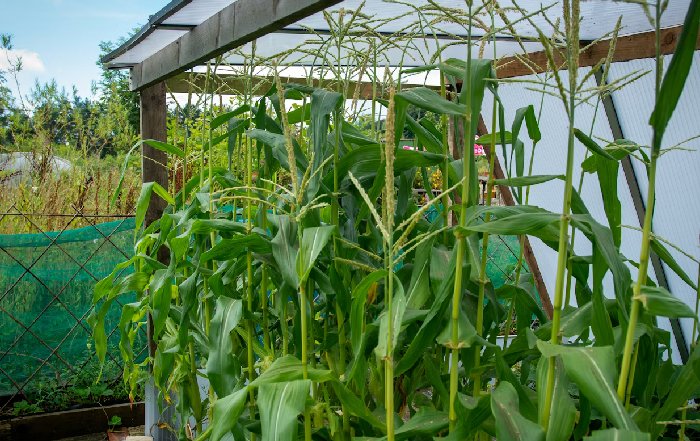

Urban Agriculture and Food Security

Last updated by Editorial team at yousaveourworld.com on Saturday 21 February 2026
Article Image for Urban Agriculture and Food Security

Urban Agriculture and Food Security: How Cities Can Feed a Warming World

Urban Food Systems at a Turning Point

The world has entered a decisive decade in which the resilience of food systems is being tested by accelerating climate change, rapid urbanization and widening social inequality. More than half of the global population now lives in cities, and according to United Nations projections, this share will continue to rise, placing unprecedented pressure on urban infrastructure, land use and food supply chains. Urban agriculture, once regarded as a niche or community-driven activity, has moved to the center of strategic debates about food security, climate resilience and sustainable business models, and it is increasingly recognized as an essential component of the broader transition that platforms such as YouSaveOurWorld.com seek to advance through its focus on sustainable living, responsible consumption and systemic environmental awareness.

As climate-related disruptions affect traditional agricultural regions, from prolonged droughts to extreme heat waves and flooding, the vulnerabilities of long and complex supply chains become more visible. Reports from the Food and Agriculture Organization (FAO) highlight how climate shocks and market volatility are contributing to higher food prices and greater uncertainty for urban consumers, particularly in low-income communities that already spend a large share of their income on food. In this context, the strategic integration of urban agriculture into city planning, business innovation and local governance emerges as a powerful way to shorten supply chains, diversify sources of fresh produce and enhance local control over essential resources, while also creating new opportunities for green employment, circular economy models and healthier lifestyles. Learn more about the broader dynamics of climate change and its impacts on food systems to understand why cities can no longer treat food as a purely external concern.

Defining Urban Agriculture in a 2026 Context

Urban agriculture has evolved significantly from the image of small community gardens and rooftop plots that dominated early discussions. It now encompasses a wide spectrum of practices, technologies and business models, ranging from informal household gardens to highly sophisticated controlled-environment farms that use artificial intelligence and robotics. The World Bank describes urban agriculture as the production, processing and distribution of food within and around urban areas, but in practice, the concept also includes associated services such as composting, logistics, education, agritech development and even data analytics for optimizing yields and resource use.

In many cities, traditional soil-based community gardens still play an important role in providing fresh vegetables, herbs and fruits, but they are now complemented by vertical farms integrated into underused industrial buildings, hydroponic systems installed in basements or parking structures, aquaponic facilities combining fish and plant production, and rooftop greenhouses that serve both commercial and educational purposes. Organizations such as RUAF Global Partnership on Sustainable Urban Agriculture and Food Systems have documented how these diverse models can be combined into coherent urban food strategies that align with broader sustainability goals, including climate mitigation, biodiversity protection and social inclusion. On YouSaveOurWorld.com, readers exploring innovation and technology will increasingly encounter urban agriculture as a living laboratory where digital tools, design thinking and ecological principles converge.

Urban Agriculture as a Pillar of Food Security

Food security, as defined by the World Health Organization, encompasses not only the availability of sufficient food but also access, utilization and stability across time. Urban agriculture contributes to each of these dimensions in distinct ways. By producing food close to consumers, it can increase the overall availability of fresh produce in dense urban neighborhoods, especially in areas that are poorly served by traditional supermarkets and where residents rely on convenience stores with limited and often unhealthy options. Studies by The Lancet and other public health institutions have linked proximity to fresh fruits and vegetables with improved dietary quality and reduced risk of non-communicable diseases such as diabetes and cardiovascular conditions, making urban agriculture a relevant tool not only for food security but also for public health and personal well-being.

Access is enhanced when urban agriculture initiatives are designed with social equity in mind, for example by allocating plots to low-income households, integrating community-supported agriculture schemes or establishing sliding-scale pricing models. Many municipalities now support such initiatives through zoning incentives, grants or public-private partnerships, recognizing that food access is a core dimension of urban resilience. For individuals and families seeking to align their daily choices with sustainable values, integrating local produce from urban farms into everyday meals becomes a practical expression of the principles promoted on YouSaveOurWorld.com, where lifestyle choices are consistently framed as levers for systemic change.

Stability, the fourth dimension of food security, is particularly relevant in 2026 as cities confront supply disruptions linked to extreme weather, geopolitical tensions and energy price volatility. By diversifying the geographic sources of food and embedding some of that production within the urban fabric itself, cities can cushion the impact of external shocks. Research from UN-Habitat and C40 Cities illustrates how urban agriculture can be integrated into broader climate adaptation strategies, complementing measures such as green infrastructure, flood management and heat mitigation. In this sense, urban agriculture is not merely a supplement to rural production but an integral component of resilient urban design and long-term economic planning, themes that resonate with readers interested in business and economy perspectives on sustainability.

Technology, Design and the New Urban Farm

The technological transformation of urban agriculture is one of the most striking developments of the past decade. Advances in LED lighting, sensor technology, data analytics and automation have enabled a new generation of indoor farms that can operate with remarkable efficiency in terms of water use, nutrient management and land footprint. Organizations such as AeroFarms, Plenty and other agritech pioneers have demonstrated that vertical farming can produce leafy greens and herbs with significantly lower water consumption than conventional agriculture, often using closed-loop hydroponic or aeroponic systems that drastically reduce runoff and contamination. Learn more about how controlled-environment agriculture is reshaping sustainable business practices by exploring analyses from the Ellen MacArthur Foundation and similar thought leaders in the circular economy space.

At the same time, the design of urban agriculture spaces is becoming more sophisticated and integrated into the broader urban landscape. Architects and urban planners are collaborating with agronomists and technologists to create buildings that incorporate productive green roofs, façade gardens and shared courtyards that double as food-producing spaces and social hubs. The American Society of Landscape Architects and comparable professional bodies in other regions now regularly feature projects where food production, biodiversity and human well-being are treated as interconnected design objectives rather than separate disciplines. For readers of YouSaveOurWorld.com who are passionate about design and sustainable architecture, urban agriculture provides a tangible arena where aesthetic innovation and ecological function reinforce each other, demonstrating how cities can be both beautiful and productive.

The digital layer is equally important. Data-driven platforms are being used to optimize planting schedules, monitor nutrient levels and predict yields, while mobile applications allow consumers to track the origin of their food and engage directly with local producers. Initiatives supported by MIT Media Lab and other research institutions illustrate how open data, sensors and machine learning can help urban farmers fine-tune their operations, reduce waste and align production with real-time demand. These developments underscore that urban agriculture is not a nostalgic return to pre-industrial practices but a forward-looking field at the intersection of sustainability, technology and innovation.

Waste, Circularity and Plastic in the Urban Food Loop

Urban agriculture is uniquely positioned to address another critical challenge for modern cities: the enormous volumes of organic waste and packaging materials, especially plastics, generated by current food systems. According to UN Environment Programme (UNEP), a significant portion of municipal solid waste is composed of food scraps and other organic materials that often end up in landfills, where they generate methane, a potent greenhouse gas. By creating local demand for compost and nutrient-rich soil amendments, urban farms and gardens can transform these waste streams into valuable inputs, closing nutrient loops and reducing the environmental footprint of cities. Readers interested in the broader issue of waste management will recognize in urban agriculture a practical pathway toward circularity, where what was previously discarded becomes part of a regenerative system.

Plastic packaging, particularly single-use plastics, remains a persistent problem in conventional food supply chains, from production to retail. Urban agriculture, by shortening the distance between producer and consumer, can significantly reduce the need for such packaging, especially when combined with refillable containers, direct sales or community-supported agriculture models. Organizations such as Plastic Pollution Coalition and research published by National Geographic have highlighted how local food systems can contribute to reducing plastic leakage into oceans and waterways, especially when city authorities support alternative distribution models and encourage the use of biodegradable or reusable materials. For those exploring plastic recycling and broader resource efficiency on YouSaveOurWorld.com, the integration of urban agriculture into waste strategies illustrates how environmental challenges are interconnected and how solutions must be designed with systems thinking in mind.

The circular economy perspective also extends to water use, energy recovery and even heat management. Some urban farms are now integrated with anaerobic digestion facilities that convert organic waste into biogas and digestate, providing both renewable energy and fertilizer. Others harness waste heat from data centers or industrial facilities to maintain stable temperatures in greenhouses, improving energy efficiency and reducing operational costs. These models align with frameworks advanced by organizations such as the International Energy Agency (IEA), which emphasize the importance of sector coupling and resource cascading in achieving net-zero emissions. In this sense, urban agriculture becomes not only a provider of food but also a node in a broader network of circular resource flows that support sustainable urban living.

Business Models, Investment and Corporate Responsibility

The expansion of urban agriculture in 2026 is closely tied to evolving business models and investment strategies that recognize the economic potential of localized, sustainable food production. Venture capital firms and impact investors are increasingly funding agritech startups, while established food retailers and logistics companies explore partnerships with urban farms to diversify their supply chains and respond to growing consumer demand for traceable, low-impact products. Reports from McKinsey & Company and Deloitte have documented how sustainability-oriented innovation, including urban agriculture, is reshaping competitive dynamics in the food sector, influencing everything from branding and customer engagement to operational efficiency and risk management. Businesses that once regarded sustainability as a peripheral concern now see it as central to long-term value creation and resilience.

On YouSaveOurWorld.com, the section on sustainable business highlights how corporate strategies are increasingly aligned with environmental, social and governance (ESG) criteria. Urban agriculture fits naturally into this framework, offering companies concrete opportunities to reduce scope 3 emissions, support community development, and demonstrate leadership on climate and health issues. Some corporations are installing rooftop farms on their headquarters to supply on-site cafeterias, thereby reducing food miles and engaging employees in sustainability initiatives, while others are integrating urban agriculture into their corporate social responsibility programs by supporting community gardens in underserved neighborhoods. These actions are not merely symbolic; they contribute to risk reduction by building stronger local relationships, improving brand reputation and enhancing the well-being of employees and nearby residents.

Financial institutions and development banks are also paying attention. The European Investment Bank (EIB) and other multilateral lenders have begun to include urban agriculture projects within broader sustainable infrastructure portfolios, recognizing their potential to deliver co-benefits in terms of climate adaptation, job creation and social inclusion. For investors who follow the analyses of organizations like PRI (Principles for Responsible Investment), urban agriculture offers a way to align capital allocation with global sustainability goals while tapping into growing markets for healthy, locally produced food. This convergence of public and private investment underscores that urban agriculture has moved beyond the experimental phase and is now a strategic component of future-proof urban economies.

Education, Awareness and Community Resilience

Beyond economic and technological dimensions, urban agriculture plays a fundamental role in education and environmental awareness, themes that are central to the mission of YouSaveOurWorld and its focus on environmental awareness and education. School gardens, university research farms and community-led projects create living classrooms where children, students and adults can reconnect with the processes that sustain life, from soil health and pollination to water cycles and biodiversity. Evidence from organizations such as UNESCO and Slow Food International suggests that hands-on food education enhances ecological literacy, encourages healthier eating habits and fosters a sense of stewardship toward local environments.

In many cities, urban agriculture initiatives have become focal points for community engagement, bringing together residents from diverse backgrounds to collaborate on shared projects. This social dimension is particularly important in times of crisis, whether due to climate-related disasters, pandemics or economic shocks. Community gardens and urban farms can function as hubs of mutual support, where knowledge, resources and responsibilities are shared, strengthening social cohesion and resilience. Public health agencies such as the Centers for Disease Control and Prevention (CDC) have increasingly recognized the mental health benefits of nature-based activities, including gardening, which can reduce stress, enhance social connections and contribute to overall personal well-being.

For a global audience engaged with YouSaveOurWorld.com, which addresses sustainability from local and global perspectives, urban agriculture serves as a tangible example of how global challenges can be addressed through local action. It demonstrates that individuals, neighborhoods, schools and businesses all have roles to play in reshaping food systems, and that these efforts, when connected and scaled, can contribute meaningfully to international objectives such as the UN Sustainable Development Goals (SDGs). The stories that emerge from these initiatives-of communities transforming vacant lots into productive spaces, of entrepreneurs building new agritech ventures, of educators integrating gardens into curricula-provide inspiration and practical models for replication across different cultural and economic contexts.

Integrating Urban Agriculture into City and Global Strategies

As the world advances further into the 2020s, the challenge is no longer to prove that urban agriculture has value, but to integrate it systematically into urban planning, climate policy and economic development strategies. City governments, guided by frameworks developed by organizations such as ICLEI - Local Governments for Sustainability, are beginning to embed food systems considerations into zoning codes, resilience plans and transportation policies. This integration requires coordination across departments responsible for land use, water, waste, public health and economic development, as well as meaningful engagement with civil society, academia and the private sector.

For policy-makers and business leaders, the key lies in viewing urban agriculture not as an isolated sector but as a cross-cutting enabler that interacts with housing, mobility, energy and public space. Strategic planning can identify underutilized land and rooftops suitable for food production, incentivize green building standards that include productive landscapes, and support training programs that equip residents with the skills needed to participate in emerging urban agriculture jobs. At the same time, national and international institutions, including OECD and FAO, can provide guidance, data and financing mechanisms to scale successful models, ensuring that urban agriculture contributes to global food security rather than remaining confined to a few pioneering cities.

For the readership of YouSaveOurWorld.com, which spans interests from sustainable business to technology and economy, the story of urban agriculture in 2026 is emblematic of a broader shift toward integrated, systems-based thinking. It illustrates how solutions to climate change, waste, inequality and health can reinforce each other when designed holistically, and how innovation can be both high-tech and community-rooted. As cities continue to grow and climate pressures intensify, the question is not whether urban agriculture will play a role in food security, but how quickly and effectively it can be scaled, governed and connected to other transformative initiatives.

In this evolving landscape, platforms like YouSaveOurWorld.com serve as critical bridges between knowledge and action, curating insights, best practices and real-world examples that empower individuals, businesses and policy-makers to make informed choices. By exploring topics such as sustainable living, waste reduction and innovation through the lens of urban agriculture and food security, the site contributes to a growing global movement that recognizes cities not as passive consumers of distant resources, but as active, regenerative systems capable of nourishing both people and planet.

Learning from Scandinavia's Sustainability Success

Last updated by Editorial team at yousaveourworld.com on Friday 20 February 2026
Article Image for Learning from Scandinavia's Sustainability Success

Learning from Scandinavia's Sustainability Success: A Blueprint for Global Business Transformation

Why Scandinavia Matters to the Future of Business

As climate risk, resource volatility, and social expectations converge into a defining challenge for global commerce, the Scandinavian region has emerged as a living laboratory for sustainable development, demonstrating that environmental responsibility, social equity, and economic competitiveness can reinforce one another rather than exist in tension. For a platform such as YouSaveOurWorld.com, which is dedicated to advancing practical pathways for sustainable living, responsible business, and systemic climate solutions, the Scandinavian experience offers an especially valuable reference point, because it shows how policy, culture, technology, and corporate strategy can be integrated into a coherent sustainability ecosystem that is both ambitious and pragmatic.

Scandinavia, broadly understood here as Sweden, Denmark, Norway, and Finland, has spent decades embedding environmental and social considerations into the core of its economic model, and this long-term orientation is now visible in everything from national climate targets and circular economy legislation to urban design, consumer behavior, and boardroom decision-making. By examining the region's achievements and the mechanisms that support them, business leaders and sustainability professionals can derive insights that are directly applicable to their own organizations, regardless of geography, sector, or size, and can translate these insights into concrete strategies aligned with the mission of YouSaveOurWorld.com to connect global challenges with actionable solutions in business, innovation, technology, and personal behavior.

A Culture of Environmental Awareness and Trust

One of the most distinctive features of the Scandinavian sustainability story is the deep cultural foundation on which it rests, where environmental awareness is not treated as a specialized concern but as a mainstream societal value woven into education, media, and everyday decision-making. From early childhood, students in these countries are exposed to nature-centric curricula, outdoor learning traditions such as friluftsliv in Norway, and practical lessons about ecosystems, recycling, and energy use, which reinforces the idea that the environment is a shared responsibility and an integral part of civic life. Those seeking to understand how culture shapes climate outcomes can explore broader educational perspectives on environmental literacy and civic engagement through organizations such as UNESCO, which highlights the role of education for sustainable development in long-term societal change.

This cultural emphasis on collective responsibility is reinforced by high levels of social trust and confidence in public institutions, which allows Scandinavian governments to implement ambitious climate policies, carbon pricing schemes, and regulatory frameworks with broad public backing. Business leaders operating in these markets therefore encounter consumers and citizens who are not only aware of sustainability issues but also expect companies to demonstrate transparency, accountability, and measurable progress on environmental and social metrics. For readers of YouSaveOurWorld.com who are interested in strengthening environmental awareness in their own communities or organizations, the Scandinavian experience underscores the importance of long-term investment in education, public dialogue, and trustworthy data as preconditions for deep structural change.

Policy Architecture: From Carbon Pricing to Circular Economy

Scandinavian sustainability success is underpinned by robust and coherent policy frameworks that align climate goals with economic incentives, particularly through carbon pricing, renewable energy targets, and circular economy strategies. Sweden introduced a carbon tax as early as 1991, gradually increasing it while maintaining economic growth, thereby offering empirical evidence that decoupling emissions from GDP is possible when fiscal instruments are carefully designed and revenues are used to support competitiveness and social welfare. Detailed overviews of carbon pricing instruments and their global uptake are available through institutions such as the World Bank, which maintains a comprehensive carbon pricing dashboard.

Similarly, Denmark has pursued an aggressive wind energy strategy, becoming a global leader in offshore wind deployment and technology through companies such as Ørsted, which transitioned from a fossil-fuel-based utility to a renewable energy champion. This transition was enabled by stable policy signals, public-private collaboration, and strategic investment in innovation and grid integration, demonstrating how governments can de-risk early-stage technologies and create markets that reward low-carbon solutions. Businesses seeking to understand the investment implications of such transitions can turn to organizations like the International Energy Agency, which provides detailed analysis of clean energy investment trends and sectoral pathways.

Across Scandinavia, circular economy principles are increasingly embedded in legislation and corporate practice, with extended producer responsibility schemes for packaging, electronics, and automotive components, as well as ambitious waste reduction and recycling targets. These policies are aligned with broader European initiatives, and they directly support the kind of systems thinking promoted on YouSaveOurWorld.com, particularly in areas such as waste management, plastic recycling, and sustainable product design. Companies operating in these jurisdictions are therefore incentivized not only to reduce their environmental footprint but also to innovate in product life-cycle management, materials science, and service-based business models that extend product longevity and enable reuse and repair.

Corporate Leadership and Sustainable Business Models

Scandinavian companies have become synonymous with sustainability leadership, not simply because they publish detailed ESG reports, but because many of them integrate environmental and social considerations into core strategy, governance, and innovation processes. Global brands such as IKEA, H&M Group, Novo Nordisk, Vestas, and Nokia have each, in their own way, sought to align growth with climate responsibility, ethical supply chains, and stakeholder engagement, thereby setting benchmarks for peers across multiple industries. For businesses exploring how to embed sustainability at a strategic level, resources from institutions such as the World Business Council for Sustainable Development provide frameworks to learn more about sustainable business practices.

Many Scandinavian firms have adopted science-based climate targets, joined global initiatives such as the UN Global Compact, and integrated the Task Force on Climate-related Financial Disclosures (TCFD) recommendations into their risk management and reporting, which helps investors and stakeholders understand how climate risks and opportunities are being managed. These practices align with the type of guidance that YouSaveOurWorld.com seeks to amplify in its sustainable business and economy content, as they demonstrate that rigorous governance, clear metrics, and credible transition plans are now indispensable components of corporate competitiveness.

In addition, Scandinavian businesses have been at the forefront of circular and regenerative business models, experimenting with product-as-a-service offerings, leasing models, and repair and refurbishment programs, particularly in sectors such as furniture, fashion, and electronics. By shifting from a purely transactional approach to one that emphasizes long-term customer relationships, resource efficiency, and lifecycle value, these companies are redefining what profitable growth looks like in a resource-constrained world. Organizations such as the Ellen MacArthur Foundation provide further insight into how circular economy models can be scaled globally and how companies can explore circular business innovation that aligns with emerging regulatory and consumer expectations.

Urban Design, Mobility, and Sustainable Lifestyles

Scandinavian cities such as Copenhagen, Stockholm, Oslo, and Helsinki have become reference points for sustainable urban planning, demonstrating how infrastructure, mobility systems, and public spaces can be designed to reduce emissions, enhance quality of life, and encourage healthier lifestyles. High-density, mixed-use neighborhoods with extensive public transport networks, cycling infrastructure, and pedestrian-friendly streets have made low-carbon mobility the default choice for many residents, while congestion charges, low-emission zones, and parking policies further nudge behavior toward sustainable options. Urban practitioners and policymakers can deepen their understanding of these approaches through organizations like C40 Cities, which showcases leading climate actions in cities worldwide.

These urban environments also support the type of integrated lifestyle choices that YouSaveOurWorld.com promotes, where sustainable living is not framed as a sacrifice but as a pathway to improved well-being, social connection, and economic opportunity. Access to green spaces, clean air, and efficient public services, combined with strong social safety nets and inclusive planning processes, contributes to the high levels of life satisfaction and trust often associated with Scandinavian societies. Research from organizations such as the OECD provides comparative data on well-being, environmental quality, and social outcomes that can help businesses and policymakers understand how environmental and social indicators interact with economic performance.

The Scandinavian approach to sustainable lifestyles also extends into building codes, energy efficiency standards, and district heating systems, which reduce household emissions and energy costs while promoting comfort and resilience. Architects and developers in the region have pioneered low-energy and net-zero building concepts, timber construction, and integrated design methodologies that consider the entire lifecycle of materials and structures. These developments resonate strongly with the design and innovation themes explored on YouSaveOurWorld.com, especially for readers interested in the intersection of technology, architecture, and climate resilience.

Plastic Recycling, Waste Management, and the Circular Mindset

One of the most tangible manifestations of Scandinavian sustainability in everyday life is the efficiency and sophistication of its waste management and recycling systems, particularly in relation to plastics and packaging. Deposit-return schemes for beverage containers, which have been in place for decades in countries such as Norway and Sweden, achieve some of the highest collection and recycling rates in the world, demonstrating how well-designed economic incentives and convenient infrastructure can dramatically reduce litter and resource loss. Global observers interested in these mechanisms can consult organizations such as The Recycling Partnership, which shares insights on effective recycling systems and policy tools.

Beyond deposit systems, Scandinavian municipalities and waste companies have invested heavily in source separation, material recovery facilities, and advanced sorting technologies that enable high-quality recycling streams, as well as in waste-to-energy plants that manage residual waste under stringent emissions controls. These systems are continually evolving to align with circular economy principles, with a growing emphasis on waste prevention, reuse, and the redesign of packaging and products to minimize complexity and facilitate recyclability. For readers of YouSaveOurWorld.com who are particularly focused on plastic recycling and broader waste challenges, the Scandinavian example underscores that technology must be combined with policy, public engagement, and producer responsibility to achieve systemic impact.

At the corporate level, many Scandinavian brands have begun to phase out problematic plastics, experiment with bio-based or recycled materials, and collaborate across value chains to standardize packaging formats and labeling. These initiatives are supported by EU regulations and voluntary commitments such as the New Plastics Economy Global Commitment, coordinated by the Ellen MacArthur Foundation, which outlines pathways to eliminate, innovate, and circulate plastics. The Scandinavian experience shows that when businesses, regulators, and consumers align around a shared circular vision, it becomes possible to move beyond incremental recycling improvements toward more fundamental shifts in how products are designed, consumed, and recovered.

Innovation, Technology, and the Green Startup Ecosystem

Scandinavia's sustainability achievements are not only the result of policy and culture but also of a vibrant innovation ecosystem that nurtures clean technologies, digital solutions, and new business models. The region has produced a growing number of climate-tech and impact-driven startups working on areas such as renewable energy integration, battery storage, carbon capture, sustainable materials, and data platforms for emissions tracking and supply chain transparency. Investors and entrepreneurs can explore broader climate-tech trends and financing opportunities through organizations such as Cleantech Group, which provides analysis on global cleantech innovation and investment.

In cities like Stockholm and Copenhagen, incubators and accelerators are specifically dedicated to sustainability-focused ventures, often supported by public funding, corporate partnerships, and university research, which creates a pipeline of solutions that can scale across Europe and beyond. This ecosystem approach mirrors the holistic perspective advocated by YouSaveOurWorld.com, where innovation and technology are viewed not as ends in themselves, but as enablers of systemic decarbonization, resource efficiency, and social resilience.

Moreover, Scandinavian governments and companies have embraced digitalization as a core enabler of the green transition, using advanced data analytics, Internet of Things (IoT) devices, and artificial intelligence to optimize energy use, manage smart grids, improve logistics, and monitor environmental impacts in real time. Organizations such as the World Economic Forum have documented how digital technologies can accelerate net-zero transitions and industrial decarbonization, and many Scandinavian case studies feature prominently in these analyses. For businesses around the world, this demonstrates that the path to sustainability is increasingly intertwined with digital transformation strategies and that investing in data capabilities and interoperable platforms is becoming a prerequisite for credible climate action.

Climate Change, Resilience, and Global Responsibility

Scandinavian countries are acutely aware that, despite their progress, they are not insulated from the impacts of climate change, including shifting precipitation patterns, increased flooding, and risks to biodiversity and infrastructure, which has led to a growing emphasis on adaptation and resilience alongside mitigation. National and municipal strategies now incorporate climate risk assessments, nature-based solutions, and resilience planning into infrastructure investments, coastal management, and land-use decisions. Organizations such as the IPCC provide scientific assessments that underpin these strategies, and their reports on climate impacts, adaptation, and vulnerability are widely referenced by Scandinavian policymakers and businesses alike.

At the same time, there is an explicit recognition that Scandinavian countries, despite their relatively small populations, have historically contributed disproportionately to global emissions through industrialization and consumption patterns, and therefore bear a responsibility to lead in international climate diplomacy, finance, and technology transfer. This sense of global responsibility aligns with the mission of YouSaveOurWorld.com to foster a global perspective on climate change, highlighting that sustainability leadership is not only about domestic performance but also about supporting just transitions in emerging and developing economies.

Scandinavian development agencies and financial institutions have increasingly directed capital toward green infrastructure, renewable energy, and climate resilience projects in partner countries, often in collaboration with multilateral bodies such as the Green Climate Fund, which supports climate projects in vulnerable regions. By combining domestic decarbonization with international support, the region contributes to a broader reconfiguration of the global economy toward low-carbon pathways, illustrating the type of multi-level engagement that companies and investors can emulate through their own value chains and partnerships.

Human Well-Being, Work, and the Social Dimension of Sustainability

A crucial lesson from Scandinavia is that environmental progress is most durable when it is integrated with social equity, labor rights, and personal well-being, rather than pursued in isolation. Strong social welfare systems, active labor market policies, and inclusive social dialogue have helped these countries manage transitions in energy, industry, and agriculture while maintaining relatively low levels of inequality and high levels of social cohesion. Organizations such as the International Labour Organization provide guidance on just transition frameworks that balance environmental imperatives with decent work and social protection, echoing practices common in the Scandinavian context.

For individuals, this integrated approach means that sustainable living is closely connected to personal well-being, work-life balance, and mental health, as policies on parental leave, flexible work, and public health interact with environmental quality and access to nature. The Scandinavian experience suggests that when people feel secure and supported, they are more likely to embrace change, adopt new behaviors, and participate constructively in societal transformations, which has direct implications for companies seeking to engage employees in sustainability initiatives. The World Health Organization has increasingly highlighted the links between environment, health, and well-being, reinforcing the idea that climate action can be framed not only as risk mitigation but also as a pathway to healthier, more fulfilling lives.

For a platform like YouSaveOurWorld.com, which connects environmental topics with lifestyle, education, and well-being, the Scandinavian model provides a powerful narrative: sustainability is not merely a technical or regulatory agenda, but a comprehensive rethinking of how societies define prosperity, security, and quality of life, where businesses play a central role in shaping both environmental and social outcomes.

Translating Scandinavian Lessons into Global Business Practice

While the Scandinavian context is shaped by specific historical, cultural, and institutional factors, many of its sustainability lessons can be adapted and applied in other regions and sectors, particularly by businesses that are ready to move beyond incremental improvements toward transformative change. The first lesson is the importance of integrating sustainability into the core of business strategy, governance, and innovation, rather than treating it as a peripheral or compliance-driven function, which means setting science-based targets, aligning capital allocation with climate and circular economy goals, and embedding environmental and social metrics into performance management. Readers can explore practical frameworks for this integration through resources from CDP, which offers tools and guidance on measuring and managing environmental impacts.

The second lesson is the value of partnership across sectors and borders, as demonstrated by Scandinavian collaborations between government, business, academia, and civil society in areas ranging from energy transition to urban design and education. For organizations engaging with YouSaveOurWorld.com, this underscores the potential of cross-sectoral initiatives that connect corporate innovation with community needs, policy advocacy, and educational programs, leveraging the platform's content on education, sustainable living, and business to build shared understanding and coordinated action.

The third lesson is that trust, transparency, and data are indispensable foundations for credible sustainability efforts, as seen in the Scandinavian emphasis on rigorous reporting, open data, and evidence-based policymaking. Businesses that wish to emulate this approach should invest in robust data systems, third-party verification, and clear communication with stakeholders, aligning their disclosures with emerging global standards and frameworks. Platforms such as YouSaveOurWorld.com, and its broader home, can help translate these often technical developments into accessible narratives and guidance for practitioners, consumers, and students alike.

Ultimately, learning from Scandinavia's sustainability success is not about replicating a single model, but about internalizing a mindset that sees environmental responsibility, social well-being, and economic prosperity as mutually reinforcing objectives. By drawing on Scandinavian examples and adapting them to local realities, businesses, policymakers, and individuals can accelerate the transition toward resilient, low-carbon, and inclusive societies, turning the insights shared on YouSaveOurWorld.com into tangible actions that genuinely help to save our world.

Mindful Technology Use for a Healthier Planet

Last updated by Editorial team at yousaveourworld.com on Wednesday 18 February 2026
Article Image for Mindful Technology Use for a Healthier Planet

Mindful Technology Use for a Healthier Planet

Mindful Technology in an Age of Planetary Limits

Digital technology has become inseparable from modern life and business, yet the environmental cost of this transformation is only beginning to be fully understood. Data centers, cloud services, artificial intelligence, blockchain networks, and billions of connected devices now consume an estimated share of global electricity comparable to that of many large industrial sectors, while the production, use, and disposal of electronics generate growing streams of waste, resource depletion, and emissions. At the same time, technology remains indispensable for solving complex sustainability challenges, from climate modeling to smart grids and low-carbon logistics. This paradox defines the central question explored on YouSaveOurWorld.com: how can organizations and individuals practice mindful technology use that supports a healthier planet rather than undermines it?

Mindful technology use does not imply rejecting innovation or retreating from digital transformation; instead it calls for deliberate, evidence-based choices about how technologies are designed, deployed, and governed, so that their environmental and social benefits clearly outweigh their costs. By integrating principles of sustainable living, responsible business strategy, climate action, and personal well-being, YouSaveOurWorld.com positions mindful technology as a bridge between digital progress and planetary boundaries. Readers who are already engaged with topics such as sustainable living, climate change, and innovation will recognize that technology is no longer a neutral backdrop; it is a decisive lever that can either accelerate or slow the transition to a low-carbon, circular economy.

The Hidden Environmental Footprint of the Digital World

The perception that digital services are "weightless" or "clean" has long obscured their material reality. Behind every message, video stream, and cloud-based transaction stands a vast physical infrastructure of data centers, transmission networks, and devices, all of which consume energy and resources throughout their life cycle. Organizations such as International Energy Agency (IEA) and International Telecommunication Union (ITU) have highlighted how the growth of data traffic, artificial intelligence workloads, and connected devices is reshaping global electricity demand and raising concerns about grid stability and emissions. Readers who wish to understand these trends in more depth can explore current analyses of global data center energy use, which show that while efficiency improvements have moderated growth, absolute consumption continues to rise as digital services expand.

Beyond operational energy use, the production of smartphones, laptops, servers, and network equipment requires significant quantities of metals, minerals, plastics, and water, often sourced through supply chains that pose environmental and human-rights risks. Research summarized by organizations like United Nations Environment Programme (UNEP) reveals that resource extraction is responsible for a large share of global biodiversity loss and water stress, while also contributing to greenhouse gas emissions. Those interested in the broader context of resource use can learn more about sustainable resource management and consider how purchasing decisions, product design, and procurement policies can reduce upstream impacts.

At the end of life, electronic waste has become one of the world's fastest-growing waste streams, with millions of tonnes of discarded devices generated every year and only a fraction officially documented as properly recycled. The Global E-waste Monitor produced by the United Nations University and partners documents how valuable materials such as gold, copper, and rare earth elements are often lost, while informal recycling can expose workers and communities to hazardous substances. To better understand how digital consumption patterns intersect with broader waste challenges, readers can connect this issue with the site's focus on waste and circularity, recognizing that mindful technology use is inseparable from responsible end-of-life management and robust recycling infrastructures.

From Digital Overconsumption to Mindful Use

The environmental footprint of technology is not only a matter of infrastructure and hardware; it is also shaped by patterns of use. Always-on streaming, automatic cloud backups, high-resolution video by default, and frequent device upgrades all contribute to a culture of digital overconsumption that mirrors unsustainable patterns in other areas of the economy. Mindful technology use invites individuals, households, and organizations to question whether all digital activities are necessary, value-adding, and aligned with long-term well-being, or whether some are driven by habit, convenience, or marketing rather than genuine need.

For individuals, this reflection connects directly to themes of lifestyle and personal well-being that are central to YouSaveOurWorld.com. Numerous studies compiled by institutions such as Harvard T.H. Chan School of Public Health and World Health Organization (WHO) indicate that excessive screen time, constant notifications, and digital multitasking can undermine mental health, sleep quality, and productivity, while also encouraging energy-intensive behaviors like late-night streaming and device charging. Those interested in the health dimension can explore evidence-based resources on digital health and well-being to better understand the intersections between psychological resilience and sustainable digital habits.

In the corporate context, mindful use translates into governance frameworks that align digital investments with environmental, social, and governance (ESG) objectives, rather than treating technology strategy as isolated from sustainability commitments. Leading organizations, including World Business Council for Sustainable Development (WBCSD) and World Economic Forum (WEF), have published guidance on integrating digital innovation with climate and resource goals, highlighting that efficiency gains from digital tools can be offset by rebound effects if they simply enable more consumption. Executives exploring how to embed these principles into their operations may find it useful to learn more about sustainable business practices and consider how digital tools can be evaluated through a life-cycle and systems lens, rather than focusing solely on immediate cost savings or convenience.

Technology as an Enabler of Climate and Sustainability Solutions

Despite these challenges, technology remains a powerful enabler of climate mitigation, adaptation, and broader sustainability solutions. The key is to ensure that digital innovation is purpose-driven and aligned with measurable environmental outcomes, a perspective that is central to the editorial mission of YouSaveOurWorld.com. In the field of climate science, high-performance computing and advanced modeling tools supported by organizations such as NASA, NOAA, and the Intergovernmental Panel on Climate Change (IPCC) have dramatically improved understanding of atmospheric dynamics, extreme weather risks, and long-term climate trajectories. Readers can explore authoritative climate science resources to appreciate how data-intensive research underpins evidence-based policy and corporate risk management.

In energy systems, smart grids, digital demand response, and advanced analytics enable more efficient integration of renewable sources such as wind and solar, reducing curtailment and improving grid stability. Companies and research institutions working with International Renewable Energy Agency (IRENA) and Rocky Mountain Institute (RMI) are demonstrating how digital control systems, predictive maintenance, and data-driven forecasting can reduce emissions and system costs simultaneously. Those seeking to understand the business implications of digital energy solutions can consult resources that discuss the economics of clean energy transitions and relate them to their own organizational strategies.

In cities, the concept of smart urbanism has evolved from a narrow focus on connectivity and efficiency to a broader emphasis on resilience, equity, and environmental quality. Digital twins, sensor networks, and geospatial analytics help planners optimize public transport, manage water systems, monitor air quality, and design low-carbon buildings. Institutions such as C40 Cities and World Resources Institute (WRI) provide case studies showing how data-driven urban planning can reduce emissions while improving quality of life. Readers interested in the design dimension can align these insights with the site's focus on sustainable design and innovation, recognizing that the most successful smart city projects integrate community engagement, inclusive governance, and transparent data practices.

Circularity, Plastic, and Digital Responsibility

Mindful technology use also intersects with material circularity, particularly in relation to plastics and packaging used in devices and logistics. The production and disposal of plastic components in electronics, as well as the packaging that accompanies them, contribute to global plastic pollution and resource depletion. Organizations like Ellen MacArthur Foundation and OECD emphasize that a circular economy for plastics requires redesign, reuse, and high-quality recycling, supported by digital traceability and data-driven policy. Those wanting to understand how circularity principles apply to both consumer behavior and corporate strategy can learn more about plastic recycling and circular systems and explore how digital tools such as material passports and blockchain-based tracking can support transparency in supply chains.

Digital platforms can also support better waste management by enabling sharing, repair, and refurbishment marketplaces, which extend the life of electronic devices and reduce the need for virgin materials. Initiatives inspired by the Right to Repair movement, supported by organizations such as iFixit and various consumer advocacy groups, demonstrate how access to repair information and spare parts can empower users to maintain devices longer, reducing e-waste volumes. Policy developments in the European Union, including ecodesign requirements and extended producer responsibility, show how regulation can accelerate this transition, and interested readers can follow these developments via European Commission sustainability policy resources.

For businesses, embracing circularity in technology products and services can become a source of competitive advantage, brand differentiation, and risk mitigation. Corporate leaders increasingly recognize that take-back programs, certified refurbishment, and modular product design can reduce exposure to volatile commodity prices, supply chain disruptions, and reputational risks associated with poor waste management. On YouSaveOurWorld.com, these themes resonate with the broader emphasis on business strategy for a sustainable economy, where digital responsibility is treated as an integral component of long-term value creation rather than a peripheral compliance issue.

Governance, Standards, and Global Collaboration

As technology's environmental footprint and societal impact grow, governance frameworks and standards become crucial tools for ensuring that digitalization supports a healthier planet. International organizations, regulators, and industry consortia are gradually defining metrics, disclosure requirements, and best practices for digital sustainability, but the landscape remains complex and evolving. The Global Reporting Initiative (GRI), Sustainability Accounting Standards Board (SASB) (now part of Value Reporting Foundation under IFRS Foundation), and Task Force on Climate-related Financial Disclosures (TCFD) have all contributed to the integration of climate and resource considerations into corporate reporting, and newer initiatives are beginning to address the specific impacts of data centers, artificial intelligence, and digital supply chains. Those interested in the technical details of sustainability reporting can explore global sustainability standards and consider how digital metrics fit within broader ESG frameworks.

At a policy level, national and regional governments are experimenting with regulations that encourage energy-efficient data centers, renewable-powered cloud services, and responsible e-waste management. The European Green Deal, for example, includes ambitions for climate-neutral data centers and promotes digital solutions that support decarbonization in other sectors. Other regions, including parts of Asia and North America, are exploring similar pathways, often in collaboration with industry associations and civil society organizations. For a global overview of these trends, readers can learn more about international climate and digital policy and relate them to the global perspective emphasized on YouSaveOurWorld.com and its global sustainability insights.

Industry-led initiatives also play a crucial role. The Climate Neutral Data Centre Pact, supported by major cloud and colocation providers, sets voluntary targets for energy efficiency, renewable energy use, and water stewardship. Similarly, alliances focused on sustainable semiconductors, green software, and responsible AI seek to reduce the environmental intensity of core digital technologies. While voluntary commitments are not a substitute for robust regulation, they can accelerate innovation and establish benchmarks that later inform formal standards. Businesses exploring these initiatives should align them with internal governance structures, ensuring that sustainability teams, IT departments, and executive leadership share responsibility for digital environmental performance.

Innovation, Technology, and the Sustainable Economy

Mindful technology use is not only about constraint; it is also about directing innovation toward solutions that support a just, low-carbon transition. As economies evolve in response to climate risks, resource constraints, and shifting consumer expectations, digital technologies can enable new business models that are more service-oriented, collaborative, and resource-efficient. The growth of product-as-a-service models, sharing platforms, and digital twins for industrial optimization demonstrates how data and connectivity can decouple value creation from material throughput when designed thoughtfully. Those interested in the economic dimension of this transformation can explore how technology interacts with the sustainable economy, recognizing that digitalization and decarbonization are increasingly intertwined.

Innovation ecosystems that integrate environmental science, engineering, design, and social research are particularly well positioned to deliver technologies that are both effective and responsible. Universities, research institutes, and startups collaborating with organizations such as MIT Climate and Sustainability Consortium, Stanford Woods Institute for the Environment, and Fraunhofer Institutes are developing solutions ranging from low-energy AI algorithms to biodegradable electronics and advanced recycling processes. Readers can learn more about cutting-edge sustainability research to understand how interdisciplinary innovation is reshaping the boundaries of what is possible in sustainable technology design.

For YouSaveOurWorld.com, the intersection of technology and innovation is approached through a pragmatic lens that emphasizes real-world applicability, scalability, and alignment with planetary boundaries. The platform's perspective is that not all innovation is inherently beneficial; rather, the value of new technologies must be judged by their capacity to reduce emissions, protect ecosystems, enhance resilience, and support equitable access to opportunities. This stance reinforces the importance of experience, expertise, authoritativeness, and trustworthiness in evaluating digital solutions, avoiding both uncritical enthusiasm and blanket skepticism.

Education, Awareness, and Cultural Change

Achieving mindful technology use at scale requires more than technical fixes and corporate policies; it demands cultural change supported by education, public awareness, and community engagement. Many users remain unaware of the environmental implications of their digital habits, and even sustainability professionals may not fully grasp the nuances of digital footprints, from embodied carbon in devices to the energy mix powering cloud services. Educational institutions, from primary schools to universities, are beginning to integrate digital sustainability into curricula, often drawing on resources from organizations such as UNESCO and OECD that emphasize the role of education in advancing the Sustainable Development Goals. Those interested in the pedagogical dimension can explore global education initiatives for sustainable development and consider how digital literacy can be expanded to include environmental and ethical dimensions.

Public awareness campaigns, media coverage, and community initiatives also shape norms around technology use. When citizens understand that streaming in standard definition on small screens can significantly reduce data traffic without compromising experience, or that extending device lifetimes by even a year can substantially lower emissions, behavior can shift quickly. Platforms like YouSaveOurWorld.com, with its emphasis on environmental awareness and accessible analysis, play a vital role in translating complex technical information into actionable insights for both individuals and organizations.

Within companies, internal training and change-management programs can help employees understand how their digital behaviors-from email practices to file storage and virtual meeting habits-affect the organization's environmental performance. When combined with clear leadership signals, transparent metrics, and aligned incentives, these efforts can foster a culture in which mindful technology use is seen not as an inconvenience but as an expression of professional responsibility and corporate purpose.

Integrating Mindful Technology into Daily Life and Business Strategy

For our readers, the practical challenge is to translate the concept of mindful technology use into concrete decisions in daily life and business strategy. On an individual level, this might involve choosing energy-efficient devices, reducing unnecessary upgrades, optimizing settings to minimize data use, and being intentional about screen time in ways that support both environmental goals and personal well-being. On an organizational level, it entails integrating digital sustainability into procurement criteria, cloud and data center strategies, software development practices, and product design processes, ensuring that environmental considerations are embedded from the outset rather than added as an afterthought.

These decisions intersect with many of the site's core themes: they support sustainable living by aligning digital habits with low-carbon lifestyles; they strengthen sustainable business by aligning IT strategy with ESG commitments; they contribute to climate change mitigation and adaptation by reducing emissions and enabling more resilient systems; and they enhance personal well-being by encouraging more balanced, intentional engagement with digital tools.

As the world moves deeper into the digital age, the choices made today about how technology is conceived, governed, and used will significantly influence the trajectory of both the economy and the planet. By foregrounding experience, expertise, authoritativeness, and trustworthiness, YouSaveOurWorld.com aims to support decision-makers, professionals, and engaged citizens in navigating this complex landscape, offering analysis and guidance that connect high-level global trends with everyday actions. Mindful technology use is not a niche concern; it is a foundational pillar of any credible strategy for a healthier planet in 2026 and beyond, and it invites everyone-from software developers and business leaders to educators and consumers-to participate in shaping a digital future that respects and restores the natural systems on which all prosperity depends.

Evolving Landscape of Sustainable Business: Innovations Driving Environmental Progress

Last updated by Editorial team at yousaveourworld.com on Wednesday 18 February 2026
Article Image for Evolving Landscape of Sustainable Business: Innovations Driving Environmental Progress

Evolving Landscape of Sustainable Business: Innovations Driving Environmental Progress

Sustainable Business at a Turning Point

Sustainable business has shifted from a niche concern to a defining force in global markets, reshaping how companies create value, manage risk, and engage with stakeholders across entire value chains. Environmental performance is no longer a peripheral corporate responsibility initiative; it is a core strategic driver influencing capital allocation, supply chain design, product development, and long-term competitiveness. On YouSaveOurWorld.com, this transformation is viewed not as an abstract trend but as an urgent, practical and deeply personal journey that connects boardroom decisions to everyday choices in sustainable living, plastic recycling, and climate-conscious lifestyles.

As regulators, investors, employees, and consumers demand demonstrable progress on climate change, waste reduction, and social impact, the landscape of sustainable business is being defined by innovation, data transparency, and cross-sector collaboration. Advanced technologies, new financial instruments, and circular economy models are converging to support a more resilient and low-carbon global economy. At the same time, organizations are discovering that environmental stewardship and economic performance are increasingly aligned, especially when sustainability is integrated into strategy rather than treated as a compliance obligation. This article explores how the evolving architecture of sustainable business is unfolding, how leading organizations are leveraging innovation to drive environmental progress, and how the insights shared on YouSaveOurWorld.com are helping businesses and individuals navigate this complex transition.

From Compliance to Strategy: The New Business Imperative

The most significant shift in sustainable business over the past decade has been the move from reactive compliance to proactive strategy. Regulatory frameworks such as the European Union's Corporate Sustainability Reporting Directive and emerging climate disclosure rules from the U.S. Securities and Exchange Commission are raising the bar on transparency, compelling companies to report on climate risks, emissions, and social impacts in a more standardized and verifiable manner. Organizations that once approached sustainability as a public relations exercise are now integrating environmental metrics into enterprise risk management, capital expenditure planning, and executive remuneration.

This evolution is reinforced by the increasing sophistication of global investors who rely on frameworks such as those developed by the Task Force on Climate-related Financial Disclosures and the standards of the International Sustainability Standards Board to assess climate risk, resilience and long-term value creation. As a result, sustainability performance is influencing access to capital, cost of borrowing, and valuation multiples. Businesses that embed climate risk analysis into their strategies are better positioned to navigate transition risks, from carbon pricing and evolving regulation to shifting consumer preferences and supply chain disruptions. On YouSaveOurWorld.com, the discussion of sustainable business practices emphasizes this strategic integration, underscoring that sustainability is now a core component of sound business management rather than an optional add-on.

Climate Change as a Strategic and Operational Risk

Climate change is now recognized by major institutions such as the World Economic Forum and World Bank as one of the most significant global risks to economic stability, social cohesion, and long-term prosperity. Rising temperatures, more frequent extreme weather events, and shifting precipitation patterns are disrupting supply chains, damaging infrastructure, and altering resource availability across continents. For businesses, this translates into physical risks to operations, transition risks linked to policy and technology shifts, and reputational risks associated with perceived inaction.

Leading organizations are adopting science-based targets in line with pathways outlined by the Intergovernmental Panel on Climate Change, committing to reduce greenhouse gas emissions in alignment with global efforts to limit warming to 1.5°C. These commitments require detailed decarbonization roadmaps that address direct operational emissions, purchased energy, and value chain emissions, which are often the largest and most challenging to manage. Businesses are also enhancing climate resilience by stress-testing assets and supply networks against multiple climate scenarios, an approach increasingly reflected in the climate-focused content on YouSaveOurWorld.com, including its dedicated focus on climate change and its implications for global business and society.

Circular Economy and Waste: Redesigning Value Chains

One of the most powerful innovations in sustainable business is the transition from linear "take-make-dispose" models to circular economy systems that prioritize durability, reuse, repair, remanufacturing, and recycling. The Ellen MacArthur Foundation has been instrumental in demonstrating how circular design can decouple economic growth from resource consumption and waste generation, providing businesses with frameworks to redesign products and business models for circularity. This approach is particularly relevant in sectors such as electronics, textiles, packaging, and construction, where material intensity and waste volumes are high.

Plastic waste has emerged as a defining circular economy challenge and opportunity. Global initiatives supported by organizations such as the UN Environment Programme are driving efforts to reduce single-use plastics, improve waste management infrastructure, and promote extended producer responsibility schemes. Businesses are experimenting with reusable packaging systems, advanced mechanical and chemical recycling technologies, and bio-based alternatives that can reduce dependency on fossil-fuel-derived plastics. On YouSaveOurWorld.com, the focus on plastic recycling and waste highlights practical strategies for companies and communities seeking to minimize environmental impact while recovering value from materials that were previously discarded.

Technological Innovation: Data, AI, and Clean Energy

Technological innovation is at the heart of the evolving sustainable business landscape, enabling more precise measurement of environmental impacts, more efficient use of resources, and faster scaling of low-carbon solutions. Digital tools such as the Greenhouse Gas Protocol-aligned accounting platforms, Internet of Things sensors, and satellite-based monitoring are helping companies track emissions, water use, and land-use change across complex global operations. Artificial intelligence and machine learning are being deployed to optimize energy use in buildings, predict equipment failures, and design more efficient logistics networks, thereby reducing emissions and operational costs simultaneously.

In parallel, clean energy technologies have advanced dramatically. The rapid cost declines in solar and wind power, documented by agencies such as the International Renewable Energy Agency, have made renewable energy increasingly competitive with fossil fuels in many markets, while innovations in battery storage and grid management are improving the reliability and flexibility of electricity systems. Corporations are signing long-term power purchase agreements and investing directly in renewable projects, further accelerating the energy transition. On YouSaveOurWorld.com, the intersection of technology, innovation, and sustainability is explored as a critical driver of both environmental progress and business resilience, illustrating how digital and clean energy solutions are reshaping corporate strategies.

Sustainable Design and Product Innovation

Design has emerged as a powerful lever for sustainability, influencing the environmental footprint of products and services throughout their life cycles. From material selection and manufacturing processes to distribution, use, and end-of-life management, design decisions determine energy consumption, emissions, durability, and recyclability. Organizations such as Cradle to Cradle Products Innovation Institute and thought leaders in regenerative design are promoting frameworks that encourage designers and engineers to consider circularity, toxicity, and resource efficiency from the earliest stages of product development.

Businesses are increasingly embracing eco-design principles, using tools such as life cycle assessment to compare environmental impacts of different design choices and to prioritize improvements. This shift is visible in sectors ranging from consumer electronics to furniture and building materials, where companies are introducing modular, repairable, and upgradable products that extend useful life and reduce waste. For readers of YouSaveOurWorld.com, the connection between design, sustainability, and innovation is central to understanding how seemingly technical decisions in product development can have far-reaching implications for climate, resource use, and consumer behavior.

Sustainable Finance and the Green Economy

The financial sector has become a powerful catalyst for sustainable business transformation, channeling capital toward low-carbon infrastructure, clean technologies, and socially responsible enterprises. Green bonds, sustainability-linked loans, and impact investing strategies are growing rapidly, supported by guidelines from organizations such as the International Capital Market Association and data from providers that specialize in environmental, social, and governance analysis. These instruments align financing conditions with sustainability performance, rewarding companies that achieve measurable improvements in emissions, energy efficiency, and social outcomes.

Central banks and financial regulators, including members of the Network for Greening the Financial System, are examining how climate risks could affect financial stability and are encouraging greater integration of climate considerations into risk management and disclosure practices. This evolving financial architecture is helping to mainstream sustainability in corporate decision-making, as access to capital increasingly depends on credible environmental strategies and transparent reporting. On YouSaveOurWorld.com, the broader economy is analyzed through the lens of this green transition, emphasizing how financial innovation can accelerate environmental progress while supporting long-term economic resilience.

Global Collaboration and Policy Frameworks

Sustainable business does not operate in isolation from global policy frameworks and multilateral efforts. The Paris Agreement, the UN Sustainable Development Goals, and biodiversity commitments under conventions such as the Convention on Biological Diversity provide overarching objectives that guide national policies and corporate strategies alike. As countries update their nationally determined contributions and implement climate and biodiversity policies, businesses are required to adapt to evolving regulatory landscapes, carbon pricing mechanisms, and environmental standards.

International organizations such as the Organisation for Economic Co-operation and Development and International Energy Agency provide analysis and guidance on policy design, technology pathways, and sectoral decarbonization, helping businesses understand the broader context in which they operate. For a global audience, including readers of the global section of YouSaveOurWorld.com, these frameworks underscore that sustainable business is inherently international, shaped by cross-border supply chains, global markets, and shared environmental challenges that demand coordinated responses.

Corporate Culture, Education, and Environmental Awareness

Behind every sustainable business transformation lies a cultural shift that requires new skills, mindsets, and forms of collaboration. Environmental awareness is no longer confined to specialized sustainability teams; it is becoming a core competency across functions such as finance, procurement, operations, marketing, and product development. Companies are investing in training programs, partnerships with academic institutions, and internal knowledge platforms to build sustainability literacy and empower employees to contribute to environmental goals in their daily work.

Educational institutions and platforms, including leading universities and open learning initiatives such as Coursera, are expanding their offerings in sustainability, climate science, and green innovation, enabling professionals at all levels to deepen their expertise. This emphasis on education and awareness aligns closely with the mission of YouSaveOurWorld.com, whose environmental awareness and education content aims to bridge the gap between high-level policy and corporate strategy on the one hand, and practical knowledge for individuals and communities on the other. By fostering informed, engaged stakeholders, businesses can build internal momentum for change and strengthen their social license to operate.

Lifestyle, Consumer Behavior, and Personal Well-Being

The evolution of sustainable business is deeply intertwined with changes in consumer behavior and lifestyle choices. As awareness of climate risks, biodiversity loss, and pollution grows, individuals are increasingly seeking products and services that align with their values, from low-carbon mobility and plant-based diets to energy-efficient homes and ethically sourced materials. This shift is reinforced by research from organizations such as the World Resources Institute, which highlights the environmental benefits of more sustainable consumption patterns and the role of demand-side changes in achieving climate targets.

Businesses are responding by offering more sustainable options, improving transparency through labeling and certifications, and engaging consumers in initiatives such as take-back schemes, repair services, and sharing platforms. At the same time, there is a growing recognition that sustainability is closely linked to personal well-being, as cleaner air, healthier diets, and access to green spaces contribute to physical and mental health. On YouSaveOurWorld.com, the focus on lifestyle and personal well-being underscores that environmental progress is not only about reducing harm but also about enhancing quality of life, creating a positive narrative that can motivate sustained engagement from consumers and employees alike.

Integrating Sustainability into Core Business Strategy

For sustainable business to drive lasting environmental progress, it must be integrated into the core of corporate strategy rather than treated as a peripheral initiative. This integration involves aligning sustainability goals with business objectives, embedding environmental metrics into performance management systems, and ensuring that sustainability considerations inform decisions about product portfolios, capital investments, mergers and acquisitions, and market expansion. Leading companies are establishing cross-functional governance structures, engaging boards of directors on climate and sustainability issues, and linking executive compensation to measurable environmental outcomes.

This strategic integration also requires a nuanced understanding of trade-offs and synergies. Businesses must evaluate how sustainability initiatives affect cost structures, revenue opportunities, brand equity, and risk profiles, and they must communicate these dynamics clearly to investors, employees, and other stakeholders. On YouSaveOurWorld.com, the business section emphasizes practical frameworks and case-based insights that help organizations translate high-level sustainability ambitions into actionable strategies, reinforcing the message that environmental responsibility and commercial success are increasingly interdependent.

The Role of Innovation Ecosystems and Partnerships

No single company can address the full spectrum of environmental challenges alone, especially when those challenges span entire sectors and value chains. Innovation ecosystems that bring together corporations, startups, research institutions, non-governmental organizations, and policymakers are becoming essential to accelerate the development and deployment of sustainable solutions. Climate tech accelerators, industry coalitions, and pre-competitive collaborations are helping to reduce the costs and risks associated with pioneering new technologies and business models.

Organizations such as Climate-KIC in Europe and various national innovation agencies are supporting experimentation and scaling of solutions ranging from low-carbon materials to nature-based climate solutions. Businesses are also partnering with cities and regional governments to pilot sustainable mobility systems, energy-efficient buildings, and circular economy initiatives that can later be replicated at scale. The emphasis on innovation and technology on YouSaveOurWorld.com reflects this collaborative reality, highlighting that meaningful environmental progress requires open, cross-sector networks rather than isolated efforts.

Looking Ahead: Building a Credible, Trusted Sustainable Future

As the world moves deeper into the 2020s, the credibility and trustworthiness of corporate sustainability efforts are under intense scrutiny. Stakeholders are increasingly alert to the risks of greenwashing and demand robust data, independent verification, and clear evidence of impact. Standards bodies, assurance providers, and regulators are responding by tightening expectations around disclosure, verification, and the use of environmental claims in marketing and investor communications. Businesses that demonstrate genuine experience, expertise, and authoritativeness in sustainability are better placed to earn stakeholder trust and to influence the broader direction of industry and policy.

For YouSaveOurWorld.com, this evolving landscape reinforces the importance of grounded, practical, and forward-looking analysis that connects high-level trends to concrete actions that organizations and individuals can take. Whether exploring the complexities of sustainable business, the urgency of climate change, or the daily practices of sustainable living, the platform is committed to supporting a global audience of leaders, professionals, and citizens who recognize that environmental progress is both a business necessity and a moral imperative. In this sense, the evolving landscape of sustainable business is not merely a story of new technologies and regulations; it is a story of collective responsibility, shared opportunity, and the possibility of building an economy that respects planetary boundaries while enhancing human well-being for generations to come.

Simple Actions That Support a Sustainable Future

Last updated by Editorial team at yousaveourworld.com on Friday 23 January 2026
Article Image for Simple Actions That Support a Sustainable Future

Simple Actions That Support a Sustainable Future in 2026

From Urgency to Execution: Why Simple Actions Matter Now

By 2026, sustainability has shifted from an aspirational concept to a decisive operational priority for governments, businesses, and households across the world. The warnings issued over the past decade by the Intergovernmental Panel on Climate Change (IPCC) have translated into increasingly visible climate impacts, from record-breaking heatwaves and wildfires to disruptive floods and prolonged droughts, affecting supply chains, financial markets, and public health systems in every region. Regulatory frameworks in the European Union, North America, and parts of Asia have become more stringent, with mandatory climate-related disclosures, carbon pricing mechanisms, and circular economy strategies reshaping how organizations plan and invest. Within this context, YouSaveOurWorld.com has evolved into a trusted platform that helps translate global scientific consensus and policy direction into concrete, achievable steps that individuals and organizations can take today.

The global community understands that meeting the Paris Agreement goals requires rapid and sustained emissions reductions, deep cuts in waste, and a rethinking of how resources are used. Yet the practical question remains: how can billions of individuals and millions of businesses contribute meaningfully without feeling overwhelmed or powerless? The answer lies in recognizing that simple, well-informed actions are not marginal gestures, but foundational building blocks of systemic change. When people choose low-carbon transport options, reduce food and material waste, support responsible companies, and advocate for better policies, they influence demand, norms, and political will. YouSaveOurWorld.com positions these everyday choices as strategic contributions to a shared future, helping its audience move from abstract concern to confident, evidence-based action.

Building a Trusted Foundation: Awareness, Evidence, and Credibility

Effective action begins with credible awareness. In a digital environment saturated with conflicting claims, building trust requires clear links between personal experience and authoritative data. Institutions such as NASA and the National Oceanic and Atmospheric Administration (NOAA) continue to provide high-quality, publicly accessible climate information, including long-term temperature records, ice mass measurements, and sea-level trends. Decision-makers and concerned citizens who explore resources like NASA's Global Climate Change portal or NOAA Climate.gov can see how their region is changing, understand the drivers of those changes, and appreciate why timely mitigation and adaptation are essential.

However, climate metrics are only part of the story. Sustainability encompasses biodiversity loss, pollution, resource depletion, and social inequality, all of which have material implications for economies and societies. Organizations such as the World Bank and the Organisation for Economic Co-operation and Development (OECD) provide detailed analyses showing how environmental degradation undermines productivity, increases health costs, and exacerbates inequality, illustrating that sustainability is a core economic and strategic concern rather than a peripheral ethical issue. On YouSaveOurWorld.com, the emphasis on environmental awareness is grounded in this kind of robust evidence, helping readers prioritize actions that align with global frameworks such as the UN Sustainable Development Goals while remaining realistic about their own constraints and opportunities.

By curating and interpreting information from leading institutions, YouSaveOurWorld.com reinforces the principles of experience, expertise, authoritativeness, and trustworthiness. The platform does not present sustainability as a trend but as a disciplined, knowledge-based practice that connects scientific insight, policy evolution, and practical implementation, making complex issues understandable without oversimplifying them.

Sustainable Living: Everyday Decisions with Long-Term Impact

Sustainable living in 2026 is less about perfection and more about consistency, transparency, and intentionality. Individuals and families across diverse regions are rethinking how they use energy, move around cities, choose food, and purchase goods. The sustainable living guidance provided by YouSaveOurWorld.com emphasizes that seemingly modest changes in daily routines can, when widely adopted, deliver substantial reductions in emissions and resource use while improving quality of life.

For example, research highlighted by the United Nations Environment Programme (UNEP) shows that a significant share of food-related emissions comes not only from agriculture and processing but from food that is produced and then wasted. Planning meals, storing food effectively, and making creative use of leftovers are straightforward practices that reduce waste, cut household costs, and ease pressure on land and water resources. Those interested in how lifestyle choices intersect with global sustainability can explore lifestyle-focused content to understand how dietary shifts toward more plant-based meals, reduced overconsumption, and mindful purchasing can collectively support climate and biodiversity goals.

Similarly, home energy use remains one of the most accessible areas for impact. Guidance from agencies such as the U.S. Department of Energy and the International Energy Agency (IEA) highlights that improved insulation, efficient appliances, and smarter heating and cooling controls can substantially reduce energy demand. Simple actions such as switching to LED lighting, sealing drafts, using programmable thermostats, and choosing renewable electricity tariffs where available are practical steps that households across Europe, Asia, the Americas, and Africa can implement. On YouSaveOurWorld.com, sustainable living is presented not as a restrictive lifestyle but as a pathway toward comfort, resilience, and financial prudence, with environmental benefits as a powerful co-benefit.

Plastic Recycling and Circular Thinking in Practice

Plastic pollution remains one of the most visible indicators of unsustainable production and consumption, with microplastics now detected in oceans, rivers, soils, and even human bodies. While awareness has grown, the challenge in 2026 is to move from symbolic gestures to systemic change. YouSaveOurWorld.com dedicates its plastic recycling section to explaining how recycling fits within a broader circular economy framework, clarifying what is realistically recyclable, and helping readers understand why reduction and reuse must come first.

Thought leadership from organizations such as the Ellen MacArthur Foundation has demonstrated that redesigning packaging, shifting business models toward refill and reuse, and investing in collection and sorting infrastructure can dramatically reduce plastic leakage into the environment. At the policy level, institutions like the European Environment Agency and UNEP emphasize the importance of extended producer responsibility schemes, harmonized labeling, and robust monitoring to ensure that recycling targets translate into real-world outcomes rather than aspirational declarations. For individuals and businesses, choosing products with minimal or recyclable packaging, supporting refillable or returnable systems, and avoiding unnecessary single-use plastics are tangible ways to reinforce these systemic shifts.

The waste-focused resources on YouSaveOurWorld.com position each purchasing and disposal decision as part of a larger narrative: one where materials are kept in circulation at their highest value for as long as possible, and where waste is treated as a design flaw rather than an inevitable by-product of modern life. In this way, plastic recycling becomes not an isolated act but a gateway to broader circular thinking in households, communities, and companies.

Climate Change: Linking Individual Choices with Global Pathways

Climate change remains the defining risk and opportunity of this century, shaping investment flows, innovation trajectories, and geopolitical dynamics. The climate change insights available on YouSaveOurWorld.com help readers understand how their decisions around energy, travel, and consumption intersect with global emissions pathways and adaptation needs. By drawing on scenarios from the IPCC and analyses from the IEA, the platform explains how different sectors contribute to greenhouse gas emissions and where individual and organizational actions are most impactful.

Simple yet powerful measures include moderating air travel where alternatives exist, choosing efficient vehicles or shifting to public transport and active mobility, and optimizing heating and cooling setpoints in homes and offices. In many countries, expanding access to renewable electricity through rooftop solar, community energy projects, or green tariffs allows households and businesses to directly support the growth of clean energy. Resources such as the International Renewable Energy Agency (IRENA) provide evidence that these changes, when aggregated, can significantly accelerate decarbonization while enhancing energy security.

By presenting these options through a clear, business-oriented lens, YouSaveOurWorld.com helps its audience recognize that climate action is not solely the domain of policymakers or large corporations. Rather, it is a distributed responsibility where each actor, from a small enterprise in Kenya to a multinational in Germany, contributes to a shared outcome. The platform's global perspective underscores that while local contexts differ, the underlying principles of efficiency, clean energy, and resilience are universally relevant.

Sustainable Business: Strategy, Risk, and Opportunity

In 2026, sustainability is inseparable from competitive strategy. Investors, regulators, customers, and employees increasingly scrutinize how companies manage environmental and social risks, and how they contribute to long-term value creation. The sustainable business and business sections of YouSaveOurWorld.com support executives, entrepreneurs, and managers in integrating sustainability into governance, operations, and innovation pipelines.

Frameworks such as the Task Force on Climate-related Financial Disclosures (TCFD) and standards developed by the International Sustainability Standards Board (ISSB) are now embedded in many regulatory regimes, requiring companies to assess climate risks, disclose transition plans, and quantify their environmental impacts. Reporting initiatives like the Global Reporting Initiative (GRI) and the CDP (formerly Carbon Disclosure Project) provide additional guidance on transparency and accountability. Companies that proactively align with these frameworks not only reduce regulatory and reputational risk but also uncover opportunities in resource efficiency, new product development, and market differentiation.

Case studies from organizations such as Unilever, Patagonia, and Interface demonstrate that embedding sustainability into core business models can drive innovation, strengthen brands, and enhance resilience. On YouSaveOurWorld.com, readers can learn more about sustainable business practices and circular models, including how to set science-based targets, engage suppliers, and design products with end-of-life in mind. The platform emphasizes that sustainability is not a standalone initiative but a lens through which risk, opportunity, and performance should be continually evaluated.

Innovation and Technology: Scaling Impact Responsibly

Technological innovation continues to reshape the sustainability landscape, offering powerful tools while also introducing new questions about equity, governance, and unintended consequences. The innovation and technology content on YouSaveOurWorld.com explores how digitalization, advanced materials, renewable energy, and data analytics can accelerate progress when deployed thoughtfully.

Institutions such as the World Economic Forum and IRENA highlight how declining costs for solar and wind power, improvements in energy storage, and the rise of smart grids are enabling countries to decouple economic growth from fossil fuel use. Research organizations like the National Renewable Energy Laboratory (NREL) and the Fraunhofer Institute contribute technical insights into efficiency gains, grid integration, and emerging technologies such as green hydrogen and advanced recycling. For businesses and households, practical applications range from adopting smart meters and building management systems to using digital collaboration tools that reduce travel-related emissions.

YouSaveOurWorld.com underscores that technology is most effective when combined with clear objectives, robust governance, and informed users. The platform encourages its audience to view innovation not as a distant, abstract concept, but as something they can engage with directly by choosing certified efficient products, supporting companies that invest in clean technologies, and leveraging digital tools to monitor and improve their own environmental performance.

Design and Lifestyle: Shaping Demand and Reducing Waste

Design decisions made in studios, factories, and planning departments have long-lasting implications for resource use and emissions. The design-focused insights on YouSaveOurWorld.com highlight how architects, product designers, engineers, and urban planners can integrate circularity, durability, and low-carbon principles from the outset. Concepts such as cradle-to-cradle design and life-cycle assessment, promoted by organizations like the Ellen MacArthur Foundation and the World Green Building Council, provide structured methodologies for evaluating environmental impacts across the entire life of a product or building.

For consumers, these upstream design choices translate into everyday lifestyle decisions. Choosing repairable electronics, modular furniture, and timeless clothing, supporting repair services, and participating in sharing or rental models can substantially reduce waste and demand for virgin resources. The lifestyle content on YouSaveOurWorld.com encourages readers to consider longevity, transparency, and environmental performance when making purchasing decisions, recognizing that each transaction signals preferences to the market.

By connecting design and lifestyle, the platform shows how individuals are not merely end-users but active participants in shaping demand for sustainable products and services. This perspective reinforces the idea that simple actions, such as preferring products with clear environmental labeling or supporting local circular initiatives, have ripple effects throughout value chains.

Education and Personal Well-Being: Sustaining Long-Term Engagement

Sustained progress toward a sustainable future depends on continuous learning and a strong link between environmental responsibility and personal well-being. The education resources on YouSaveOurWorld.com emphasize the importance of integrating environmental literacy, systems thinking, and social equity into formal education, vocational training, and lifelong learning. Universities, schools, and professional bodies across regions are increasingly embedding climate and sustainability content into curricula, equipping current and future leaders with the skills needed to navigate complex transitions.

At the same time, research from institutions such as the World Health Organization (WHO) and the Lancet Countdown underscores that many sustainable behaviors also enhance physical and mental health. Walking or cycling instead of driving improves cardiovascular fitness and reduces air pollution; spending time in green spaces supports mental well-being; shifting toward more plant-based diets can reduce the risk of chronic disease. YouSaveOurWorld.com explores these connections in its personal well-being section, framing sustainability as a pathway to a healthier, more balanced life rather than a series of restrictions.

By linking knowledge, values, and personal benefits, the platform helps its audience maintain motivation over time. Simple actions become part of an integrated lifestyle rather than isolated efforts, which is essential for sustaining engagement across years rather than weeks or months.

Global Context, Local Action: Connecting Scales of Change

Sustainability challenges are global by nature, but solutions must be tailored to local realities. Urban congestion in megacities, water stress in arid regions, energy poverty in rural communities, and coastal vulnerability in low-lying nations share common drivers yet require context-specific responses. Organizations such as the United Nations Development Programme (UNDP) and the World Resources Institute (WRI) highlight that effective strategies must consider local governance, culture, and economic structures while aligning with broader climate and development goals.

YouSaveOurWorld.com reflects this dual perspective through its global content, which connects international trends with practical examples from different regions. A municipality improving waste management in Latin America, a small business adopting circular practices in Southeast Asia, or a family reducing energy use in Northern Europe are all part of a larger mosaic of action. By showcasing how simple, locally grounded steps contribute to global outcomes, the platform counters narratives of helplessness and reinforces a sense of shared agency.

This global-local framing is particularly important for business audiences, who must navigate international regulations, cross-border supply chains, and diverse stakeholder expectations. Understanding how local initiatives align with global frameworks allows organizations to design strategies that are both context-sensitive and globally credible.

From Isolated Actions to Coherent Strategies

One of the most significant challenges in 2026 is not a lack of ideas, but the difficulty of turning abundant recommendations into coherent, prioritized strategies. Individuals and organizations often face information fatigue, uncertain about which actions deliver the greatest impact or how to measure progress. YouSaveOurWorld.com addresses this by structuring its content across interconnected themes, including sustainable living, waste management, sustainable business, innovation and technology, and global trends.

For households, the platform encourages starting with a simple assessment of current behaviors: energy use, mobility patterns, food waste, and purchasing habits. From there, readers can set realistic targets, such as reducing electricity consumption by a defined percentage, minimizing single-use plastics, or shifting a portion of journeys to active or public transport. For businesses, content on YouSaveOurWorld.com supports the identification of material sustainability issues, integration of relevant metrics into governance and performance systems, and alignment with leading frameworks such as the Science Based Targets initiative (SBTi).

Across both personal and organizational contexts, the emphasis is on transparency, measurement, and continuous improvement. Simple actions are most powerful when tracked, refined, and communicated, building trust with stakeholders and reinforcing internal commitment. In this way, individual steps become components of a structured journey rather than isolated gestures.

The Evolving Role of YouSaveOurWorld.com in a Critical Decade

As the world moves deeper into the decisive decade of the 2020s, the need for accessible, reliable, and actionable sustainability guidance continues to grow. YouSaveOurWorld.com serves as a bridge between high-level scientific assessments, evolving regulatory landscapes, and the practical realities of households, entrepreneurs, and executives who must make choices under uncertainty and constraint. By curating insights from organizations such as the IPCC, UNEP, World Bank, IEA, WHO, and others, and presenting them in a clear, business-relevant, and personally meaningful way, the platform embodies the principles of experience, expertise, authoritativeness, and trustworthiness.

Visitors arriving at the YouSaveOurWorld.com homepage can navigate seamlessly across themes such as climate change, sustainable business, innovation, education, lifestyle, and personal well-being, building a customized pathway from awareness to implementation. The site's integrated approach reflects a core conviction: sustainability is not a separate domain, but a perspective that must inform every decision in business, policy, and daily life.

In 2026, the stakes are higher than ever, but so is the capacity for meaningful change. Simple actions, when guided by credible evidence and aligned with coherent strategies, can collectively reshape markets, influence policy, and protect ecosystems. By empowering its global audience with practical tools, clear explanations, and a strong ethical foundation, YouSaveOurWorld.com contributes to a future in which sustainability is not a distant ambition but a lived reality, built day by day through informed, intentional choices in homes, communities, and boardrooms around the world.

Climate Change and the Role of Green Technology

Last updated by Editorial team at yousaveourworld.com on Friday 23 January 2026
Article Image for Climate Change and the Role of Green Technology

Climate Change and Green Technology in a Decisive Decade: Why it Matters

A New Climate Reality for Business

Climate change has fully transitioned from a projected future risk to a present and pervasive force reshaping economies, societies, and corporate strategy in every major region of the world, and it is within this demanding context that YouSaveOurWorld.com has continued to evolve as a dedicated platform linking sustainable living, innovation, and business strategy with the accelerating imperative for climate action. Intensifying heatwaves, record-breaking wildfires, prolonged droughts, catastrophic floods, and rapidly rising adaptation costs are no longer isolated shocks but part of a discernible pattern that is transforming climate risk into a core business risk, while also opening a new frontier of strategic opportunity for those organizations prepared to lead in green technology, circular design, and sustainable models of growth. Institutions such as the Intergovernmental Panel on Climate Change (IPCC) have repeatedly underscored that the remaining global carbon budget compatible with limiting warming to 1.5°C is being rapidly depleted, and the most recent assessments highlight that the 2020s are a decisive decade in which delayed action sharply increases both future costs and systemic instability, making green technology not a discretionary add-on but a foundational component of credible corporate strategy and long-term value creation. For the community around YouSaveOurWorld.com, this evolving reality confirms that climate action is no longer peripheral to business performance, personal well-being, or lifestyle choices, but deeply interwoven with how markets function, how cities grow, and how individuals plan their careers, finances, and everyday consumption patterns.

The Scientific Evidence and Economic Stakes

The scientific understanding of climate change is now robust, widely disseminated, and continuously updated through global monitoring networks, satellite observations, and advanced climate models maintained by organizations such as NASA and the National Oceanic and Atmospheric Administration (NOAA), which provide detailed evidence of rising global average temperatures, retreating glaciers, shrinking ice sheets, and more frequent and intense extreme weather events affecting North America, Europe, Asia, Africa, and Latin America. The World Meteorological Organization has confirmed that the most recent years have been among the hottest on record, while sea-level rise, ocean acidification, and marine heatwaves are increasingly threatening coastal megacities, low-lying island states, and marine ecosystems that underpin fisheries, tourism, and trade, amplifying physical risks for real assets and infrastructure. For policymakers and corporate leaders, climate change is now recognized as a systemic macroeconomic challenge rather than an isolated environmental issue, a view reinforced by analyses from the World Bank, which warn that climate impacts could push tens of millions into poverty, destabilize food systems, and disrupt global supply chains, especially in regions where adaptive capacity and fiscal space are limited.

At the same time, climate change has become a central driver of financial risk, as investors and regulators acknowledge that unmanaged climate exposure can translate into stranded assets, rising insurance premiums, litigation risk, and credit downgrades, with potential spillovers into broader financial stability. Initiatives led by the Network for Greening the Financial System (NGFS) and the now widely adopted framework developed by the Task Force on Climate-related Financial Disclosures (TCFD) have pushed companies across sectors such as energy, manufacturing, real estate, agriculture, and technology to identify, quantify, and disclose climate-related risks and opportunities, prompting boards and executive teams to integrate climate scenarios into strategic planning and capital allocation. This convergence of scientific evidence, regulatory evolution, and market expectations is increasing demand for scalable, verifiable green technologies that can decarbonize operations, build resilience, and support sustainable growth, aligning closely with the editorial mission of YouSaveOurWorld.com and its sustained focus on climate change and long-term environmental awareness.

Green Technology as a Strategic Business Response

Green technology, often described as clean tech or climate tech, now encompasses a wide spectrum of solutions designed to reduce greenhouse gas emissions, enhance resource efficiency, and support adaptation to a changing climate, ranging from large-scale renewable energy and long-duration energy storage to low-carbon industrial processes, circular materials, nature-based solutions, and advanced digital tools for monitoring and optimization. The International Energy Agency (IEA) has emphasized that reaching global net-zero targets by mid-century requires not only the rapid deployment of existing mature technologies, such as solar photovoltaics, wind power, electric vehicles, and heat pumps, but also accelerated innovation in emerging fields including green hydrogen, sustainable aviation fuels, carbon capture, utilization and storage, and next-generation nuclear technologies. For businesses operating in highly industrialized economies such as Germany, Japan, and South Korea, as well as rapidly growing markets like India, Indonesia, and Brazil, the ability to integrate these technologies into core processes and value chains has become a decisive factor in competitiveness, regulatory compliance, and access to capital.

From the perspective of YouSaveOurWorld.com, which consistently connects sustainable living with sustainable business, green technology is not merely a collection of technical tools but a catalyst for reimagining how products are designed, how services are delivered, how supply chains are governed, and how customers are engaged in an era of heightened environmental awareness and social scrutiny. Organizations such as CDP and the Science Based Targets initiative (SBTi) have continued to raise expectations for corporate climate commitments, encouraging companies across North America, Europe, and Asia-Pacific to adopt science-based emissions reduction pathways and to substantiate their pledges with tangible investments in decarbonization technologies and transparent progress reporting. As a result, sustainability, technology, finance, and operations teams are increasingly collaborating to align innovation roadmaps, capital expenditure plans, and performance incentives with climate objectives, building internal capabilities that are essential for long-term resilience and growth in a low-carbon global economy.

Renewable Energy and the Transformation of Power Systems

One of the most visible and consequential manifestations of green technology is the rapid transformation of global power systems, driven by the expansion of renewable energy, particularly solar and wind, and supported by advances in grid management, energy storage, and digital optimization. Data from the International Renewable Energy Agency (IRENA) show that the levelized cost of electricity from solar photovoltaics and onshore wind has declined dramatically over the past decade, making these technologies cost-competitive or cheaper than fossil fuel-based generation in many markets across the United States, Europe, the Middle East, Africa, and Asia, even before accounting for carbon pricing or health-related externalities. This cost competitiveness, combined with policy incentives, corporate procurement commitments, and growing societal expectations, has led to record levels of renewable capacity additions and has enabled many businesses to reduce Scope 2 emissions while hedging against fossil fuel price volatility and geopolitical supply risks.

Corporate strategies increasingly incorporate long-term power purchase agreements, on-site generation, virtual power plants, and participation in green tariffs, supported by smart grid technologies, advanced forecasting, and digital platforms that enable more flexible and resilient energy systems. Initiatives such as RE100, led by Climate Group in partnership with CDP, have mobilized hundreds of large companies to commit to sourcing 100 percent of their electricity from renewable sources, sending strong market signals to utilities, developers, and policymakers and accelerating the build-out of clean energy infrastructure. For readers of YouSaveOurWorld.com, this transformation of power systems intersects directly with both sustainable living and technology-enabled lifestyle choices, as households and small enterprises explore rooftop solar, community energy schemes, energy-efficient appliances, and demand response solutions that reduce emissions and operating costs, reinforcing the site's long-standing focus on sustainable living and the role of digital innovation in everyday energy decisions.

Electrification, Mobility, and Smart Infrastructure

Beyond electricity generation, electrification is reshaping transport and buildings, which together account for a significant share of global emissions, especially in rapidly urbanizing regions. The growth of electric vehicles, supported by continuous improvements in battery technology, expanding charging networks, and increasingly stringent regulatory standards, has turned the automotive and mobility sectors into central arenas for green technology deployment, with companies such as Tesla, BYD, and major legacy automakers investing heavily in zero-emission vehicle platforms, battery supply chains, and software-defined mobility services. Analyses by the International Council on Clean Transportation (ICCT) and the International Transport Forum highlight how zero-emission vehicle mandates, fuel economy regulations, and urban clean air policies in regions such as the European Union, China, and several U.S. states are driving innovation and scaling, while also influencing upstream sectors involved in critical minerals, charging infrastructure, and grid integration.

In parallel, building decarbonization is gaining momentum as cities and businesses aim to reduce emissions from heating, cooling, and lighting, leveraging technologies such as high-efficiency heat pumps, advanced insulation materials, dynamic glazing, building automation systems, and Internet of Things-enabled controls. Organizations including the World Green Building Council and C40 Cities have advanced net-zero building standards, deep retrofit programs, and performance-based codes that recognize the dual benefits of emissions reduction and improvements in indoor environmental quality, health, and productivity. For the audience of YouSaveOurWorld.com, these developments underscore how technology, lifestyle, and personal well-being intersect within homes, offices, and public spaces, and why decisions about mobility, housing, and urban design are increasingly central to both climate strategy and quality of life.

Circular Economy, Plastic Recycling, and Waste Innovation

As the world confronts the dual crises of climate change and resource depletion, attention is turning not only to energy systems but also to material flows, product lifecycles, and waste management, especially in high-consumption economies and rapidly growing urban regions. The circular economy, championed by organizations such as the Ellen MacArthur Foundation, proposes a systemic shift from a linear "take-make-dispose" model to one that designs out waste and pollution, keeps products and materials in use for as long as possible, and regenerates natural systems, with far-reaching implications for sectors including packaging, textiles, electronics, construction, and consumer goods. Plastics have become emblematic of this challenge and opportunity, as mismanaged plastic waste contributes to marine pollution, ecosystem degradation, and greenhouse gas emissions across the value chain, from fossil-based feedstock extraction to end-of-life incineration or landfill.

Technological and business model innovation in plastic recycling is accelerating, with advances in mechanical recycling quality, chemical recycling processes, digital product passports, and extended producer responsibility schemes that incentivize design for recyclability and higher recycled content. The United Nations Environment Programme (UNEP) and the Organisation for Economic Co-operation and Development (OECD) are supporting international efforts to develop a global plastics treaty and to align national policies with circularity goals, recognizing the climate, health, and economic co-benefits of reducing plastic pollution. For YouSaveOurWorld.com, the intersection of plastic recycling, waste, and innovation is a core editorial focus, offering both strategic insights for businesses seeking to redesign products and supply chains, and practical guidance for households and communities aiming to reduce waste footprints and support circular solutions in their daily lives.

Digitalization, Data, and Climate Intelligence

A defining feature of the current phase of green technology is the integration of physical and digital innovation, where sensors, satellite imagery, cloud computing, artificial intelligence, and advanced analytics are used to measure, model, and manage environmental performance with unprecedented granularity. Large technology companies such as Microsoft, Google, and Amazon Web Services have launched climate data platforms, carbon accounting tools, and AI-based optimization services that enable organizations to track emissions across Scope 1, 2, and 3, identify hotspots, and evaluate the impact of different decarbonization levers, while independent initiatives like Climate TRACE employ remote sensing and machine learning to provide independent, facility-level emissions estimates that enhance transparency and accountability. This emerging field of climate intelligence is reshaping how companies set targets, engage suppliers, and communicate with stakeholders, especially as regulators move toward mandatory climate-related disclosures aligned with global standards.

The International Sustainability Standards Board (ISSB), building on prior work by TCFD and other frameworks, has developed baseline sustainability and climate disclosure standards that are increasingly being integrated into national regulatory regimes, particularly in the European Union, the United Kingdom, and several Asia-Pacific jurisdictions, making robust data management and analytics capabilities essential for compliance and investor relations. For business leaders, sustainability professionals, and entrepreneurs, the ability to harness high-quality data, deploy digital tools, and interpret complex climate-related information is becoming a core competency that influences risk management, innovation, and competitiveness. In this landscape, YouSaveOurWorld.com acts as a bridge between technical developments and accessible understanding, connecting readers to broader themes of innovation, business, and the evolving global economy, while maintaining a strong emphasis on clarity, trustworthiness, and practical relevance.

Sustainable Business Models and Competitive Advantage

As green technologies mature and regulatory frameworks tighten, the divide between "traditional" and "sustainable" business models is eroding, giving rise to a new paradigm in which environmental performance is embedded in core strategy, governance, and value creation. Research conducted by institutions such as Harvard Business School and the MIT Sloan School of Management indicates that companies with robust sustainability practices and integrated climate strategies often demonstrate stronger innovation capacity, more resilient supply chains, and enhanced brand loyalty, particularly among younger consumers and employees who increasingly view environmental and social performance as key differentiators. Simultaneously, the expansion of environmental, social, and governance (ESG) integration in capital markets, supported by guidelines from organizations like the Principles for Responsible Investment (PRI), has led asset managers, banks, and pension funds to scrutinize corporate climate commitments, transition plans, and green technology adoption when allocating capital and assessing long-term risk.

In practice, this shift toward sustainable business models manifests in diverse ways, including the adoption of circular design principles, the use of low-carbon and recycled materials, the integration of internal carbon pricing into investment decisions, and the development of service-based offerings that prioritize access over ownership and encourage resource efficiency. Many organizations are also revising governance structures, linking executive compensation to climate and sustainability metrics, and embedding climate literacy across functions through training and capacity-building. For the audience of YouSaveOurWorld.com, these developments underscore why sustainable business, economy, and education are treated as interconnected themes, and why the platform places emphasis on translating high-level climate objectives into actionable strategies that reflect sector-specific realities and regional contexts.

Regional Dynamics, Policy Frameworks, and Global Collaboration

Although climate change is a global phenomenon, the pathways for deploying green technology and achieving deep emissions reductions differ significantly across regions due to variations in energy systems, industrial structures, financial capacity, and social priorities. In Europe, the European Green Deal and the associated Fit for 55 package, together with the Carbon Border Adjustment Mechanism and strengthened emissions trading, are driving rapid decarbonization across power, industry, and transport, supported by substantial public funding and a strong focus on just transition and social cohesion. In North America, the climate and clean energy provisions of the Inflation Reduction Act in the United States, combined with Canada's carbon pricing framework and clean technology incentives, are catalyzing investment in renewables, hydrogen, electric vehicles, and industrial decarbonization, while also stimulating innovation ecosystems in regions such as the U.S. Midwest, Texas, California, Quebec, and Ontario.

Across Asia, countries including China, Japan, South Korea, and Singapore are investing heavily in green technologies ranging from solar and offshore wind to advanced batteries, hydrogen, and low-carbon industrial processes, while emerging economies in Southeast Asia and South Asia seek to reconcile development needs with climate commitments through blended finance, regional power integration, and nature-based solutions. In Africa and Latin America, there is growing recognition of the potential for leadership in renewable energy, climate-smart agriculture, and ecosystem restoration, provided that international finance, technology transfer, and capacity-building are effectively mobilized. Multilateral institutions such as the United Nations Framework Convention on Climate Change (UNFCCC) and the Green Climate Fund remain central to coordinating global efforts, facilitating technology transfer, and supporting developing countries in building resilience and pursuing low-carbon development pathways. For a globally distributed audience, YouSaveOurWorld.com maintains a global perspective while highlighting regional specificities, reinforcing the understanding that climate solutions must be both locally grounded and internationally connected.

Design, Lifestyle, and the Human Dimension of Green Technology

While much of the conversation about green technology focuses on infrastructure, finance, and regulation, the human dimension-how people live, work, consume, and relate to their environments-remains fundamental to the effectiveness and durability of climate solutions. Design thinking, user experience, and behavioral science are increasingly recognized as critical enablers in ensuring that green technologies are not only technically robust but also attractive, intuitive, and aligned with cultural norms across diverse contexts, from dense European cities and North American suburbs to rapidly expanding African and Asian urban centers. Organizations such as the Rocky Mountain Institute (RMI) and the World Resources Institute (WRI) have highlighted the importance of demand-side measures, including energy-efficient appliances, low-carbon diets, shared and public mobility, and compact, walkable urban form, which can significantly reduce emissions while improving health, affordability, and social connectivity.

In this perspective, sustainable lifestyle choices are not trivial or marginal, but central contributors to aggregate emissions trajectories, particularly in high-income, high-consumption societies where per capita footprints remain well above levels compatible with global climate goals. Green technology, therefore, must be understood not only as a matter of hardware and systems but also of interfaces, narratives, and incentives that help individuals and communities perceive sustainable choices as aspirational, convenient, and rewarding rather than as constraints. The editorial approach of YouSaveOurWorld.com, with its emphasis on design, lifestyle, and personal well-being, reflects a conviction that climate solutions must resonate at the level of everyday experience and identity, and that meaningful change arises when environmental responsibility is integrated into how people define success, comfort, and quality of life.

Education, Skills, and the Future Workforce

The rapid evolution of green technologies and the integration of climate considerations into corporate strategy, public policy, and investment decisions are reshaping the skills and competencies required across industries, from energy and manufacturing to finance, real estate, and digital services. Universities, business schools, and vocational institutions in countries such as the United States, the United Kingdom, Germany, Australia, and Singapore are expanding and redesigning curricula to include climate science, sustainability management, circular economy principles, life-cycle assessment, and green technology innovation, often in partnership with industry and government to ensure alignment with emerging labor market needs. Organizations like UNESCO and the International Labour Organization (ILO) have underscored the importance of green skills and just transition strategies to support workers in carbon-intensive sectors as they navigate structural change and seek new opportunities in low-carbon industries.

Corporate training programs, professional certifications, and online learning platforms are also playing a growing role in equipping managers, engineers, designers, financiers, and policymakers with the knowledge and tools required to integrate climate risk, green technology, and sustainability into everyday decision-making. For the community engaged with YouSaveOurWorld.com, education is understood as a continuous process that extends beyond formal institutions, encompassing self-directed learning, peer exchange, and accessible resources that demystify complex topics and empower informed action. By emphasizing education alongside innovation, business, and lifestyle, the platform seeks to contribute to the development of a workforce and citizenry capable of navigating and shaping the transition to a low-carbon, climate-resilient global economy.

Building Trust, Authority, and Long-Term Engagement

In an information-rich but often confusing landscape marked by competing narratives, evolving standards, and legitimate concerns about greenwashing, trust and authoritativeness have become critical for organizations, platforms, and leaders engaging in climate and sustainability discourse. Businesses, investors, policymakers, and citizens across regions from Scandinavia and Western Europe to Southeast Asia and Latin America increasingly seek reliable, independent perspectives that can help them interpret scientific findings, regulatory developments, and technological claims, and that provide clear guidance on how to prioritize actions and investments. Establishing and maintaining this trust requires a commitment to evidence-based analysis, transparent methodologies, and alignment with reputable scientific and policy institutions such as IPCC, IEA, UNEP, and leading universities and research centers, as well as a willingness to acknowledge uncertainties and trade-offs.

For YouSaveOurWorld.com, building authority means curating and creating content that bridges scientific insight, emerging policy frameworks, and business practice, while remaining grounded in practical applications that are relevant to decision-makers and engaged citizens. By connecting themes such as sustainable living, climate change, innovation, and global economic transformation, and by providing pathways for readers to explore related topics across its sections on sustainable living, business, technology, and the broader economy, the platform aims to serve as a trusted companion for those navigating the complexities of climate action in 2026 and beyond. This approach reflects a broader commitment to Experience, Expertise, Authoritativeness, and Trustworthiness as foundational pillars for meaningful engagement and long-term impact.

From Incremental Adjustments to Transformational Action

As of 2026, the window for avoiding the most dangerous impacts of climate change remains open but is narrowing rapidly, and the decisions made by businesses, governments, and individuals over the remainder of this decade will be decisive in determining whether the world can meet the objectives of the Paris Agreement and secure a livable future for communities across all continents. Green technology in its many forms offers powerful tools to decarbonize energy systems, industries, transport, and buildings, to enable circular economies and resilient infrastructure, and to support more sustainable lifestyles and business models, yet its full potential will only be realized if combined with coherent policy frameworks, adequate and accessible finance, inclusive governance, and a shared commitment to long-term thinking that transcends electoral and quarterly reporting cycles.

For the global audience that turns to YouSaveOurWorld.com for insight, guidance, and inspiration, the message is clear: climate change and green technology are no longer niche concerns but central elements of strategic planning, investment decisions, and everyday choices, influencing boardroom deliberations in New York, London, Frankfurt, Singapore, and Johannesburg, as well as household decisions in Nairobi, Bangkok, and Helsinki. By fostering informed dialogue, highlighting credible solutions, and connecting the dots between environmental awareness, economic opportunity, design, education, and personal well-being, YouSaveOurWorld.com seeks to contribute to the shift from incremental adjustments to transformational action, helping businesses, communities, and individuals participate actively in reshaping the global economy and, ultimately, in saving and renewing our shared world.

The Evolution of Sustainable Business Practices

Last updated by Editorial team at yousaveourworld.com on Friday 23 January 2026
Article Image for The Evolution of Sustainable Business Practices

The Evolution of Sustainable Business Practices in 2026

A New Strategic Baseline for Business

By 2026, sustainable business has become a defining feature of corporate strategy rather than a peripheral concern, and the shift is now visible in boardroom agendas, investor dialogues, regulatory frameworks, and consumer expectations across every major economy. What began more than thirty years ago as a relatively narrow focus on compliance, philanthropy, and environmental management has matured into an integrated management discipline that reshapes how organizations allocate capital, design products and services, structure supply chains, and reward executive performance. In this new landscape, platforms such as YouSaveOurWorld.com play a critical role in translating complex global developments into actionable guidance for leaders who must reconcile financial performance with planetary boundaries and social well-being, helping them navigate the increasingly interdependent realms of climate risk, innovation, and long-term value creation.

The intensifying global context has accelerated this transformation. Climate-related disasters are now more frequent and more costly, with data from bodies such as the World Meteorological Organization and Intergovernmental Panel on Climate Change underscoring the materiality of climate risk for every sector of the economy, from agriculture and manufacturing to real estate and financial services. At the same time, regulatory regimes in the United States, European Union, United Kingdom, China, and other major jurisdictions have tightened, and stakeholders are demanding higher levels of transparency and accountability on environmental and social performance. Investors, employees, customers, and communities now recognize that environmental externalities, social inequality, and governance failures can rapidly translate into financial losses and reputational damage. As a result, sustainable business practices have moved from optional branding exercises to central pillars of competitive advantage and resilience, and decision-makers increasingly turn to trusted sources to understand climate change and its business implications and to identify credible pathways for aligning corporate strategies with global sustainability goals.

From Compliance to Integrated Strategic Advantage

The evolution of sustainable business can be understood as a progression from compliance to integration and, more recently, to transformation. In the 1990s and early 2000s, most companies approached environmental responsibility primarily through the lens of regulatory compliance, pollution control, and risk avoidance. Corporate social responsibility reports were typically separate from core financial disclosures, and sustainability initiatives were often limited to discrete projects such as energy efficiency retrofits, waste reduction campaigns, or community donations. During this period, global organizations including the United Nations Environment Programme and World Resources Institute began to highlight the systemic risks of ecological degradation, biodiversity loss, and resource scarcity, but these concerns were still rarely embedded in mainstream financial analysis or corporate strategy.

The global financial crisis of 2008 marked a turning point in how risk and value were understood. The crisis exposed the costs of short-termism and weak governance, prompting investors, regulators, and business leaders to consider broader definitions of resilience and long-term performance. Over the following decade, evidence accumulated that companies with strong environmental, social, and governance practices often outperformed peers on risk-adjusted returns, operational efficiency, and innovation. Pioneering firms in Germany, Sweden, Denmark, and Japan demonstrated that ambitious climate and resource productivity targets could coexist with strong profitability, while organizations such as the World Economic Forum and OECD provided influential frameworks that linked sustainability to competitiveness, cost of capital, and access to new markets. As these insights spread, sustainability shifted from a narrow risk-management function to a source of strategic differentiation, and executives seeking to learn more about sustainable business practices increasingly viewed sustainability as a driver of innovation, growth, and long-term corporate value.

ESG, Regulation, and the New Disclosure Landscape

The early 2020s saw a profound acceleration of this trend, driven by the rapid rise of ESG investing and the institutionalization of sustainability reporting. Large asset managers such as BlackRock and State Street Global Advisors began to integrate climate and ESG considerations into voting policies and engagement strategies, pressing companies to disclose climate risks, set science-based targets, and articulate credible transition plans. Regulators responded with new rules that made sustainability reporting more standardized, comparable, and enforceable. The U.S. Securities and Exchange Commission, the European Commission, and the UK Financial Conduct Authority advanced or implemented climate and sustainability disclosure requirements, while the Task Force on Climate-related Financial Disclosures and the International Sustainability Standards Board provided harmonized frameworks that brought sustainability reporting closer in rigor to financial accounting.

These developments reshaped corporate governance across sectors and regions. Boards of directors in energy, transportation, manufacturing, technology, and finance were compelled to integrate climate scenarios, transition risks, and physical climate impacts into strategic planning, capital expenditure decisions, and risk oversight. In Canada, Australia, and Singapore, stock exchanges and regulators encouraged or mandated ESG reporting, while in France, Italy, Spain, and the Netherlands, sustainability disclosure became deeply embedded in corporate culture and investor expectations. For organizations seeking to understand the macroeconomic implications of this shift, insights from YouSaveOurWorld's analysis of the sustainable economy complement global perspectives from institutions such as the International Monetary Fund and World Bank, helping leaders interpret how evolving disclosure standards, carbon pricing mechanisms, and green finance instruments are reshaping the cost of capital and the structure of markets.

Circular Economy and the Redefinition of Waste

One of the most consequential developments in sustainable business practice has been the mainstreaming of circular economy thinking, which challenges the traditional linear model of "take-make-dispose" and instead seeks to keep materials and products in use for as long as possible through repair, remanufacturing, reuse, and high-quality recycling. Companies in Switzerland, the Netherlands, and the Nordic countries have been among the early leaders, experimenting with product-as-a-service models, deposit-return schemes, advanced recycling technologies, and design strategies that prioritize durability and modularity. These approaches reduce environmental impact while creating new revenue streams, deepening customer relationships, and insulating businesses from supply chain volatility and resource price shocks.

Plastic has emerged as a central focus of circular innovation and public concern. Evidence compiled by the UN Environment Programme and the Ellen MacArthur Foundation has highlighted the scale of marine pollution, microplastic contamination, and associated health risks, prompting governments and companies to commit to ambitious reduction, reuse, and recycling targets. Consumer goods manufacturers, retailers, and packaging suppliers are redesigning packaging, adopting refill and return systems, and partnering with municipalities and recyclers to improve collection and sorting infrastructure. Businesses seeking practical guidance on how to navigate this complex transition increasingly rely on resources such as YouSaveOurWorld's plastic recycling insights and dedicated waste management content, while technical and policy perspectives from organizations like the Organisation for Economic Co-operation and Development and World Bank provide additional context on how circular strategies can reduce emissions, create jobs, and foster industrial innovation.

Digital Technologies as the Backbone of Sustainability

The maturation of sustainable business practices by 2026 is inseparable from advances in digital technology, data analytics, and automation, which have made it possible to measure, manage, and optimize environmental and social performance with unprecedented precision. Cloud computing, Internet of Things sensors, and advanced analytics enable companies to monitor energy use, greenhouse gas emissions, water consumption, and material flows in real time across global operations, from factories in China and Thailand to logistics networks in the United States and Brazil. This granular visibility supports more accurate target setting, performance management, and continuous improvement, transforming sustainability from a retrospective reporting exercise into a dynamic operational capability.

Artificial intelligence and machine learning are increasingly used to model climate and supply chain risks, optimize routes and inventory, forecast demand for low-carbon products, and identify cost-effective decarbonization pathways. Blockchain and distributed ledger technologies are being piloted to enhance traceability in complex supply chains, particularly in sectors such as agriculture, mining, fashion, and electronics where human rights and environmental risks can be high and opaque. For executives and practitioners seeking to harness these technological shifts, YouSaveOurWorld's technology guidance and innovation-focused content offer accessible, business-oriented perspectives, which can be complemented by in-depth analyses from organizations such as McKinsey & Company, Boston Consulting Group, and the World Business Council for Sustainable Development. Together, these resources help leaders understand how digital tools can convert sustainability from a compliance burden into a source of operational excellence and strategic differentiation.

Sustainable Design and Product Innovation

Sustainable business is increasingly being shaped at the design stage, where the majority of a product's environmental and social impacts are determined. Design teams across automotive, electronics, construction, consumer goods, and built environment sectors now routinely integrate life-cycle assessment, eco-design principles, and material health criteria into early decision-making. Institutions such as the Cradle to Cradle Products Innovation Institute and U.S. Green Building Council have provided influential frameworks and certification systems that help companies assess the circularity, safety, and performance of materials and products, encouraging the adoption of renewable energy, non-toxic inputs, and design for disassembly and reuse.

This design-led perspective is spawning new business models and market opportunities. Shared mobility platforms in South Korea and Japan, modular furniture systems in Scandinavia, and low-carbon building methods in Germany and Canada all illustrate how design choices can unlock value by extending product life, enabling refurbishment, and reducing both operational and embodied emissions. Consumers in markets such as the United Kingdom, Australia, and Singapore increasingly expect products that combine performance and aesthetics with sustainability credentials verified by credible labels and standards. For design leaders and innovators, YouSaveOurWorld's focus on sustainable design offers a bridge between creative practice and corporate strategy, situating product and service innovation within broader discussions of climate targets, circular economy, and regulatory trends, while external resources such as the World Green Building Council and Ellen MacArthur Foundation provide additional depth on emerging best practices.

Changing Lifestyles and the Empowered Sustainable Consumer

The evolution of sustainable business is inseparable from the transformation of lifestyles and consumer expectations. Across major cities from New York and London to Berlin, Singapore, and Cape Town, demand is rising for low-carbon mobility, plant-based and regenerative food systems, energy-efficient housing, and ethically produced clothing and electronics. Surveys by Deloitte, PwC, and NielsenIQ reveal that younger generations in particular are more likely to reward brands that demonstrate authentic sustainability commitments and to penalize those perceived as engaging in greenwashing or social irresponsibility. This shift in preferences is reinforced by greater access to information, social media scrutiny, and the proliferation of sustainability ratings and product-level environmental labels.

For businesses, responding to these lifestyle trends requires more than incremental product changes; it demands transparent communication, credible claims, and a willingness to engage in dialogue with customers and communities. Companies must be able to substantiate their claims with data, third-party certifications, and clear narratives about impact, while avoiding the temptation to overstate achievements or obscure trade-offs. Platforms such as YouSaveOurWorld's sustainable living resources and lifestyle-focused insights help connect corporate sustainability strategies with everyday choices, highlighting practical actions individuals can take and showcasing organizations that embed sustainability into their value propositions in ways that genuinely enhance quality of life, health, and personal well-being. Additional guidance from public bodies like the U.S. Environmental Protection Agency and European Environment Agency supports more informed decisions by both consumers and businesses on topics ranging from energy efficiency to sustainable mobility.

Education, Skills, and the Sustainability Talent Imperative

As sustainable business practices become more sophisticated, the demand for specialized skills and cross-functional literacy has grown into a significant talent challenge. Organizations in Europe, North America, Asia, and Africa are seeking professionals who can combine technical expertise in carbon accounting, climate risk analysis, sustainable finance, circular economy, and life-cycle assessment with capabilities in strategy, change management, stakeholder engagement, and innovation. Universities, business schools, and professional bodies have responded by expanding programs in sustainability management, climate finance, and environmental engineering, often in collaboration with leading institutions such as Harvard Business School, INSEAD, and the University of Cambridge Institute for Sustainability Leadership.

However, the need for sustainability knowledge extends far beyond specialist roles. Board members, C-suite executives, and leaders in finance, operations, procurement, marketing, and human resources all require a foundational understanding of how environmental and social issues affect risk, growth, and competitiveness. Without this shared literacy, organizations struggle to integrate sustainability into decision-making or to align incentives with long-term objectives. YouSaveOurWorld's education-focused content is designed to help close this gap by providing accessible explanations, case examples, and frameworks that organizations of all sizes can use to build internal capabilities. Complementary resources from entities such as the UN Principles for Responsible Investment and Global Reporting Initiative support more technical and standards-focused learning, helping professionals keep pace with rapidly evolving expectations.

Global and Regional Dynamics Shaping Corporate Sustainability

While sustainability is now a global business priority, its evolution reflects distinct regional dynamics shaped by local regulations, cultural norms, resource endowments, and development priorities. In the European Union, initiatives such as the European Green Deal, the Fit for 55 package, and the EU Taxonomy for Sustainable Activities have placed climate neutrality and environmental protection at the core of industrial and financial policy, driving innovation in renewable energy, green hydrogen, mobility, and sustainable finance, and effectively setting global benchmarks that influence supply chains worldwide. In the United States, a combination of federal incentives for clean energy and infrastructure, state-level climate action, and private-sector innovation has spurred rapid growth in renewable power, electric vehicles, battery manufacturing, and climate technology startups, even as political debates continue over regulatory scope and timelines.

In China, sustainability is closely linked to long-term economic planning, industrial upgrading, and energy security, with substantial investments in renewable energy, electric mobility, grid modernization, and green infrastructure. Emerging economies such as India, Brazil, South Africa, and Indonesia face the complex task of balancing development and poverty reduction with climate and biodiversity commitments, leading to growing emphasis on just transitions, nature-based solutions, and inclusive growth models. Smaller but highly innovative economies including Norway, Finland, New Zealand, and Singapore are serving as testbeds for advanced policies and technologies such as carbon pricing, green shipping corridors, circular city initiatives, and large-scale ecosystem restoration. For companies operating across multiple regions, understanding these diverse policy and market landscapes is essential to managing regulatory risk, seizing new opportunities, and building resilient supply chains. YouSaveOurWorld's global sustainability perspectives help contextualize these developments for a business audience, while insights from organizations such as the International Energy Agency and UN Framework Convention on Climate Change provide additional depth on energy transitions, climate negotiations, and national commitments.

Health, Well-Being, and the Human Dimension of Sustainability

The evolution of sustainable business has increasingly highlighted the human dimension, recognizing that environmental performance, social equity, and personal well-being are deeply interlinked. The COVID-19 pandemic exposed vulnerabilities in health systems, supply chains, and labor conditions, prompting many companies to broaden their understanding of sustainability to encompass mental health, work-life balance, diversity and inclusion, and community resilience. This shift aligns with the UN Sustainable Development Goals, which connect climate action, health, education, decent work, and reduced inequalities in a single integrated agenda.

Organizations in technology, finance, manufacturing, and retail are investing in employee well-being programs, flexible work arrangements, inclusive leadership development, and community partnerships, recognizing that a healthy, engaged workforce is a prerequisite for innovation, productivity, and long-term value creation. The built environment, mobility systems, and urban design are also being reconsidered through the lens of health and quality of life, with growing interest in active transport, green spaces, and low-pollution urban planning. YouSaveOurWorld's personal well-being resources explore how sustainable lifestyles, supportive workplaces, and healthy environments reinforce one another, providing both individuals and organizations with practical guidance on aligning business success with human flourishing. Additional expertise from bodies such as the World Health Organization and World Economic Forum further underscores the economic and social benefits of investing in health, resilience, and inclusive growth as core components of corporate strategy.

The Role of YouSaveOurWorld.com in the Next Chapter of Sustainable Business

As sustainable business practices continue to evolve through 2026 and beyond, organizations face the dual challenge of keeping pace with rapidly changing regulations, technologies, and stakeholder expectations while also turning high-level commitments into concrete actions that deliver measurable environmental, social, and financial outcomes. In this context, YouSaveOurWorld.com serves as a trusted, integrative platform that connects global trends with practical insights tailored to decision-makers, practitioners, and engaged citizens. By curating and synthesizing knowledge across domains such as business strategy, innovation and technology, lifestyle choices, and the broader economic system, the platform helps its audience understand how sustainability is reshaping markets, industries, and everyday life.

The strength of YouSaveOurWorld.com lies in its ability to integrate diverse perspectives-ranging from sustainable living and plastic recycling to climate change and environmental awareness-into a coherent narrative that is accessible to business leaders, entrepreneurs, educators, and individuals seeking to make informed choices. By situating practical guidance within a global context that spans North America, Europe, Asia, Africa, and South America, the site supports informed decision-making and fosters a sense of shared responsibility for the future of the planet and the economy. As companies increasingly recognize that long-term success depends on aligning profitability with ecological limits and social progress, the need for authoritative, trustworthy, and actionable information will only grow. YouSaveOurWorld.com is positioned to contribute meaningfully to this next chapter of sustainable business by equipping its audience with the insights, tools, and inspiration required to transform ambition into implementation and vision into measurable, credible impact, reinforcing the idea that sustainable business is not a niche agenda but the foundation of resilient, future-ready organizations.

For readers who wish to explore these themes further, the broader ecosystem of content available at YouSaveOurWorld.com provides an evolving, interconnected resource that reflects the complexity and opportunity of sustainability in 2026, supporting informed choices at the levels of policy, strategy, operations, and personal lifestyle.