
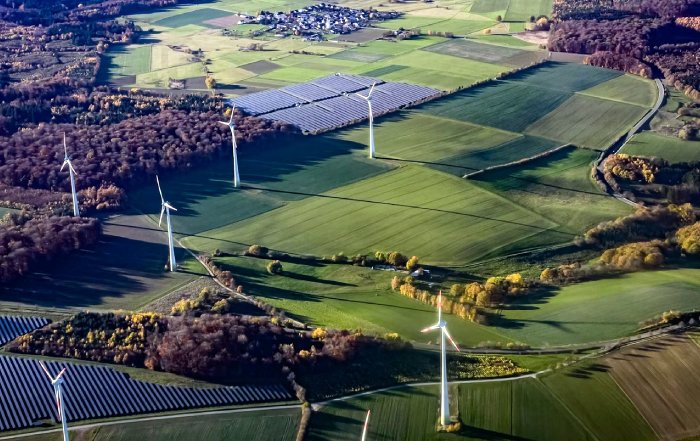
Financing the Green Transition: Capital, Credibility, and Change in 2026
The Strategic Imperative of Green Finance
By 2026, the global conversation on sustainability has shifted decisively from whether to act to how fast and how credibly capital can be mobilized to finance the green transition. As climate risks intensify, resource constraints tighten, and social expectations evolve, the ability of businesses, investors, and governments to direct financial flows toward low-carbon, resilient, and inclusive models has become a central determinant of long-term competitiveness. For YouSaveOurWorld.com, which is dedicated to advancing sustainable living, responsible business, and environmental awareness, the question is not only how much capital is being deployed, but also how effectively it is aligned with real-world impact, transparent governance, and trustworthy standards.
The green transition is no longer confined to niche environmental projects; it is reshaping core economic systems, from energy and mobility to construction, agriculture, and digital infrastructure. Institutions such as the International Energy Agency (IEA) estimate that clean energy investment must rise sharply this decade to keep global warming within safe limits, while the Intergovernmental Panel on Climate Change (IPCC) underscores that every fraction of a degree of avoided warming is critical. Against this backdrop, financing mechanisms, regulatory frameworks, and market innovations have become the backbone of climate action, determining whether the pledges made at global forums translate into measurable reductions in emissions, waste, and ecological degradation. Readers who follow the climate science debate can explore more of this context through resources on climate change and global risk and complementary analysis from the IPCC.
In parallel, the green transition is deeply intertwined with broader themes that YouSaveOurWorld.com explores across its platform, including sustainable living, innovation, technology, global economic trends, and the link between environmental quality and personal well-being. Financing decisions shape the infrastructure people rely on, the products they consume, the jobs they hold, and the communities they live in, making green finance not just a technical matter for investors but a defining force in everyday life.
Defining Green Finance in a Complex Global Landscape
The term "green finance" has evolved from a narrow focus on environmental projects to a broader ecosystem of instruments, standards, and strategies that integrate environmental, social, and governance (ESG) considerations into financial decision-making. At its core, green finance refers to the allocation of capital to activities that support climate mitigation and adaptation, biodiversity protection, pollution reduction, circular economy models, and socially just transitions. Organizations such as the Organisation for Economic Co-operation and Development (OECD) and the World Bank have emphasized that scaling green finance is essential to close the investment gap for achieving global climate and development goals, including the United Nations Sustainable Development Goals, which provide a shared framework for aligning environmental and social priorities.
However, as taxonomies, disclosure rules, and market norms proliferate, the landscape has become more complex. The European Union's sustainable finance taxonomy, the evolving climate disclosure requirements from the U.S. Securities and Exchange Commission (SEC), and voluntary frameworks such as those developed by the Task Force on Climate-related Financial Disclosures (TCFD) and the International Sustainability Standards Board (ISSB) are reshaping what is considered credible green investment. For business leaders and investors seeking to understand sustainable business practices in depth, it is increasingly important to navigate these definitions and align with recognized standards, rather than relying on self-defined labels or marketing claims. To explore how these developments intersect with corporate strategy, readers can learn more about sustainable business practices and complement this with guidance from the TCFD.
This evolving definitional landscape underscores the importance of trustworthiness and transparency. Without clear criteria and robust data, the risk of greenwashing grows, undermining both investor confidence and public trust. For a platform such as YouSaveOurWorld.com, which emphasizes credible environmental awareness and practical guidance, the challenge is to help organizations and individuals distinguish between superficial claims and genuine, measurable progress.
Key Instruments: From Green Bonds to Transition Finance
Financing the green transition involves a diverse toolbox of financial instruments, each suited to different types of projects, risk profiles, and investor expectations. Green bonds, which earmark proceeds for environmentally beneficial projects, have become one of the most visible instruments, with issuance volumes expanding rapidly over the past decade. Standards such as the Green Bond Principles developed by the International Capital Market Association (ICMA) provide guidance on use of proceeds, project evaluation, and reporting, contributing to market discipline and investor confidence. Businesses exploring capital market solutions for sustainability can deepen their understanding through business-focused resources and specialized guidance from the ICMA.
Beyond green bonds, sustainability-linked bonds and loans tie financing costs to the borrower's achievement of predefined sustainability performance targets, such as emissions intensity reductions, energy efficiency gains, or waste diversion improvements. This performance-based approach recognizes that the green transition is not only about funding discrete projects, but also about incentivizing holistic transformation of business models, supply chains, and product portfolios. For example, a manufacturing company may issue a sustainability-linked loan where interest rates decrease if it achieves substantial cuts in Scope 1 and 2 emissions, verified through independent assurance and aligned with science-based targets.
Another emerging category is transition finance, which targets high-emitting sectors such as heavy industry, aviation, and shipping that cannot decarbonize overnight but must follow credible pathways toward net zero. Institutions like the Glasgow Financial Alliance for Net Zero (GFANZ) and the International Energy Agency have published sectoral roadmaps that outline what constitutes a robust transition plan, including interim targets, technology deployment, and governance mechanisms. This is particularly relevant for businesses operating in hard-to-abate sectors that seek to maintain their license to operate while transforming their asset base and operating models. For readers interested in how such transitions intersect with technological innovation, innovation and technology insights on YouSaveOurWorld.com can be combined with technical roadmaps from the IEA.
The Role of Public Policy and Multilateral Institutions
While private capital is indispensable, public policy and multilateral institutions remain central to shaping the scale, direction, and risk profile of green investment. Governments influence green finance through carbon pricing, subsidies, tax incentives, regulatory standards, and public procurement policies that favor low-carbon and circular solutions. For instance, carbon pricing mechanisms, whether in the form of emissions trading systems or carbon taxes, send price signals that can make clean technologies more competitive relative to fossil-based alternatives, thereby improving the financial viability of green projects and influencing corporate investment decisions.
Multilateral development banks such as the World Bank Group, the Asian Development Bank (ADB), and the African Development Bank (AfDB) play a critical role in emerging and developing economies, where capital constraints, policy uncertainty, and perceived risks can deter private investors. These institutions provide concessional finance, guarantees, and blended finance structures that de-risk green projects and crowd in private capital, particularly in sectors such as renewable energy, climate-resilient infrastructure, sustainable agriculture, and water management. Business leaders seeking to operate or invest in these markets can benefit from understanding how multilateral financing structures work, and how they can be combined with corporate capital to accelerate the green transition. For a broader understanding of global sustainability dynamics, YouSaveOurWorld.com offers perspectives on global environmental and economic shifts, which can be complemented by policy analysis from the World Bank.
In parallel, national development banks and export credit agencies are increasingly integrating climate criteria into their mandates, influencing which projects receive long-term, low-cost financing. This shift affects sectors ranging from energy and transport to industrial manufacturing and digital infrastructure, prompting companies to embed climate considerations into their capital expenditure plans and long-term strategies. For organizations seeking to align with these trends, understanding the interplay between public policy, regulation, and market instruments is now a core component of strategic planning.
Corporate Strategy, Governance, and Investor Expectations
The green transition is reshaping corporate governance and investor relations, as boards and executive teams face growing pressure to demonstrate how their strategies align with a low-carbon, resource-efficient future. Large institutional investors, including BlackRock, Vanguard, and leading pension funds, are increasingly integrating climate and sustainability considerations into their investment decisions, voting policies, and engagement strategies, guided in part by frameworks from the Principles for Responsible Investment (PRI) and stewardship codes in major financial markets. For publicly listed companies, this translates into heightened scrutiny of climate risk disclosures, transition plans, and capital allocation choices.
In practice, this means that financing the green transition is not only about accessing new forms of capital, but also about embedding sustainability into core corporate decision-making. Boards are expected to oversee climate strategy, tie executive remuneration to sustainability performance, and ensure that risk management processes incorporate physical and transition risks related to climate change. Companies that fail to do so may face higher capital costs, reputational damage, or even stranded assets as markets and regulations evolve. Business leaders who wish to understand how sustainability affects enterprise value can explore sustainable business strategy resources and complement them with investor guidance from organizations such as the PRI.
For YouSaveOurWorld.com, which emphasizes experience, expertise, and trustworthiness, the intersection of corporate governance and green finance is particularly relevant. The platform's coverage of environmental awareness and economy highlights how informed, accountable leadership can create long-term value by aligning financial performance with environmental and social outcomes, rather than treating sustainability as a peripheral or purely reputational concern.
Technology, Innovation, and the Economics of the Transition
Technological innovation is a central driver of the green transition's financial viability. Over the past decade, the cost curves for solar photovoltaics, wind power, and battery storage have declined dramatically, enabling clean energy to compete with or undercut fossil fuels in many markets. Organizations such as BloombergNEF and the International Renewable Energy Agency (IRENA) document these trends, which have profound implications for investment decisions, infrastructure planning, and industrial strategy. As these technologies mature, investors gain greater confidence in their risk-return profiles, spurring further capital deployment and innovation.
At the same time, emerging technologies such as green hydrogen, carbon capture and storage, advanced biofuels, low-carbon cement and steel, and nature-based solutions are attracting increasing attention and capital. While many of these solutions are at earlier stages of commercialization, venture capital, private equity, and corporate venture arms are actively exploring opportunities, often in partnership with public funding and research institutions. For those interested in how innovation and technology intersect with sustainable living and business, YouSaveOurWorld.com provides context on innovation and technology trends, which can be further informed by technology assessments from IRENA.
The economics of the green transition extend beyond energy to encompass resource efficiency, circular economy models, and waste reduction. Investments in recycling infrastructure, including plastic recycling, waste-to-energy solutions, and advanced materials design can reduce environmental impacts while creating new revenue streams and lowering input costs. Organizations such as the Ellen MacArthur Foundation have demonstrated that circular economy strategies can unlock significant economic value by decoupling growth from resource consumption. For businesses seeking to integrate circular design principles into their products and supply chains, insights from design for sustainability can be complemented by circular economy frameworks from the Ellen MacArthur Foundation.
Sustainable Lifestyles, Consumer Demand, and Retail Finance
Financing the green transition is not limited to large infrastructure projects or corporate balance sheets; it also encompasses the everyday financial decisions of households, consumers, and small businesses. Green mortgages that reward energy-efficient homes, sustainable retail investment products, and consumer financing for electric vehicles, heat pumps, and energy-saving appliances all contribute to the broader shift toward sustainable lifestyles. Banks and fintech companies are increasingly offering products that enable individuals to align their savings and investments with their environmental values, often supported by digital tools that track the carbon footprint of purchases or portfolios.
As consumer awareness grows, supported by platforms like YouSaveOurWorld.com and its focus on lifestyle and sustainable living, demand for environmentally responsible products and services is influencing corporate strategies and financing decisions. Retailers, manufacturers, and service providers that can demonstrate credible sustainability performance may gain preferential access to financing, better terms from suppliers, and stronger brand loyalty from customers. Conversely, companies that lag behind may face higher costs of capital, regulatory penalties, or market share erosion.
Financial education and literacy are also critical enablers of this shift. As individuals consider how their savings, pensions, and insurance products can contribute to or hinder the green transition, the availability of clear, accessible information becomes essential. Educational resources on YouSaveOurWorld.com, particularly in the area of education and awareness, can complement more technical content from organizations such as the OECD or national financial regulators, helping bridge the gap between high-level policy and everyday financial choices.
Managing Risks: Greenwashing, Data Quality, and Social Equity
Despite the rapid growth of green finance, significant risks and challenges remain. One of the most prominent is greenwashing, where financial products or corporate strategies are marketed as sustainable without robust evidence or alignment with recognized standards. Regulators, including the European Securities and Markets Authority (ESMA) and the U.S. SEC, have intensified their scrutiny of sustainability claims, introducing rules and guidance to combat misleading disclosures. Investors and stakeholders increasingly expect third-party verification, rigorous data, and transparent reporting to substantiate green claims, making data quality and assurance a critical component of trust in green finance.
Another challenge lies in ensuring that the green transition is socially just and inclusive. Investments in clean technologies and infrastructure must consider their impacts on workers, communities, and vulnerable populations, particularly in regions dependent on fossil fuel industries or resource-intensive sectors. Organizations such as the International Labour Organization (ILO) and the World Resources Institute (WRI) have highlighted the importance of a just transition that offers retraining, social protection, and inclusive economic opportunities. For businesses and policymakers, this means integrating social considerations into financing decisions, rather than focusing solely on environmental metrics.
For YouSaveOurWorld.com, which recognizes the interconnectedness of environmental quality, economic resilience, and personal well-being, these risks underscore the importance of holistic, trustworthy approaches to the green transition. Green finance that neglects social equity or relies on weak data can undermine both its legitimacy and its long-term effectiveness, leading to backlash or policy reversals that erode investor confidence.
The Role of Design, Urban Planning, and Infrastructure Investment
Financing the green transition also requires rethinking how cities, buildings, and infrastructure systems are designed and operated. Investments in sustainable urban planning, public transport, green buildings, and resilient infrastructure can deliver significant emissions reductions and quality-of-life improvements. Organizations such as C40 Cities and the World Green Building Council have demonstrated how integrated design approaches can reduce energy use, improve air quality, and support healthier lifestyles, while also offering attractive risk-adjusted returns for investors.
For developers, architects, and investors, design decisions made today will shape emissions and resource use for decades. Embedding sustainability into design processes, material selection, and building operations can reduce lifecycle costs and enhance asset value, particularly in markets where green building standards and certifications are increasingly recognized by regulators and tenants. Readers interested in the intersection of design, sustainability, and finance can explore sustainable design perspectives and complement these with technical guidance from the World Green Building Council.
Infrastructure investment is equally critical in sectors such as water, waste, and mobility. Modernizing waste management systems, for instance, can reduce landfill use, capture value from materials, and lower greenhouse gas emissions, particularly methane. Strategic investments in waste reduction and circular systems and plastic recycling not only address environmental challenges but also create new business opportunities and jobs, illustrating how design, finance, and sustainability can reinforce one another.
Building a Culture of Trust and Long-Termism
At the heart of financing the green transition lies the question of trust and time horizons. Sustainable investments often involve upfront costs and long payback periods, while the benefits-in reduced climate risks, healthier ecosystems, and more resilient communities-accrue over years or decades. Aligning financial incentives, regulatory frameworks, and cultural norms with long-term value creation is therefore essential. Asset owners such as pension funds and sovereign wealth funds, which naturally operate with long time horizons, are particularly well-placed to champion this shift, provided they integrate robust sustainability criteria and stewardship practices into their mandates.
For platforms like YouSaveOurWorld.com, which aim to foster informed, responsible decision-making among businesses, policymakers, and individuals, building a culture of trust means emphasizing credible sources, transparent methodologies, and balanced analysis. The platform's coverage of economy, business, climate change, and sustainable living underscores that financial decisions cannot be separated from environmental and social contexts, and that long-term prosperity depends on integrating these dimensions rather than trading them off.
This culture of trust also extends to collaboration across sectors and borders. The green transition is a global challenge that requires coordinated action from governments, businesses, financial institutions, civil society, and individuals. International initiatives such as the UN Environment Programme Finance Initiative (UNEP FI), the Net-Zero Asset Owner Alliance, and the Net-Zero Banking Alliance illustrate how collective commitments can accelerate change, provided they are backed by concrete actions, transparent reporting, and accountability mechanisms. Stakeholders seeking to understand these alliances can complement the insights on YouSaveOurWorld.com with information from UNEP FI.
Looking Ahead: The Next Phase of Green Finance
As of 2026, financing the green transition has moved from the margins to the mainstream of global finance, yet the scale of the challenge remains immense. Achieving net-zero emissions, halting biodiversity loss, and building resilient societies will require sustained increases in green investment, deeper integration of sustainability into financial systems, and continuous innovation in technologies, business models, and policy frameworks. It will also demand that organizations and individuals alike embrace new ways of thinking about value, risk, and responsibility.
For YouSaveOurWorld.com, the green transition is not an abstract policy debate but a lived, evolving reality that touches every theme the platform covers, from sustainable living and climate change to innovation, education, and personal well-being. By connecting high-level financial and policy developments with practical guidance for businesses, communities, and individuals, the site positions itself as a trusted bridge between global finance and everyday choices.
The next phase of green finance will likely be defined by three interrelated trends: the maturation of regulatory and disclosure frameworks that enhance transparency and comparability; the scaling of innovative financing models that blend public and private capital, particularly in emerging markets; and the deepening of integration between environmental, social, and governance considerations across all asset classes and sectors. Navigating this landscape will require ongoing learning, collaboration, and adaptability, as well as a commitment to evidence-based decision-making and ethical leadership.
In this context, the role of platforms like YouSaveOurWorld.com becomes increasingly important. By curating insights on business and economy, technology and innovation, waste and circularity, and global environmental change, the site supports a community of readers who recognize that financing the green transition is not solely the responsibility of governments or large institutions, but a shared endeavor that spans boardrooms, classrooms, households, and financial markets. As capital continues to shift toward greener pathways, the collective choices made today will determine not only the trajectory of the global economy, but also the quality of the world that future generations inherit.
