
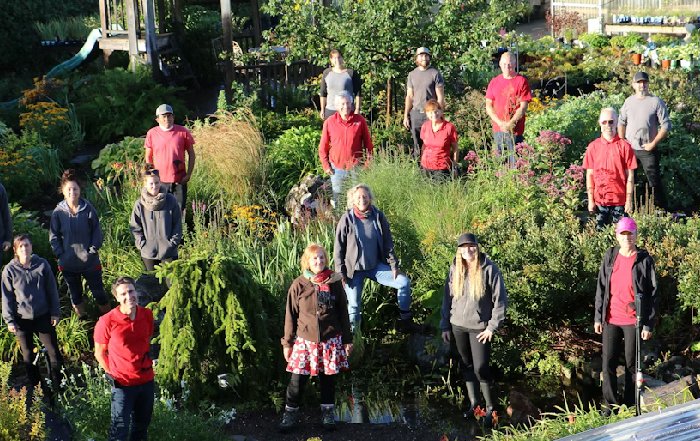
How Community Gardens Can Enhance Urban Resilience and Well-Being
Reimagining Cities Through Community Gardens
As cities confront the converging pressures of climate change, public health challenges and social fragmentation, community gardens are emerging as one of the most practical, human-centered tools for building resilient urban environments. Across dense neighborhoods on every continent, small parcels of land cultivated collectively are reshaping how residents think about food, health, neighborhood identity and the shared responsibility to protect the planet. For YouSaveOurWorld.com, which focuses on connecting sustainable living, innovation and personal well-being, community gardens represent a powerful intersection where environmental stewardship, social cohesion and economic opportunity reinforce each other in tangible, measurable ways.
Urban planners, public health experts and climate scientists are increasingly aligned in recognizing that resilient cities must be both low-carbon and high-connection, able to withstand environmental shocks while nurturing strong social networks that can respond collectively in times of crisis. Community gardens, whether on rooftops, in vacant lots or integrated into mixed-use developments, are proving that modest interventions in local land use can deliver outsized benefits across environmental, social and economic dimensions. As cities reassess their development priorities in light of climate risks documented by organizations such as the Intergovernmental Panel on Climate Change (IPCC), the role of urban green infrastructure, including gardens, is moving from "nice to have" to "essential" in long-term resilience strategies, and this shift aligns directly with the themes explored in the climate-focused resources on YouSaveOurWorld.com's climate change hub.
Community Gardens as Engines of Urban Resilience
Urban resilience is not simply the capacity to recover from disasters; it is the ability of systems, institutions, businesses and residents to adapt, learn and thrive under conditions of stress or uncertainty. According to the United Nations Environment Programme (UNEP), resilient cities integrate nature-based solutions into their planning frameworks to buffer against extreme weather, reduce pollution and improve quality of life. Within this broader category of nature-based solutions, community gardens play a distinctive role because they are simultaneously ecological infrastructure and social infrastructure, managed not by distant authorities but by residents who directly experience their benefits.
Community gardens enhance resilience in several interlocking ways. They increase local food production, creating modest but meaningful buffers against supply chain disruptions that have become more visible in recent years, and they transform underused or derelict spaces into productive landscapes that cool urban microclimates, absorb stormwater and support biodiversity. In parallel, they deepen social capital by fostering trust, shared norms and mutual aid among diverse residents who might otherwise remain strangers, thereby strengthening the capacity of communities to self-organize during emergencies. This convergence of ecological and social resilience is central to the sustainable city vision explored in YouSaveOurWorld.com's global perspective on sustainability, where local action is understood as a critical building block of global transformation.
Climate Adaptation, Urban Heat and Ecological Benefits
The climate adaptation value of community gardens is now backed by a growing body of environmental science. As heatwaves intensify and cities grapple with the urban heat island effect, vegetated spaces offer a low-tech but highly effective way to moderate temperatures. Research referenced by the World Health Organization (WHO) highlights how urban green spaces can reduce ambient temperatures, mitigate heat-related illnesses and relieve pressure on healthcare systems. Community gardens, with their mix of trees, shrubs, groundcover and permeable soils, are particularly effective at providing localized cooling, shading and evapotranspiration, which collectively reduce heat stress in surrounding neighborhoods.
Beyond temperature regulation, gardens play a crucial role in stormwater management and flood mitigation. Impervious surfaces such as asphalt and concrete exacerbate flooding by preventing water infiltration, while garden soils and plant root systems absorb and slow runoff, reducing the burden on aging urban drainage systems. Guidance from the United States Environmental Protection Agency (EPA) on green infrastructure emphasizes how distributed, community-scale interventions like rain gardens and bioswales can complement large-scale infrastructure investments, and community gardens can readily incorporate these features into their design. For readers of YouSaveOurWorld.com's innovation section, the integration of ecological design principles into everyday community spaces offers a compelling example of practical environmental innovation that does not depend on complex technology.
Community gardens also support urban biodiversity, providing habitat for pollinators, birds and beneficial insects that are increasingly squeezed by development and pesticide-intensive landscaping. Organizations such as the Royal Horticultural Society (RHS) have documented how even small garden plots can create vital corridors for pollinators, contributing to broader ecosystem health and food system resilience. By prioritizing native species, pollinator-friendly plants and organic practices, community gardens become living laboratories where residents can observe ecological relationships firsthand, reinforcing the environmental awareness promoted in YouSaveOurWorld.com's environmental awareness content.
Sustainable Living and Local Food Systems
For urban residents seeking more sustainable lifestyles, community gardens offer a direct way to align daily habits with broader environmental values. Growing food locally reduces the carbon footprint associated with long-distance transportation, refrigeration and packaging, and it encourages diets that are more plant-based and seasonal, which multiple studies, including analyses by the EAT-Lancet Commission, have identified as essential for both planetary and human health. When community gardens emphasize organic methods, composting and water-efficient irrigation, they model sustainable living practices that can be replicated at home, extending their impact beyond the garden fence.
The educational dimension of these spaces is particularly important. Many gardens host workshops on soil health, composting, seed saving and water conservation, helping residents build practical skills and confidence. Resources such as the Food and Agriculture Organization (FAO) provide extensive guidance on sustainable urban agriculture, and community organizers frequently adapt these principles to local conditions, cultures and climates. On YouSaveOurWorld.com's sustainable living page, readers interested in reducing their environmental footprint can see how community gardening complements other lifestyle changes, from energy efficiency to waste reduction, by making sustainability visible, participatory and shared.
Community gardens also create opportunities to address food insecurity and nutritional inequality. In many cities, low-income neighborhoods lack affordable access to fresh produce, a challenge documented by the US Department of Agriculture (USDA) in its work on food deserts and food access. When gardens allocate plots for community use, donate surplus harvests to local food banks or operate pay-what-you-can markets, they directly expand access to nutritious foods while preserving dignity and choice for participants. This intersection of environmental responsibility and social justice resonates strongly with the holistic approach to well-being and equity explored in YouSaveOurWorld.com's personal well-being resources.
Waste, Circularity and Plastic Reduction
Community gardens naturally encourage a more circular approach to resources, making them an effective gateway for residents and businesses to rethink waste and embrace more sustainable practices. Organic waste that might otherwise go to landfill can be composted on-site, transforming food scraps, yard trimmings and even some paper products into nutrient-rich soil amendments. This process reduces methane emissions from landfills and closes the nutrient loop locally, aligning with the waste reduction principles discussed on YouSaveOurWorld.com's waste-focused page. Municipalities and community groups can draw on guidance from the Ellen MacArthur Foundation, which promotes circular economy principles, to design garden systems that treat waste as a valuable resource rather than a disposal problem.
Community gardens are also natural sites for demonstrating alternatives to single-use plastics and disposable culture. Gardeners who share tools, seed libraries and reusable containers implicitly challenge the assumption that every task requires new, individually owned products. Educational signage and programming can highlight the environmental impacts of plastic pollution, drawing on data from organizations such as The Ocean Cleanup and the United Nations Environment Programme, while showcasing practical ways to avoid plastic in gardening practices, from using biodegradable pots to repurposing existing materials. For visitors exploring YouSaveOurWorld.com's plastic recycling insights, community gardens illustrate that while recycling is important, reducing and reusing materials at the local level is often even more impactful.
By integrating composting stations, rainwater harvesting systems and shared tool sheds, gardens become micro-hubs of circular design, where the flows of materials, water and nutrients are intentionally optimized. These practices not only reduce waste but also build a culture of resourcefulness and collective responsibility, values that can spread into households, schools and local businesses, amplifying the impact of the garden beyond its physical boundaries.
Social Cohesion, Mental Health and Personal Well-Being
The social and psychological benefits of community gardens are as significant as their environmental impacts. In increasingly dense and digitally mediated cities, many residents experience isolation, stress and a lack of meaningful connection to neighbors and nature. Studies summarized by the American Psychological Association (APA) indicate that regular contact with green spaces can reduce anxiety, improve mood and enhance cognitive function, while social interaction and a sense of belonging are strong predictors of overall life satisfaction. Community gardens bring these elements together in a single, accessible setting, offering shared tasks, informal conversations and visible progress as plants grow and seasons change.
Participating in a community garden can be particularly valuable for older adults, migrants and marginalized groups who may face barriers to social participation elsewhere. Working side by side, residents exchange knowledge, cultural traditions and stories, building trust and mutual understanding that can prove crucial during times of crisis. This social fabric is a core component of resilience; neighborhoods with strong interpersonal ties are better able to coordinate emergency responses, check on vulnerable residents and advocate collectively for resources. For readers exploring YouSaveOurWorld.com's lifestyle content, community gardens exemplify how sustainable choices can simultaneously support mental health, physical activity and social connection.
From a public health perspective, gardens also encourage moderate physical activity, exposure to sunlight and engagement in purposeful, outdoor tasks, all of which are associated with lower rates of chronic disease. Organizations like Public Health England and the Centers for Disease Control and Prevention (CDC) have highlighted the role of green space in preventing non-communicable diseases, and community gardens offer a particularly accessible form of nature engagement because they are embedded in residential neighborhoods rather than distant parks. These benefits are not abstract; they manifest in reduced healthcare costs, improved productivity and stronger community institutions, reinforcing the argument that investing in gardens is not a luxury but a cost-effective health strategy.
Community Gardens and the Sustainable Urban Economy
From a business and economic perspective, community gardens can appear modest in scale, yet they contribute meaningfully to the evolution of more sustainable, resilient urban economies. They create local micro-enterprises, from seedling sales and farmers' markets to value-added products such as preserves, herbal teas or natural cosmetics, often incubating entrepreneurs who later expand into larger ventures. The World Bank and other development institutions have noted that urban agriculture can play a role in livelihoods and job creation, particularly when supported by appropriate policy frameworks and access to markets. This connection between localized production and broader economic transformation is closely aligned with the themes explored on YouSaveOurWorld.com's economy page, where sustainable economic models are central to long-term prosperity.
Community gardens also influence mainstream business practices by shifting consumer expectations and demonstrating the viability of more sustainable supply chains. Restaurants, retailers and hospitality businesses that partner with local gardens, source hyper-local produce or support garden-based education initiatives can differentiate themselves in competitive markets while reducing their environmental footprint. Organizations such as B Lab, which certifies B Corporations, have highlighted how purpose-driven businesses increasingly collaborate with community initiatives to demonstrate authentic commitment to environmental and social goals. For leaders interested in aligning their operations with sustainability principles, resources on YouSaveOurWorld.com's sustainable business page offer frameworks for integrating community partnerships, including with gardens, into broader corporate strategies.
At the policy level, integrating community gardens into urban development plans can enhance property values, reduce crime and attract residents and businesses that prioritize quality of life. Studies summarized by the Lincoln Institute of Land Policy show that well-maintained green spaces can positively influence neighborhood perceptions and investment patterns, particularly when residents are actively involved in their management. In this way, gardens become part of a virtuous cycle in which environmental quality, social cohesion and economic vitality reinforce each other, advancing the holistic vision of sustainable cities that YouSaveOurWorld.com promotes across its business and global sustainability content.
Design, Technology and Innovation in Urban Gardens
The most successful community gardens in 2026 increasingly blend traditional horticultural knowledge with contemporary design and technology, creating spaces that are both ecologically robust and operationally efficient. Landscape architects, urban designers and community organizers are experimenting with modular raised beds, accessible pathways, rainwater capture systems and pollinator corridors, drawing on guidance from institutions such as the American Society of Landscape Architects (ASLA). These design strategies prioritize inclusivity, ensuring that people of all ages and abilities can participate in gardening activities, and they integrate aesthetic considerations that make gardens inviting public spaces rather than hidden, utilitarian plots.
Technology is also reshaping how gardens are planned, managed and connected. Low-cost sensors can monitor soil moisture, enabling more efficient irrigation and reducing water use, while mobile apps help coordinate volunteer schedules, track harvests and share knowledge among participants. Open-source platforms and digital communities, such as those catalogued by Civic Tech Field Guide, are enabling garden networks to share best practices, organize collective purchasing of supplies and advocate for supportive policies. Readers interested in the intersection of sustainability and digital innovation can find complementary perspectives in YouSaveOurWorld.com's technology section, which explores how emerging tools can accelerate environmental and social progress when deployed thoughtfully.
Design also extends to educational and interpretive elements. Signage explaining soil health, pollinator ecology, composting cycles or climate adaptation strategies transforms gardens into outdoor classrooms that reinforce concepts discussed in YouSaveOurWorld.com's education-focused content. Partnerships with schools, universities and research institutions, including initiatives supported by organizations like UNESCO, further elevate community gardens as sites of citizen science and experiential learning, where residents contribute data on biodiversity, air quality or temperature variations that can inform broader urban planning decisions.
Governance, Policy and the Role of Business Leadership
The expansion and long-term success of community gardens depend heavily on governance structures, policy frameworks and the engagement of both public and private sector leaders. Municipal governments that recognize the strategic value of gardens can support them through land-use policies, long-term leases, funding for infrastructure and integration into climate adaptation and public health plans. Organizations such as ICLEI - Local Governments for Sustainability provide guidance to cities on embedding nature-based solutions, including community gardens, into climate resilience strategies, emphasizing the importance of stable land tenure and cross-departmental coordination.
Businesses also have a pivotal role to play, not only as sponsors or donors but as active partners in co-creating resilient urban ecosystems. Corporate campuses can allocate land for employee-led gardens, supply chain partners can source ingredients from local community plots and real estate developers can integrate shared gardens into residential and mixed-use projects as core amenities rather than afterthoughts. The principles outlined by the World Business Council for Sustainable Development (WBCSD) for corporate climate and nature action provide a useful framework for organizations seeking to align their strategies with community-based resilience initiatives. For executives and entrepreneurs exploring YouSaveOurWorld.com's business resources, community gardens offer a concrete, visible way to demonstrate environmental responsibility, employee engagement and neighborhood partnership.
Effective governance at the garden level is equally important. Clear roles, transparent decision-making processes and inclusive participation help prevent conflicts and ensure that benefits are shared equitably among residents. Many successful gardens adopt cooperative or association models, drawing on examples from networks documented by the American Community Gardening Association (ACGA) and similar organizations worldwide. These governance structures foster leadership development, democratic participation and accountability, aligning with the broader ethos of empowerment and shared responsibility that YouSaveOurWorld.com advocates across its sustainability narratives.
A Pathway to Integrated Urban Well-Being
Community gardens sit at the intersection of many themes that define sustainable, livable cities: climate resilience, local food systems, waste reduction, social inclusion, economic innovation, thoughtful design and holistic well-being. For YouSaveOurWorld.com, which brings together insights on sustainable living, business transformation, environmental awareness and personal health, these gardens are more than green spaces; they are practical demonstrations of how complex global challenges can be addressed through collaborative, place-based action that residents can see, touch and participate in.
As cities continue to confront rising temperatures, resource constraints and social fragmentation, the case for investing in community gardens becomes increasingly compelling. They are relatively low-cost compared with large infrastructure projects, yet they deliver multidimensional returns: cooler neighborhoods, healthier residents, stronger social ties, more resilient food systems and a culture of stewardship that extends beyond the garden gate. When supported by thoughtful policy, innovative design, engaged businesses and informed citizens, community gardens can help reorient urban development toward a future in which resilience and well-being are not abstract policy goals but everyday experiences rooted in shared spaces and collective care.
In this evolving landscape, YouSaveOurWorld.com serves as a platform where individuals, community leaders and businesses can deepen their understanding of how initiatives like community gardens fit into broader strategies for sustainable living, climate action and economic transformation. By connecting practical guidance, global perspectives and real-world examples, the site invites its audience to view community gardens not simply as local amenities but as vital components of an integrated approach to saving and sustaining our shared world.
