
How to Cultivate Environmental Awareness in the Workplace
The Strategic Case for Environmental Awareness at Work
Environmental awareness has moved from a peripheral corporate initiative to a central pillar of competitive strategy, risk management, and talent retention. Organizations across sectors now recognize that climate risk, resource scarcity, regulatory change, and shifting stakeholder expectations converge directly in the workplace, shaping everything from operating costs to brand reputation and employee engagement. For yousaveourworld.com, which is dedicated to advancing practical sustainability in everyday life and business, the workplace has become one of the most powerful levers for change, because it is where individual behavior, organizational culture, and strategic decision-making meet in real time.
Global assessments from institutions such as the Intergovernmental Panel on Climate Change (IPCC) highlight that limiting global warming to 1.5°C requires rapid, far-reaching transitions in energy, industry, buildings, transport, and cities; workplaces sit at the center of these systems, consuming energy, generating waste, and shaping consumption patterns every day. Learn more about the latest scientific consensus on climate risk at the IPCC website. Simultaneously, investors, regulators, and customers increasingly expect companies to disclose and improve their environmental performance, with frameworks such as the Task Force on Climate-related Financial Disclosures (TCFD) and emerging International Sustainability Standards shaping how environmental information is measured and reported. Guidance on climate-related financial disclosures can be found through the TCFD recommendations.
In this context, cultivating environmental awareness in the workplace is no longer about isolated green campaigns or symbolic gestures; it is about embedding sustainability into the core of corporate culture and decision-making so that every employee understands environmental impacts, sees their own role clearly, and has the knowledge, tools, and motivation to act. This perspective aligns directly with the mission of yousaveourworld.com, which emphasizes practical, actionable steps for sustainable living and sustainable business transformation.
Understanding Environmental Awareness as a Business Capability
Environmental awareness in the workplace goes beyond basic knowledge of climate change or recycling; it is a composite capability that combines understanding of environmental issues, practical skills for sustainable action, and a shared sense of responsibility and opportunity across the organization. When employees grasp how energy use, materials, travel, procurement, and digital activity translate into emissions and resource impacts, and when they understand how these impacts relate to the company's strategy and performance, they are more likely to support and initiate meaningful change.
Research from Harvard Business School and other leading institutions has shown that companies with strong environmental, social, and governance (ESG) performance often exhibit better risk-adjusted returns and resilience. An overview of the links between ESG and corporate performance is available through Harvard Business School's sustainable business insights. Environmental awareness is a critical foundation for such performance, because it shapes daily decisions that aggregate into measurable outcomes: energy efficiency, waste reduction, process redesign, innovation in products and services, and improved stakeholder trust. Organizations that want to learn more about sustainable business practices increasingly view environmental awareness as a strategic investment in human capital, not just a communications exercise.
Moreover, environmental awareness intersects with employee well-being and purpose. Many workers, particularly younger generations, report that they want to work for organizations whose values align with their own and that contribute positively to society and the planet. By cultivating a culture of environmental responsibility and offering concrete avenues for participation, companies can strengthen engagement, retention, and employer brand. This connection between sustainability and personal meaning is a theme that yousaveourworld.com explores extensively in its resources on personal well-being, highlighting how environmentally conscious choices can reinforce psychological resilience and a sense of contribution.
Linking Workplace Awareness to Climate Change and Global Risk
To cultivate genuine environmental awareness in the workplace, organizations must first anchor their efforts in a clear understanding of the broader climate and environmental context. Employees are more likely to change behavior when they appreciate the scale of the challenge, the urgency of action, and the relevance to their sector and role. High-quality, accessible information from trusted institutions plays a crucial role here. The World Resources Institute (WRI), for example, provides detailed analysis of global emissions, sectoral pathways, and policy trends that can help contextualize corporate action; more information is available through the WRI climate and energy programs.
At the same time, framing climate and environmental issues exclusively in terms of catastrophe can lead to paralysis; employees need to see not only the risks but also the opportunities, from new markets and innovations to cost savings and resilience. Organizations such as the World Economic Forum (WEF) regularly publish assessments of global risks and opportunities, including the economic implications of climate change and biodiversity loss, which can help business leaders communicate the strategic importance of environmental stewardship. Their annual Global Risks Report can be explored on the World Economic Forum website.
For companies seeking to connect this global context with internal initiatives, resources like the climate change overview and global sustainability insights on yousaveourworld.com can help translate complex science and policy into accessible narratives and practical guidance. When employees understand, for example, how their office energy use contributes to Scope 2 emissions, or how procurement decisions impact Scope 3 emissions, they begin to see a direct line between their everyday actions and planetary outcomes, which is the essence of effective environmental awareness.
Designing a Culture of Environmental Responsibility
Cultivating environmental awareness is ultimately a cultural endeavor, requiring consistent leadership, coherent messaging, and integration into core business processes. It begins with a clear, credible commitment from senior leadership, supported by transparent goals and metrics. When executives articulate how environmental performance connects to strategy, risk, innovation, and brand, and when they model sustainable behaviors themselves, employees are more likely to take environmental messages seriously.
Organizations can draw upon frameworks from bodies such as the United Nations Global Compact, which provides principles-based guidance for corporate sustainability, including environmental stewardship and climate action. Companies interested in aligning their strategies with global sustainability goals can explore the UN Global Compact resources. However, adopting such frameworks is only the starting point; the real work lies in translating commitments into daily practices, incentives, and rituals that shape how people think and act at work.
For example, integrating environmental criteria into performance reviews, procurement policies, and project approvals signals that sustainability is not a peripheral concern but a core expectation. Similarly, embedding environmental themes into leadership development programs and management training can help future leaders internalize the importance of sustainability. yousaveourworld.com offers perspectives on how environmental awareness intersects with business strategy and operations, emphasizing that culture change is sustained when environmental considerations become part of how success is defined and rewarded.
Education, Training, and Continuous Learning
Systematic education is central to building environmental awareness that is both deep and durable. One-off awareness campaigns or isolated workshops rarely change behavior sustainably; employees need ongoing opportunities to learn, question, and apply new knowledge. Effective programs combine foundational education on climate science, ecosystems, and resource use with tailored content that reflects the organization's industry, geography, and operational realities.
Leading universities and platforms such as Coursera, edX, and FutureLearn now offer specialized courses in climate change, sustainability management, and circular economy principles, which can be adapted into corporate learning programs. Organizations can explore open courses on sustainability through edX's climate and sustainability catalog. At the same time, internal training should not be purely theoretical; employees benefit from concrete case studies that illustrate how environmental improvements have reduced costs, mitigated risk, or opened new markets in their own or similar organizations.
For companies seeking to build a structured internal curriculum, the educational resources on environmental awareness and education for sustainability at yousaveourworld.com can serve as a foundation, providing accessible explanations and frameworks that can be adapted to different roles and levels of responsibility. Over time, organizations that invest in such continuous learning see environmental awareness evolve from a compliance topic to a source of professional pride and innovation, as employees come to view sustainability expertise as a valuable dimension of their own career development.
Practical Pathways: Waste, Plastic, and Resource Efficiency
Environmental awareness becomes meaningful when it is translated into visible, practical action in the workplace. Waste management, and especially plastic reduction and recycling, offers one of the most tangible starting points, because employees can see and influence outcomes directly. Many organizations have already phased out single-use plastics in cafeterias, meeting rooms, and events, replacing them with reusable or compostable alternatives and clear signage that explains the rationale and the environmental impact.
The United Nations Environment Programme (UNEP) provides extensive guidance on single-use plastic reduction and circular approaches to materials, which can inform corporate policies and employee education. Companies can explore these insights through the UNEP plastic pollution resources. At the same time, internal communication should highlight how individual choices-such as using refillable bottles, separating waste correctly, or avoiding unnecessary packaging-aggregate into significant reductions in landfill waste and emissions.
For organizations looking to deepen their efforts, yousaveourworld.com offers detailed guidance on plastic recycling and waste reduction strategies, outlining how to design systems, incentives, and educational materials that support responsible behavior. When employees understand not only where to place their waste but also what happens to it afterward, and how recycling connects to broader circular economy goals, their awareness becomes more sophisticated and more likely to influence their behavior outside the workplace as well.
Innovation, Technology, and Data-Driven Awareness
In 2026, digital technology plays a pivotal role in cultivating environmental awareness, both by making impacts visible and by enabling new forms of collaboration and innovation. Smart building systems, for example, can monitor energy use, water consumption, and indoor air quality in real time, providing dashboards that employees can view on screens or intranet portals. When people see how turning off lights, optimizing meeting room usage, or adjusting thermostats affects real-time consumption and emissions, environmental awareness becomes concrete and immediate.
Technology companies and research institutions continue to develop sophisticated tools for measuring and managing environmental performance, including Internet of Things (IoT) sensors, AI-driven analytics, and carbon accounting platforms. Organizations can explore emerging trends in green technology through resources from MIT Technology Review, which regularly covers advances in energy, materials, and climate tech; more information is available at the MIT Technology Review climate section. These tools not only support compliance and reporting but also create powerful educational opportunities when their outputs are shared transparently with employees.
For businesses seeking to harness digital solutions, yousaveourworld.com provides insights on innovation and technology for sustainability, emphasizing that the most effective tools are those that are integrated into daily workflows and that provide clear, actionable feedback rather than abstract metrics. When employees can see, for example, how switching to virtual meetings rather than air travel reduces emissions, or how optimizing server usage cuts energy consumption in data centers, they develop a more nuanced understanding of the environmental implications of digital work.
Sustainable Workplace Design and Lifestyle Integration
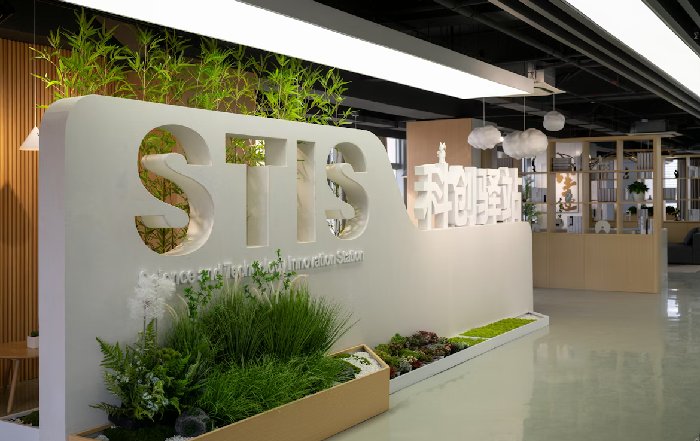
Physical workplace design significantly influences environmental awareness and behavior. Offices that prioritize natural light, energy-efficient systems, sustainable materials, and accessible recycling infrastructure communicate environmental values implicitly, reinforcing formal messages and policies. Certifications such as LEED (Leadership in Energy and Environmental Design) and BREEAM provide structured frameworks for sustainable building design and operation, and organizations pursuing such certifications often use the process as an educational tool for employees. More information on green building standards can be found through the U.S. Green Building Council.
Beyond the physical infrastructure, workplace policies that support sustainable lifestyles-such as incentives for public transport, cycling facilities, remote work options, and support for low-carbon commuting-help employees align their personal choices with the organization's environmental goals. The International Energy Agency (IEA) has highlighted how changes in mobility, building use, and digital work patterns can significantly reduce emissions; organizations can explore these insights through the IEA sustainable mobility resources. When employees experience that the organization supports their efforts to live more sustainably, their environmental awareness becomes more deeply embedded and more likely to influence peers.
For businesses seeking to integrate environmental principles into both physical design and daily habits, yousaveourworld.com offers guidance on sustainable lifestyle choices and design for sustainability, illustrating how architecture, interior design, and policy can work together to create workplaces that are both environmentally responsible and conducive to well-being and productivity.
Economy, Policy, and the Business Case for Awareness
Cultivating environmental awareness in the workplace also requires a clear articulation of the economic and policy context in which companies operate. Employees are more likely to support environmental initiatives when they understand how these efforts relate to cost savings, regulatory compliance, market positioning, and long-term resilience. Carbon pricing mechanisms, energy efficiency regulations, extended producer responsibility laws, and disclosure requirements are increasingly shaping business decisions in many jurisdictions, and awareness of these trends can help employees appreciate why sustainability is a strategic imperative rather than a discretionary choice.
Institutions such as the Organisation for Economic Co-operation and Development (OECD) provide analysis on green growth, environmental taxation, and sustainable finance, which can be valuable for contextualizing corporate strategies. Businesses can explore these economic perspectives through the OECD green growth resources. When employees hear, for example, how improving energy efficiency reduces operating expenses, or how reducing waste cuts disposal fees and supply costs, they begin to see environmental awareness as directly linked to business performance.
yousaveourworld.com addresses these intersections in its coverage of the sustainable economy and sustainable business models, emphasizing that environmental awareness is not a cost center but a driver of innovation, risk mitigation, and long-term value creation. By framing environmental initiatives in terms of both planetary and economic benefits, organizations can build broader internal support and unlock creative ideas from across the workforce.
Embedding Awareness into Long-Term Organizational Learning
Sustaining environmental awareness over time requires more than campaigns and training; it demands integration into the organization's learning systems, governance structures, and feedback loops. Regular measurement and transparent reporting of environmental performance, including energy use, emissions, waste, and resource efficiency, create accountability and enable employees to see the results of their efforts. Public sustainability reports, aligned with standards such as the Global Reporting Initiative (GRI), can serve as both external communication tools and internal educational resources. Organizations interested in reporting frameworks can review guidance on the GRI Standards website.
Internally, mechanisms such as green teams, cross-functional sustainability councils, and employee suggestion programs can channel awareness into ongoing improvement and innovation. When employees are invited to propose ideas, participate in pilots, and share success stories, environmental awareness becomes part of the organization's collective intelligence. Over time, this participatory approach fosters a sense of shared ownership and reinforces trust, as people see that their insights are valued and that the organization is willing to learn and adapt.
For organizations seeking to build this kind of learning culture, the broader resources available at yousaveourworld.com can help connect environmental awareness with themes of innovation, education, business strategy, and personal well-being, reinforcing the message that sustainability is not a separate agenda but a lens through which all aspects of work and life can be viewed.
Conclusion: From Awareness to Transformative Action
So the question for forward-looking organizations is no longer whether to cultivate environmental awareness in the workplace, but how to do so in a way that is authentic, strategic, and transformative. Environmental awareness must evolve from a communications theme to a shared capability that permeates culture, systems, and decision-making. It requires credible leadership commitment, robust education, supportive infrastructure, and the intelligent use of technology and data. It thrives when employees see clear links between their actions, organizational performance, and planetary health, and when they experience that their efforts are recognized and impactful.
yousaveourworld.com positions itself as a partner in this journey, providing businesses and individuals with accessible, practical resources across sustainable living, environmental awareness, innovation and technology, and business transformation. As organizations navigate the complex challenges and opportunities of the coming decade, those that invest in cultivating deep, informed, and actionable environmental awareness in the workplace will not only reduce their environmental footprint but also build more resilient, innovative, and purpose-driven enterprises capable of thriving in a rapidly changing world.
