
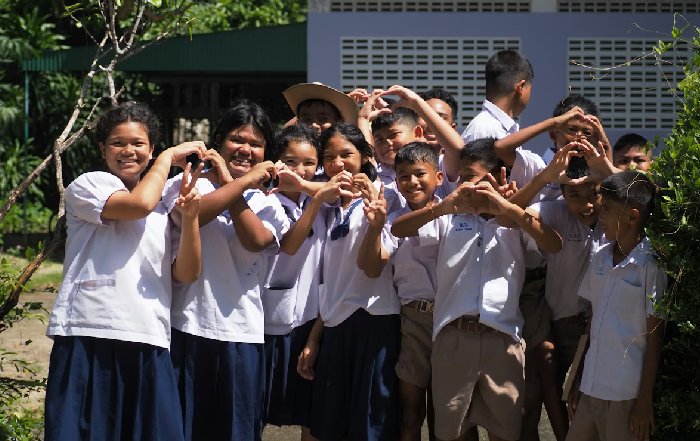
Integrating Sustainability into School Curriculums: Building the Foundations of a Regenerative Economy
Why Sustainability Education Has Become a Strategic Imperative in 2026
By 2026, sustainability has shifted from being a peripheral concern to a central organizing principle for economies, institutions, and communities worldwide, and nowhere is this transition more consequential than in schools, where the mindsets and capabilities of the next generation are being formed. As climate impacts intensify, resource pressures grow, and social expectations evolve, governments, businesses, and civil society increasingly recognize that integrating sustainability into school curriculums is not simply an educational reform but a long-term investment in economic resilience, social stability, and competitive advantage.
For YouSaveOurWorld.com, which has long focused on making complex environmental and economic issues accessible to a broad audience, the question of how schools embed sustainability into everyday learning is deeply personal and strategically important. The platform's work on sustainable living, climate change, and environmental awareness has consistently highlighted that individual behavior and corporate strategy both trace back to foundational values and knowledge formed during childhood and adolescence. In this context, school curriculums become a critical lever for shaping not only future citizens, but also future leaders, innovators, and decision-makers who can navigate and accelerate the transition to a low-carbon, circular, and inclusive economy.
Global policy frameworks have reinforced this shift. The United Nations has positioned Education for Sustainable Development as a cornerstone of its Sustainable Development Goals, particularly SDG 4.7, while UNESCO has provided detailed guidance on Education for Sustainable Development, urging countries to integrate sustainability across subjects and grade levels rather than treating it as an isolated topic. At the same time, climate science from organizations such as the Intergovernmental Panel on Climate Change (IPCC), accessible through platforms like the IPCC reports portal, has made clear that the coming decades will demand unprecedented levels of systems thinking, innovation, and ethical leadership, all of which depend on how learners are educated today.
From Environmental Topics to Whole-School Sustainability
Historically, many school systems approached sustainability through discrete environmental topics, often confined to science classes or occasional project weeks, but this fragmented approach has proven insufficient in the face of complex challenges that cut across energy, food systems, finance, technology, and social equity. The most forward-looking education ministries and school networks in 2026 are moving toward a whole-school model in which sustainability is treated as a guiding framework for curriculum design, campus operations, community partnerships, and student leadership.
This more holistic perspective aligns closely with the integrated approach championed by YouSaveOurWorld.com, where content on sustainable business, waste, innovation, and technology is presented as interdependent rather than siloed. When schools adopt a similar mindset, sustainability ceases to be an add-on and becomes a lens through which mathematics, language, history, design, and even physical education can be reimagined. For example, a mathematics class may use real data on carbon emissions or water consumption to teach statistics, while a literature class analyzes narratives about environmental justice, and a business studies course explores the financial implications of climate risk and the growth of green markets.
International exemplars demonstrate the feasibility and benefits of this approach. The OECD has documented how high-performing education systems are embedding global competence and sustainability literacy into their frameworks, as seen in its work on global competence in education. Meanwhile, research from institutions like Harvard Graduate School of Education has explored how project-based and experiential learning can deepen engagement with complex issues, as discussed in resources on deeper learning and project-based approaches. These initiatives underscore that sustainability is not an extra burden on already crowded curriculums but a powerful integrative theme that can make learning more relevant, applied, and future-oriented.
Linking Sustainability Education to Economic and Business Realities
For a business-focused audience, the most compelling argument for integrating sustainability into school curriculums lies in its alignment with the evolving demands of labor markets and corporate strategy. Organizations such as the World Economic Forum have repeatedly emphasized in reports like the Future of Jobs series, available through the WEF insights on jobs and skills, that green skills, systems thinking, and digital literacy are becoming core competencies rather than niche specializations. Companies increasingly require employees who can interpret climate risk disclosures, design low-carbon products, manage circular supply chains, and navigate environmental regulation, and these capacities are easier to cultivate when foundational concepts are introduced early in life.
From the perspective of YouSaveOurWorld.com, whose coverage of business and economy emphasizes the convergence of sustainability and competitiveness, school curriculums represent a long-term talent pipeline for sustainable enterprises. When students learn about lifecycle analysis, renewable energy, and sustainable finance in secondary school, they are better prepared to engage with corporate sustainability strategies, ESG reporting frameworks, and green innovation when they enter the workforce. This reduces training costs for employers, accelerates adoption of sustainable practices, and improves alignment between education systems and economic development goals.
Authoritative institutions such as McKinsey & Company and Deloitte have published extensive analyses showing that sustainability-aligned business models can unlock new revenue streams and risk mitigation opportunities, with overviews accessible through resources like McKinsey's sustainability insights and Deloitte's climate and sustainability hub. When schools introduce students to these dynamics, they help demystify the idea that sustainability is a cost center, instead highlighting how it drives innovation, market differentiation, and capital allocation. This mindset shift is vital for future entrepreneurs who will be building companies in sectors ranging from clean energy and regenerative agriculture to circular fashion and low-carbon logistics.
Core Competencies for Sustainability-Ready Graduates
Integrating sustainability into school curriculums is not only about content; it is about cultivating specific competencies that underpin responsible decision-making and adaptive leadership. In 2026, several frameworks have converged on a set of core capabilities that students need to thrive in a world shaped by climate change, technological disruption, and social transformation.
First, systems thinking has emerged as a foundational skill, enabling learners to understand how environmental, economic, and social systems interact, and why interventions in one domain may have unintended consequences in another. Resources from the Stockholm Resilience Centre, including explanations of planetary boundaries and resilience, provide accessible examples of how such thinking applies to real-world challenges, from biodiversity loss to ocean acidification. When schools incorporate systems mapping, feedback loops, and scenario analysis into their teaching, students become better equipped to navigate complex policy debates and business decisions.
Second, scientific and data literacy are essential for interpreting climate models, emissions inventories, and environmental impact assessments. Platforms such as NASA's Global Climate Change portal, available at NASA climate resources, offer datasets, visualizations, and educational materials that teachers can integrate into lessons on physics, earth science, and technology. By engaging with real data on temperature anomalies, sea-level rise, or atmospheric composition, students learn to distinguish evidence-based conclusions from misinformation, a critical capacity in an era of polarized public discourse.
Third, ethical reasoning and civic responsibility are central components of sustainability education, as decisions about energy, land use, and resource allocation inevitably involve trade-offs between stakeholders and generations. The World Resources Institute provides case studies on climate, energy, and equity, which can serve as discussion material for classes exploring environmental justice, indigenous rights, and global development. When students grapple with these dilemmas, they develop a more nuanced understanding of fairness, responsibility, and long-term stewardship, all of which are essential for trustworthy leadership in both public and private sectors.
These competencies align closely with the themes explored across YouSaveOurWorld.com, where content on global issues, innovation, and personal well-being emphasizes that sustainability is as much about human flourishing and ethical choices as it is about technical solutions.
Practical Pathways for Embedding Sustainability Across Subjects
One of the most common concerns among educators and policymakers is how to integrate sustainability into already dense curriculums without overwhelming teachers or sacrificing core academic standards. Experience from pioneering schools and systems suggests that the most effective approach is not to create entirely new standalone subjects, but to weave sustainability themes into existing disciplines through authentic, project-based learning.
In science education, for example, teachers can use units on energy to explore renewable technologies, efficiency measures, and the physics of solar or wind power, drawing on resources from organizations such as the International Energy Agency, which provides accessible data and analysis through its energy and climate resources. Chemistry classes can investigate materials science and plastic recycling, examining polymer structures, degradation processes, and the environmental implications of different waste management strategies.
In social studies and economics, students can analyze the macroeconomic impacts of climate change, carbon pricing, and green stimulus programs, linking classroom discussions to real-world policy debates and the evolving landscape of sustainable finance. Teachers can encourage learners to explore how different countries are responding to the climate crisis, using data from entities like the World Bank, which maintains extensive datasets and analysis on climate and development. This global perspective reinforces the idea that sustainability is a shared challenge requiring international cooperation and locally tailored solutions.
Language and humanities classes can incorporate literature, journalism, and historical texts that explore human relationships with nature, industrialization, and social movements for environmental protection. Students might analyze speeches by influential figures such as Gro Harlem Brundtland or Wangari Maathai, or investigate how narratives about progress and consumption have evolved over time. These explorations can be connected to the lifestyle-oriented content on YouSaveOurWorld.com's lifestyle page, demonstrating how cultural norms and personal choices influence environmental outcomes.
Design and technology education offers particularly fertile ground for hands-on sustainability projects. Learners can prototype products or services that reduce waste, improve energy efficiency, or enhance community resilience, drawing inspiration from circular design principles and sustainable innovation case studies. The design-focused resources on YouSaveOurWorld.com's design section can support such projects, while external references from organizations like the Ellen MacArthur Foundation, available through its circular economy learning hub, provide frameworks for rethinking products and systems from a circular perspective.
The Role of Digital Technology and Online Platforms
Digital technology has become a powerful enabler of sustainability education, particularly as schools increasingly blend in-person and online learning. High-quality open educational resources, interactive simulations, and virtual labs allow students to explore complex environmental phenomena and sustainability scenarios in ways that were not possible a decade ago.
Online platforms such as National Geographic Education, accessible through National Geographic's education portal, provide immersive multimedia content on ecosystems, climate, and human-environment interactions. Similarly, the United Nations Environment Programme (UNEP) offers youth-focused materials and campaigns on environmental action and awareness, which teachers can integrate into classroom discussions and projects. These resources complement local curricula and help students connect their learning to global movements and scientific developments.
For YouSaveOurWorld.com, which curates and produces digital content on technology, education, and sustainability, this digital transformation of learning environments presents both a responsibility and an opportunity. By providing accessible explanations, case studies, and practical guidance, the platform can serve as a trusted reference point for teachers designing sustainability modules, students conducting research, and parents seeking to reinforce environmental literacy at home. The emphasis on clarity, evidence-based analysis, and practical relevance aligns with broader efforts across the education sector to ensure that digital content supports, rather than distracts from, deep learning and critical thinking.
Building Teacher Capacity and Institutional Trust
No curriculum reform can succeed without the active engagement and professional development of teachers, who are the primary interpreters and implementers of educational frameworks. In many systems, educators report that while they recognize the importance of sustainability, they often feel underprepared to teach it confidently and integrate it across subjects. Addressing this gap is essential for building trust in sustainability education among parents, students, and policymakers.
Professional development programs that combine subject knowledge with pedagogical strategies have proven particularly effective. For instance, partnerships between universities, NGOs, and school districts can offer workshops on climate science, systems thinking, and project-based learning, often supported by resources from organizations such as UNESCO and the UN Framework Convention on Climate Change (UNFCCC), which provides educator materials through its climate change education initiatives. These programs help teachers move beyond superficial coverage of environmental topics toward more rigorous, interdisciplinary approaches that foster critical inquiry and problem-solving.
Trustworthiness also depends on transparency and alignment with scientific consensus. In an era where climate misinformation and political polarization can infiltrate public discourse, schools must demonstrate that their sustainability content is grounded in reputable sources and balanced analysis. Platforms like YouSaveOurWorld.com, which synthesize insights from recognized institutions and link to authoritative external resources, can support this effort by offering curated content that educators and parents can verify and rely on. When schools clearly communicate the sources, objectives, and methods behind their sustainability curriculum, they strengthen stakeholder confidence and reduce the risk of controversy or pushback.
Connecting Curriculum to Campus Operations and Community Life
Integrating sustainability into school curriculums is most powerful when it is mirrored in the way schools operate and engage with their communities. A growing number of institutions are transforming their campuses into living laboratories where students can observe and influence real-world sustainability initiatives, from energy management and waste reduction to food systems and transport.
For example, schools may implement recycling and composting programs, track their waste streams, and invite students to analyze data and propose improvements, directly linking classroom learning to tangible environmental outcomes. Insights from YouSaveOurWorld.com's waste section can inform these efforts, while external guidance from agencies such as the US Environmental Protection Agency (EPA), accessible through its sustainable management of materials resources, offers best practices for waste reduction and circularity. Similarly, schools that install solar panels or adopt energy-efficient lighting can involve students in monitoring energy usage, calculating emissions reductions, and exploring the financial payback of such investments.
Community partnerships further extend the impact of sustainability education. Collaborations with local businesses, municipalities, and non-profit organizations allow students to participate in real projects, such as urban greening, river clean-ups, or sustainable product design challenges. These experiences strengthen students' sense of agency and civic responsibility, while also introducing them to potential career pathways in sustainability-related fields. For the business community, engaging with schools in this way can enhance corporate reputation, support talent development, and foster innovation ecosystems aligned with long-term environmental and social goals.
Sustainability Education and Personal Well-Being
An often-overlooked dimension of integrating sustainability into school curriculums is its relationship to personal well-being. As young people become more aware of climate risks and ecological degradation, many experience anxiety, frustration, or a sense of helplessness. Effective sustainability education must therefore balance honest communication about risks with an emphasis on solutions, resilience, and individual and collective efficacy.
Psychologists and education researchers have increasingly highlighted the importance of framing sustainability not solely as a crisis narrative but as an opportunity for meaningful contribution, creativity, and community building. Resources from organizations such as the American Psychological Association, which has explored psychological responses to climate change, underscore the need for supportive learning environments where students can process their emotions, ask questions, and identify constructive actions. By integrating practices such as reflection, dialogue, and mindfulness into sustainability lessons, schools can help students develop emotional resilience alongside cognitive understanding.
This emphasis on holistic development resonates strongly with the focus on personal well-being at YouSaveOurWorld.com, where sustainability is framed not just as a set of external challenges but as a pathway to healthier lifestyles, stronger communities, and a deeper sense of purpose. When students see that sustainable choices can improve their own quality of life-through cleaner air, healthier diets, more walkable neighborhoods, and more meaningful work-they are more likely to internalize sustainability as a positive and enduring value rather than a burdensome obligation.
The Strategic Role of Platforms like YouSaveOurWorld.com
As schools around the world in 2026 grapple with how to redesign curriculums and learning experiences for a sustainable future, digital platforms with a clear focus on environmental and socio-economic transformation have an important role to play as knowledge brokers, conveners, and catalysts. YouSaveOurWorld.com occupies a distinctive position in this landscape by bridging themes that are often treated separately-sustainable living, sustainable business, climate change, innovation, economy, and education-and presenting them in an integrated, accessible manner.
For educators, this integration offers a rich source of case studies, explanations, and discussion prompts that can be adapted to different age groups and subjects. For business leaders and policymakers, it provides insight into how the next generation is being prepared for a rapidly evolving global context, and how education reforms may influence future labor markets, consumer behavior, and regulatory expectations. For students and families, it offers guidance on lifestyle choices and career paths that align with a regenerative, low-carbon economy.
Crucially, the platform's commitment to Experience, Expertise, Authoritativeness, and Trustworthiness-reflected in its careful curation of external links, its emphasis on evidence-based analysis, and its global perspective-mirrors the qualities that high-quality sustainability education seeks to instill. By continuing to deepen its coverage, highlight innovative school and community initiatives, and connect users to leading institutions and resources, YouSaveOurWorld.com can help ensure that the integration of sustainability into school curriculums is not a passing trend but a durable foundation for the decades ahead.
Looking Ahead: From Curriculum Reform to Societal Transformation
In 2026, integrating sustainability into school curriculums is no longer a speculative aspiration but an emerging norm in many education systems, driven by scientific urgency, economic opportunity, and societal expectations. The challenge now is to move from isolated examples of excellence to systemic transformation, ensuring that all learners, regardless of geography or socio-economic background, have access to high-quality sustainability education that equips them for the realities and possibilities of the twenty-first century.
Achieving this will require sustained collaboration between governments, education providers, businesses, civil society organizations, and knowledge platforms. It will demand ongoing investment in teacher capacity, curriculum design, digital infrastructure, and evaluation frameworks that capture not only academic outcomes but also competencies such as systems thinking, ethical reasoning, and civic engagement. It will also call for continuous dialogue with young people themselves, whose perspectives and creativity are indispensable to shaping solutions that are both effective and just.
As these efforts unfold, platforms like YouSaveOurWorld.com will remain vital partners in translating complex global trends into actionable insights for classrooms, boardrooms, and households. By connecting sustainability education to broader themes of innovation, technology, lifestyle, and well-being, and by grounding its content in authoritative research and practical examples, the site can help ensure that the integration of sustainability into school curriculums contributes not only to better-informed learners but to a more resilient, equitable, and regenerative global society.
