
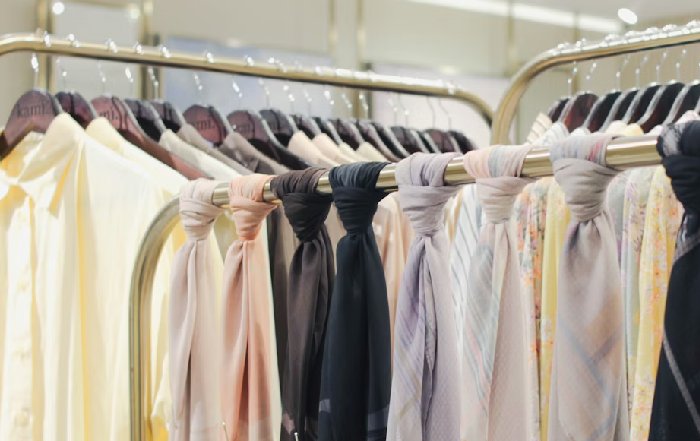
The Capsule Wardrobe and Sustainable Fashion in 2026: A Strategic Shift for People and Planet
The Capsule Wardrobe as a Business and Lifestyle Strategy
By 2026, the capsule wardrobe has evolved from a minimalist fashion trend into a strategic response to environmental risk, shifting consumer expectations, and the mounting economic costs of waste. For an audience of business leaders, sustainability professionals, and conscious consumers who follow YouSaveOurWorld.com, the capsule wardrobe is no longer merely about owning fewer garments; it has become a practical framework for aligning personal lifestyle choices, corporate responsibility, and global sustainability objectives in a way that is measurable, credible, and resilient in the face of accelerating climate and resource pressures.
The core idea of a capsule wardrobe-curating a small, high-quality, versatile collection of garments that can be mixed and matched across contexts-directly challenges the dominant fast fashion model that has driven overproduction and overconsumption for the past two decades. As organizations such as Ellen MacArthur Foundation have demonstrated through their circular economy research, the fashion industry has historically relied on a linear "take-make-waste" system that depletes natural resources, generates huge volumes of waste, and emits substantial greenhouse gases. In contrast, the disciplined approach of a capsule wardrobe incentivizes durability, repair, and thoughtful design, which supports both individual sustainable living and corporate commitments to climate and resource efficiency. Readers who are already exploring sustainable living practices can see the capsule wardrobe as a concrete, immediate step that connects personal choices with global impact.
Fast Fashion, Climate Change, and the Case for Fewer, Better Clothes
The environmental case for the capsule wardrobe is grounded in the increasingly well-documented footprint of the fashion sector. According to analyses from UN Environment Programme, the global fashion industry is responsible for a significant share of carbon emissions, freshwater withdrawals, and microplastic pollution, while the World Bank has highlighted how production and transportation of clothing contribute meaningfully to global greenhouse gas emissions and water contamination. As climate impacts intensify and are documented in detail by organizations like the Intergovernmental Panel on Climate Change (IPCC), the pressure on brands and consumers to reduce fashion-related emissions has grown from a niche concern to a mainstream business risk.
Fast fashion's business model depends on rapid trend cycles, low-cost materials, and short product lifespans, which in turn drive high volumes of textile waste. Municipal waste reports from agencies such as the U.S. Environmental Protection Agency (EPA) and the European Environment Agency (EEA) indicate that discarded clothing and textiles now represent a significant and growing share of landfill volumes. By deliberately limiting the number of garments owned and extending the lifespan of each item through careful selection, maintenance, and repair, capsule wardrobe adopters effectively reduce demand for new production, thereby shrinking the upstream environmental burden associated with fiber cultivation, dyeing, finishing, and logistics. Those interested in the broader climate context can deepen their understanding through resources on climate change impacts and solutions, which underscore why reducing fashion-related emissions is a meaningful component of a comprehensive climate strategy.
Experience and Expertise: How Capsule Wardrobes Build Sustainable Habits
From the standpoint of lived experience, the capsule wardrobe has proven to be one of the most accessible gateways into sustainable living because it sits at the intersection of daily routines, personal identity, and tangible environmental outcomes. Unlike abstract sustainability pledges, the decision to design a capsule wardrobe requires individuals to engage directly with their consumption habits, emotional attachments to clothing, and perceptions of status and self-expression. Over time, this process builds a form of experiential expertise: people learn which fabrics actually last, which cuts and colors are truly versatile, and which brands honor their sustainability claims with consistent quality rather than marketing rhetoric.
On YouSaveOurWorld.com, where readers explore themes such as environmental awareness and lifestyle transformation, the capsule wardrobe serves as a practical case study in how everyday decisions can either reinforce or disrupt unsustainable systems. By tracking how often garments are worn, how they perform over multiple seasons, and how easily they can be repaired or repurposed, individuals effectively create a small-scale laboratory for sustainable design and use-phase optimization. Insights from these personal experiments can then inform purchasing decisions, peer recommendations, and even feedback to brands, contributing to a more informed and demanding consumer base that values transparency and durability over novelty.
The Economics of Owning Less: Cost, Value, and Long-Term Savings
From a business perspective, the economics of capsule wardrobes are increasingly compelling, not only for consumers but also for companies seeking to build resilient revenue models in a resource-constrained world. Research from institutions such as the OECD and International Labour Organization (ILO) has shown that the traditional fast fashion model, while profitable in the short term, is exposed to rising risks related to volatile raw material prices, tightening environmental regulations, and growing scrutiny of labor conditions. In this context, a shift toward higher-quality, longer-lasting garments can support more stable margins, reduced returns, and stronger brand loyalty.
For consumers, the capsule wardrobe reframes clothing expenditure from a series of impulse purchases to a longer-term investment strategy. While the upfront cost per item may be higher, the cost per wear typically decreases significantly when garments are chosen for durability, timeless design, and versatility across seasons and occasions. Over a multi-year horizon, this approach often results in lower total spending on clothing, reduced time spent shopping and managing clutter, and fewer regretful purchases. Readers who are already considering the financial aspects of sustainability can connect these insights to broader discussions of the sustainable economy, where cost savings, risk reduction, and value creation are increasingly intertwined with environmental performance.
Plastic, Polyester, and the Link to Waste and Recycling
The capsule wardrobe also intersects directly with the critical issue of plastic waste, particularly through the widespread use of synthetic fibers such as polyester, nylon, and acrylic. These materials, derived from fossil fuels, are now ubiquitous in clothing due to their low cost and performance characteristics, but they also contribute to microplastic pollution when washed and eventually discarded. Studies by organizations like Ocean Conservancy and UNESCO have highlighted the growing presence of microplastics in marine ecosystems, while research compiled by National Oceanic and Atmospheric Administration (NOAA) connects synthetic textiles to this pollution pathway.
By prioritizing natural fibers, recycled materials, and garments designed for longevity, capsule wardrobe practitioners can reduce their contribution to plastic-intensive clothing streams. Moreover, because capsules encourage thoughtful end-of-life planning, they can be aligned with more responsible plastic recycling and textile recovery practices, including donation to credible organizations, participation in brand take-back schemes, and support for emerging textile-to-textile recycling technologies. This mindset is closely connected to the broader theme of waste reduction, where the goal is not merely to manage waste more efficiently, but to design it out of the system wherever possible.
Sustainable Business Models and Corporate Responsibility in Fashion
For companies, the rise of the capsule wardrobe has catalyzed a rethinking of business models and product strategies. Leading brands and retailers are experimenting with seasonless collections, modular designs, and made-to-order production that align more closely with capsule principles. Organizations such as Sustainable Apparel Coalition and initiatives like the Fashion Industry Charter for Climate Action under the UNFCCC are providing frameworks and tools to measure and reduce the environmental footprint of clothing, while investors and regulators are increasingly demanding that fashion businesses disclose their climate risks and supply chain impacts.
Within this evolving landscape, the capsule wardrobe becomes a bridge between corporate sustainability commitments and tangible customer value. Brands that offer well-constructed basics, transparent sourcing, and repair or alteration services can position themselves as partners in their customers' journey toward more intentional wardrobes. Those exploring sustainable business strategies will recognize that this approach is not about encouraging consumers to buy nothing, but rather about optimizing product lifecycles, strengthening customer relationships, and differentiating through authenticity and durability instead of relentless trend-chasing. As regulatory frameworks such as extended producer responsibility for textiles gain traction in jurisdictions documented by the European Commission and national governments, business models that align with capsule principles may also benefit from lower compliance costs and reputational advantages.
Innovation, Technology, and Data-Driven Wardrobe Design
Innovation and technology are now central to the evolution of capsule wardrobes and sustainable fashion more broadly. Digital tools, from wardrobe management apps to AI-driven styling assistants, are enabling individuals to track usage, experiment with combinations, and identify gaps in their capsules before making new purchases. At the same time, advances in material science and textile engineering, documented by institutions such as MIT and Fraunhofer Institute, are producing fabrics that are more durable, easier to recycle, and less resource-intensive to manufacture.
For the readership of YouSaveOurWorld.com, which frequently engages with themes of innovation and technology, the capsule wardrobe represents an area where digital and physical systems converge. Data on garment wear frequency, repair history, and user satisfaction can inform both individual decisions and corporate product development, enabling a feedback loop that rewards genuinely sustainable design. Blockchain-based traceability solutions, promoted by organizations like World Economic Forum, are also helping to verify claims about fiber origin, labor conditions, and environmental performance, thereby strengthening trust in brands that align with capsule philosophies.
Design Thinking: From Trend Cycles to Timeless Utility
Design is at the heart of the capsule wardrobe concept, not only in terms of aesthetics but also in terms of functionality, adaptability, and longevity. Traditional fashion design often focuses on novelty and runway impact, but capsule-oriented design requires a different mindset, one that prioritizes modularity, layering potential, and compatibility across multiple use cases. Resources from institutions such as Parsons School of Design and London College of Fashion have increasingly integrated sustainable design principles into their curricula, emphasizing life-cycle thinking and circularity.
For designers and product managers, the challenge is to create garments that remain relevant over several years, withstand repeated wear and care, and can transition smoothly between professional, casual, and social contexts. This approach resonates strongly with the design-focused content on YouSaveOurWorld.com, where readers explore how thoughtful design choices can reduce environmental impact while enhancing user experience. By embedding capsule principles into the design process-selecting durable fabrics, simplifying color palettes, and avoiding overly trend-dependent details-brands can help customers build wardrobes that are both aesthetically satisfying and environmentally responsible.
Education, Awareness, and the Global Dimension of Fashion Choices
The success of the capsule wardrobe movement depends heavily on education and awareness, both among consumers and within the fashion industry. Educational initiatives from organizations like Fashion Revolution and academic programs highlighted by UNESCO have helped to illuminate the social and environmental costs of fast fashion, from unsafe working conditions to water pollution and biodiversity loss. As awareness grows, consumers become more receptive to alternatives that offer transparency, fairness, and reduced ecological harm.
On YouSaveOurWorld.com, where education and environmental awareness are central themes, the capsule wardrobe can be presented as a practical curriculum in sustainable consumption. By understanding the global supply chains behind their garments, including the labor in producing countries and the environmental impacts across continents, individuals gain a clearer sense of how their personal wardrobes are connected to global systems. This perspective is reinforced by resources from International Labour Organization (ILO) and World Resources Institute (WRI), which document the human and ecological dimensions of textile production. Such knowledge empowers consumers to make more informed decisions and to support businesses that demonstrate genuine responsibility in their operations.
Personal Well-Being, Mental Clarity, and Lifestyle Benefits
Beyond environmental and economic considerations, the capsule wardrobe has significant implications for personal well-being and mental health. Research in behavioral science and psychology, including work disseminated by organizations like the American Psychological Association (APA), suggests that reducing choice overload and simplifying daily decisions can lower stress, improve focus, and increase overall satisfaction. A well-curated capsule wardrobe reduces the cognitive burden associated with getting dressed, declutters living spaces, and encourages a more intentional relationship with material possessions.
For readers exploring personal well-being and holistic lifestyle changes, the capsule wardrobe offers a concrete, manageable intervention that aligns inner values with outward behavior. By treating clothing as a curated toolkit rather than a constantly expanding collection, individuals can free up time, mental energy, and financial resources for experiences, learning, and relationships that contribute more directly to long-term fulfillment. This alignment between values and actions also enhances a sense of integrity and agency, reinforcing the broader mission of YouSaveOurWorld.com to connect sustainable living with personal and societal flourishing.
Integrating Capsule Wardrobes into Business and Global Sustainability Agendas
In 2026, the capsule wardrobe is best understood as part of a wider transformation in how societies think about consumption, ownership, and responsibility. At the business level, it encourages companies to rethink growth strategies, moving from volume-based models toward value-based models that emphasize durability, service, and circularity. At the consumer level, it provides a practical structure for aligning everyday behavior with the urgent need to address climate change, resource depletion, and waste. At the global level, it contributes to the achievement of several United Nations Sustainable Development Goals (SDGs), including responsible consumption and production, climate action, and decent work.
For the community around YouSaveOurWorld.com, integrating capsule wardrobe principles into personal and professional life can serve as a powerful demonstration of how individual choices aggregate into systemic change. As readers engage with topics such as global sustainability challenges, business transformation, and innovation in sustainable fashion, the capsule wardrobe stands out as a tangible, replicable practice that embodies the core values of experience, expertise, authoritativeness, and trustworthiness. It invites collaboration between designers, technologists, educators, policymakers, and consumers, all working toward a fashion system that respects planetary boundaries while supporting human dignity and well-being.
By embracing the capsule wardrobe not as a fleeting trend but as a strategic, design-led response to the environmental and social realities of 2026, businesses and individuals can help reshape the fashion industry into a sector that contributes positively to climate stability, resource stewardship, and human flourishing. In doing so, they align themselves with a future in which style, sustainability, and responsibility are not competing priorities but mutually reinforcing dimensions of a more resilient and ethical way of living.
