The Challenges and Opportunities of E-Waste Recycling in Africa
Introduction: A Defining Sustainability Test for a Digital Continent
As Africa accelerates its digital transformation, the continent faces a defining sustainability test: how to manage the surging volumes of discarded phones, laptops, televisions, solar inverters, and other electronic devices that underpin its growth. Electronic waste, or e-waste, is now one of the fastest-growing waste streams in the world, and Africa is at the crossroads of global production, consumption, and disposal patterns. For a platform such as YouSaveOurWorld.com, which is dedicated to advancing sustainable living and responsible innovation, the question is not whether e-waste will shape Africa's future, but how governments, businesses, and communities can turn a mounting liability into a strategic opportunity for green jobs, circular economies, and climate resilience.
International agencies estimate that tens of millions of tonnes of e-waste are generated worldwide each year, with a significant share entering African markets through both legal and informal channels. Readers who wish to understand the global context can explore the work of the United Nations Environment Programme (UNEP), which outlines the scale and health impacts of e-waste on its website at unep.org. Yet the African story is distinct. It is shaped by rapid urbanization, youthful demographics, growing middle classes, and expanding connectivity, combined with constrained formal waste infrastructure and uneven regulation. This article examines the core challenges and emerging opportunities of e-waste recycling in Africa, and explores how businesses, policymakers, and citizens can collaborate to build systems that align with the values of environmental responsibility promoted by YouSaveOurWorld.com.
Understanding E-Waste in the African Context
E-waste encompasses a broad range of discarded electrical and electronic equipment, including computers, mobile phones, household appliances, photovoltaic panels, and industrial systems. These products contain valuable materials such as gold, copper, palladium, and rare earth elements, but also hazardous substances including lead, mercury, cadmium, and brominated flame retardants. The International Telecommunication Union (ITU), through its work on digital development at itu.int, has repeatedly highlighted that Africa's rapid growth in device ownership, mobile broadband, and data centers is dramatically increasing the volume of electronics reaching end-of-life.
In many African countries, the e-waste stream is composed of both domestically generated products and imported second-hand or near-end-of-life equipment. While second-hand markets can extend product lifetimes and support affordability, they also create complex waste management challenges when devices finally fail. The World Bank has documented the implications of digitalization for infrastructure and waste systems, and its analyses at worldbank.org underscore the importance of integrating e-waste considerations into national development strategies. For readers of YouSaveOurWorld.com who follow climate change and environmental awareness, this intersection of digital progress and environmental risk is central to understanding Africa's sustainability trajectory.
Regulatory and Governance Challenges
Robust governance is the foundation of any effective e-waste system, yet many African countries are still in the early stages of designing and enforcing comprehensive frameworks. While some states have introduced legislation based on extended producer responsibility, which makes manufacturers and importers financially or operationally responsible for end-of-life management, implementation and enforcement often fall short due to limited institutional capacity and fragmented oversight.
The Basel Convention, administered by the Secretariat of the Basel, Rotterdam and Stockholm Conventions at basel.int, provides an international legal framework for controlling transboundary movements of hazardous waste, including certain categories of e-waste. However, weak customs enforcement, ambiguous classifications of "used" versus "waste" electronics, and limited technical expertise can allow non-compliant shipments to enter African ports. This regulatory gap undermines formal recyclers, who must invest in compliance and environmental safeguards, while informal operators can undercut them with lower costs and unsafe practices.
At the same time, the absence of harmonized standards across regional economic communities complicates cross-border cooperation. The African Union (AU), accessible at au.int, has begun to recognize e-waste as part of its broader agenda on industrialization, digital economy, and environmental protection, yet translating continental strategies into coordinated national policies remains a work in progress. For the business-focused audience of YouSaveOurWorld.com, this regulatory uncertainty affects investment decisions, risk assessments, and the pace at which scalable, compliant recycling infrastructure can be deployed.
The Dominance and Dilemmas of the Informal Sector
In most African cities, the informal sector plays a central role in collecting, repairing, refurbishing, and dismantling electronic devices. Informal workers, often operating in precarious conditions, have developed intricate networks that connect households, small businesses, and scrap traders, creating a de facto reverse logistics system that is both agile and deeply embedded in local economies. Studies by organizations such as UN-Habitat, available at unhabitat.org, show that these actors provide essential services that municipalities are currently unable to replicate at scale.
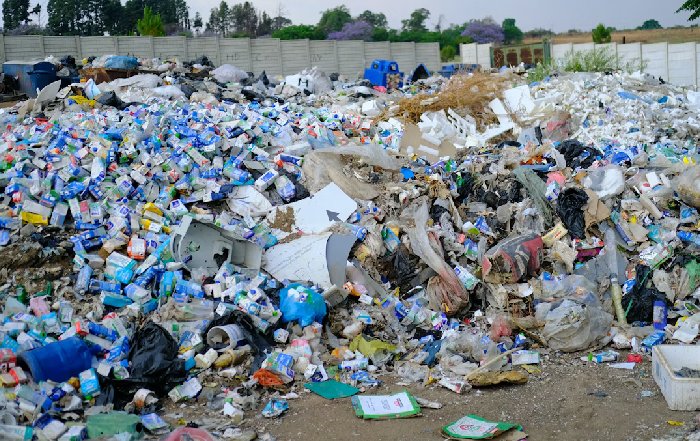
However, the methods used in informal e-waste processing are frequently hazardous. Open burning of cables to recover copper, acid leaching to extract metals from circuit boards, and manual dismantling without protective equipment expose workers and nearby communities to toxic fumes, contaminated soil, and polluted water. The World Health Organization (WHO), at who.int, has documented severe health impacts, including respiratory disease, neurological disorders, and developmental harm to children living near informal e-waste sites.
This dual reality presents a profound policy and ethical challenge. On one hand, the informal sector is indispensable for collection and provides livelihoods for tens of thousands of people. On the other, its current practices are incompatible with the goals of sustainable business and responsible waste management that YouSaveOurWorld.com advocates. The path forward will require carefully designed integration models that formalize and upgrade informal activities without destroying incomes or social networks.
Economic Potential and the Circular Economy Opportunity
Despite the risks, e-waste represents a substantial economic opportunity for Africa if managed within a circular economy framework. The value of recoverable materials in global e-waste runs into tens of billions of dollars annually, and Africa's share is rising as device penetration increases. By investing in advanced recycling facilities, collection systems, and repair and refurbishment ecosystems, African countries can reduce dependence on imported raw materials, create skilled jobs, and develop new revenue streams for both public and private sectors.
The Ellen MacArthur Foundation, a leading advocate of circular economy principles at ellenmacarthurfoundation.org, emphasizes the importance of designing products for longevity, repairability, and recyclability. Applied to Africa's e-waste context, these principles suggest that local businesses-ranging from electronics retailers to telecom operators and fintech providers-can differentiate themselves by offering take-back schemes, modular products, and service-based models that keep devices in use for longer. For readers exploring sustainable business models on YouSaveOurWorld.com, e-waste is a prime arena where environmental stewardship and profitability can align.
Moreover, formal recycling facilities can become hubs of industrial symbiosis, where recovered metals feed local manufacturing, and non-metal fractions are used in construction materials or energy recovery under strict environmental controls. As Africa seeks to build more resilient and diversified economies, which YouSaveOurWorld.com discusses in its economy and business sections, e-waste recycling can be positioned as a strategic sector that links digitalization, industrial policy, and environmental sustainability.
Technology, Innovation, and the Digital Backbone of E-Waste Systems
Technological innovation is transforming how e-waste is tracked, collected, and processed, and Africa is beginning to harness these tools in ways that reflect its unique conditions. Digital platforms, mobile apps, and data analytics can optimize collection routes, match informal collectors with formal recyclers, and provide transparent documentation of material flows, which is essential for compliance and investor confidence. The World Economic Forum (WEF), at weforum.org, has highlighted the role of digital technologies in enabling circular value chains, including e-waste.
Across African cities, start-ups and social enterprises are experimenting with incentive-based collection schemes, where households and small businesses receive digital credits or mobile money in exchange for handing in obsolete devices. These models align with the broader innovation agenda that YouSaveOurWorld.com explores in its innovation and technology pages, where responsible use of digital tools is framed as a driver of both environmental and social outcomes. At the processing end, advances in automated sorting, robotics, and environmentally sound metallurgical processes are gradually becoming more accessible, though high capital costs and skills requirements remain significant barriers.
There is also growing interest in applying blockchain or other distributed ledger technologies to verify the origin and treatment of e-waste, which could support green financing, certification schemes, and corporate reporting. Such traceability tools are particularly relevant for multinational electronics brands and telecom operators seeking to demonstrate compliance with global standards and to build trust with African consumers who are increasingly aware of sustainability issues.
Social Dimensions, Education, and Environmental Awareness
E-waste is not only a technical and economic issue; it is deeply social, affecting health, livelihoods, and community well-being. Building effective e-waste systems in Africa requires sustained investment in public education, behavioral change, and environmental awareness campaigns that resonate with diverse cultural contexts and literacy levels. The United Nations Educational, Scientific and Cultural Organization (UNESCO), accessible at unesco.org, underscores the importance of environmental education and green skills development in achieving sustainable development goals.
For a platform like YouSaveOurWorld.com, which emphasizes environmental awareness and education as pillars of sustainable living, e-waste offers a powerful narrative to engage schools, universities, community groups, and faith-based organizations. By explaining the hidden value and hidden dangers inside everyday devices, educators can help citizens make informed choices about purchasing, repairing, and disposing of electronics. Integrating e-waste topics into curricula, vocational training, and public campaigns can foster a culture of responsible consumption that supports both environmental protection and personal well-being.
At the same time, targeted training programs can empower informal workers, technicians, and small entrepreneurs with safer practices and business skills, enabling them to participate in more formalized and profitable recycling value chains. This social dimension connects directly to the broader lifestyle conversation that YouSaveOurWorld.com advances in its lifestyle content, where individual choices are linked to systemic outcomes in health, equity, and environmental quality.
Health, Climate, and Environmental Impacts
The environmental and health impacts of mismanaged e-waste are significant and multifaceted. Toxic substances released during informal burning and dismantling contaminate air, soil, and water, leading to long-term ecological damage and acute health crises for workers and nearby residents. Research summarized by organizations such as The Lancet Commission on Pollution and Health, detailed at thelancet.com, indicates that pollution from waste, including e-waste, imposes substantial economic costs through lost productivity, healthcare expenses, and reduced life expectancy.
From a climate perspective, e-waste is connected to greenhouse gas emissions in several ways. The production of new electronic devices is energy-intensive and often relies on fossil fuel-based electricity and carbon-intensive mining operations. When devices are discarded prematurely or not recycled, the embedded energy and emissions associated with their manufacture are effectively wasted, and additional emissions are generated to produce replacement products. Furthermore, some categories of e-waste, such as refrigeration equipment, contain potent greenhouse gases that can be released if not properly recovered and treated.
For readers who follow the climate and global environmental discussions on YouSaveOurWorld.com, it is important to see e-waste not as an isolated waste stream but as a node in a larger system of resource use, energy consumption, and climate risk. By extending product lifetimes, improving repairability, and increasing recycling rates, African countries can contribute to climate mitigation while also protecting local ecosystems and public health.
Policy Pathways and the Role of Business Leadership
Addressing the challenges and unlocking the opportunities of e-waste recycling in Africa will require coordinated action across multiple policy domains, from trade and industry to health, education, and urban planning. Governments can strengthen regulatory frameworks by clarifying definitions of e-waste, aligning national laws with the Basel Convention, and adopting extended producer responsibility schemes that are tailored to local market realities. The Organisation for Economic Co-operation and Development (OECD), at oecd.org, provides guidance on policy instruments for waste and circular economy that can inform African adaptations.
However, policy alone is insufficient without strong business leadership. Electronics manufacturers, telecom operators, retailers, and financial institutions have the capacity to shape product design, distribution models, and end-of-life systems. By embedding circular principles into their strategies, these companies can reduce costs, manage regulatory risks, and respond to rising consumer expectations around sustainability. For corporate readers of YouSaveOurWorld.com, the site's business and sustainable business sections offer insights into how environmental, social, and governance (ESG) considerations can be integrated into core decision-making, including in emerging sectors like e-waste.
Public-private partnerships can play a pivotal role in financing and operating collection and recycling infrastructure, particularly where municipal budgets are constrained. Development finance institutions and impact investors are increasingly interested in circular economy projects, and credible, well-governed e-waste ventures in Africa can attract such capital if they demonstrate robust environmental safeguards, social inclusion, and transparent governance.
Design, Product Stewardship, and Upstream Innovation
While much attention is rightly focused on downstream recycling, the most effective long-term solutions to e-waste in Africa lie upstream, in the design of products and systems. Concepts such as design for disassembly, modular architecture, and standardized components can dramatically improve repairability and recyclability, reducing both waste volumes and processing costs. The Design Council and other leading organizations in the design field, accessible via resources such as designcouncil.org.uk, have emphasized the central role of design in achieving sustainability outcomes.
For African markets, upstream innovation also includes business models that prioritize access over ownership, such as device-as-a-service offerings, leasing, and pay-per-use arrangements, which incentivize providers to maintain and recover equipment efficiently. These models align with the design-oriented perspective that YouSaveOurWorld.com highlights in its design and innovation content, where aesthetics, functionality, and sustainability are treated as mutually reinforcing rather than competing objectives.
Moreover, there is an opportunity for African entrepreneurs and engineers to develop context-specific solutions, such as rugged, easily repairable devices tailored to local conditions, or low-cost diagnostic tools and spare-parts networks that extend the life of imported electronics. Such innovation not only reduces e-waste but also builds local capabilities and intellectual property, strengthening the continent's position in global value chains.
Integrating E-Waste into a Broader Sustainability Vision
For YouSaveOurWorld, e-waste recycling in Africa is not an isolated technical challenge but a lens through which to view broader themes of sustainable living, responsible consumption, and inclusive economic development. It intersects with discussions on plastic recycling and other waste streams, with debates about the future of work and skills in a digital economy, and with questions of environmental justice and intergenerational equity. When citizens choose to repair rather than replace, when businesses design products for longevity, and when governments invest in safe recycling infrastructure, they are collectively shaping a future in which technology enhances, rather than undermines, planetary health.
As the continent moves deeper into the digital age, the choices made today about how to manage e-waste will reverberate for decades in terms of environmental quality, public health, and economic opportunity. By drawing on global best practices from institutions such as UNEP, WHO, UNESCO, and the Ellen MacArthur Foundation, and by grounding these insights in African realities, stakeholders can build systems that reflect the values of experience, expertise, authoritativeness, and trustworthiness that guide the editorial approach of YouSaveOurWorld.com.
In this evolving landscape, the role of informed platforms is to connect decision-makers, practitioners, and citizens with knowledge, tools, and inspiration. By continuing to explore topics such as innovation, technology, economy, and education through the specific lens of e-waste, YouSaveOurWorld.com aims to support a coherent, actionable vision for a digital Africa that is not only more connected, but also more circular, equitable, and resilient. One has to keep going back to the question of how we can make the world a better place.
