
The Economic Potential of a Global Repair Economy
A New Economic Frontier for a Resource-Constrained World
A quiet but big transformation is emerging at the intersection of sustainability, innovation, and global commerce: the rise of the repair economy. In contrast to the dominant linear model of "take, make, waste," a global repair economy prioritizes extending the useful life of products, components, and materials, thereby reshaping how value is created, preserved, and shared across societies and markets. For YouSaveOurWorld which is dedicated to advancing sustainable living and responsible business practices, the economic potential of this shift is not merely an environmental aspiration; it is a strategic, data-driven opportunity to redefine growth in a resource-constrained century.
The repair economy sits at the heart of the broader circular economy framework, which is increasingly recognized by institutions such as the Ellen MacArthur Foundation and organizations like OECD as a viable pathway to decouple economic development from resource depletion. By focusing on maintenance, refurbishment, remanufacturing, and reuse, repair-centric models can reduce pressure on ecosystems, cut greenhouse gas emissions, and generate new streams of employment and entrepreneurship. At the same time, they can foster resilience in supply chains and create more inclusive economic participation, especially in regions where access to new products is limited or financially prohibitive. In this context, understanding the economic potential of a global repair economy is vital for corporate leaders, policymakers, investors, and citizens who follow the business and sustainability insights regularly shared on YouSaveOurWorld.com.
From Linear Consumption to Circular Value Creation
For most of the industrial era, economic success has been measured by the volume of products manufactured and sold, with little consideration for what happens once those products reach the end of their first life. This linear logic has driven unprecedented growth but also escalating waste, pollution, and resource extraction. According to the World Bank, global municipal solid waste is projected to increase significantly by 2050 if current consumption patterns continue, placing extraordinary strain on landfills, infrastructure, and public health. The repair economy challenges this trajectory by asserting that value does not end when a product breaks; rather, it can be renewed, reconfigured, and redistributed.
This paradigm shift aligns closely with the themes of waste reduction and resource efficiency that are central to the mission of YouSaveOurWorld.com, and it is supported by a growing body of evidence from organizations such as the United Nations Environment Programme (UNEP), which highlights the economic gains of circularity in multiple sectors. By designing products for durability, modularity, and reparability, manufacturers can unlock new service-based revenue models, while consumers can benefit from lower lifetime costs and improved reliability. In parallel, digital technologies and data analytics are making it easier to predict failures, optimize maintenance schedules, and coordinate repair services at scale, further enhancing the economic logic of repair over replacement.
The Macroeconomic Case: Jobs, GDP, and Resilience
At the macroeconomic level, a global repair economy has the potential to create millions of jobs, particularly in local service sectors that are difficult to automate or offshore. Studies by organizations such as the International Labour Organization (ILO) and International Resource Panel have repeatedly shown that circular economy strategies, including repair and remanufacturing, tend to be more labor-intensive than linear production and disposal, which can translate into net employment gains when implemented thoughtfully. These jobs span a wide range of skill levels-from highly specialized technicians and engineers to community-based repair professionals-offering diverse opportunities for workforce participation.
In addition to employment, the repair economy can contribute to GDP growth by stimulating new markets for spare parts, diagnostic tools, and service platforms, while also increasing productivity through longer-lasting assets. Infrastructure such as machinery, vehicles, and industrial equipment can be kept in operation for extended periods, improving the return on investment for businesses and public authorities. Reports from the World Economic Forum and McKinsey & Company have highlighted how circular practices can enhance economic resilience by reducing dependence on volatile commodity markets and long, vulnerable supply chains. This resilience has become especially important in the wake of global disruptions to trade and logistics, underscoring the value of local and regional repair ecosystems that can keep economies functioning even when imports are constrained.
For readers of YouSaveOurWorld.com who are interested in the intersection of economy, innovation, and sustainability, the repair economy presents a compelling macroeconomic narrative: it is not about shrinking economic activity but about redirecting it toward higher-value, less resource-intensive forms of production and service delivery, thereby aligning prosperity with planetary boundaries.
Sector-by-Sector Opportunities in a Repair-First World
The economic potential of a global repair economy becomes clearer when examined through specific sectors where repair can generate substantial value. In consumer electronics, for example, the rapid pace of innovation has led to short product lifecycles and mounting e-waste, which the Global E-waste Monitor and International Telecommunication Union (ITU) have identified as a major environmental and health challenge. By enabling repairs through modular design, accessible spare parts, and transparent repair information, manufacturers and third-party providers can tap into a large and growing market for device maintenance and refurbishment, while reducing the need for energy- and resource-intensive manufacturing of new units.
In the automotive and mobility sector, repair and remanufacturing of components such as engines, batteries, and electronics already represent a significant share of economic activity, with organizations like European Remanufacturing Council documenting how remanufactured parts can deliver equivalent performance at lower cost and with a fraction of the environmental footprint. As electric vehicles become more prevalent, specialized repair services for batteries and power electronics will become increasingly important, creating new technical and business opportunities. Similarly, in industrial equipment, construction machinery, and agricultural tools, predictive maintenance and advanced diagnostics enabled by the Industrial Internet of Things (IIoT) can extend asset lifetimes and reduce downtime, generating savings and new revenue streams for service providers.
These sectoral opportunities align with the broader themes of sustainable business transformation that YouSaveOurWorld.com explores, demonstrating that repair is not a niche activity but a cross-cutting strategy with relevance to virtually every industry. From healthcare equipment to household appliances, from textiles to furniture, the potential to design for repair and operate repair-centric business models is vast, and the organizations that move early are likely to gain competitive advantages in cost, customer loyalty, and regulatory compliance.
Repair, Climate Change, and Resource Security
The climate implications of a global repair economy are profound. Every time a product is repaired rather than replaced, the embedded energy and emissions associated with its production are effectively amortized over a longer period, reducing the overall carbon intensity of consumption. Analyses from the Intergovernmental Panel on Climate Change (IPCC) and International Energy Agency (IEA) have underscored that material efficiency and product longevity are essential levers in pathways to net-zero emissions, particularly in sectors such as steel, cement, and consumer goods where production is highly energy-intensive.
For an audience attuned to climate change impacts and solutions, it is important to recognize that repair is not simply a matter of personal ethics or frugality; it is a structural climate strategy. By extending product lifetimes, societies can reduce demand for virgin materials such as metals, rare earths, and fossil fuel-derived plastics, thereby lowering emissions from mining, refining, and manufacturing. This also enhances resource security, a growing concern highlighted by organizations like the World Resources Institute and Chatham House, as geopolitical tensions and supply constraints make access to critical materials more uncertain. A robust repair economy can buffer these risks by keeping existing materials in circulation longer and by enabling localized value creation that is less vulnerable to global shocks.
In addition, repair plays a crucial role in addressing the mounting challenge of waste, which has both climate and public health dimensions. Landfills and incinerators generate greenhouse gases and pollutants, while mismanaged waste contributes to plastic pollution in oceans and waterways. By reducing the volume of discarded products, the repair economy supports the goals of international initiatives such as the UN Sustainable Development Goals (SDGs), particularly those related to responsible consumption and production, climate action, and life below water, which are core reference points for the environmental narratives on YouSaveOurWorld.com.
The Business Case: Profitability, Brand Trust, and Customer Loyalty
From a corporate perspective, the repair economy is often misunderstood as a threat to sales volumes, yet forward-looking businesses are discovering that it can be a powerful driver of profitability, brand trust, and long-term customer relationships. Service-based models, such as maintenance contracts, subscription access, and pay-per-use arrangements, can generate recurring revenue while aligning incentives around product durability and performance. Companies that offer reliable repair services and genuine spare parts can differentiate themselves in crowded markets, particularly as consumers become more conscious of environmental impacts and total cost of ownership.
Research by organizations like Accenture and Boston Consulting Group has shown that circular business models, including repair and refurbishment, can unlock new profit pools and reduce operating risks. For example, by designing products that are easier to disassemble and repair, manufacturers can lower warranty costs, decrease returns, and streamline reverse logistics. At the same time, transparent repair policies and support for independent repair providers can enhance brand reputation, demonstrating a commitment to environmental responsibility and consumer rights. This is particularly relevant as "right to repair" legislation gains momentum in multiple jurisdictions, with regulatory bodies such as the European Commission and various national agencies introducing rules that require manufacturers to make repair information and parts more accessible.
The editorial focus on sustainable business practices and corporate responsibility at YouSaveOurWorld.com underscores that repair is not merely a compliance issue but a strategic differentiator. Companies that embrace repair as a core element of their value proposition can position themselves as leaders in innovation, resilience, and stakeholder trust, which in turn can attract investment, talent, and customer loyalty in a marketplace increasingly shaped by environmental, social, and governance (ESG) considerations.
Innovation, Technology, and the Digital Backbone of Repair
The emergence of a global repair economy is being accelerated by advances in digital technology and innovation. Predictive analytics, powered by artificial intelligence and machine learning, can anticipate failures before they occur, enabling proactive maintenance and reducing costly downtime. Digital twins and advanced simulation tools allow engineers to model product performance and optimize designs for reparability, while additive manufacturing (3D printing) can produce spare parts on demand, even in remote locations, reducing inventory costs and logistical delays.
Platforms that connect consumers, technicians, and parts suppliers are creating new marketplaces for repair services, often leveraging mobile apps and cloud-based systems to streamline diagnostics, booking, and payment. Organizations such as IFixit have demonstrated the power of open repair information, providing manuals and guidance that empower individuals and small businesses to repair a wide range of devices. Meanwhile, industrial players are integrating repair into their broader digital transformation strategies, as seen in initiatives highlighted by Siemens, Schneider Electric, and other global leaders in industrial technology.
These developments resonate strongly with the themes of innovation and technology for sustainability that are central to YouSaveOurWorld.com, illustrating how technological progress can support rather than undermine environmental goals. The key challenge is to ensure that innovation is directed toward enhancing reparability and circularity, rather than reinforcing planned obsolescence or creating systems that are too complex or proprietary to be repaired outside of narrow vendor-controlled channels. Achieving this balance requires collaboration between industry, regulators, and civil society, as well as investment in open standards, interoperability, and transparent design practices.
Design for Repair: Rethinking Products, Systems, and Experiences
At the heart of a robust repair economy lies a fundamental rethinking of design. Products that are glued shut, use unnecessary proprietary fasteners, or integrate components in ways that make disassembly difficult are inherently hostile to repair. By contrast, design approaches that prioritize modularity, standardization, and accessibility can dramatically reduce the time, cost, and complexity of repair, turning what was once a liability into a competitive advantage. Organizations such as the Design Council and IDEO have been influential in promoting human-centered and sustainable design principles that integrate repairability from the earliest stages of product development.
For a business-oriented audience, it is important to recognize that design for repair is not only about physical products; it also encompasses service design, user experience, and business model innovation. Clear communication about repair options, warranties, and maintenance schedules can build trust and reduce customer frustration, while intuitive interfaces and diagnostics can empower users to perform basic repairs themselves or to collaborate more effectively with professional technicians. These ideas align with the broader exploration of design as a driver of sustainability and value that YouSaveOurWorld.com brings to its readers, highlighting how thoughtful design choices can create synergies between environmental performance, cost efficiency, and user satisfaction.
Furthermore, systems-level design is essential to fully realize the economic potential of repair. This includes establishing reverse logistics networks, standardized parts libraries, and shared repair infrastructures that can be leveraged across multiple brands and sectors. It also involves embedding repair considerations into procurement policies, public tenders, and corporate sourcing strategies, so that large buyers-such as governments, hospitals, and industrial conglomerates-signal clear demand for repairable solutions and services.
Education, Skills, and the Human Capital of Repair
A global repair economy cannot flourish without a corresponding investment in education, training, and skills development. Repair work requires a blend of technical knowledge, problem-solving abilities, and practical experience, and these capabilities must be cultivated across the workforce, from vocational training programs to advanced engineering curricula. Institutions such as UNESCO and the OECD have emphasized the importance of lifelong learning and skills for a green transition, and repair is a prime example of an area where targeted education can yield significant economic and social dividends.
For younger generations, learning how to repair everyday items-from bicycles to computers-can foster a deeper understanding of technology and a sense of agency in relation to material consumption. This aligns with the educational themes explored in sustainability-focused learning and awareness initiatives on YouSaveOurWorld.com, where repair is presented not only as a technical skill but as a mindset that values stewardship, curiosity, and resilience. For mid-career professionals, reskilling and upskilling programs can open pathways into emerging repair-intensive sectors, particularly as automation and digitalization change the nature of work in traditional manufacturing and services.
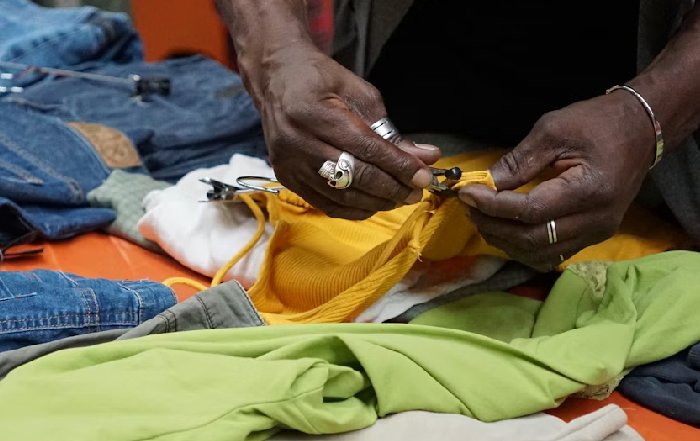
Moreover, repair has a strong social dimension that can enhance community cohesion and local economic development. Community repair events, maker spaces, and repair cafés-examples of which are supported by organizations like the Restart Project-bring people together to share skills, tools, and knowledge, fostering networks of mutual support and entrepreneurship. These community-level initiatives can serve as incubators for small businesses and social enterprises that contribute to local employment and innovation, while also advancing the broader goals of environmental awareness and resource conservation that YouSaveOurWorld.com champions.
Repair, Lifestyle, and Personal Well-Being
Beyond macroeconomics, corporate strategy, and policy frameworks, the repair economy has important implications for lifestyle and personal well-being. In many societies, the dominant culture of disposability has contributed to a sense of disconnection from the material world, where objects are seen as ephemeral and easily replaceable. Repair challenges this mindset by encouraging individuals to develop a deeper relationship with their possessions, understanding how they work, how they can be maintained, and how their value can be preserved over time. This can foster a sense of satisfaction, autonomy, and craftsmanship that is often missing in purely consumption-driven lifestyles.
Psychological research, including work shared by institutions like the American Psychological Association (APA), suggests that meaningful engagement in hands-on activities, learning new skills, and contributing to tangible outcomes can enhance well-being and reduce stress. Repair activities, whether performed individually or in community settings, offer such opportunities, connecting personal fulfillment with environmental responsibility. This resonates strongly with the themes of lifestyle transformation and personal well-being that are central to the editorial vision of YouSaveOurWorld.com, reinforcing the idea that sustainable choices can also be enriching and empowering.
In addition, repair-oriented lifestyles can reduce financial stress by lowering the costs associated with frequent replacement of goods, freeing up resources for experiences, education, and investments in higher-quality, longer-lasting products. This more deliberate approach to consumption supports a broader cultural shift toward sufficiency and mindful living, which complements the practical guidance on sustainable lifestyle changes that readers find on YouSaveOurWorld.com.
Aligning Repair with Global Policy and Corporate Strategy
The economic potential of a global repair economy will not be fully realized without supportive policy frameworks and strategic alignment across public and private sectors. Governments play a crucial role in setting standards, regulations, and incentives that encourage repair-friendly design, transparency, and market development. Policy instruments can include extended producer responsibility schemes, tax incentives for repair services, reduced value-added tax (VAT) on repair activities, and mandatory availability of spare parts and repair information. The European Union has been at the forefront of such measures, with initiatives under the European Green Deal and circular economy action plans that aim to mainstream repair and reuse across member states.
International organizations such as the World Trade Organization (WTO) and UN Conference on Trade and Development (UNCTAD) can also influence the global repair economy by shaping trade rules, promoting technology transfer, and supporting capacity-building in developing countries. For multinational corporations, aligning internal strategies with these evolving policy landscapes is both a risk management necessity and a source of competitive differentiation. Integrating repair into ESG strategies, sustainability reporting, and stakeholder engagement can demonstrate leadership and responsiveness to investor expectations, particularly as frameworks like the Task Force on Climate-related Financial Disclosures (TCFD) and emerging standards from the International Sustainability Standards Board (ISSB) increasingly highlight resource efficiency and circularity.
For the global audience of YouSaveOurWorld.com, which follows developments in global sustainability and business transformation, this alignment between repair, policy, and corporate strategy illustrates how systemic change can be achieved when economic incentives, regulatory frameworks, and societal values converge around shared objectives.
Repair as a Strategic Pillar of a Sustainable Future
As the world moves deeper into the third decade of the twenty-first century, the urgency of transitioning to sustainable economic models becomes ever more apparent. The global repair economy stands out as a practical, scalable, and economically attractive pathway to reconcile growth with environmental limits, offering opportunities for job creation, innovation, and resilience across regions and sectors. For YouSaveOurWorld.com, the repair economy is not an abstract concept but a concrete framework that connects its core themes-plastic recycling, sustainable business, environmental awareness, and more-into a coherent vision of a circular, regenerative future.
The economic potential of repair lies not only in the direct value of services and extended product lifetimes but also in the broader transformation of how societies understand and manage resources, technology, and value creation. By embracing repair as a strategic pillar-supported by thoughtful design, enabling policies, technological innovation, and robust education systems-governments, businesses, and communities can build an economy that is more inclusive, more resilient, and more aligned with the ecological realities of the planet. For business leaders, policymakers, and citizens who turn to YouSaveOurWorld.com for insight and guidance, the message is clear: investing in the repair economy is not just an environmental imperative; it is a sound, forward-looking economic strategy for a world that must learn to thrive within its limits so humanity can benefit together.
