
Why Product Lifespan Matters for Sustainability
Rethinking Value: From Short-Term Use to Long-Term Performance
As climate, resource and social pressures intensify, the question confronting businesses, policymakers and consumers is no longer whether sustainability matters, but how it can be embedded deeply and credibly into every decision. Among the many levers available, extending the lifespan of products sits at the center of a profound shift in how economies create value, how companies design and price offerings, and how households make everyday choices. For YouSaveOurWorld, which exists to help people daily and organizations navigate the intersection of sustainable living, business strategy and personal well-being, product lifespan is not a technical detail; it is a defining lens through which environmental impact, economic resilience and social responsibility can be understood and acted upon.
A longer-lasting product is more than a durable object; it is a commitment to resource stewardship, a statement about quality and reliability, and a practical mechanism for reducing waste and emissions across the entire value chain. When organizations treat lifespan as a strategic design parameter rather than a cost to be minimized, they open new pathways to innovation, new service-based revenue models and deeper trust with customers who are increasingly alert to greenwashing and short-termism. For active happy readers exploring sustainable living practices and sustainable business transformation, understanding why product lifespan matters, and how to extend it without sacrificing performance or profitability, is now essential.
The Environmental Case: Fewer Products, Lower Footprints
From a sustainability science perspective, the argument for longer product lifespans is compelling and quantifiable. Every product embodies a history of extracted materials, energy use, manufacturing emissions, logistics and, eventually, end-of-life treatment. Life cycle assessment (LCA), as formalized by organizations such as ISO and promoted by the United Nations Environment Programme (UNEP), consistently shows that for many categories-from electronics and appliances to furniture and clothing-the largest share of environmental impact occurs during production rather than during use. Extending product life therefore spreads this upfront footprint over more years of service, effectively lowering the annualized impact per unit of utility delivered. Readers can deepen their understanding of life cycle thinking through resources from UNEP and tools curated by the United States Environmental Protection Agency (EPA), which detail how product longevity contributes to lower overall emissions and waste.
For energy-consuming products such as vehicles, heating systems or industrial equipment, the relationship is more nuanced because technological efficiency improves over time. Analyses by organizations such as the International Energy Agency (IEA) show that replacing an old, inefficient device with a significantly more efficient model can reduce lifetime emissions, even if it shortens the physical lifespan of the original product. The sustainability calculus therefore requires careful comparison between the embodied emissions of a new product and the operational savings it can deliver. In practice, this means that for many durable goods, especially those that do not consume large amounts of energy, the most climate-responsible strategy is to design and maintain them for extended use, repair and upgrade rather than frequent replacement. The Intergovernmental Panel on Climate Change (IPCC) emphasizes in its reports that demand-side measures, including product longevity and material efficiency, are critical components of global decarbonization pathways.
For visitors to YouSaveOurWorld.com, this life cycle perspective connects directly to broader concerns about climate change and waste management. When a smartphone lasts eight years instead of three, or when an office chair is refurbished twice over a decade, fewer raw materials are mined, less energy is consumed in manufacturing, and less waste flows into landfills or incinerators. This is particularly important for products containing critical minerals and complex composites, where recycling is still technologically challenging and often economically marginal. Organizations such as the Ellen MacArthur Foundation have documented how extending product use cycles is a central pillar of the circular economy, a framework that aims to decouple economic growth from resource consumption by keeping materials in circulation for as long as possible.
Product Lifespan and the Circular Economy
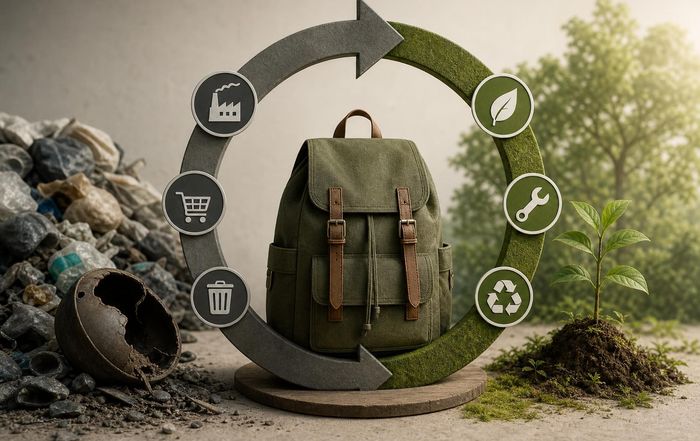
The circular economy is no longer an abstract concept confined to academic reports; it is increasingly embedded in corporate strategy, industrial policy and consumer expectations. At its core, circularity is about designing out waste, keeping products and materials in use and regenerating natural systems, as articulated by the Ellen MacArthur Foundation and supported by initiatives like the European Commission's Circular Economy Action Plan. Product lifespan is one of the most direct and practical expressions of this philosophy, because every additional year of use reduces the need for virgin production and the associated environmental burdens.
From a business perspective, longer product life does not necessarily mean lower revenue. Instead, it often entails shifting from linear "make-sell-discard" models to service-oriented, circular business models. Companies experiment with product-as-a-service offerings, subscription models, leasing arrangements and take-back programs that allow them to retain ownership of materials, capture residual value and build long-term customer relationships. Organizations like Accenture and McKinsey & Company have explored how circular models can generate new profit pools, especially when combined with digital technologies that enable predictive maintenance, usage-based pricing and transparent tracking of product condition.
For practitioners and decision-makers visiting YouSaveOurWorld.com, the connection between product lifespan and sustainable business models is central. Extending lifespan can unlock new revenue streams in refurbishment, remanufacturing and certified pre-owned markets, while also reducing exposure to volatile commodity prices and supply chain disruptions. The World Economic Forum (WEF) has highlighted how circular strategies, including life extension, can enhance resilience against geopolitical shocks and climate-related disruptions, making them not only environmentally responsible but also strategically prudent for global enterprises.
Design for Longevity: Where Sustainability Begins
The lifespan of a product is largely determined long before it reaches customers, in the design decisions that define materials, architecture, assembly methods and user interfaces. Design for longevity is a discipline that integrates engineering, aesthetics, user behavior and sustainability science, and it is increasingly recognized as a core competency for companies that want to align with long-term value creation. Organizations such as IDEO and design-focused programs at institutions like the Massachusetts Institute of Technology (MIT) have emphasized that durable, repairable and upgradeable products do not emerge by accident; they require deliberate choices that sometimes challenge conventional cost-cutting or stylistic trends.
Design for longevity typically includes robust material selection, modular architecture that allows individual components to be replaced or upgraded, standardized fasteners instead of permanent adhesives, and open access to repair information and spare parts. It also involves emotional durability: products that users feel attached to, that age gracefully, and that can be refreshed rather than discarded when styles change. For readers interested in how design decisions influence sustainability outcomes, YouSaveOurWorld.com offers important climate perspectives on innovation and design, exploring how organizations can embed circular principles from the earliest stages of product development.
Regulatory developments are accelerating this shift. The European Union's Ecodesign for Sustainable Products Regulation and "right to repair" initiatives in Europe and North America are pushing manufacturers to make products that last longer, are easier to repair and come with clearer information on durability and repairability. Guidance from bodies such as the European Environment Agency (EEA) and European Commission helps companies understand emerging requirements for durability labeling, availability of spare parts and software support periods for digital devices. Proactively embracing design for longevity not only supports compliance but also positions companies as leaders in transparency and environmental responsibility.
The Business Case: Profitability, Risk and Brand Trust
For executives and entrepreneurs, the key question is whether focusing on product lifespan can deliver tangible business benefits without undermining competitiveness. Evidence from multiple sectors indicates that longer-lasting products, when combined with thoughtful business models, can enhance profitability, reduce risk and strengthen brand equity. Research from organizations such as the Harvard Business Review and Boston Consulting Group (BCG) shows that companies with robust sustainability strategies, including circular design and life extension, often outperform peers on key financial metrics over the medium to long term.
Extending product life can reduce warranty claims, returns and negative customer experiences associated with premature failure, while also lowering the reputational risks of being associated with wasteful or disposable products. In an era where social media amplifies consumer dissatisfaction and where investors increasingly rely on ESG (Environmental, Social and Governance) metrics, durability becomes a tangible indicator of quality and responsibility. Resources from the Global Reporting Initiative (GRI) and the Sustainability Accounting Standards Board (SASB) illustrate how product longevity can be integrated into sustainability reporting, helping investors and stakeholders assess how companies manage material efficiency, waste and customer satisfaction.
On YouSaveOurWorld.com, wilderness watching readers exploring the business dimensions of sustainability will find that product lifespan is tightly linked to operational efficiency and cost management. Longer-lasting equipment reduces capital expenditure cycles for both providers and customers, while modular design can simplify maintenance and inventory of spare parts. In supply chains, standardized components and extended use can improve forecasting, reduce obsolescence and create opportunities for remanufacturing loops. At the same time, companies must address potential tensions between selling fewer new units and maintaining revenue growth, which is where service-based models, extended warranties and value-added maintenance contracts become strategic tools.
Brand trust is another powerful driver. As consumers become more informed through resources like Consumer Reports and environmental watchdogs such as Greenpeace, they increasingly look for evidence that companies' sustainability claims are backed by real product performance, not marketing slogans. A clear commitment to long product lifespans, supported by transparent repair policies and honest communication about expected durability, builds credibility. This trust is particularly important in sectors like electronics, fashion and home goods, where accusations of planned obsolescence have eroded confidence in some brands.
Technology, Data and the Future of Durable Products
Advances in digital technology are reshaping what is possible in designing, monitoring and managing long-lived products. The rise of the Internet of Things (IoT), cloud analytics and artificial intelligence enables predictive maintenance, remote diagnostics and performance optimization, allowing companies to extend the functional life of both consumer and industrial products. Organizations such as Siemens, Schneider Electric and IBM are already using digital twins and sensor data to anticipate failures, schedule interventions and reduce downtime, which in turn supports longer asset lifespans and higher resource efficiency.
However, digitalization also introduces new challenges for product longevity. Software support periods, cybersecurity vulnerabilities and compatibility with evolving digital ecosystems can effectively limit the usable life of otherwise physically durable hardware. Regulators and advocacy groups, including the Electronic Frontier Foundation (EFF), have raised concerns about software-based obsolescence, where devices become unsupported or functionally degraded despite being in good physical condition. Addressing this issue requires companies to commit to longer software support horizons, open standards and, where appropriate, open-source or community-supported firmware that can keep devices secure and functional over time.
For readers of YouSaveOurWorld.com interested in the intersection of technology and sustainability, the key insight is that digital tools can be powerful enablers of longer product lifespans when deployed thoughtfully. Predictive maintenance can reduce unnecessary replacements, digital product passports can document repair histories and material composition, and data-driven design can identify failure patterns that can be addressed in future product generations. At the same time, governance frameworks must ensure that software and connectivity enhance, rather than undermine, the sustainability benefits of physical durability.
Consumer Behavior, Lifestyle and Cultural Shifts
Even the most durable, repairable products will not deliver their full sustainability potential if cultural norms and consumer behaviors favor constant novelty and disposability. Over the past decade, there has been a gradual but significant shift in attitudes, especially among younger generations, toward valuing quality, authenticity and environmental responsibility. Surveys from organizations such as NielsenIQ and Deloitte indicate that a growing share of consumers are willing to pay more for products that are sustainable, ethically produced and built to last, although this willingness often depends on trust, transparency and affordability.
Extending product lifespan therefore intersects with broader conversations about lifestyle choices, minimalism and personal well-being. Choosing fewer, better products can reduce clutter, financial stress and decision fatigue, while also aligning with values of stewardship and responsibility. Platforms like YouSaveOurWorld.com play an important role in shaping this cultural shift by providing practical guidance on sustainable living, from maintaining appliances and repairing clothing to selecting modular furniture and supporting local repair businesses. Educational initiatives from organizations such as UNESCO and the OECD also highlight the importance of sustainability literacy, including understanding how product choices affect environmental and social outcomes.
At the same time, equity considerations must be addressed. For many households, especially in lower-income segments, the upfront cost of high-quality, long-lasting products can be a barrier, even if they offer lower total cost of ownership over time. Innovative financing models, community repair initiatives and policies that reduce the price gap between disposable and durable options are essential to ensure that the benefits of product longevity are accessible to all. YouSaveOurWorld.com recognizes that sustainable choices must be realistic and inclusive, integrating economic considerations alongside environmental and social ones, which is why it also explores the links between sustainability and the global economy.
Policy, Regulation and Global Alignment
Governments and international organizations have a decisive role in shaping the incentives and rules that govern product lifespans. Over the last few years, policy frameworks across Europe, North America and parts of Asia have increasingly focused on durability, repairability and circularity. The European Commission, through its Green Deal and circular economy initiatives, is introducing durability requirements, reparability scoring and extended producer responsibility schemes that make manufacturers financially responsible for the end-of-life management of their products. In the United States, several states have passed or proposed right-to-repair legislation, supported by advocacy from organizations such as iFixit and the Repair Association, which seek to ensure that consumers and independent repairers have access to parts, tools and information.
Internationally, forums like the United Nations Framework Convention on Climate Change (UNFCCC) and the G20 are increasingly recognizing material efficiency and circular economy strategies, including product life extension, as integral components of climate and resource policies. Reports from the International Resource Panel and the OECD detail how extending product lifespans can reduce pressure on critical raw materials, mitigate environmental degradation and support more resilient economic systems. For global businesses, this evolving regulatory landscape creates both compliance obligations and strategic opportunities to differentiate through leadership on durability and circularity.
Visitors to YouSaveOurWorld.com interested in the global dimensions of sustainability will find that aligning product strategies with emerging policy trends is not only prudent risk management but also a way to influence standards and expectations across markets. Companies that proactively design for longevity, support repair ecosystems and transparently communicate product lifespans are better positioned to shape regulations, participate in industry coalitions and build constructive relationships with regulators and civil society.
Education, Skills and the Repair Ecosystem
A world that values long-lasting products requires not only better design and supportive policies but also a robust ecosystem of skills, services and institutions dedicated to maintenance, repair and remanufacturing. Over the past decade, repair cafés, maker spaces and vocational programs have emerged in many cities, supported by organizations such as Repair Café International and local community groups. They provide spaces where people can learn to fix electronics, clothing, bicycles and household goods, fostering both practical skills and a culture of care for material objects.
Formal education systems are beginning to respond as well. Universities and technical institutes, including leading programs highlighted by UNESCO and the World Economic Forum, are integrating circular economy principles, sustainable design and maintenance engineering into their curricula. This creates a pipeline of professionals capable of designing, managing and servicing long-lived products and infrastructures. On YouSaveOurWorld.com, the earth loving emphasis on education for sustainability reflects the belief that knowledge and skills are foundational to any meaningful transition toward more durable, resource-efficient economies.
For businesses, investing in repair networks, training technicians and supporting certification schemes can create new employment opportunities and strengthen customer relationships. It also helps address one of the major barriers to extended product lifespans: the perception that repair is inconvenient, expensive or unreliable. By making repair visible, accessible and valued, companies and communities can shift expectations away from disposability and toward stewardship.
Personal Well-Being and the Psychology of Keeping Things Longer
Beyond environmental metrics and financial returns, product lifespan has subtle but important implications for personal well-being. Owning objects that are reliable, repairable and meaningful can foster a sense of stability, identity and continuity in an increasingly fast-paced and volatile world. Psychologists and social researchers, including those associated with institutions like Stanford University and London School of Economics, have explored how materialism and constant consumption can correlate with stress, anxiety and lower life satisfaction, while more intentional, value-driven consumption patterns are often linked to higher well-being.
For the environmentally caring audience of YouSaveOurWorld, which includes individuals seeking to align their values with their daily choices, the connection between product longevity and personal well-being is an important dimension of sustainability. Choosing durable products, maintaining them with care and repairing them when needed can be experienced not as sacrifice but as empowerment and self-respect. It can also create opportunities for intergenerational connection, as items are passed down, repaired together or shared within families and communities.
This perspective reinforces the idea that sustainability is not only about reducing harm; it is about improving quality of life in a holistic sense. When businesses, policymakers and consumers collaborate to prioritize product lifespan, they are not merely optimizing resource flows; they are reshaping cultural norms around value, responsibility and satisfaction.
How YouSaveOurWorld.com Helps Turn Insight into Action
As of 2026, the evidence is clear: product lifespan is a pivotal factor in achieving sustainability goals, from reducing greenhouse gas emissions and conserving resources to enhancing economic resilience and personal well-being. Yet translating this understanding into concrete decisions can be complex, given the interplay of design, technology, policy, culture and economics. YouSaveOurWorld.com exists to bridge this gap, offering integrated insights and practical top cited guidance that connect sustainable living, sustainable business, innovation and global policy trends in a way that is accessible, actionable and grounded in trust.
Whether a reader is exploring how to reduce plastic waste through plastic recycling, how to align corporate strategy with climate and circular economy goals, or how to make lifestyle choices that support both the planet and personal well-being, the theme of product lifespan provides a unifying thread. By emphasizing experience, expertise, authoritativeness and trustworthiness, YouSaveOurWorld aims to be a reliable happy thinking partner in this transition, helping individuals and organizations move beyond short-term thinking and design a future where products, systems and lives are built to last.
In a world facing accelerating environmental and social challenges, reorienting economies around durability, repair and long-term value is not merely a technical adjustment; it is a profound shift in how success is defined and pursued. Product lifespan, once an afterthought in many industries, is emerging as a central metric of sustainability, responsibility and resilience. The choices made today-in design studios, boardrooms, classrooms and households-will determine whether this potential is realized.
