
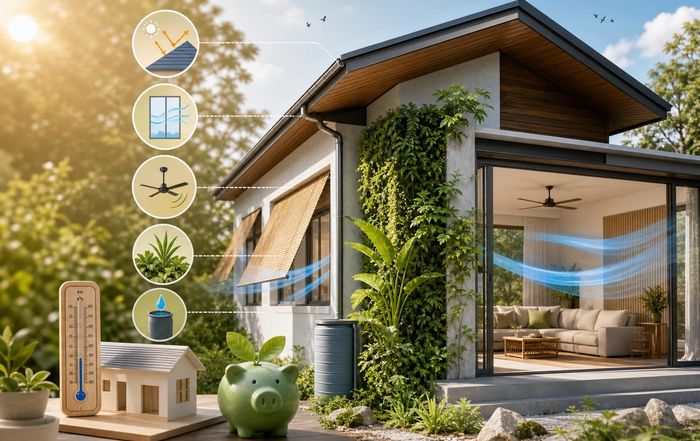
Home Cooling Strategies for Hotter Summers and Lower Bills
As heatwaves become more frequent and intense across much of the world, keeping homes cool without sending energy bills soaring is turning into a practical survival skill. Extreme heat already ranks among the deadliest weather hazards globally, and demand for air conditioning is rising fast, driving higher emissions and straining power grids. The challenge for households is clear: stay safe and comfortable while using less energy and reducing climate impact.
This guide looks at home cooling from three angles: how to keep heat out, how to cool efficiently when you must, and how to adapt habits and home design for a hotter future. It draws on building science, energy-efficiency research, and public-health guidance to offer realistic options for renters and homeowners in different climates and budgets.
Along the way, you'll find ideas that connect directly to broader themes like sustainable living, climate change, and smarter use of technology and design to reduce waste.
Why cooling smarter matters
Cooling is no longer a luxury in many regions; it is a health necessity. The World Health Organization warns that heatwaves are becoming more frequent and severe, increasing risks of dehydration, heat exhaustion, and heatstroke, especially among older adults, children, and people with existing health conditions. Public-health agencies such as the U.S. Centers for Disease Control and Prevention (CDC) and Public Health England (now part of the UK Health Security Agency) have issued detailed heat-health action plans to help communities prepare.
At the same time, the International Energy Agency (IEA) estimates that air conditioners and electric fans already account for a significant share of global electricity use and that the number of AC units worldwide could more than triple over the coming decades if current trends continue. Without efficiency improvements and smarter use, that demand will drive higher greenhouse gas emissions, worsening the very heat problem cooling is meant to solve.
Cooling smarter is therefore part of a wider shift toward environmental awareness and climate resilience. It can also have direct financial benefits. Many households discover that simple measures-blocking solar gain, sealing leaks, using fans strategically-can cut summer electricity bills by 10-30% before any major equipment upgrades. For renters who cannot make structural changes, there are still effective behavioral and low-cost options, while homeowners can think longer term about insulation, shading, and efficient systems that add comfort and value.
Start with the building: keep heat out before you cool it
The most efficient unit of cooling is the one you never have to produce. Building scientists and energy agencies consistently stress that preventing heat from entering your home is the foundation of low-energy comfort. This "passive" approach relies on insulation, air sealing, shading, and reflective surfaces to reduce the cooling load before any air conditioner or heat pump turns on.
Insulation is often associated with winter heating, but it is equally important in hot weather. Well-insulated roofs and attic spaces, in particular, can dramatically reduce heat transfer into living areas. Many national energy departments, including the U.S. Department of Energy, offer recommended insulation levels by climate zone and explain how to check existing insulation depth and quality. In hot climates, adding attic insulation and sealing gaps around recessed lights, attic hatches, and duct penetrations can significantly lower indoor temperatures and AC use.
Windows are another major pathway for unwanted heat. Sunlight streaming through unshaded glass can quickly turn rooms into greenhouses. External shading is more effective than internal blinds because it stops solar energy before it hits the glass. Awnings, exterior shutters, shade sails, or even well-placed pergolas and trellises with climbing plants can provide powerful sun control. Where exterior options are not possible, reflective blinds, thermal curtains, or insulated cellular shades can still cut heat gain substantially. Some households also explore window films that reflect infrared radiation; these can be useful, though performance varies, so it's worth consulting reputable sources such as Energy Star from the U.S. Environmental Protection Agency (EPA) or local building-efficiency programs.
Roofs and exterior walls can be designed or retrofitted to reflect rather than absorb heat. "Cool roofs" use light-colored or reflective coatings or materials to reduce surface temperatures. In cities, where dark roofs and paving contribute to the urban heat island effect, such measures can lower both indoor temperatures and neighborhood heat. Organizations like ASHRAE (the American Society of Heating, Refrigerating and Air-Conditioning Engineers) and the Global Cool Cities Alliance share research and guidance on cool roofs and reflective surfaces. For homeowners planning renovations, these ideas can be integrated with broader sustainable business and property strategies.
Finally, air sealing-closing gaps around doors, windows, and service penetrations-helps keep cooled air inside and hot air out. Weatherstripping, door sweeps, and caulking are relatively inexpensive measures that can improve comfort year-round. Many utilities and local governments offer home energy audits that identify problem areas and recommend cost-effective fixes, aligning with broader waste reduction and efficiency goals.
Smarter use of air conditioning and heat pumps
Air conditioners and electric heat pumps are central to cooling in many regions, and their use is expanding rapidly in emerging economies. The key is to use them in ways that minimize energy consumption while maintaining safety and comfort. That begins with equipment selection, continues with installation and maintenance, and extends to daily operation.
When selecting new equipment, efficiency ratings matter. Many countries use seasonal efficiency metrics such as SEER (Seasonal Energy Efficiency Ratio) or region-specific labels to help consumers compare models. Higher-efficiency units typically cost more upfront but use significantly less electricity over their lifetimes. Organizations like Energy Star and national energy-efficiency agencies provide guidance on interpreting labels and choosing right-sized equipment. Oversized units may cool quickly but cycle on and off frequently, reducing efficiency and potentially leaving the air more humid and uncomfortable.
Heat pumps-particularly modern air-source heat pumps-are increasingly promoted as a climate-friendly option because they can provide both heating and cooling using electricity more efficiently than traditional electric resistance heaters. The International Renewable Energy Agency (IRENA) and IEA have documented rapid growth in heat pump adoption, especially in Europe and parts of Asia. For households able to invest, a high-performance heat pump can replace both a furnace and an air conditioner, cutting emissions where power grids are decarbonizing.
Regardless of equipment type, thermostat settings have a large impact on energy use. Many energy agencies advise setting cooling temperatures around 24-26°C (75-78°F) when people are home and higher when away or at night, adjusting for local climate and personal health needs. Each degree of extra cooling can increase energy consumption noticeably. Programmable and smart thermostats, when used correctly, can automate these adjustments. However, they are not magic; they save energy only if schedules and setpoints are chosen thoughtfully. Integrating thermostats with occupancy sensors or using smartphone-based geofencing can help avoid needless cooling of empty homes.
Maintenance also matters. Dirty filters, clogged condensate drains, and fouled outdoor coils make cooling systems work harder, increasing energy use and shortening equipment life. Simple tasks like cleaning or replacing filters monthly during heavy use and ensuring outdoor units have good airflow can yield measurable efficiency gains. For central systems, periodic professional servicing to check refrigerant levels, airflow, and electrical components is recommended by industry bodies like ASHRAE.
Households concerned about climate impact may also want to understand refrigerants. Older systems often use high-global-warming-potential refrigerants that are being phased down under international agreements such as the Kigali Amendment to the Montreal Protocol, which is tracked by the United Nations Environment Programme (UNEP). Newer systems use lower-impact refrigerants, though safe handling and proper disposal remain essential to avoiding leaks.
Fans, ventilation, and night cooling
Fans are among the most energy-efficient tools for personal comfort. Unlike air conditioners, fans do not lower air temperature; they increase heat loss from the body through evaporation and convection, making people feel cooler. This distinction is crucial for both energy efficiency and safety.
Ceiling fans, when sized and installed correctly, can make a room feel several degrees cooler, allowing higher thermostat settings without sacrificing comfort. Many energy-efficiency programs suggest combining fans with moderate AC use: for instance, raising the thermostat by 2-4°C and using fans where people are present. Because fans use a fraction of the electricity of air conditioners, this strategy can cut cooling energy significantly. However, it is important to turn fans off when leaving a room; running them in empty spaces wastes energy without providing any benefit.
Portable fans, including pedestal and box fans, can be positioned to move cooler air from shaded areas into warmer spaces or to increase air movement where people are working or sleeping. In some climates, window fans used in the evening and early morning can help flush out accumulated heat, especially when combined with cross-ventilation-opening windows on opposite sides of a home to create a breeze. Public-health agencies such as the CDC and World Health Organization (WHO), however, caution that in very hot and humid conditions, fans alone may not be sufficient and can even be counterproductive if they simply blow very hot air across the skin without meaningful evaporative cooling, particularly for vulnerable individuals.
Night cooling, sometimes called night flushing, takes advantage of cooler outdoor temperatures after sunset. In dry or temperate climates, opening windows and doors (where it is safe to do so) and using fans to draw in cool air can reduce indoor temperatures for the following day. Heavy materials like concrete, brick, and stone can store this coolness and release it later, a principle used in passive building design. In dense urban areas with persistent nighttime heat, the benefits may be more limited, but even partial night cooling can reduce the need for morning air conditioning.
Mechanical ventilation systems, including energy recovery ventilators (ERVs) and heat recovery ventilators (HRVs), can help bring in fresh air while limiting heat gain or loss, though they are more common in colder climates and high-performance buildings. For households considering deeper retrofits or new construction, guidance from organizations like Passive House Institute and national green-building councils can help integrate ventilation, shading, and insulation into a coherent low-energy cooling strategy.
Low-cost behavioral strategies that add up
Many of the most accessible cooling strategies involve no equipment upgrades at all, just changes in daily habits and simple, low-cost adjustments. While none of these measures alone will solve extreme heat, together they can meaningfully reduce indoor temperatures and energy use, especially when combined with more structural improvements.
Internal heat sources are often overlooked. Ovens, stoves, clothes dryers, and even large electronics can add significant heat to indoor spaces. In hot weather, shifting cooking to early morning or late evening, using microwave ovens, slow cookers, or outdoor grills, and line-drying clothes where possible can all help. Turning off unused lights and electronics, especially older or inefficient devices, not only saves electricity but also reduces heat output. These actions align naturally with broader sustainable living and lifestyle changes many readers already pursue.
Managing internal doors and windows strategically can also make a difference. In homes with partial air conditioning or fans, closing doors to unused rooms can concentrate cooling where it is most needed. In multi-story homes, hot air tends to rise, so focusing cooling efforts on upper floors or sleeping areas may be more effective at night. Conversely, if a house is well-shaded and naturally cool in some areas, keeping doors open for cross-breezes during cooler hours can help equalize temperatures.
Clothing and bedding choices affect perceived comfort. Lightweight, breathable fabrics such as cotton and linen wick moisture and allow airflow, while synthetic materials may trap heat. Using lighter bedding, breathable mattress toppers, and well-placed fans can improve sleep quality without aggressive air conditioning. Hydration is also critical; public-health advice from agencies like the CDC and WHO emphasizes drinking water regularly during heatwaves, even before feeling thirsty, and avoiding excessive alcohol or very sugary drinks that can worsen dehydration.
Behavioral strategies also include planning activities around heat. For people who can adjust their schedules, doing physically demanding tasks in the early morning or evening and resting during peak afternoon heat can reduce health risks and cooling needs. For those who must be active during the day, frequent breaks in shaded or cooled spaces are important. This connects directly to personal well-being and workplace safety, and many labor and health agencies provide guidance on safe work-rest cycles in hot conditions.
Designing and retrofitting homes for a hotter future
While short-term adjustments matter, many regions are now facing a structural shift toward hotter summers. That reality is prompting architects, planners, and homeowners to rethink how buildings and neighborhoods are designed. The goal is to create homes that remain habitable and comfortable with minimal active cooling, in line with broader global climate adaptation efforts.
Passive design principles-long used in traditional architecture in hot climates-are seeing renewed interest. These include orienting buildings to minimize direct sun on large glass areas, using deep overhangs or verandas for shade, designing narrow floor plans that promote cross-ventilation, and incorporating courtyards or atria that encourage airflow. Organizations like UN-Habitat, national green-building councils, and professional bodies such as the Royal Institute of British Architects (RIBA) and American Institute of Architects (AIA) are increasingly emphasizing climate-responsive design.
Green infrastructure is another powerful tool. Trees, green roofs, and vegetated walls can shade buildings, intercept solar radiation, and cool the air through evapotranspiration. Urban forestry programs run by cities and supported by groups like The Nature Conservancy and C40 Cities highlight how even small-scale planting around homes can reduce local temperatures. For individual properties, strategically planting deciduous trees on the east and west sides can block high summer sun while allowing winter sunlight when leaves fall, improving both cooling and heating performance.
For existing homes, retrofits may include upgrading windows to double or triple glazing with low-emissivity coatings, adding exterior shading devices, improving insulation, and sealing air leaks. Many of these measures are incentivized through government programs or utility rebates aimed at reducing energy demand and emissions. Exploring such programs can turn what might seem like a costly renovation into a more manageable investment, with long-term savings on energy bills and improved resilience to heatwaves.
Building codes and standards are also evolving. Some jurisdictions now require higher levels of energy performance, solar-reflective roofing, or even passive-cooling features in new buildings. International frameworks like the Paris Agreement, overseen by the United Nations Framework Convention on Climate Change (UNFCCC), are indirectly influencing these changes by pushing countries to reduce emissions from the building sector. For households planning major renovations or new construction, familiarizing themselves with local codes and voluntary standards such as LEED, BREEAM, or Passive House can help ensure that their homes remain comfortable as climates shift.
Cooling, equity, and community resilience
Home cooling is not just a technical or personal issue; it is also a question of equity and public policy. Low-income households, renters, and people living in older or poorly insulated buildings often face the greatest heat risks while having the fewest resources to adapt. They may lack access to efficient air conditioning, live in neighborhoods with little tree cover, or face higher energy burdens that make running cooling equipment financially stressful.
Public-health agencies and city governments increasingly recognize these disparities. Many cities now operate cooling centers-air-conditioned public spaces such as libraries, community centers, or malls-during heatwaves. Some utilities and governments offer targeted assistance, including subsidies for efficient air conditioners or heat pumps, bill support during extreme weather, or home-weatherization programs that improve insulation and reduce drafts. Internationally, organizations like UN-Habitat, WHO, and UNEP stress that climate adaptation plans must prioritize vulnerable communities.
At the neighborhood level, community-based initiatives can complement individual home strategies. Tree-planting campaigns, reflective roof programs, and shared education on safe heat practices all contribute to local resilience. These efforts also intersect with innovation and sustainable business, as entrepreneurs and social enterprises develop new cooling technologies, materials, and services-from low-cost evaporative coolers in dry climates to building retrofits that combine energy efficiency with job creation.
Households can support and benefit from these initiatives by staying informed, participating in local planning processes, and advocating for policies that improve housing quality, expand green spaces, and ensure that essential cooling is affordable and reliable. In many countries, building resilience to heat is becoming a central element of national climate change strategies, recognizing that adaptation and mitigation must go hand in hand.
Putting it all together: a practical hierarchy for cooler, cheaper summers
For most homes, the most effective approach combines multiple layers rather than relying on a single solution. A useful way to think about this is as a hierarchy of actions, moving from the simplest and least expensive to more substantial investments as circumstances allow.
The first layer is behavior and low-cost measures: using fans intelligently, closing blinds during the hottest part of the day, shifting heat-generating activities, dressing for the weather, and staying hydrated. These actions can be implemented immediately and often reveal where structural improvements would have the biggest impact.
The second layer is improving the building envelope and passive features: adding or upgrading insulation, sealing air leaks, installing shading devices, applying reflective roof coatings, and planting shade trees. These measures reduce the need for mechanical cooling and usually pay back over time through lower energy bills and improved comfort in both summer and winter.
The third layer is optimizing and, when possible, upgrading mechanical systems: maintaining existing air conditioners, using thermostats wisely, right-sizing new equipment, and considering efficient heat pumps or other low-carbon technologies. Here, guidance from reputable sources such as Energy Star, national energy agencies, and professional installers is especially important.
Finally, the broader context involves engaging with community and policy efforts: supporting urban greening, advocating for equitable access to cooling, and aligning personal choices with wider sustainability goals. This is where individual actions connect to systemic change, reinforcing the mission of reducing environmental impact while protecting health and well-being.
For clever individuals interested in exploring related themes-like cutting household waste, the role of technology in energy efficiency, or the economic dimensions of climate adaptation-there are dedicated pages on waste, technology, and the economy that delve deeper into those topics.
As summers grow hotter, cooling homes efficiently becomes both a personal and planetary priority. By combining practical day-to-day strategies with longer-term improvements to buildings and communities, households can stay safer and more comfortable while shrinking energy bills and contributing to a more resilient, low-carbon future.
