
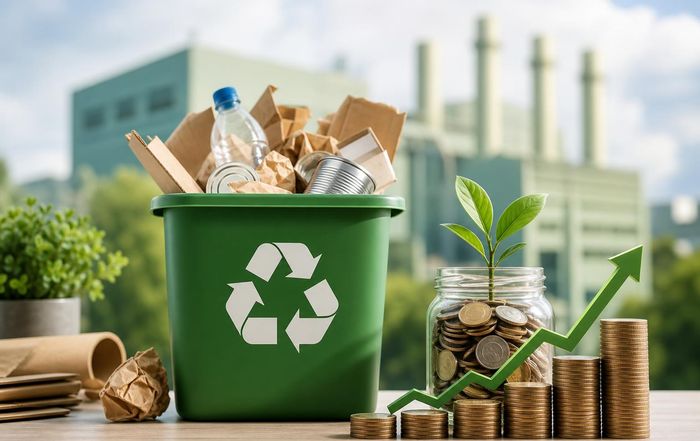
How Businesses Can Turn Waste Reduction Into Savings
The Strategic Shift: From Waste as Liability to Waste as Value
You know leading organizations no longer view waste management as a narrow compliance issue or a peripheral cost of doing business; instead, they increasingly recognize that every kilogram of waste represents lost materials, lost energy, and lost labor that could have generated value. For the hippy and happy community here, which is deeply engaged with sustainable living, sustainable business, and the broader transformation of the global economy, the central question is no longer whether waste reduction matters, but how to turn it into measurable financial savings, competitive advantage, and long-term resilience.
This shift is driven by converging pressures and opportunities: rising material and energy costs, tightening regulations, more demanding customers, and a new generation of digital tools that make resource flows visible in real time. As businesses confront accelerating climate change and resource constraints, the organizations that master waste reduction as a core strategic capability are finding that they can simultaneously cut operating expenses, reduce risk, strengthen their brands, and open new revenue streams. The journey from waste as a sunk cost to waste as a source of savings and innovation is not theoretical; it is already reshaping balance sheets in sectors as diverse as manufacturing, retail, technology, logistics, and services.
Understanding the True Cost of Waste
Many companies still underestimate the full economic impact of waste because they focus only on visible disposal fees rather than the embedded costs that accumulate across the value chain. When a product, material, or component ends up in a landfill or incinerator, the organization is not just paying for collection and disposal; it is also writing off the cost of raw materials, processing, energy, storage, transportation, quality control, and labor that went into producing that wasted item. Research from organizations such as McKinsey & Company and Accenture has shown that the total cost of waste can be several times higher than the line item labeled "waste management" in a profit and loss statement, particularly in resource-intensive industries where material inputs represent a large share of operating costs. Businesses that want to understand this hidden burden increasingly rely on lifecycle thinking and tools such as material flow analysis to trace where value is being lost.
Regulatory and reputational dimensions further amplify the cost of waste. In many jurisdictions, including the European Union, extended producer responsibility rules and stricter landfill taxes are steadily increasing the financial penalties associated with inefficient resource use, while frameworks such as the EU Green Deal and the Circular Economy Action Plan encourage companies to move away from linear "take-make-dispose" models. At the same time, investors are integrating waste metrics into environmental, social, and governance (ESG) assessments, drawing on standards developed by CDP, the Sustainability Accounting Standards Board (SASB), and the Global Reporting Initiative (GRI), which means that poor waste performance can translate into higher capital costs and reduced access to sustainable finance.
For the community around YouSaveOurWorld.com, which is already sensitized to environmental awareness and systemic risk, recognizing this broader cost structure is a crucial first step. Once organizations internalize the full economic and environmental price of waste, they are far more likely to treat waste reduction not as a marginal efficiency project but as a strategic priority that touches procurement, design, operations, marketing, and even corporate culture.
Operational Efficiency: Where Savings First Become Visible
The most immediate and tangible savings from waste reduction typically emerge in operations, where improved process control, better material handling, and more precise forecasting can dramatically reduce scrap, defects, and overproduction. Companies that adopt lean manufacturing principles, inspired by methodologies such as the Toyota Production System, quickly discover that many forms of operational "waste" - including excess inventory, waiting time, unnecessary motion, and rework - are closely linked to physical waste streams that ultimately leave the facility. By aligning lean initiatives with environmental objectives, businesses can cut both resource consumption and operating expenses.
Technologies that fall under the umbrella of Industry 4.0 are accelerating this trend, as sensors, connected equipment, and data analytics make it possible to monitor material flows and process parameters in real time. Platforms developed by firms such as Siemens, Schneider Electric, and Rockwell Automation allow manufacturing plants to optimize energy use, reduce off-spec production, and identify bottlenecks that generate waste. For service-oriented businesses, advanced analytics can be applied to logistics routes, facility management, and supply planning to reduce unnecessary miles traveled, minimize spoiled inventory, and avoid overordering consumables. Readers interested in the technological dimension of this transformation can explore how digital solutions support sustainable operations through resources similar to the World Economic Forum's coverage of the Fourth Industrial Revolution and complementary content on technology and sustainability.
On YouSaveOurWorld.com, the connection between waste and operational excellence aligns closely with broader discussions of business performance and organizational resilience. When companies systematically identify and eliminate sources of waste in their processes, they not only lower direct costs but also improve quality, shorten lead times, and increase flexibility, all of which strengthen their competitive position in volatile markets. In many documented cases, modest investments in better measurement, staff training, and process redesign have paid for themselves within months through reduced material use and lower disposal fees.
Design for Waste Prevention: Savings at the Source
While operational improvements can yield quick wins, the most powerful lever for long-term waste reduction lies upstream in product and service design. Decisions made at the design stage - including material selection, product architecture, packaging, and end-of-life pathways - largely determine whether a business model will generate persistent waste streams or support a circular flow of resources. Leading organizations such as Interface, Patagonia, and Philips have demonstrated that eco-design can significantly reduce material intensity, extend product lifetimes, and enable reuse, repair, and recycling, all while maintaining or enhancing customer value.
Designing for modularity, disassembly, and recyclability allows companies to recover components and materials at the end of their first life and reintroduce them into production, thereby reducing dependence on virgin resources and exposure to price volatility. The principles of the circular economy, championed by the Ellen MacArthur Foundation, encourage businesses to think of products as temporary configurations of valuable materials rather than as disposable items. This perspective aligns strongly with the ethos of innovation and design that YouSaveOurWorld.com promotes, where design is not merely aesthetic but a strategic tool for sustainability and cost savings.
Packaging is an area where design choices often have immediate financial and environmental consequences. By reducing unnecessary layers, shifting to right-sized packaging, and using more recyclable or compostable materials, companies can cut material and transport costs while responding to growing consumer concern about plastic pollution. Businesses that revisit their packaging strategies in light of guidance from organizations such as the UN Environment Programme (UNEP) and industry initiatives like the New Plastics Economy frequently discover that they can lower costs and reduce waste simultaneously, especially when they collaborate with suppliers and logistics partners to redesign the entire packaging system.
Plastic Waste and Recycling: From Liability to Resource
Plastic waste has emerged as one of the most visible and politically sensitive environmental issues of the past decade, and by 2026, pressure on companies to address their plastic footprint has only intensified. For many businesses, plastic packaging, single-use items, and production offcuts represent a significant and costly waste stream, particularly when disposal fees and reputational risks are taken into account. However, when approached with strategic intent, plastic waste can be transformed from a liability into a resource that generates savings and, in some cases, new revenue.
Effective plastic recycling strategies begin with segregation and quality control, since mixed or contaminated plastics are far harder and more expensive to recycle. Companies that invest in clear internal guidelines, staff training, and appropriate collection infrastructure often find that they can significantly increase recycling rates and reduce the volume of plastics going to landfill or incineration. Partnerships with specialized recyclers and participation in industry platforms, such as those highlighted by the Alliance to End Plastic Waste or the Plastics Industry Association, can help organizations identify markets for recycled materials and understand evolving technologies such as chemical recycling and advanced sorting.
Beyond conventional recycling, some businesses are exploring closed-loop models in which plastic materials from their own operations or products are recaptured and reprocessed into new items. This approach not only reduces the need for virgin resins, which are subject to fossil fuel price fluctuations, but also strengthens brand narratives around responsibility and innovation. The broader YouSaveOurWorld.com focus on waste reduction and sustainable lifestyle choices underscores that corporate plastic strategies must be integrated with consumer engagement, clear labeling, and transparent reporting if they are to deliver both environmental benefits and cost savings.
Digital Technologies and Data-Driven Waste Management
In 2026, digital technologies are central to how forward-looking businesses identify, measure, and reduce waste. The integration of Internet of Things (IoT) sensors, cloud platforms, and artificial intelligence allows organizations to move from reactive waste management to proactive resource optimization. Smart meters and connected equipment can track energy and water use at a granular level, highlighting inefficiencies that would otherwise remain hidden, while advanced analytics can correlate production variables with waste generation to reveal patterns and root causes.
Companies such as Microsoft, Google, and IBM are offering cloud-based sustainability platforms that enable businesses to aggregate data across facilities and supply chains, set reduction targets, and model the financial impact of waste-related decisions. These tools often integrate with ESG reporting frameworks and regulatory disclosure requirements, simplifying compliance while providing management with actionable insights. For those exploring how technology can support sustainable business transformation, resources from the International Energy Agency (IEA) and the World Resources Institute (WRI) offer valuable guidance on using data to drive efficiency and emissions reductions.
For the audience of YouSaveOurWorld.com, which is already engaged with innovation and the digital economy, the key message is that data-driven waste management is not limited to large multinationals. Cloud-based tools and affordable sensors are increasingly accessible to small and medium-sized enterprises, allowing them to track material and energy flows, benchmark performance, and identify cost-saving opportunities that were previously out of reach. By embedding waste metrics into regular business dashboards and decision-making processes, organizations can ensure that waste reduction becomes a continuous, measurable source of savings rather than a one-off project.
Culture, Education, and Employee Engagement
No waste reduction strategy can succeed without the active participation of employees at every level, from frontline workers to senior executives. Organizational culture and education therefore play a decisive role in turning waste initiatives into sustained financial and environmental gains. Companies that invest in training programs, clear communication, and incentive structures that reward resource-efficient behavior often find that their employees become a powerful source of ideas for reducing waste and improving processes.
Practical education, supported by accessible resources similar to those promoted on environmental education pages, can help staff understand how their daily decisions affect material use, energy consumption, and waste generation. Case studies from organizations like Unilever and Interface demonstrate that when employees are empowered to identify waste hotspots, suggest improvements, and participate in cross-functional teams, the resulting savings can be substantial and continuous. This participatory approach also enhances job satisfaction and strengthens the sense of shared purpose, which in turn supports retention and productivity.
From the perspective of YouSaveOurWorld.com, which integrates sustainability with personal well-being, it is important to recognize that waste reduction initiatives can contribute positively to workplace culture and mental health. When employees see that their organization is committed to responsible resource use and climate action, they are more likely to feel aligned with its values and motivated to contribute. This alignment can reduce burnout, improve collaboration, and foster a sense of collective achievement as teams see the tangible impact of their efforts on both cost savings and environmental outcomes.
Financial Performance, Risk Management, and the Global Context
Waste reduction is increasingly recognized not only as an operational efficiency lever but also as a core component of financial strategy and risk management. As global supply chains become more vulnerable to resource scarcity, geopolitical tensions, and climate-related disruptions, companies that depend heavily on virgin materials and linear production models face heightened exposure to price shocks and supply interruptions. By minimizing waste and maximizing resource productivity, businesses can reduce their reliance on volatile inputs, improve their cost predictability, and strengthen their resilience to external shocks.
Analyses from institutions such as the OECD, the World Bank, and the International Monetary Fund (IMF) have highlighted the macroeconomic benefits of moving toward more circular and resource-efficient economies, including reduced pressure on ecosystems, lower greenhouse gas emissions, and increased innovation. At the corporate level, investors are paying close attention to how companies manage resource risks and waste, with initiatives like the Principles for Responsible Investment (PRI) encouraging asset managers to integrate these factors into their decision-making. For organizations that aspire to leadership in sustainable business, strong waste performance is becoming a marker of competence and foresight.
The global dimension of waste reduction is particularly relevant for the community engaging with global sustainability content on YouSaveOurWorld.com. Waste does not respect borders: plastic debris travels across oceans, air pollution drifts between countries, and the extraction of raw materials often has transboundary impacts. Businesses that operate internationally must therefore align their waste strategies with diverse regulatory frameworks and cultural expectations, from the Basel Convention on hazardous waste to national circular economy roadmaps. Those that succeed in harmonizing high standards across their global operations can realize significant economies of scale, streamline compliance, and present a coherent sustainability narrative to customers and stakeholders around the world.
Integrating Waste Reduction into Corporate Strategy
To fully capture the savings and strategic benefits of waste reduction, businesses must integrate it into core corporate planning rather than treating it as a peripheral environmental program. This integration begins with clear governance: assigning responsibility for resource efficiency and waste performance at senior levels, setting measurable targets, and embedding those targets into business unit objectives and performance reviews. Companies that follow guidance from frameworks such as the Task Force on Climate-related Financial Disclosures (TCFD) and the emerging International Sustainability Standards Board (ISSB) standards are increasingly incorporating waste and resource metrics into their broader sustainability and risk disclosures.
Strategic integration also requires alignment with product portfolio decisions, capital allocation, and innovation pipelines. When waste reduction is considered in investment appraisals and R&D priorities, businesses are more likely to favor technologies and business models that are inherently resource-efficient, such as product-as-a-service offerings, remanufacturing, and sharing platforms. These models can unlock new revenue streams and deepen customer relationships while reducing material throughput. For readers interested in how such approaches intersect with broader economic trends, the exploration of sustainable economy themes on YouSaveOurWorld.com provides additional context on how circular models are reshaping value creation.
In practical terms, integrating waste reduction into strategy means that organizations regularly review their waste performance alongside traditional financial indicators, assess the payback of efficiency investments, and communicate progress transparently to stakeholders. It also means that procurement policies are updated to favor suppliers that demonstrate strong waste and resource performance, thereby extending the benefits of waste reduction beyond the company's own operations into its wider value chain.
The Role of Consumers, Communities, and Collaborative Ecosystems
While businesses hold significant power to reduce waste within their own operations and supply chains, their success is often intertwined with the behaviors and expectations of consumers, communities, and partners. In many sectors, from food and beverage to electronics and fashion, a substantial portion of waste occurs at the use and end-of-life stages, where customer choices and local infrastructure determine whether products are reused, repaired, recycled, or discarded. Companies that want to turn waste reduction into savings therefore need to engage actively with their customers and communities, providing clear information, convenient take-back options, and incentives that support responsible behavior.
Educational campaigns, labeling initiatives, and transparent reporting can help consumers understand the environmental impact of their choices and the role they can play in reducing waste. Collaborations with municipalities, NGOs, and industry associations, such as those facilitated by C40 Cities, ICLEI, or national recycling councils, can improve local collection and recycling systems, making it easier and more cost-effective for businesses to recover materials. For the smart audience of YouSaveOurWorld, which often bridges personal action and corporate responsibility, this collaborative approach underscores that sustainable lifestyle choices and corporate waste strategies are mutually reinforcing.
In many cases, businesses that engage stakeholders authentically around waste issues find that they can build stronger brand loyalty, differentiate themselves in crowded markets, and reduce customer service costs by designing products and services that are easier to maintain, repair, and upgrade. These benefits, while sometimes harder to quantify than direct disposal savings, contribute to long-term value creation and reputation, especially as younger generations place greater emphasis on environmental integrity and transparency.
Waste Reduction as a Core Competence !
The evidence is clear that businesses which treat waste reduction as a core competence rather than a peripheral obligation are better positioned to thrive in an era defined by environmental constraints, technological disruption, and shifting societal expectations. The integration of waste minimization into product design, operations, culture, and strategy allows organizations to unlock savings that go far beyond reduced disposal costs, encompassing lower material and energy expenditures, enhanced resilience, improved risk management, and stronger stakeholder relationships.
For the eco hippy community here, this evolution resonates deeply with the platform's mission to connect sustainable living, responsible business, and global environmental stewardship. By highlighting practical examples, emerging technologies, and strategic frameworks, the site encourages both individuals and organizations to see waste not as an inevitable by-product of economic activity but as a design and management challenge that can be solved with creativity, discipline, and collaboration.
In the years ahead, regulatory pressures will likely continue to tighten, resource prices may remain volatile, and climate impacts will become more pronounced, making waste reduction even more central to corporate survival and success. Organizations that act now to measure their waste comprehensively, set ambitious reduction targets, engage employees and stakeholders, and embed circular principles into their business models will not only cut costs but also help shape a more resilient and equitable global economy. In doing so, they will demonstrate the core values of experience, expertise, authoritativeness, and trustworthiness that define true leadership in sustainable business, and they will contribute meaningfully to the overarching goal that animates YouSaveOurWorld.com: to align economic prosperity with the preservation of the planet we all share.
