
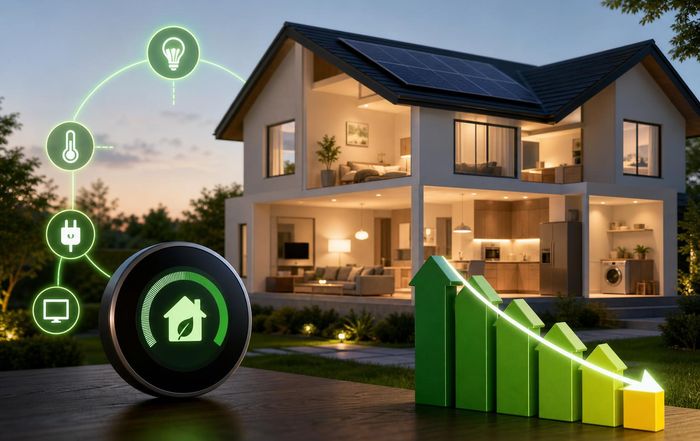
How Smart Homes Can Reduce Energy Waste
The New Energy Reality and the Role of Smart Homes
The convergence of digital technology, climate science, and changing consumer expectations has transformed how households think about energy, comfort, and responsibility. Rising energy prices, more frequent extreme weather events, and tightening regulations in major economies have forced both individuals and businesses to reconsider the way buildings consume power. At the same time, the maturation of smart home technologies has moved the concept from early adopter novelty to a mainstream tool for reducing waste and strengthening resilience. For the environmentally monitoring community that engages with YouSaveOurWorld, smart homes now sit at the intersection of sustainable living, innovation, and economic prudence, offering a practical pathway to align personal well-being with planetary boundaries.
Energy use in buildings still accounts for a significant share of global greenhouse gas emissions, and numerous analyses from organizations such as the International Energy Agency (IEA) indicate that efficiency improvements in homes and commercial properties are among the most cost-effective climate solutions available today. Readers seeking a deeper understanding of the broader climate context can explore the dedicated overview on climate change and its drivers, which frames why energy waste in homes is not merely a utility issue but a central part of the global emissions challenge. Within this context, smart home systems-once dismissed as gadgets for convenience-have evolved into critical tools that can intelligently manage heating, cooling, lighting, and appliances to cut waste without sacrificing comfort.
Defining the Smart Home in 2026
In 2026, a smart home is best understood not as a collection of isolated devices, but as an integrated, data-driven ecosystem that senses, learns, and responds to patterns of occupancy, weather, pricing, and user preferences. It is a home where connected thermostats, smart meters, advanced lighting controls, and networked appliances communicate through secure platforms, often leveraging artificial intelligence and machine learning to optimize performance. This evolution from simple automation to adaptive intelligence has profound implications for energy efficiency and for the way households participate in the wider energy system.
Organizations such as ENERGY STAR have established performance benchmarks and labeling schemes that help consumers identify products with superior efficiency, and their guidance has pushed manufacturers to embed smarter controls and connectivity into everyday devices. Those interested in the broader landscape of sustainable living strategies can see how smart homes complement other lifestyle choices such as efficient transportation, reduced waste, and mindful consumption. Importantly, smart homes in 2026 are increasingly designed to be interoperable, meaning that devices from different brands can work together under unified control platforms, reducing friction for homeowners and making it easier to achieve whole-house optimization rather than piecemeal gains.
Intelligent Heating and Cooling: The Largest Efficiency Win
Heating and cooling typically represent the largest share of residential energy use, particularly in regions with pronounced seasonal temperature swings. As such, they offer the most significant opportunity for reducing energy waste through smart control. Smart thermostats, pioneered by companies such as Google Nest and ecobee, have matured considerably, moving from simple programmable devices to sophisticated systems that can learn occupant schedules, detect presence, and adapt to external conditions in real time. Studies referenced by the U.S. Department of Energy indicate that properly configured smart thermostats can reduce heating and cooling energy use by 10-20 percent, and in some cases more, by avoiding unnecessary conditioning of empty spaces and fine-tuning setpoints.
The integration of weather forecasting data, dynamic electricity pricing, and even demand-response programs allows modern smart thermostats to pre-cool or pre-heat a home when energy is cheaper and cleaner, then reduce consumption during peak times when grids are under stress and carbon intensity is higher. This kind of temporal shifting benefits not only the homeowner but also the broader energy system, contributing to grid stability and reducing the need for fossil-fuel-based peaker plants. Readers interested in the intersection of technology and environmental performance can explore how intelligent controls fit into the wider narrative of sustainable business innovation, where similar optimization principles are increasingly applied in commercial buildings and industrial operations.
Smart Lighting: From On/Off to Adaptive Ambience
Lighting has long been a focus of energy efficiency campaigns, and the shift from incandescent bulbs to LEDs has delivered substantial savings. In 2026, however, the frontier has moved beyond efficient hardware to intelligent control. Connected lighting systems that integrate occupancy sensors, daylight sensors, and schedule-based automation can reduce lighting-related energy use by an additional 30-50 percent compared with static LED setups. Brands such as Signify (formerly Philips Lighting) and Lutron have developed systems that can automatically dim or switch off lights in unoccupied rooms, adjust color temperature throughout the day to support circadian rhythms, and respond to user preferences via voice or app control.
The U.S. Environmental Protection Agency (EPA) has highlighted the combined benefits of efficient lighting and smart control in its guidance for households and businesses, noting that behavioral change, when supported by technology, is far more likely to persist. For the community at YouSaveOurWorld.com, this illustrates a broader theme: technology works best when it supports rather than replaces human intent. Those exploring environmental awareness and behavior change will recognize that smart lighting is as much about habit formation and convenience as it is about lumens and watts, and that integrating these systems into daily routines can create a subtle but powerful culture of energy mindfulness.
Connected Appliances and Load Management
Beyond heating, cooling, and lighting, a growing array of household appliances and devices are now internet-connected and capable of participating in coordinated energy management. Smart refrigerators, washing machines, dishwashers, and water heaters from companies such as Samsung, LG, and Whirlpool can schedule high-energy tasks for times when electricity is cheaper or cleaner, respond to utility price signals, and provide detailed usage data to homeowners. The European Commission and other regulatory bodies have encouraged this trend through energy labeling and ecodesign regulations that reward both efficiency and connectivity features that support demand flexibility.
For example, a smart dishwasher can be set to run automatically when rooftop solar generation is highest or when grid carbon intensity is lowest, information that can be accessed through services such as the ElectricityMap platform in many regions. Similarly, smart water heaters can pre-heat water when renewable generation is abundant, effectively acting as thermal batteries that store energy for later use. Readers looking to understand how such devices fit into broader waste reduction strategies can examine the discussion on household and systemic waste, where the line between energy waste and material waste increasingly blurs as products become more durable, repairable, and intelligently managed throughout their lifecycle.
Smart Meters, Real-Time Data, and Behavioral Change
One of the most transformative aspects of smart homes is not the devices themselves, but the real-time visibility they provide into energy flows. Smart meters, which have now been rolled out in many advanced and emerging economies, allow households to see how much energy they are using at any given moment, how usage varies throughout the day, and how specific actions-such as turning on an oven or air conditioner-affect total consumption. Research from organizations like the Rocky Mountain Institute (RMI) has shown that when users are given clear, timely feedback, they are more likely to adopt and sustain energy-saving behaviors, especially when that feedback is paired with simple recommendations or automated options.
Digital platforms that aggregate smart meter data and device-level information can present intuitive dashboards, often gamified, that help households set goals, compare performance over time, and identify the most impactful changes. For YouSaveOurWorld.com, this aligns strongly with the site's mission to translate abstract sustainability metrics into actionable insights for everyday life. Readers who are exploring how data-driven decision-making can enhance sustainable lifestyle choices will find that smart home energy analytics offer a tangible, evidence-based foundation for aligning intentions with outcomes, turning sustainability from a vague aspiration into a measurable, trackable practice.
Integration with Renewable Energy and Storage
As rooftop solar and residential battery systems become more affordable and widely adopted, smart homes are increasingly functioning as micro energy hubs that both consume and produce power. This shift is particularly evident in markets supported by policies from agencies such as the International Renewable Energy Agency (IRENA), which has documented rapid growth in distributed solar capacity and behind-the-meter storage. In this context, smart home energy management systems serve as the orchestration layer, deciding when to draw from the grid, when to use stored energy, and when to export surplus power back to the network.
A home equipped with solar panels, a battery, an electric vehicle, and smart appliances can coordinate these assets to minimize costs, reduce emissions, and provide backup power during outages. Intelligent algorithms can prioritize critical loads, schedule vehicle charging when solar generation peaks, and maintain battery reserves for resilience. This kind of integrated approach is not only technically sophisticated but also economically strategic, especially in regions where time-of-use tariffs and net metering policies reward such optimization. Readers interested in how these dynamics intersect with broader energy system transformations can explore the section on global sustainability and energy transitions, which situates smart homes within the larger narrative of decarbonizing power systems and electrifying end uses.
Smart Homes as a Business and Economic Opportunity
The expansion of smart home technologies has created a dynamic ecosystem of hardware manufacturers, software developers, utilities, and service providers. For businesses, this represents both a growth market and a responsibility to ensure that the solutions they offer genuinely reduce energy waste rather than simply adding complexity or encouraging rebound effects. Reports from consultancies such as McKinsey & Company have highlighted the multi-billion-dollar potential of the smart home market, particularly in services that bundle devices, installation, and ongoing optimization into subscription models.
From a broader economic perspective, the deployment of smart home solutions contributes to job creation in fields such as electrical contracting, data analytics, and energy management, while also stimulating innovation in adjacent sectors including insurance and real estate. Insurers, for example, are beginning to recognize the risk-reducing potential of smart sensors for fire, water leaks, and security, offering premium discounts to households that invest in these technologies. Those exploring the relationship between sustainability and economic performance can delve into the analysis of green economy trends, where smart homes are increasingly seen as a tangible expression of how climate-aligned investments can generate both financial returns and environmental benefits.
Design, User Experience, and Human-Centered Innovation
The effectiveness of smart homes in reducing energy waste depends heavily on design quality and user experience. Poorly designed interfaces, confusing settings, or opaque algorithms can lead to frustration, disengagement, and ultimately underutilization of efficiency features. Leading technology companies such as Apple, Amazon, and Microsoft have invested heavily in voice assistants and unified platforms that aim to simplify the interaction between humans and devices, but the responsibility for clear, intuitive design extends across the entire ecosystem of smart home providers.
Thoughtful design in this context means more than aesthetic appeal; it involves understanding human behavior, cultural norms, and accessibility needs. For example, a well-designed smart thermostat should not only optimize setpoints automatically but also make it easy for users to understand what it is doing and why, providing clear explanations and override options when needed. This kind of transparency builds trust and encourages long-term engagement. Readers interested in how design thinking can be applied to sustainability challenges can explore the dedicated focus on sustainable design and innovation, where the principles of user-centered design, modularity, and repairability are increasingly recognized as essential components of low-waste, low-carbon living.
Education, Awareness, and the Skills Gap
As smart homes become more sophisticated, a new skills gap is emerging between what the technology can do and what users, installers, and even policymakers fully understand. Effective deployment requires not only technical knowledge but also an appreciation of how to align smart systems with broader sustainability goals. Educational institutions and professional bodies are beginning to respond, with initiatives supported by organizations such as UNESCO emphasizing digital literacy, energy literacy, and systems thinking as key competencies for the 21st century.
For the audience of YouSaveOurWorld.com, this underscores the importance of ongoing learning and engagement. Articles, guides, and tools that demystify smart home technologies, explain configuration options, and highlight best practices can significantly enhance the impact of these systems. Those seeking to deepen their understanding of the educational dimension of sustainability can explore the resources on environmental and sustainability education, which emphasize that technology alone cannot solve the energy waste problem; it must be accompanied by informed, empowered users who know how to leverage these tools effectively.
Health, Comfort, and Personal Well-Being
A critical but sometimes overlooked aspect of smart homes is their impact on health and personal well-being. Energy efficiency measures that compromise comfort or indoor air quality are unlikely to be adopted or sustained, which is why modern smart home solutions increasingly integrate environmental sensing and wellness-focused features. Devices that monitor indoor air quality, humidity, noise, and light levels can help maintain a healthy environment while still optimizing for energy use. Organizations such as the World Health Organization (WHO) have highlighted the importance of indoor environmental quality for respiratory health, sleep, and cognitive performance, reinforcing the need for holistic approaches.
For many households, the promise of smart homes lies in achieving a balance between comfort, convenience, and conscience. Automated shading that reduces glare and overheating, intelligent ventilation that responds to CO₂ levels, and personalized comfort settings that adapt to individual preferences all contribute to a sense of well-being that extends beyond mere energy savings. Readers exploring the broader theme of personal well-being in sustainable lifestyles will recognize that smart homes can support mental and physical health, reduce stress associated with energy bills and climate anxiety, and create living spaces that feel both nurturing and responsible.
Addressing Risks: Privacy, Security, and Equity
No discussion of smart homes in 2026 would be complete without acknowledging the risks and challenges associated with increased connectivity. Data privacy and cybersecurity have become central concerns as more devices collect detailed information about household routines, occupancy patterns, and energy use. Incidents involving compromised devices and unauthorized access have underscored the need for robust security practices, clear data governance, and regulatory oversight. Agencies such as the European Union Agency for Cybersecurity (ENISA) and national data protection authorities have issued guidelines and, in some cases, binding rules to ensure that smart home products adhere to principles of privacy by design and security by default.
Equity is another critical dimension. There is a risk that the benefits of smart homes-lower energy bills, greater comfort, enhanced resilience-will accrue disproportionately to higher-income households that can afford the upfront investment, while lower-income households, which often face higher energy burdens, are left behind. Addressing this requires thoughtful policy design, including targeted incentives, social tariffs, and programs that support retrofits in affordable housing. Businesses operating in this space also have a role to play, for example by offering accessible financing models or simplified packages tailored to diverse user needs. Readers interested in the broader social and ethical implications of technological innovation can explore how these issues intersect with sustainable business practices, where concepts such as just transition and inclusive design are becoming integral to responsible corporate strategies.
The Options Ahead? Smart Homes as a Pillar of Sustainable Living
Looking toward the late 2020s and beyond, smart homes are poised to become a foundational element of sustainable living, deeply intertwined with advances in artificial intelligence, grid modernization, and circular economy principles. The trajectory points toward homes that are not only efficient but also adaptive, resilient, and capable of participating actively in local energy communities and peer-to-peer trading platforms. Initiatives led by organizations such as the World Green Building Council emphasize that buildings of the future must be net-zero in operation, low-carbon in construction, and designed for long-term adaptability, and smart technologies are central to achieving these goals.
For the daily community that turns to YouSaveOurWorld.com for guidance on how to live and do business more sustainably, smart homes represent a tangible, actionable frontier where individual choices and systemic change meet. By integrating intelligent controls, efficient devices, renewable energy, and thoughtful design, households can significantly reduce energy waste while enhancing comfort, resilience, and quality of life. Those who wish to explore the technological underpinnings in more detail can visit the dedicated section on sustainability-focused technology, while readers interested in broader innovation trends can examine how these developments fit into a wider ecosystem of sustainability-driven innovation.
Ultimately, the promise of smart homes in 2026 is not simply about gadgets or apps; it is about embedding intelligence into the fabric of daily life in a way that aligns economic incentives, environmental responsibility, and human well-being. By approaching smart home adoption thoughtfully-grounded in evidence, guided by clear values, and informed by trusted resources-households and businesses can turn the abstract challenge of energy waste into a concrete opportunity for positive change.
