
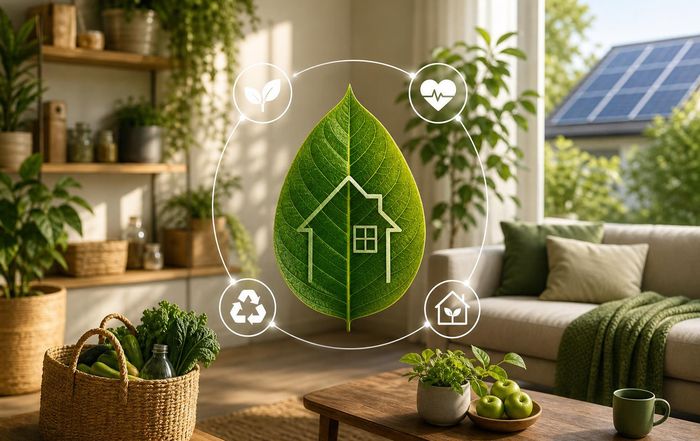
How Sustainable Habits Improve Health and Home Comfort
A New Definition of Comfort
Ok gradually the idea is catching up with us that the idea of a comfortable life has expanded far beyond soft furnishings and modern appliances. Increasingly, households and businesses are discovering that genuine comfort is inseparable from health, environmental responsibility, and long-term economic resilience. Here, this evolving understanding of comfort is central to every discussion about sustainable living, because the choices people make at home and at work influence not only their immediate surroundings but also the quality of air they breathe, the safety of the water they drink, the soundscape they inhabit, and even their emotional well-being.
The shift is being accelerated by advances in building science, public health research, and digital technology, as well as by the growing urgency of climate change, which is reshaping how individuals, communities, and corporations think about energy use, waste, and resilience. As organizations such as World Health Organization and United Nations Environment Programme highlight the deep connections between environmental quality and human health, the case for sustainable habits has moved from a moral preference to a strategic imperative. In this context, sustainable homes are no longer niche; they are becoming the new benchmark for what a healthy, comfortable, and future-ready lifestyle looks like.
The Health-Environment Connection Inside the Home
Scientific consensus now recognizes that the environment within homes and workplaces can be more polluted than the outdoor air, due to volatile organic compounds from paints and cleaners, off-gassing from furniture, combustion by-products from cooking, and microscopic particles from synthetic textiles. Institutions such as the U.S. Environmental Protection Agency explain how indoor air quality has a direct impact on respiratory health, cardiovascular risk, and cognitive performance. When households adopt sustainable habits-choosing low-emission materials, improving ventilation, and reducing reliance on toxic chemicals-they are effectively redesigning the internal ecosystem in which they spend most of their time.
This is particularly significant as more professionals work remotely, blending their living and working spaces into a single environment that must support productivity, relaxation, and family life. On YouSaveOurWorld.com, guides on environmental awareness emphasize that sustainability in the home is not restricted to energy savings; it also encompasses the microbiological, chemical, and acoustic conditions that shape daily experience. Research shared by organizations like Harvard T.H. Chan School of Public Health illustrates that greener buildings with better ventilation, natural light, and lower chemical loads are associated with improved cognitive function and fewer sick days, which translates into tangible business benefits as well as personal comfort.
Sustainable Living as a Foundation for Well-Being
Sustainable living is often framed in terms of sacrifice or complexity, but in practice, it can be a powerful route to a more stable and satisfying life. When individuals adopt habits such as minimizing food waste, reducing plastic consumption, choosing efficient appliances, and being mindful about water and energy, they are not just lowering their environmental footprint; they are also reducing exposure to unnecessary toxins, increasing control over household costs, and fostering a sense of agency in the face of global uncertainty. The resources on sustainable living are designed to show that these choices, when integrated into daily routines, become almost effortless and bring cumulative rewards.
Public health bodies like Centers for Disease Control and Prevention have long promoted active transport, such as walking and cycling, as a way to reduce chronic disease risk, and sustainable living naturally encourages such patterns. Opting to walk to local shops instead of driving, using stairs instead of elevators, or gardening rather than relying solely on packaged foods not only lowers emissions but also builds physical activity into daily life. Over time, these subtle shifts can improve cardiovascular health, mental resilience, and sleep quality, while the home environment becomes calmer, less cluttered, and more attuned to natural rhythms.
Plastic Recycling and the Hidden Health Dividend
Plastic waste is often discussed in terms of ocean pollution and wildlife harm, but there is a more intimate dimension that affects households directly. Microplastics have been detected in drinking water, indoor dust, and even human blood, and global institutions such as World Health Organization have begun to examine the potential long-term health implications. By embracing more responsible consumption patterns and effective plastic recycling, households can limit the circulation of plastics in their immediate environment and reduce the demand for virgin plastic production, which is linked to fossil fuel extraction and chemical pollution.
On YouSaveOurWorld.com, the discussion of plastic recycling goes beyond sorting bins and symbols; it encourages families and businesses to question how much plastic they genuinely need and to prioritize reusable, refillable, and biodegradable alternatives. As organizations like Ellen MacArthur Foundation promote circular economy principles, more companies are redesigning packaging and products to be easier to recycle or reuse, which in turn simplifies the choices available to consumers. The result is a more orderly home with fewer single-use items, fewer chemical additives, and a stronger sense of alignment between daily habits and long-term planetary health.
Energy Efficiency, Thermal Comfort, and Climate Resilience
Thermal comfort has traditionally been achieved by turning up heating or air conditioning, even if buildings were poorly insulated or leaky. In a world increasingly shaped by heatwaves, storms, and energy price volatility, this approach is no longer sustainable or comfortable. Organizations like the International Energy Agency demonstrate that energy-efficient buildings not only reduce greenhouse gas emissions but also provide more stable indoor temperatures, better air quality, and lower utility bills. For households, this means that investments in insulation, high-performance windows, efficient heat pumps, and smart thermostats can significantly improve day-to-day comfort while strengthening resilience to climate extremes.
The link between climate change and home comfort is a recurring theme, because energy choices made at the household level contribute to global warming, which in turn affects local weather patterns and the reliability of infrastructure. By adopting energy-saving habits-such as sealing drafts, using shading devices, optimizing ventilation, and choosing efficient lighting-residents can maintain comfortable indoor environments with less dependence on energy-intensive cooling and heating. This becomes especially important during grid disruptions or price spikes, when efficient homes stay habitable for longer and provide a buffer against external shocks.
Indoor Air Quality, Green Materials, and Safer Cleaning
One of the most immediate ways sustainable habits improve health is through the careful selection of materials and cleaning products. Many conventional paints, adhesives, and furnishings release volatile organic compounds that can irritate the respiratory system, trigger allergies, and contribute to long-term health risks. Leading standards such as LEED and guidance from Green Building Council encourage low-VOC and non-toxic materials, and these principles are increasingly accessible to ordinary homeowners. Choosing natural or certified low-emission finishes, solid wood furniture, and textiles made from organic fibers can dramatically reduce indoor chemical loads.
Cleaning practices are equally important. A shift toward fragrance-free, biodegradable detergents and simple agents such as vinegar or baking soda, informed by recommendations from organizations like Environmental Working Group, can lower exposure to endocrine disruptors and irritants without compromising hygiene. On YouSaveOurWorld.com, the broader theme of waste management includes not only solid waste but also chemical waste in the form of unnecessary products that accumulate under sinks and in cupboards. Streamlining these products and choosing safer alternatives creates cleaner air, reduces accidental poisonings, and simplifies household routines.
Sustainable Design for Light, Sound, and Space
Comfort is a multisensory experience, influenced not just by temperature and air quality but also by light, sound, and spatial organization. Sustainable design pays close attention to natural daylight, cross-ventilation, and acoustic insulation, recognizing that these elements affect mood, concentration, and sleep. Studies from institutions such as International WELL Building Institute indicate that access to natural light and views of nature can reduce stress, enhance productivity, and even speed up recovery from illness. Designing homes to maximize daylight while minimizing glare, using shading and reflective surfaces strategically, is therefore both an environmental and a health strategy.
Soundscapes are another often overlooked dimension. Sustainable building envelopes that reduce external noise from traffic or industry create more serene interiors, which is particularly valuable in dense urban environments. Thoughtful layout, use of natural materials that absorb sound, and integration of plants can all contribute to calmer spaces. On YouSaveOurWorld.com, the intersection of design and sustainability is presented as an opportunity to reimagine homes as holistic environments where aesthetics, efficiency, and well-being reinforce one another, rather than competing priorities.
Technology and Innovation in the Sustainable Home
Digital innovation is transforming how households understand and manage their environmental impact. Smart meters, connected thermostats, indoor air quality sensors, and water-use monitors provide real-time feedback, enabling residents to adjust behaviors and investments based on accurate data. Organizations like Rocky Mountain Institute and World Green Building Council showcase how such technologies, when combined with efficient building envelopes and renewable energy systems, can drastically reduce energy consumption while improving comfort. In many cases, automation can ensure that homes maintain optimal conditions with minimal manual intervention, freeing residents to focus on their work and personal lives.
For readers of YouSaveOurWorld.com, the relationship between technology and sustainability is not merely about gadgets; it is about using information intelligently to support healthier and more responsible lifestyles. For instance, air quality monitors can prompt the opening of windows at the right times, or the use of filtration when outdoor pollution is high, while smart irrigation systems can minimize water waste in gardens. As International Energy Agency reports on the growth of connected devices, the key challenge is ensuring that technology serves human and environmental goals rather than adding complexity or energy use without clear benefits.
Sustainable Business Practices and the Professional Environment
Comfort and health are not limited to private homes; they are equally critical in offices, factories, and commercial spaces where people spend a large portion of their time. Businesses adopting sustainable practices-such as energy-efficient buildings, flexible working arrangements, and responsible supply chains-are finding that these decisions influence employee satisfaction, retention, and performance. Organizations like World Economic Forum highlight that companies integrating environmental, social, and governance (ESG) principles tend to be more resilient and innovative, particularly in volatile markets.
The section on sustainable business explores how corporate strategies that reduce emissions, minimize waste, and support healthier workplaces can also enhance brand reputation and investor confidence. For example, employers that provide well-ventilated, naturally lit offices with access to green spaces and support for active commuting are not only reducing their environmental footprint but also lowering absenteeism and improving morale. As hybrid work models become standard, many professionals now evaluate potential employers partly on the quality and sustainability of the physical and digital environments they provide.
Economic Benefits of Sustainable Habits
One of the persistent myths about sustainability is that it is inherently more expensive. While certain upgrades require upfront investment, the long-term financial picture often tells a different story. Energy-efficient appliances, improved insulation, water-saving fixtures, and durable materials typically reduce operating costs over many years, and they can increase property value as buyers become more attuned to running costs and environmental performance. Organizations like International Monetary Fund and OECD have documented how energy efficiency and green infrastructure contribute to economic stability and job creation, reinforcing the idea that environmental responsibility and prosperity are compatible objectives.
For households and businesses alike, the economic dimension of sustainability is not just about savings but also about risk reduction. Exposure to volatile energy prices, climate-related disruptions, and regulatory shifts can be mitigated by adopting efficient systems and low-carbon technologies. On YouSaveOurWorld.com, the economy section connects macroeconomic trends with everyday decisions, showing how modest changes-such as reducing food waste, maintaining equipment for longevity, or sharing resources-can cumulatively free up significant financial resources while fostering a culture of prudence and responsibility.
Education, Awareness, and Behavioral Change
Technology and infrastructure alone cannot deliver sustainable comfort; human behavior remains the decisive factor. Education is therefore central to the mission of YouSaveOurWorld.com, which positions itself as a hub for accessible, actionable knowledge on education related to sustainability, climate, and health. As organizations like UNESCO emphasize, environmental education equips individuals with the skills and values needed to make informed decisions and to participate in collective solutions, from local community projects to global policy debates.
Raising awareness about the links between daily habits and long-term health outcomes helps shift sustainability from an abstract concept to a personal priority. When people understand that reducing plastic use can lower exposure to endocrine disruptors, that improving ventilation can decrease respiratory issues, or that energy efficiency can provide security during heatwaves, they are more likely to integrate these practices into their routines. Behavioral science research from institutions such as London School of Economics shows that social norms and visible examples play a powerful role, which is why storytelling and case studies on platforms like YouSaveOurWorld.com can be so influential in catalyzing change.
Lifestyle, Mental Health, and Personal Well-Being
Sustainable habits do not only alter physical environments; they also shape mental and emotional landscapes. Simpler, less wasteful lifestyles often involve decluttering, prioritizing quality over quantity, and spending more time in nature, all of which are associated with lower stress levels and higher life satisfaction. Health authorities and organizations such as American Psychological Association have documented the mental health benefits of exposure to green spaces, daylight, and physical activity, as well as the psychological strain caused by environmental degradation and climate anxiety.
The relationship between lifestyle choices and personal well-being is presented as a two-way street: sustainable habits can alleviate anxiety by giving individuals a sense of contribution and control, while improved mental health makes it easier to maintain consistent, thoughtful behaviors. Activities such as growing food, repairing items instead of discarding them, and participating in local environmental initiatives can foster community connection and purpose, which are key ingredients of a fulfilling life. In this way, sustainability becomes not just a set of external practices but an internal orientation toward care, sufficiency, and gratitude.
Waste Reduction and the Comfort of Order
Waste is both a physical and psychological burden. Overflowing bins, cluttered storage spaces, and constant disposal decisions create a background sense of disorder that can subtly erode comfort. By adopting waste-reduction habits-buying only what is needed, choosing products with minimal or recyclable packaging, composting organic matter, and repurposing items where possible-households can create cleaner, more organized environments. Municipal initiatives promoted by organizations like Zero Waste International Alliance demonstrate that communities embracing circular practices often report improved neighborhood aesthetics and social cohesion, which feed back into a greater sense of safety and pride.
The resources on waste at YouSaveOurWorld.com encourage readers to view waste as a design flaw rather than an inevitable by-product of modern life. When homes are arranged to support easy sorting, storage, and reuse-through dedicated recycling stations, clear containers, and thoughtful purchasing-daily routines become smoother and less frustrating. Over time, the reduction in clutter and disposal tasks contributes to a calmer atmosphere, reinforcing the broader theme that sustainable habits are not an additional burden but a pathway to more streamlined and comfortable living.
A Global Perspective on Local Comfort
Although sustainable habits are practiced at the household and business level, their impacts extend across borders and generations. The emissions reduced by efficient homes, the plastics avoided through conscious consumption, and the innovations adopted through smart technology all contribute to a more stable global climate and healthier ecosystems. Organizations like Intergovernmental Panel on Climate Change underscore that cumulative, small-scale actions are essential complements to national policies and corporate commitments. The global section, accessible through its global resources, highlights how local choices are interconnected with international efforts to meet climate targets and protect biodiversity.
This global lens reinforces the idea that comfort in 2026 cannot be defined solely by immediate convenience. True comfort incorporates the knowledge that one's lifestyle is not undermining the future security of children, communities, or vulnerable populations elsewhere in the world. As extreme weather events, resource constraints, and health crises remind society of shared vulnerabilities, sustainable habits become a form of solidarity as well as self-care. They allow individuals to enjoy their homes and workplaces with a clearer conscience and a stronger sense of belonging to a global community working toward a livable planet.
How Can We Help in Guiding the Transition?
As sustainable living, responsible business, and climate resilience move from the margins to the mainstream, the need for reliable, practical guidance grows. This site positions itself as a trusted partner in this transition, curating insights on business, innovation, technology, education, and personal well-being, and connecting them to the everyday realities of households and organizations. By focusing on experience, expertise, authoritativeness, and trustworthiness, the platform aims to translate complex scientific and economic information into clear, actionable strategies for improving health and home comfort through sustainable habits.
The convergence of environmental urgency, technological capability, and shifting social expectations has created a unique opportunity to redefine what it means to live well. Sustainable habits are no longer optional enhancements but foundational elements of a healthy, comfortable, and resilient life. Whether through better indoor air, quieter and more efficient buildings, reduced waste, or more mindful lifestyles, the benefits are tangible and immediate, while the broader gains for society and the planet are profound. For readers seeking to align their homes, businesses, and daily choices with this emerging standard of comfort, YouSaveOurWorld.com offers a pathway grounded in knowledge, responsibility, and a deep commitment to a shared future.
