
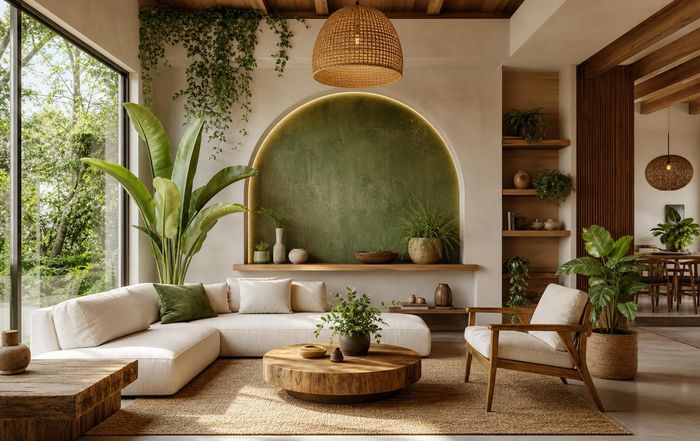
Eco-Friendly Interior Design for Sustainable Homes in 2026
Redefining Home in a Climate-Conscious World
I bet you didn't know that the idea of home is being fundamentally redefined, not only as a place of comfort and personal expression but also as a strategic front line in the response to climate change, resource scarcity and growing social expectations around environmental responsibility. For the radically compassionate community that gathers around YouSaveOurWorld.com, eco-friendly interior design has evolved beyond a niche aesthetic into a comprehensive approach that integrates sustainable living, responsible consumption, health, and long-term value creation. As energy systems decarbonize, supply chains become more transparent and digital technologies reshape how people plan and manage their spaces, the interior of a home is now recognized as a powerful lever for reducing environmental impact while also enhancing well-being and economic resilience.
This shift is being accelerated by increasingly clear scientific evidence about the environmental footprint of buildings and furnishings. The International Energy Agency notes that buildings account for a substantial share of global energy use and emissions, while organizations such as the World Green Building Council emphasize that material choices, construction methods and interior fit-outs significantly influence embodied carbon over a building's life cycle. In parallel, health-focused research from institutions like Harvard T.H. Chan School of Public Health has highlighted the importance of indoor air quality, daylight, acoustics and non-toxic materials for cognitive performance and long-term health. Against this backdrop, eco-friendly interior design is emerging as a disciplined, data-informed practice that aligns aesthetics with measurable sustainability outcomes.
For YouSaveOurWorld.com, which already provides guidance on sustainable living, climate change and environmental awareness, eco-friendly interior design is not simply a decorative topic; it is a practical bridge between high-level environmental goals and everyday decisions about how to furnish and operate a home.
The Foundations of Eco-Friendly Interior Design
Eco-friendly interior design begins with a clear understanding of environmental impact across the entire life cycle of materials, products and systems used in the home. Rather than focusing solely on whether an item is labeled "green," contemporary sustainable design examines how resources are extracted, manufactured, transported, used and eventually disposed of or recycled. Leading organizations such as Ellen MacArthur Foundation have popularized the concept of the circular economy, where materials are kept in use for as long as possible, waste is designed out of the system and natural systems are regenerated. In interior design, this translates into a preference for durable, repairable, modular and recyclable furnishings, finishes and fixtures.
Life-cycle thinking is supported by tools such as Environmental Product Declarations, cradle-to-cradle certifications and life-cycle assessment methodologies promoted by institutions like EPD International and Cradle to Cradle Products Innovation Institute, which provide standardized ways to compare and evaluate product impacts. For homeowners, this can feel complex, but platforms such as Green Building Advisor and US Green Building Council help interpret these metrics into practical choices, whether selecting low-VOC paints, FSC-certified wood, high-recycled-content tiles or energy-efficient appliances.
On YouSaveOurWorld.com, this systems perspective connects naturally with content on waste reduction and innovation, encouraging readers to consider not only how products look in a room but also how they fit into a larger story of responsible production and consumption.
Materials, Finishes and the Hidden Impact of Surfaces
Materials and finishes are often the most visible elements of interior design, yet their environmental and health impacts are frequently hidden. Common choices such as vinyl flooring, synthetic carpets, solvent-based paints and composite wood products can contain or emit volatile organic compounds, plasticizers and other substances that contribute to indoor air pollution and long-term health risks. Organizations like U.S. Environmental Protection Agency and World Health Organization have repeatedly drawn attention to the fact that indoor air can be more polluted than outdoor air, particularly in tightly sealed, energy-efficient homes that lack appropriate ventilation.
Eco-friendly interior design responds to this challenge by prioritizing natural, low-emission and responsibly sourced materials. Solid wood from sustainably managed forests, certified by bodies such as Forest Stewardship Council, offers a renewable and often carbon-storing alternative to many composites, while natural linoleum, cork, bamboo and reclaimed stone provide durable, low-toxicity flooring options. Advances in plant-based binders, water-based finishes and mineral paints are reducing reliance on petrochemical products, and manufacturers are increasingly transparent about ingredients through initiatives such as Declare labels.
For the audience of YouSaveOurWorld.com, which is already attuned to the consequences of pollution and resource depletion through resources on environmental awareness and global impacts, material selection becomes a central expression of values. By choosing surfaces that are clean, durable and repairable, homeowners not only reduce their ecological footprint but also create healthier environments that support long-term personal well-being.
Plastic, Waste and the Circular Home
Plastic is one of the most visible symbols of modern environmental challenges, and interior spaces are saturated with it, from furniture shells and textiles to wall panels, kitchenware and decorative objects. While not all plastics are inherently harmful, their production, persistence and low recycling rates raise significant concerns. The United Nations Environment Programme has documented the growth of plastic waste and its impact on ecosystems, while the OECD has reported that only a small fraction of plastics are effectively recycled globally.
For eco-conscious interior design, the goal is not simply to eliminate plastic but to use it more strategically, favoring recycled content, long-lived applications and products designed for disassembly and recovery. Innovative manufacturers are now producing chairs, rugs and acoustic panels from post-consumer plastics, including ocean-bound waste, and organizations such as Parley for the Oceans have demonstrated how design can transform discarded materials into desirable products. Readers who explore plastic recycling on YouSaveOurWorld.com will find that the same principles apply inside the home: prioritize reduction and reuse, select genuinely recyclable products, and avoid single-use or short-lived plastic items wherever possible.
This circular mindset extends to all forms of waste. Rather than treating old furniture, fixtures and finishes as disposable, eco-friendly interior design encourages refurbishment, upcycling and responsible resale or donation. Platforms such as Habitat for Humanity ReStore and architectural salvage companies facilitate the recovery and reuse of building materials, while digital marketplaces make it easier for homeowners to keep items in circulation. When new products are necessary, choosing modular designs that allow components to be replaced or upgraded extends lifespan and reduces the need for complete replacement.
Energy, Light and the Climate Performance of Interiors
While architectural design and building systems set the baseline for energy performance, interior design decisions significantly influence operational energy use and comfort. The placement of furniture, the choice of window treatments, the specification of lighting and the integration of smart controls all affect how much energy a home consumes and how pleasant it is to occupy. The International Energy Agency has highlighted the potential of efficient lighting, appliances and controls to reduce residential energy demand, and these opportunities are closely linked to interior decisions.
Eco-friendly interiors prioritize daylighting, using reflective surfaces, light-colored finishes and thoughtful space planning to maximize natural light penetration, thereby reducing reliance on artificial lighting during the day. At night, high-efficiency LED lighting, carefully layered through ambient, task and accent fixtures, can provide excellent visual comfort with minimal energy use. Smart lighting systems that respond to occupancy and available daylight further reduce waste and enhance the user experience. Readers interested in how technology enables these efficiencies can explore related themes on technology and innovation at YouSaveOurWorld.com.
Thermal comfort is similarly influenced by interior choices. Insulating curtains, rugs and upholstered furniture can improve perceived warmth in cooler climates, while breathable textiles, shading devices and ceiling fans support comfort in warmer regions, reducing dependence on mechanical heating and cooling. Organizations such as Passive House Institute and ASHRAE provide guidance on how interior elements interact with building envelopes and HVAC systems, reinforcing the idea that sustainable interiors are not isolated from architectural performance but integral to it.
Health, Well-Being and Biophilic Design
One of the most compelling developments in sustainable interior design is the convergence of environmental responsibility with evidence-based strategies to support health and well-being. Biophilic design, which seeks to connect occupants with nature through direct and indirect means, has gained traction as research from institutions like Terrapin Bright Green and International WELL Building Institute demonstrates its positive effects on stress reduction, cognitive function and emotional resilience. In the home, biophilic design can include the use of natural materials and textures, abundant daylight and views, indoor plants, water features and patterns that echo natural forms.
For the YouSaveOurWorld.com audience, which values personal well-being alongside environmental stewardship, this integration is particularly meaningful. Eco-friendly interiors are not only low-impact; they are also designed to support restorative sleep, focused work, nourishing meals and meaningful social connection. Low-toxicity materials, acoustically balanced rooms, ergonomic furniture and access to fresh air all contribute to a healthier living environment, aligning with the growing body of guidance from organizations such as Mayo Clinic on indoor health.
The pandemic years of the early 2020s accelerated this focus, as millions of people experienced the consequences of spending extended periods at home, often working, learning and socializing in the same rooms. By 2026, the home has firmly established itself as a multi-functional hub, and eco-friendly interior design must respond with spaces that are flexible, psychologically supportive and capable of accommodating evolving lifestyles without constant renovation and waste.
Sustainable Design as a Business and Economic Strategy
Sustainable interior design is no longer a marginal concern for boutique firms; it has become a central business strategy for developers, manufacturers, retailers and service providers who recognize that environmental performance, social responsibility and long-term profitability are deeply intertwined. Organizations such as World Economic Forum and OECD have emphasized the economic opportunities associated with the green transition, including job creation in sustainable construction, circular materials management and green technology. For the design and construction sector, this translates into growing demand for professionals who understand both aesthetics and sustainability metrics.
On YouSaveOurWorld.com, the intersection of sustainability and commerce is explored through resources on sustainable business and business strategy, and eco-friendly interior design fits squarely within this context. Developers who integrate sustainable interiors into their projects can command higher market valuations, reduce operating costs and appeal to increasingly discerning buyers and tenants. Furniture and materials companies that invest in circular design, transparent supply chains and third-party certifications enhance their brand credibility and reduce regulatory and reputational risks.
For individual homeowners, eco-friendly interior design can be framed as a long-term investment rather than a short-term expense. Durable materials, energy-efficient systems and timeless design choices reduce the frequency of replacement and renovation, lowering total cost of ownership. As green valuation methodologies mature and lenders incorporate sustainability data into mortgage and financing decisions, homes with demonstrably eco-friendly interiors may enjoy preferential terms and higher resale value, reflecting the broader evolution of the economy toward low-carbon, resource-efficient models.
Global Perspectives and Cultural Dimensions
Eco-friendly interior design is not a uniform practice; it is shaped by local climates, cultural traditions, regulatory frameworks and economic conditions. In Scandinavian countries, for example, long-standing traditions of minimalism, craftsmanship and respect for natural materials have aligned naturally with contemporary sustainability goals, as seen in the work of companies such as IKEA, which has increasingly integrated renewable materials and circular services into its offerings. In many Asian and African contexts, vernacular design traditions that emphasize passive cooling, natural ventilation and local materials offer valuable lessons for low-impact interiors that respond to specific climatic realities.
International organizations such as UN-Habitat and World Bank have stressed the importance of sustainable housing and urban development in achieving global climate and development goals, particularly as urbanization accelerates in the Global South. Eco-friendly interior design becomes part of a broader conversation about equitable access to healthy, efficient and resilient housing. For the global community that visits YouSaveOurWorld.com and explores its global content, this diversity underscores that there is no single template for sustainable interiors; instead, there are principles that can be interpreted through local materials, skills and cultural narratives.
At the same time, global supply chains and digital commerce mean that design decisions in one region can have far-reaching impacts elsewhere, from forests in South America to factories in Southeast Asia. This interconnectedness reinforces the need for informed choices, transparent sourcing and a willingness to support companies and initiatives that demonstrate genuine commitment to environmental and social responsibility.
Education, Behavior and the Role of Digital Tools
The success of eco-friendly interior design depends not only on the availability of sustainable products and technologies but also on education and behavior. Homeowners, tenants, designers and builders need reliable, accessible information to make informed decisions, and this is an area where platforms like YouSaveOurWorld.com play a critical role. By curating guidance on education, lifestyle and practical sustainability strategies, the site helps bridge the gap between technical knowledge and everyday practice.
Digital tools have become powerful enablers of this educational process. Online configurators, augmented reality applications and building performance simulators allow users to visualize the aesthetic and environmental implications of design choices before making purchases or commencing renovations. Data-driven platforms inspired by the work of organizations such as Rocky Mountain Institute and Architecture 2030 can estimate energy savings, emissions reductions and cost impacts associated with different interior scenarios, bringing a new level of transparency and accountability to design decisions.
Equally important is the cultivation of habits that sustain eco-friendly interiors over time. Even the most sustainable materials and systems will fall short of their potential if occupants leave lights on unnecessarily, overheat or overcool spaces, or accumulate large volumes of short-lived products. By encouraging mindful consumption, regular maintenance, repair and thoughtful upgrades, educational initiatives help ensure that eco-friendly interiors remain aligned with their original environmental and well-being objectives.
Design, Aesthetics and the Emotional Dimension of Sustainability
A common misconception is that eco-friendly interior design is inherently restrictive or aesthetically limited, yet the reality in 2026 is that sustainable options span a wide range of styles, from minimalist and modern to eclectic and traditional. The key is to integrate sustainability criteria into the design process from the outset rather than treating them as afterthoughts. This alignment of beauty and responsibility is increasingly evident in the work of leading designers and brands featured in publications such as Dezeen and Architectural Digest, where projects showcase reclaimed materials, low-impact finishes and energy-efficient systems without compromising on visual impact or comfort.
For the YouSaveOurWorld.com audience, which appreciates thoughtful design as an expression of values, the emotional dimension of eco-friendly interiors is particularly significant. Spaces that tell stories of craftsmanship, local culture, material journeys and environmental restoration can foster a deeper sense of connection and stewardship. When a dining table is made from reclaimed timber, a rug is woven from recycled fibers or a pendant light is crafted by a social enterprise using upcycled materials, the home becomes a narrative of conscious choices rather than a collection of anonymous objects.
This emotional resonance can be a powerful motivator for sustained engagement with sustainable living practices. When people feel proud of their eco-friendly interiors, they are more likely to share their experiences, influence peers and advocate for broader change, amplifying the impact far beyond the walls of a single home.
The Path Forward for Sustainable Homes and Interiors
As the world navigates the complex challenges of climate change, resource constraints and social inequality, eco-friendly interior design stands out as a practical and accessible domain where individuals, businesses and communities can take meaningful action. It sits at the intersection of environmental science, economics, technology, health and culture, and it translates abstract sustainability targets into tangible decisions about materials, layouts, systems and daily habits.
For YouSaveOurWorld.com, eco-friendly interior design is a natural extension of its innocent mission to support informed, impactful choices across sustainable living, climate action, business transformation and personal well-being. By continuing to explore emerging technologies, innovative materials, circular business models and evidence-based design strategies, the site can hopefully help its subs and new readers create homes that are not only beautiful and functional but also aligned with the urgent need to protect and regenerate the planet.
In today and more, the most compelling homes will be those that quietly but powerfully demonstrate that sustainability is not a sacrifice but an upgrade: to healthier air, more comfortable spaces, lower operating costs, richer stories and a deeper sense of participation in a global effort to save and restore our shared world.
